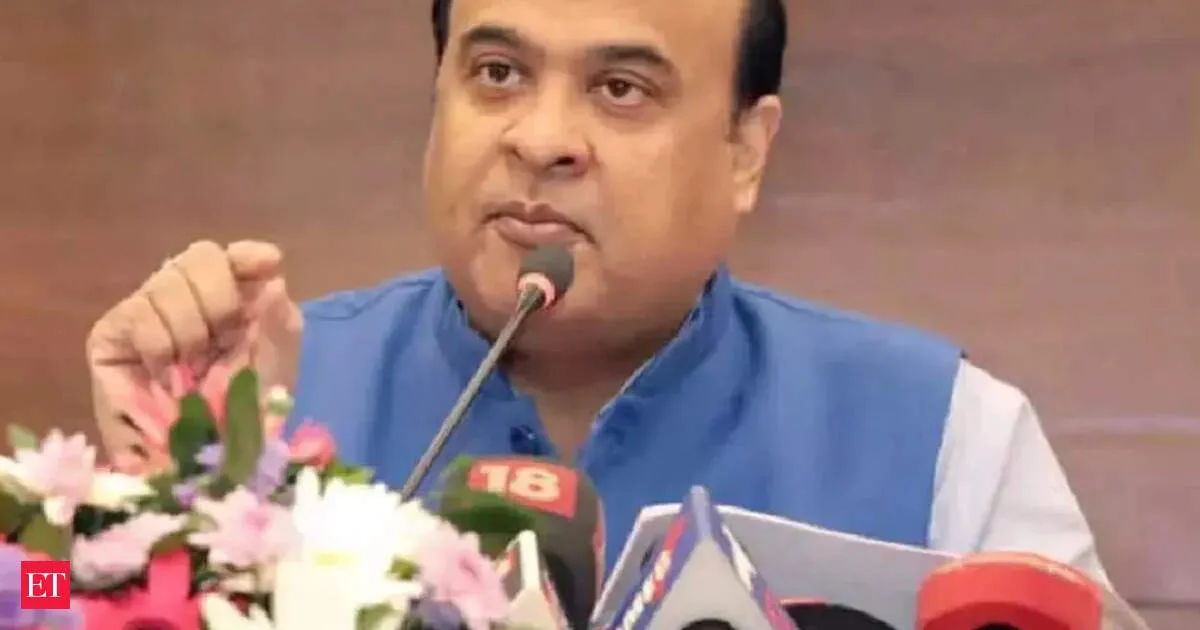
Assam Chief Minister Himanta Biswa Sarma says the NDA’s success in Eastern India signals a revival of ancient civilizations. He points to Anga, Banga, Kalinga and Kamrupa as the engine for the country’s next growth phase, stressing unified development under Prime Minister Narendra Modi to deliver all-round progress and boost each region’s contribution to India’s GDP.
RBI’s DG says India’s average per capita income could move into the high-income range by 2046-47, but only if the momentum from the last 20 years continues. He highlights that lower-developed states will be crucial to reaching the goal, urging region-specific strategies aligned with local strengths and development levels.
Your news, in seconds
Get the Beige app — every story in 60 words, updated hourly. Free on iOS & Android.
RBI Deputy Governor Poonam Gupta says India’s march toward high-income status by 2047 will rely less on national macro policy and more on how well individual states design and execute growth plans suited to their local strengths. The message shifts focus to state-level strategy, execution, and tailoring economic development to regional opportunities.
India’s real GDP growth is projected at 7.2% for Q4 FY26, with full-year FY26 growth expected to reach 7.5%. The forecast points to resilient rural and urban consumption as the main engine. Looking ahead, real GDP growth for FY27 is estimated at 6.6%, balancing global economic headwinds with steady domestic demand.
RBI is expected to keep interest rates unchanged in June, according to HSBC’s chief India economist. With energy costs rising and weather turning unpredictable, inflation pressures remain. At the same time, growth needs support, leaving the central bank balancing conflicting objectives. Any potential hikes are seen as delayed until global supply chains stabilize and oil prices cool.
The Finance Ministry says FY26 credit trends reflect economic strength, highlighting non-food credit growth rising to 15.9% from 10.9% a year earlier. Total credit outstanding climbed to ₹212.9 lakh crore by March 2026, increasing by ₹29.2 lakh crore compared with the previous year’s level, underscoring a faster pace of borrowing and lending.
Never miss a story
Set alerts for the topics and sources you care about. Download Beige for free.
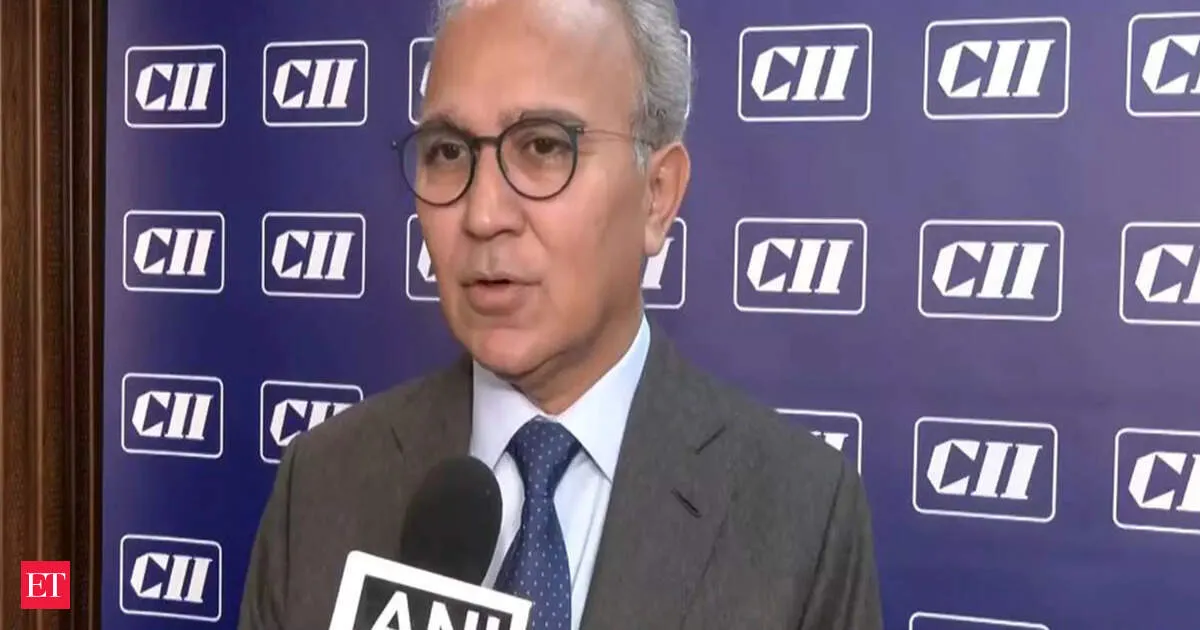
India’s growth outlook is hovering around 7% this fiscal, but CII president Rajiv Memani says the figure depends heavily on a quick end to the Iran war. If fighting drags on, growth could slow to 6.5%. Companies are already preparing for shocks, while private investment and confidence are expected to rebound once West Asia stabilizes, supported by steady consumption demand.
Asian economies are racing to manage an energy shock tied to the Iran war, as surging oil prices and supply disruptions squeeze households and businesses. Governments are using subsidies, drawing down reserves, and tightening controls, but the cost is mounting. Growth forecasts are being trimmed while inflation expectations rise, reflecting the hit from higher energy prices.
New York Fed President John Williams said monetary policy is positioned to handle uncertainty from potential Middle East war risks. He expects interest rate cuts when inflation eases, while warning inflation pressures remain tied to tariffs and energy costs. Despite worries about possibly more severe supply shocks, he expects economic growth to stay resilient and the Fed to stay in a wait-and-see stance.
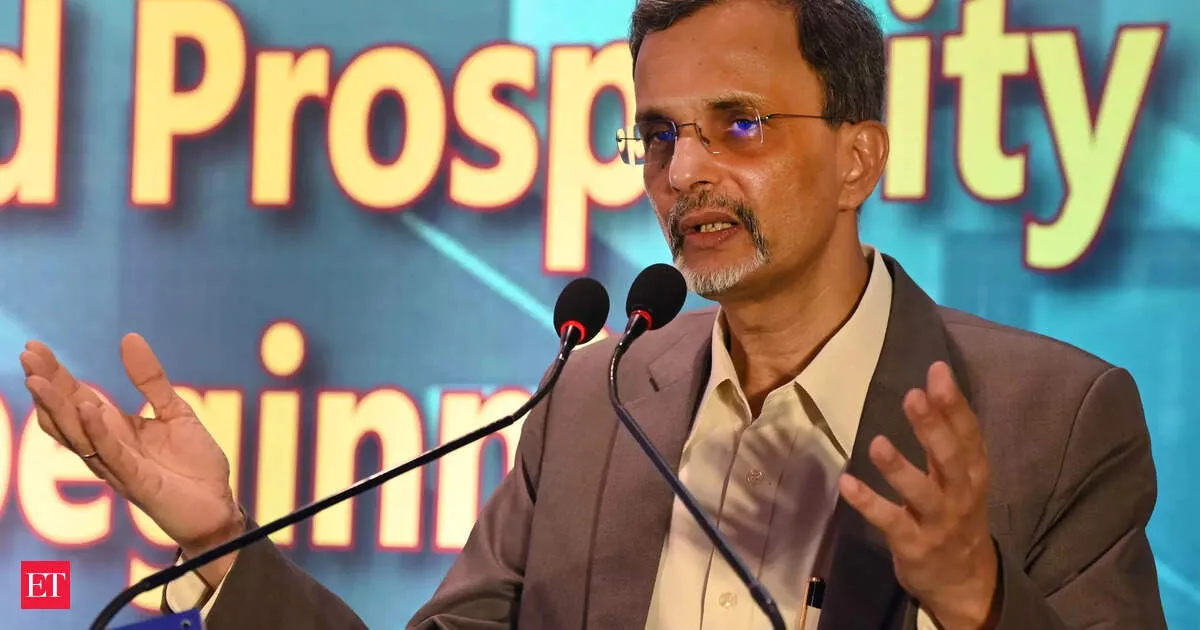
Chief Economic Advisor V Anantha Nageswaran says India can aim for a $30 trillion economy by 2047 if it sustains roughly 12% annual growth in dollar terms. He adds that higher growth must be supported by stronger technology capabilities and investment in frontier research, positioning these areas as key to maintaining momentum.
Reading on mobile?
Open Beige in the app for a smoother experience — free on iOS and Android.
India has grounded USD 6.1 billion in investments across 14 states for FY26, covering about 60 projects expected to create over 31,000 jobs, according to Invest India. The data highlights strong international momentum, with 42% of the total investment traced to European countries, alongside major contributions from the US, Japan, South Korea, and Australia.
A West Asia conflict is roiling energy markets, triggering an economic shock that threatens inflation and growth across Asia. India, reliant on energy imports, faces heightened pressure even as governments roll out measures to cushion households and firms. Central banks are urged to stay alert, while structural reforms are highlighted as the path to long-term resilience and steadier, balanced growth.
A Finmin report warns that the West Asia conflict could trigger supply shocks, raising inflation and disrupting trade flows. Still, it expects resilience from strong domestic demand and targeted policy measures to manage costs in key sectors. With trade aided by new schemes and agreements, India is projected to maintain robust growth while leveraging global shifts.
India has outlined a two phase Digital Public Infrastructure roadmap aimed at reaching a 30 trillion economy by 2047. DPI 2.0 runs from 2025 to 2035 to build capable citizens, while DPI 3.0 spans 2035 to 2047 to spur prosperity through innovation. The plan targets MSMEs, farmers, education, and health, pushing local economic growth.
Follow your favourite sources
Track sources, tags and categories — all in the Beige app.
India’s GDP growth outperformed expectations, rising to 8.2% for FY24. For the January to April quarter, growth accelerated to 7.8% compared with 6.2% in the same period last year. Economists say the surprise in the print could signal stronger momentum across sectors heading into the next fiscal stretch.
Department of Economic Affairs Secretary Ajay Seth said monetary and fiscal authorities are taking steps to moderate inflation despite domestic and global headwinds. He stressed that policy action is being calibrated to control price pressures while keeping growth momentum intact. Seth framed the approach as “whatever it takes,” signaling continued coordination to balance inflation containment with economic expansion.
U.S. Ambassador to India Sergio Gor announced an ambitious plan to grow US-India trade to $500 billion by 2030. The target was shared after a high-level strategy session with the American Chamber of Commerce (AMCHAM) India, representing major U.S. industrial interests in the country. The move signals an intensified push to expand investment, commerce, and economic cooperation.
India has climbed to sixth worldwide for ultra-high net worth individuals, reaching 19,877 in 2026, with projections placing the number at 25,217 by 2031. The Knight Frank report also flags a 58% surge in India’s billionaire count to 207, putting it third globally. While Mumbai leads, wealth share is spreading to Delhi, Chennai and Hyderabad.
Stay informed on the go
Bite-sized news from 100+ trusted sources, right in your pocket.
Budget 2024 is sharpening its focus on tax reforms, arguing that how taxes are designed drives real-world business decisions. Supporters say clearer, more predictable tax rules can influence investment, encourage expansion, and improve job creation, with knock-on effects for the broader economy and everyday outcomes for individuals.
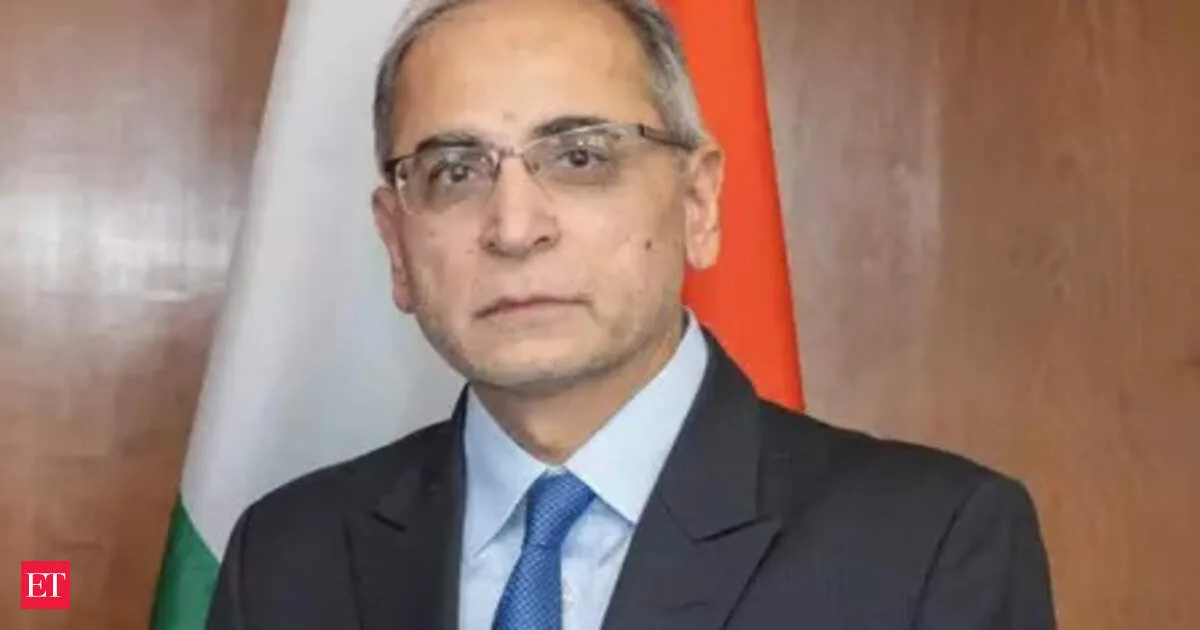
India’s ambassador to the US, Vinay Mohan Kwatra, says economic growth and prosperity are the main engines behind India’s transformation. He cites sustained 7 percent-plus GDP growth, governance reforms, and infrastructure expansion—including digital progress—while warning about a widening global “control regime” that could affect countries’ autonomy and development priorities.
Swipe through stories, personalise your feed, and save articles for later — all on the app.