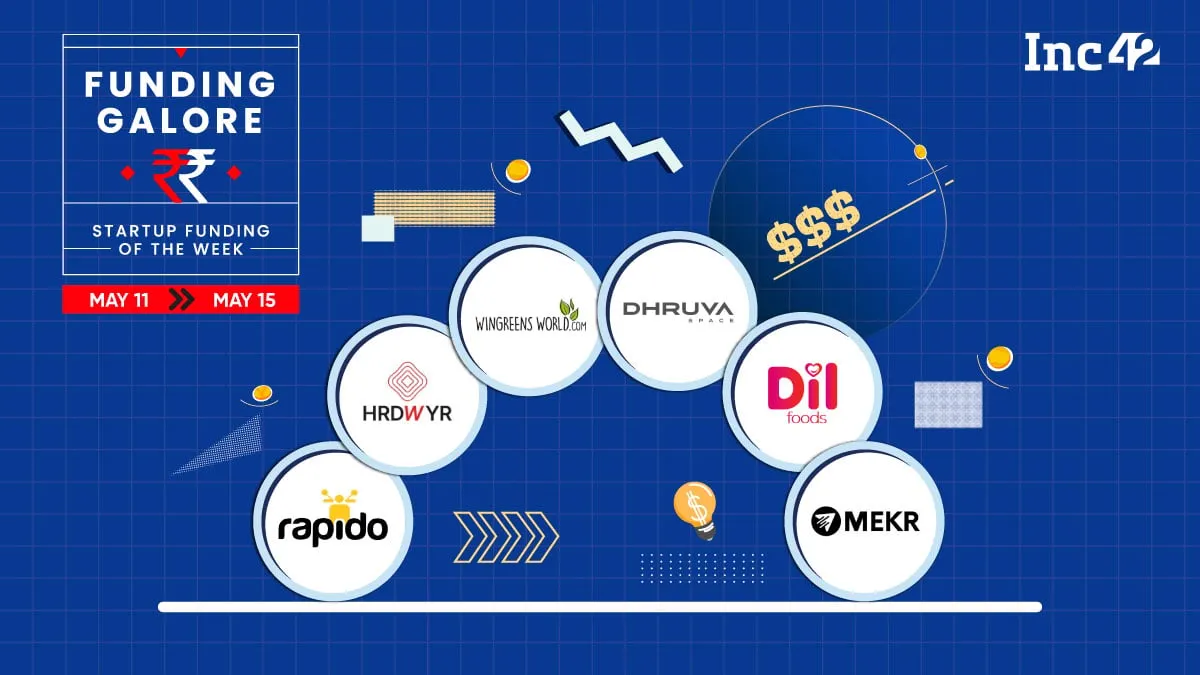
Indian startup funding jumped sharply this week, thanks largely to Rapido’s mega round. Across May 11–15, 15 startups raised $303 million, up 129% from $132.2 million the week before. Yet the jump is heavily skewed: Rapido alone injected $240 million in fresh capital. Excluding Rapido, total funding would have dropped 52%. Ecommerce led deal activity, while seed-stage funding fell to $2.6 million, down from $5.6 million prior week.
India’s food regulator FSSAI has asked quick-commerce firm Blinkit to explain complaints that poor-quality eggs were sold on its platform. The watchdog took suo-moto cognisance of consumers’ social media complaints and wrote to Blink Commerce Pvt Ltd, seeking a comprehensive action taken report within one week. Complainants alleged bad odor and a rubber-like texture. FSSAI also warned that e-commerce food operators must ensure online listings match physical labels and that sellers display valid FSSAI licenses or registrations.
Your news, in seconds
Get the Beige app — every story in 60 words, updated hourly. Free on iOS & Android.
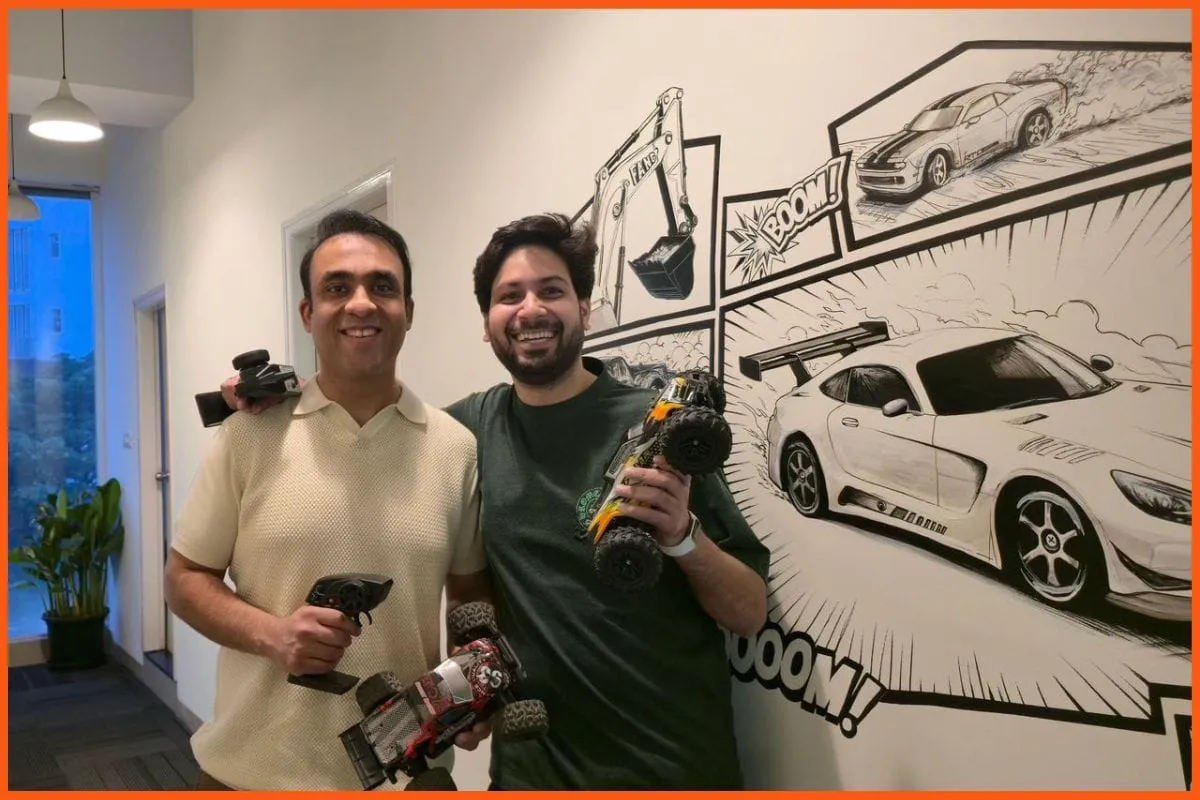
Bengaluru D2C toy brand Legend of Toys has raised ₹21 crore in a Pre-Series A round led by Singularity and others, as it pushes toward what it calls India’s first premium play universe. The funding follows an 18-month surge that brought annualised revenue past ₹30 crore and 20% month-on-month growth. The company points to shifting demand signals: imports reportedly fell 52% while exports rose 239% from FY2014–15 to FY2022–23, alongside BIS certification since 2021.
D2C brands are bracing for a tough quarter as rising input costs and a weakening rupee squeeze margins while demand softens. Analysts expect consumer spending to fall 5–6% over the next three months, driven by inflation that pushes shoppers toward essentials and cuts discretionary buys. Costs have already jumped across categories, including a 25–30% spike in beverage and perfume packaging materials. Conglomerates can hike prices, but smaller cash-burning brands face working capital stress and lower average order values.
Delhi NCR has emerged as India’s leading D2C startup hub, topping both funding and deal counts between 2015 and Q1 2026. D2C startups in the region raised over $3.5 billion across 434 deals, beating Bengaluru’s $3.4 billion and Mumbai’s $2 billion. The NCR also spawned standout exits like Lenskart and Honasa Consumer. Analysts link the shift to faster-growing startup ecosystems, early-stage investor interest, and rising demand for omnichannel brand building.
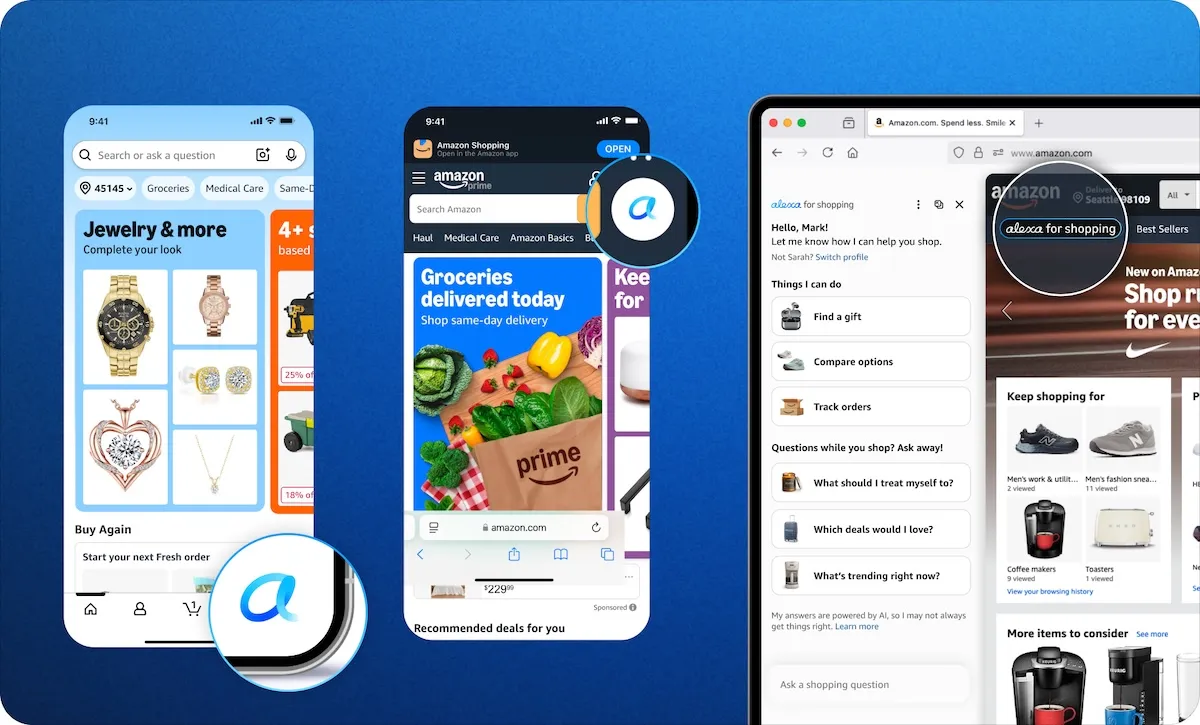
Amazon is rolling out “Alexa for Shopping,” a personalized AI assistant embedded directly in the Amazon search bar. The feature replaces the company’s earlier Rufus shopping assistant, aiming to make product discovery feel more conversational and tailored to each user. The move underscores Amazon’s push to shift shopping from browsing to assistant-guided shopping powered by Alexa.
Never miss a story
Set alerts for the topics and sources you care about. Download Beige for free.
Alibaba’s quarterly revenue rose 3%, powered by strong cloud and AI demand, while its China e-commerce segment got a boost from government subsidies. Even as macro headwinds lingered, the company’s enterprise AI platform showed promise. However, revenue narrowly missed expectations overall because international e-commerce underperformed, despite cloud revenue exceeding forecasts.
Flipkart’s attempt to escape GST on delivery charges via a goods transport agency structure has been rejected by the West Bengal Appellate Authority for Advance Ruling. The WBAAAR said the model was contractual “legal fiction” rather than a real transport transaction, putting the doorstep delivery flow squarely under 18% GST. The decision could reshape tax strategies for ecommerce and quick commerce.
Flipkart’s attempt to avoid GST on delivery charges by positioning itself as a Goods Transport Agency has been rejected by the West Bengal Appellate Authority. The panel ruled that Flipkart’s structure was a “legal fiction” rather than a genuine GTA service, citing its highly organized logistics setup, which the authority said did not qualify for the proposed GST treatment.
Amazon is rolling out a faster delivery option dubbed Amazon Now, promising orders arrive in 30 minutes or less for an extra charge. The service is expanding across urban areas in multiple countries as Amazon builds small order-processing hubs designed to handle urgent requests. The move pushes delivery speed into a new premium tier for city shoppers.
Reading on mobile?
Open Beige in the app for a smoother experience — free on iOS and Android.
Delhi police say stabbing incidents are increasingly linked to push button knives bought online, despite legal bans. Authorities report these weapons still appear on e-commerce platforms using altered names to slip past moderation. The knives are chosen for their concealability and instant activation, and officials warn that calling them “utility” items makes enforcement harder even during crackdowns.
TikTok is moving beyond showing content and into completing transactions, aiming to let users book trips they discover in-feed. By turning its discovery engine into a transaction layer, the platform can keep people engaged longer while creating fresh revenue opportunities for its new owners across travel and commerce.
Amazon has rolled out a new ultra-fast delivery option in the U.S., promising select items to arrive at customers’ doors in about 30 minutes. The service focuses on groceries, household essentials, and other everyday needs, aiming to cut wait times for last-mile shopping and raise the bar for competitors in rapid commerce.
Amazon is stepping up its value commerce push in India. Amazon Bazaar, its low-cost marketplace, reportedly grew fivefold in 2026, and the company is now integrating it directly into the main Amazon app. The strategy targets price-sensitive shoppers by keeping most deals within tight limits, including items under Rs 300 and a Rs 600 cap, while leveraging Amazon’s existing logistics and platform reach.
Follow your favourite sources
Track sources, tags and categories — all in the Beige app.
Embedded insurance is quickly finding a growth path in ecommerce and fintech, as payment and online retail platforms bundle protection for merchants. Startups such as Riskcovry and Assurekit use data analytics to build customised coverage, targeting costly issues like return-to-origin shipments and fraudulent orders, while enabling more accurate premium pricing and better risk assessment.
Alibaba is preparing to integrate its Qwen AI into Taobao, turning product discovery into a conversational experience. Users could chat with the AI to recommend items, compare options, and handle key steps to complete purchases. The company’s push signals how quickly China’s e-commerce players are embedding agentic AI into everyday shopping journeys.
Amazon India has leased nearly 2.78 lakh square feet of warehousing space in Bengaluru’s Nelamangala, underscoring the continuing demand for large logistics hubs in India’s e-commerce market. The arrangement begins with a sub-lease that starts in January, while rent will only commence in March 2026.
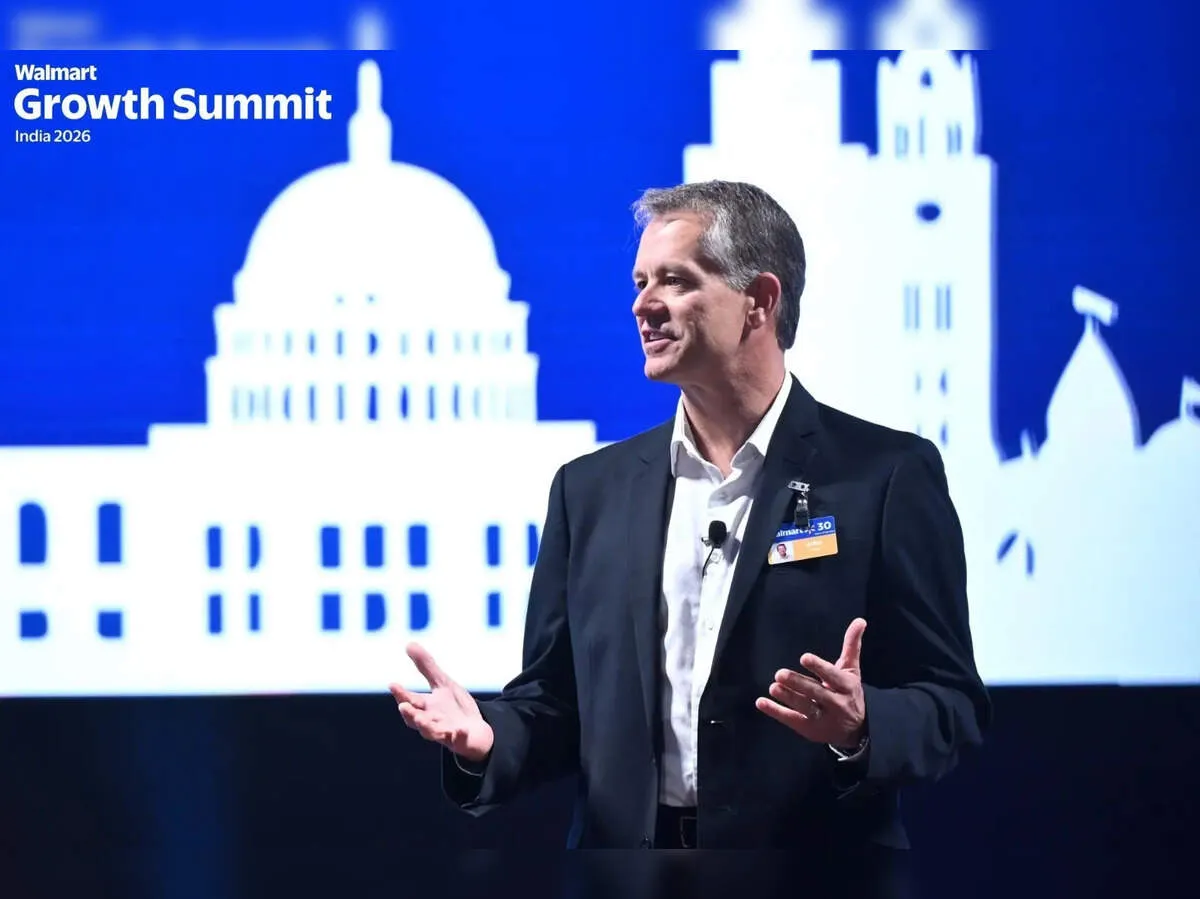
Walmart CEO John Furner sounded bullish about India’s quick commerce prospects during a Flipkart townhall, pointing to Flipkart’s aggressive push for its 10 minute grocery service ‘Minutes’. The expansion is designed to challenge incumbents like Blinkit and Zepto. Furner also reiterated Walmart’s plan to scale manufacturing and exports from India, positioning the country as a key global supply-chain hub.
Stay informed on the go
Bite-sized news from 100+ trusted sources, right in your pocket.
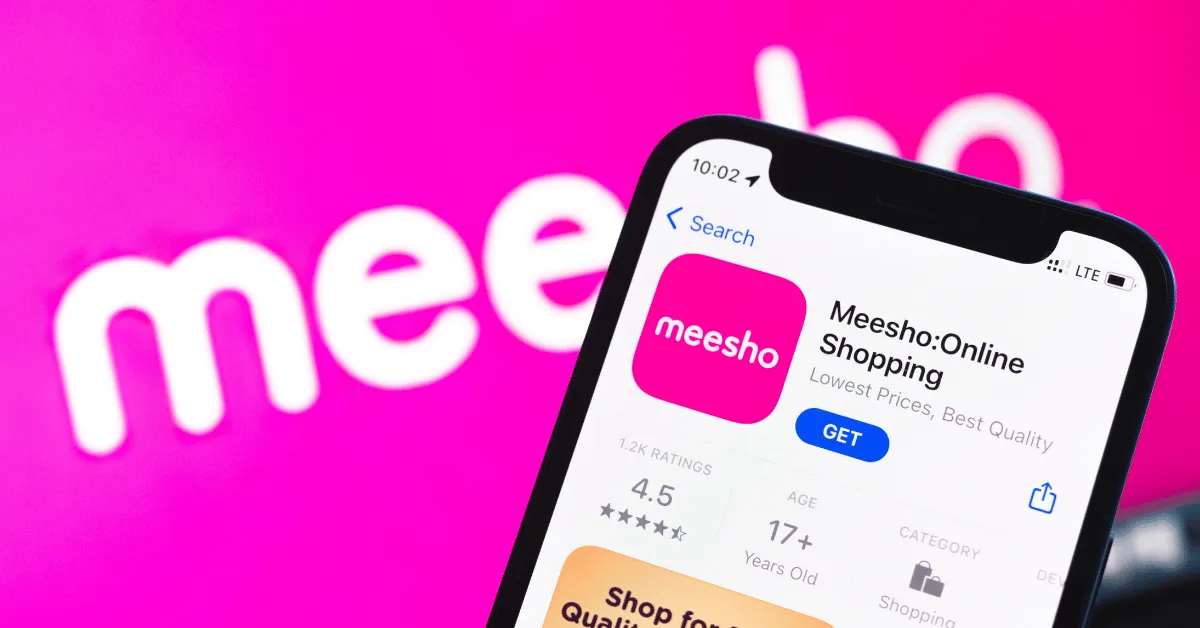
Meesho shares surged up to 8% after the company reported an 88% year-on-year decline in Q4 net loss to ₹166.3 crore, alongside 47% growth in operating revenue to ₹3,531.2 crore. Although expenses rose, margins improved with rising NMV and order volumes. The firm also announced up to ₹100 crore investment in Meesho Payments, while brokerages cited improving profitability and platform reliability from AI-driven experiments.
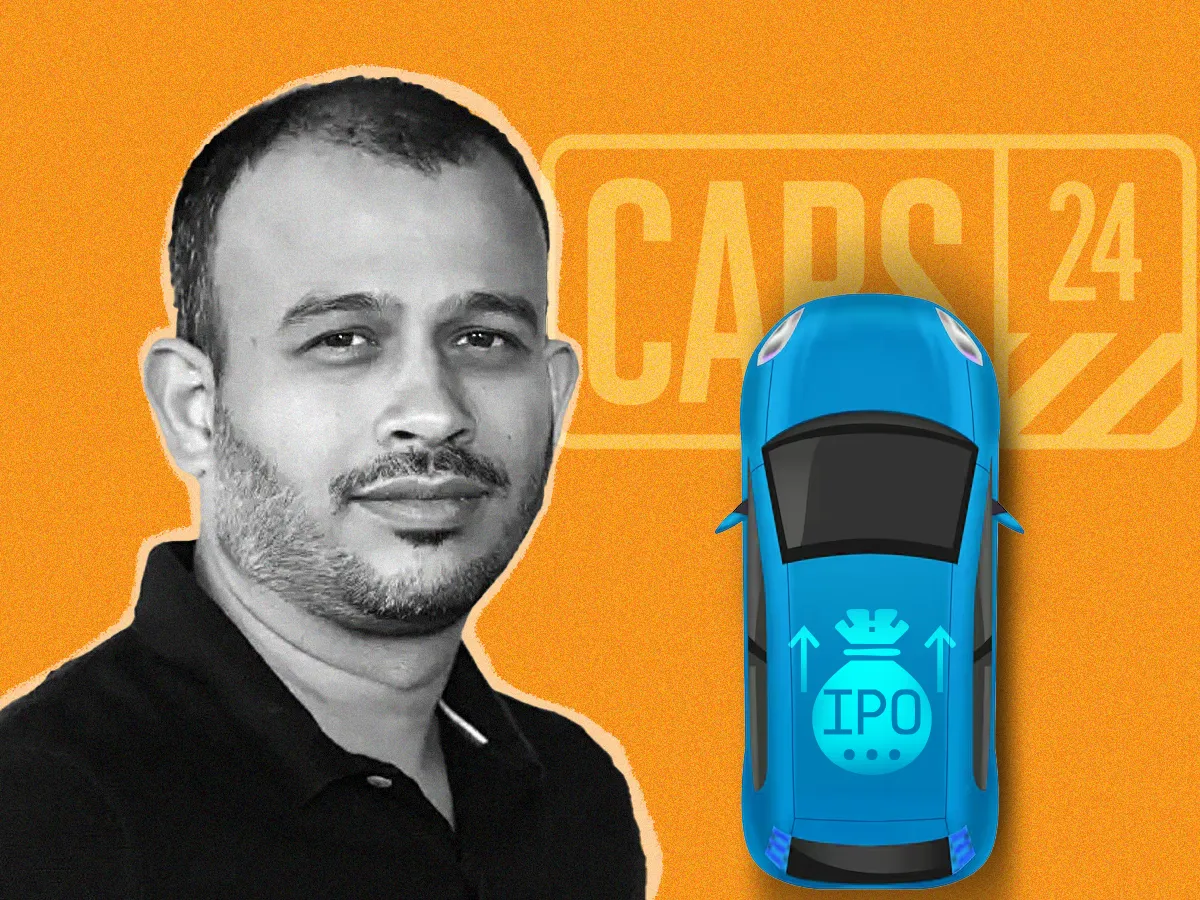
Cars24’s FY26 numbers show a strong turnaround: revenue rose 27% to Rs 1,411 crore and operating losses narrowed by 36%. The company reported EBITDA positivity in January, attributing the shift to AI adoption that reduced marketing and tech costs. Loan disbursals also climbed 57%, adding momentum to its growth story.
Swipe through stories, personalise your feed, and save articles for later — all on the app.