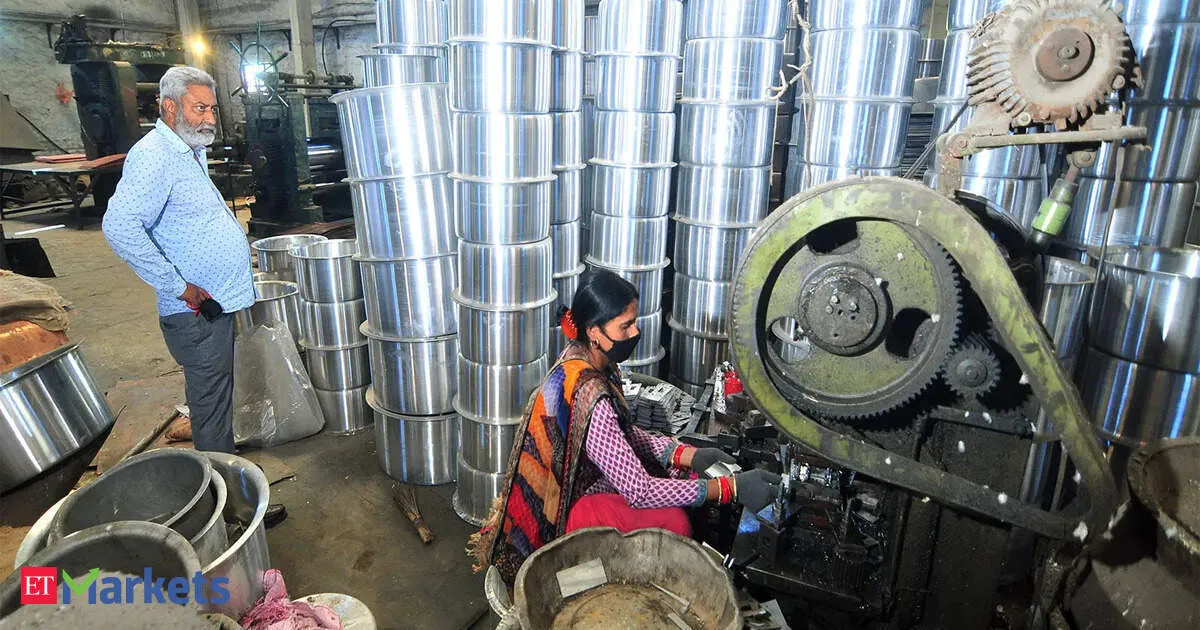
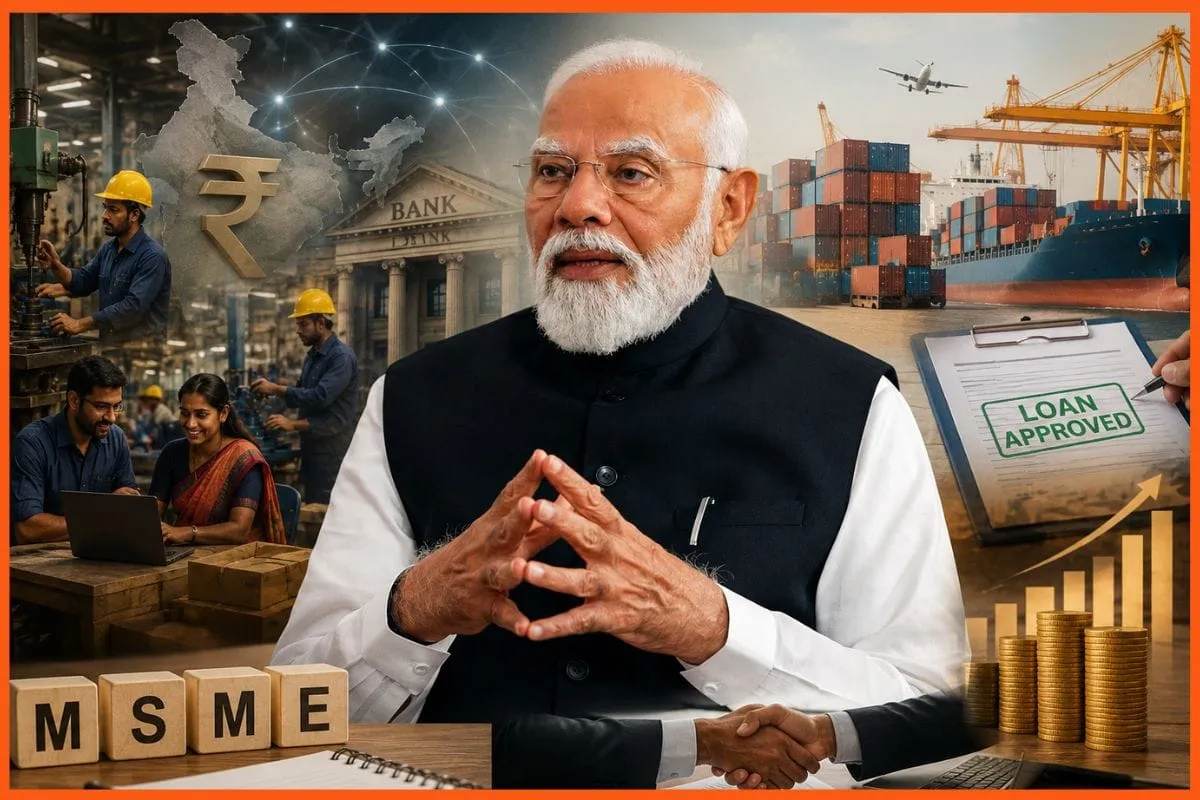
The government’s Emergency Credit Line Guarantee Scheme 5.0 is designed to strengthen credit availability, especially via mid-sized banks with heavy exposure to micro, small and medium enterprises. By using government guarantees to reduce lender risk, the scheme is expected to unlock more lending and improve the flow of funds to a sector central to jobs and growth.
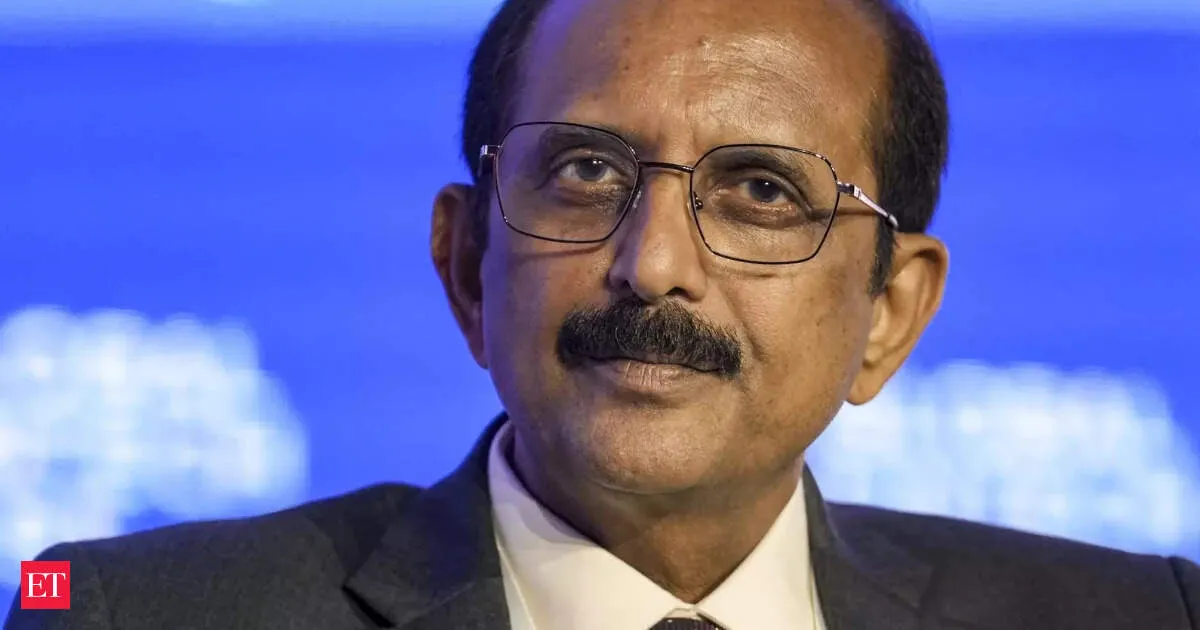
The government has launched ECLGS 5.0 to support MSMEs and the airline sector, providing extra credit of Rs 2.55 lakh crore. State Bank of India is expected to play a major role, with Chairman CS Setty indicating SBI could contribute roughly Rs 70,000 crore to Rs 80,000 crore, aiming to accelerate recovery and sustained lending.
Your news, in seconds
Get the Beige app — every story in 60 words, updated hourly. Free on iOS & Android.
ECLGS 5.0 is designed to cushion MSMEs from fallout tied to the US Iran war, offering relief intended to ease immediate stress. But industry voices are questioning whether the scheme truly helps businesses in practice, warning that moratorium terms could delay payments without reducing long term pressure. The real test: how workable these conditions are for small firms.
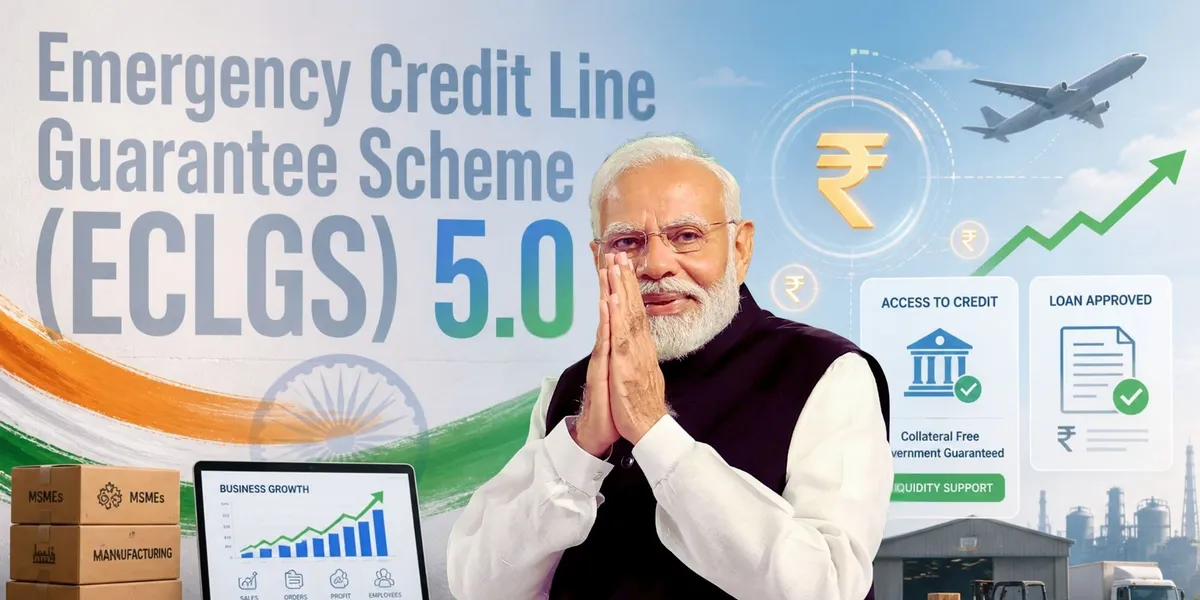
The Union Cabinet has approved ECLGS 5.0, a new Emergency Credit Line Guarantee Scheme aimed at easing credit access for MSMEs and airlines hit by disruptions tied to the West Asia crisis. The government expects up to Rs 2.55 lakh crore in credit support, including Rs 5,000 crore for airlines, backed by guarantees, capped lending rates, and extended repayment timelines.
India has launched Emergency Credit Line Guarantee Scheme 5.0 to shield MSMEs hit by the Iran war fallout. The programme offers eligible businesses a collateral-free working capital top-up of up to 20% of their prior year peak utilisation, backed by a 100% government guarantee for smaller MSMEs. Loans come with a one-year principal moratorium and five-year repayment tenure.
RBI’s monetary policy measures, including ECLGS, helped revive lending momentum for MSMEs. Credit to industry rebounded to 6.5% in February 2022 from just 1.0% a year earlier, supported by stronger flows to micro and small businesses and improving conditions in large industry. The turnaround is credited to policy-linked credit interventions.
Never miss a story
Set alerts for the topics and sources you care about. Download Beige for free.
Swipe through stories, personalise your feed, and save articles for later — all on the app.