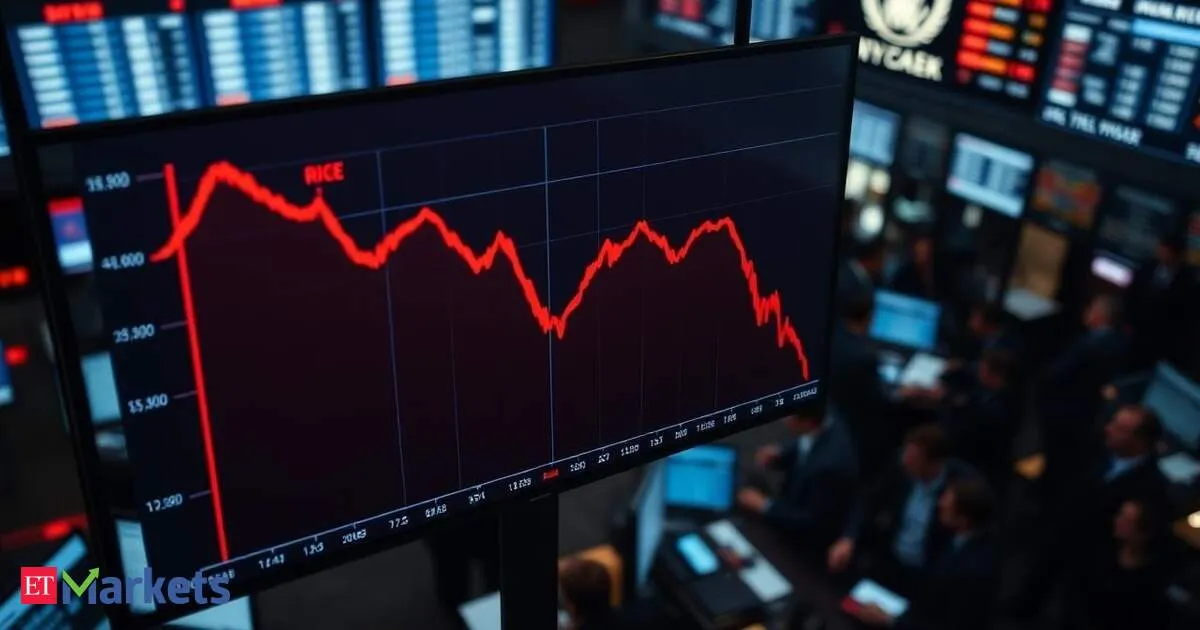
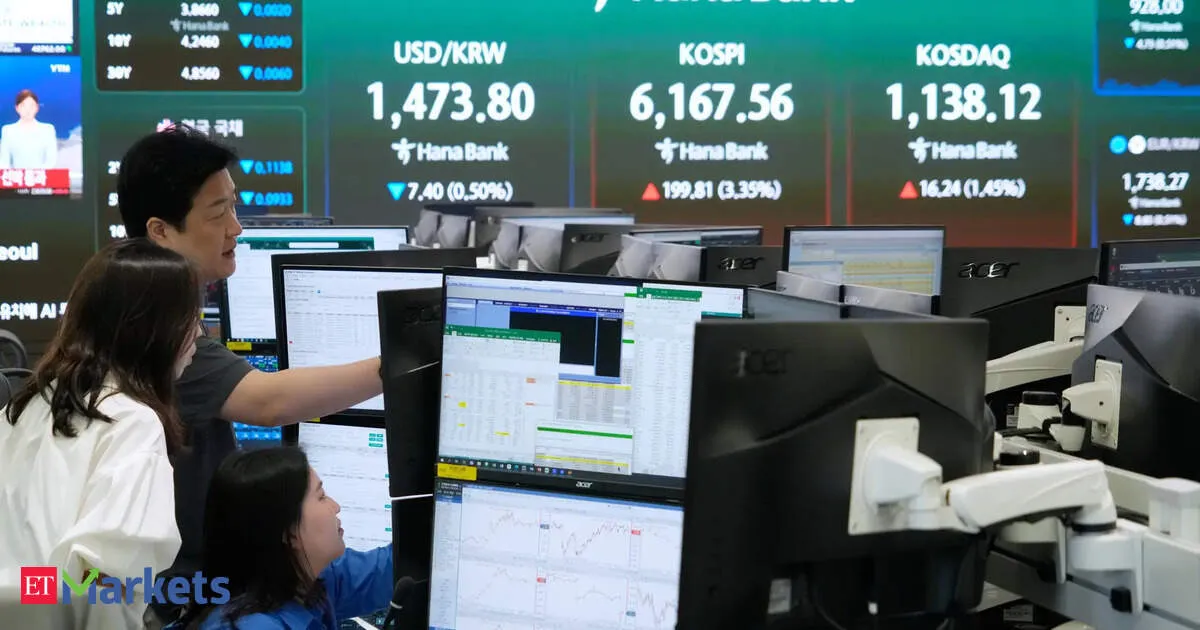
European stocks are losing momentum as investors pivot from cheap regional equities to the AI trade and worry about a global energy shock. The Stoxx Europe 600 has fallen behind the US and Asia because Europe’s economy is exposed to inflation and supply-chain disruptions from the Middle East conflict, and because its benchmarks contain too little AI-heavy exposure. Even with earnings growth expected, forecasts may be cut as energy hits and higher European borrowing costs threaten growth.
European shares tumbled on Friday as a deadlock in U.S.-Iran talks hit risk appetite, rattled energy markets, and revived slowdown concerns. Trump said his patience with Iran is running out after agreeing with Xi Jinping that Tehran must not obtain nuclear weapons and should reopen the Strait of Hormuz. Global bonds fell and oil rose. U.S. and European inflation prints this week pointed to the Iran war’s effects in consumer and producer prices, boosting expectations of further ECB tightening.
Your news, in seconds
Get the Beige app — every story in 60 words, updated hourly. Free on iOS & Android.
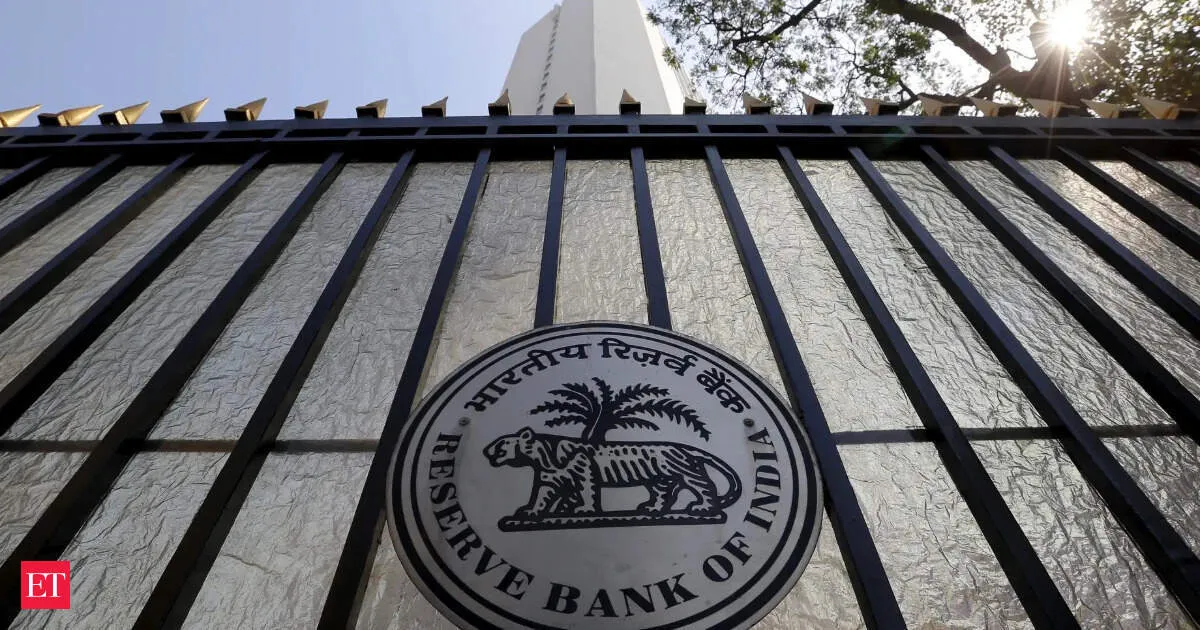
Foreign currency borrowing by Indian corporates dropped sharply in March, falling 51% to $5.43 billion from $11.04 billion a year earlier. RBI data points to higher interest rates, a weakening rupee, and especially rising hedging costs that made overseas loans less attractive. Even FY26 figures reflect the slowdown, with ECBs and FCCBs down 30% to $42.87 billion. Instead of borrowing at higher costs, many firms allowed annual limits to lapse.
Indian companies and lenders cut foreign borrowing filings sharply in March, with ECB intentions falling to USD 5.43 billion. RBI data points to global financial market uncertainty behind the slowdown. While the figure is down from last year’s level, it is still higher than February’s filings, even as major firms moved ahead with new projects and loan refinancing.
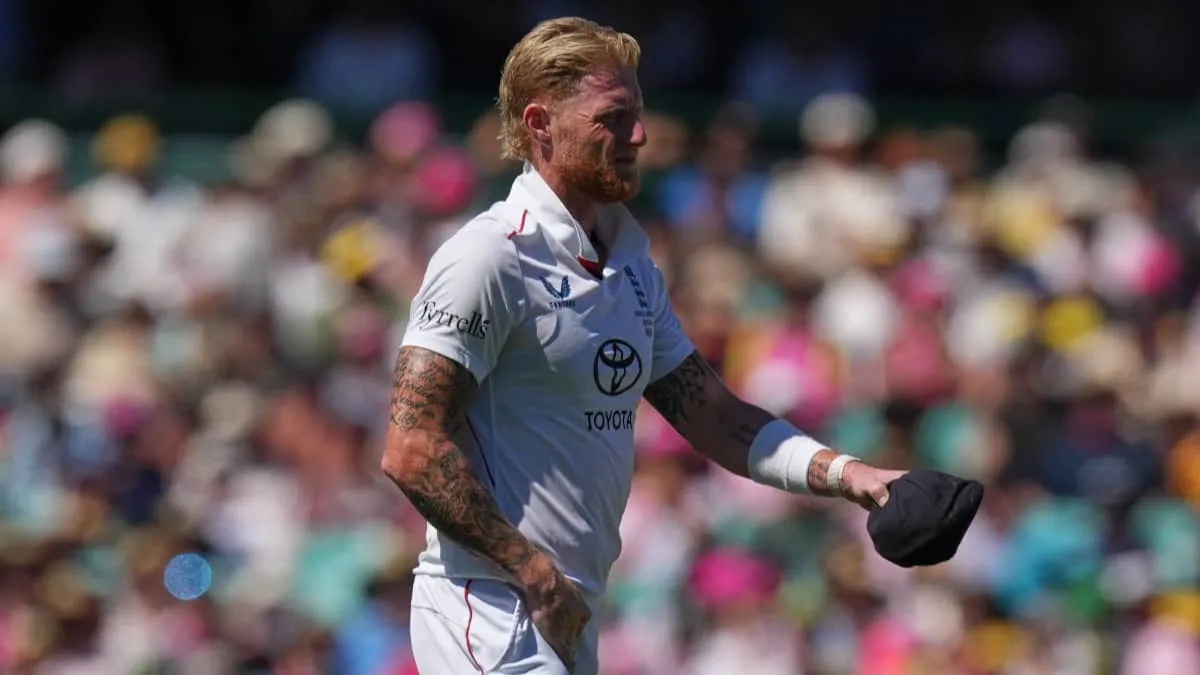
The ECB has picked three uncapped players—wicketkeeper-batter Thomas Rew, top-order batter Emilio Gay and fast bowler Sonny Baker—for England’s 15-member squad for the opening Test against New Zealand at Lord’s. The maiden call-ups add fresh faces to the side as England prepare for their first Test challenge against the visitors.
Euro zone bond yields surged as optimism around a U.S.-Iran peace deal faded, leaving investors to price in three European Central Bank rate hikes this year. Higher oil prices and fresh geopolitical uncertainty weighed on sentiment, while German inflation held at 2.9% in April—adding pressure to expectations for tighter ECB policy.
Never miss a story
Set alerts for the topics and sources you care about. Download Beige for free.
IIFL Finance plans to raise up to $400 million via external commercial borrowings, with Standard Chartered, JPMorgan, and HSBC arranging the deal. The company’s earlier March attempt did not go through, but improving investor sentiment and strong momentum in its gold loan business have strengthened its funding outlook.
Euro zone government bond yields edged lower as oil prices fell after a sharp selloff, easing immediate market pressure. Traders are also focused on developments in the Strait of Hormuz, where geopolitical risk can quickly change energy costs and inflation expectations. That uncertainty is shaping expectations for the ECB, which debated rate hikes last week and may need tightening in June.
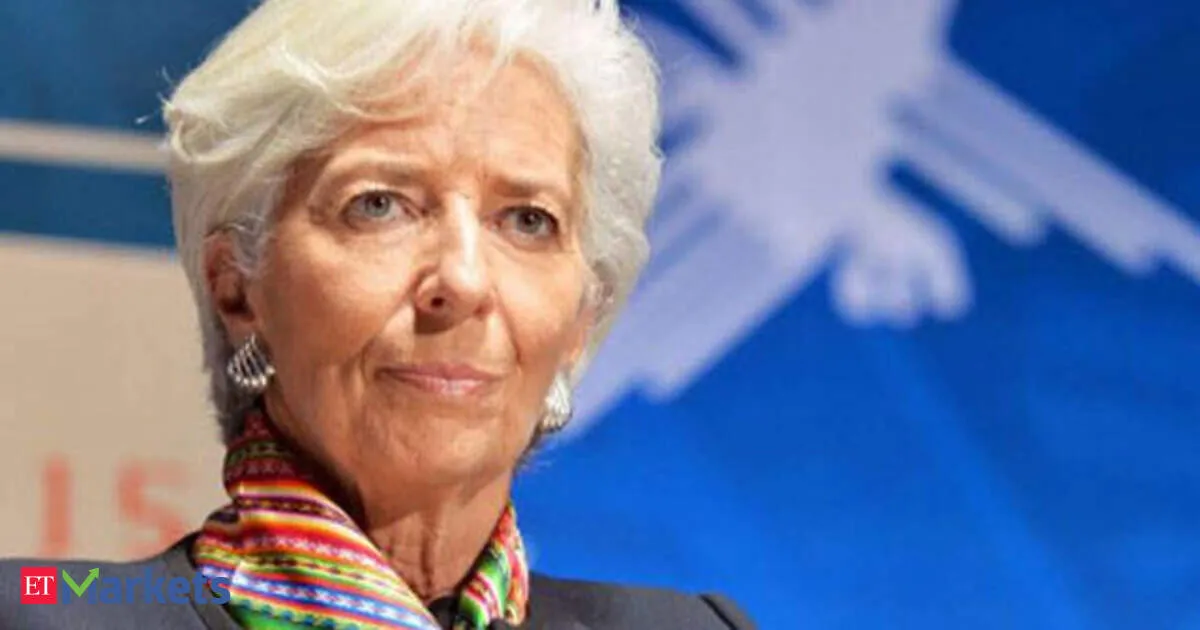
ECB President Christine Lagarde dismissed stagflation worries in the euro zone, saying today’s conditions don’t match past stagflation patterns. The ECB kept interest rates unchanged and projected only modest growth, even as inflation pressures persist and the balance of risks to both growth and inflation has worsened.
Swipe through stories, personalise your feed, and save articles for later — all on the app.