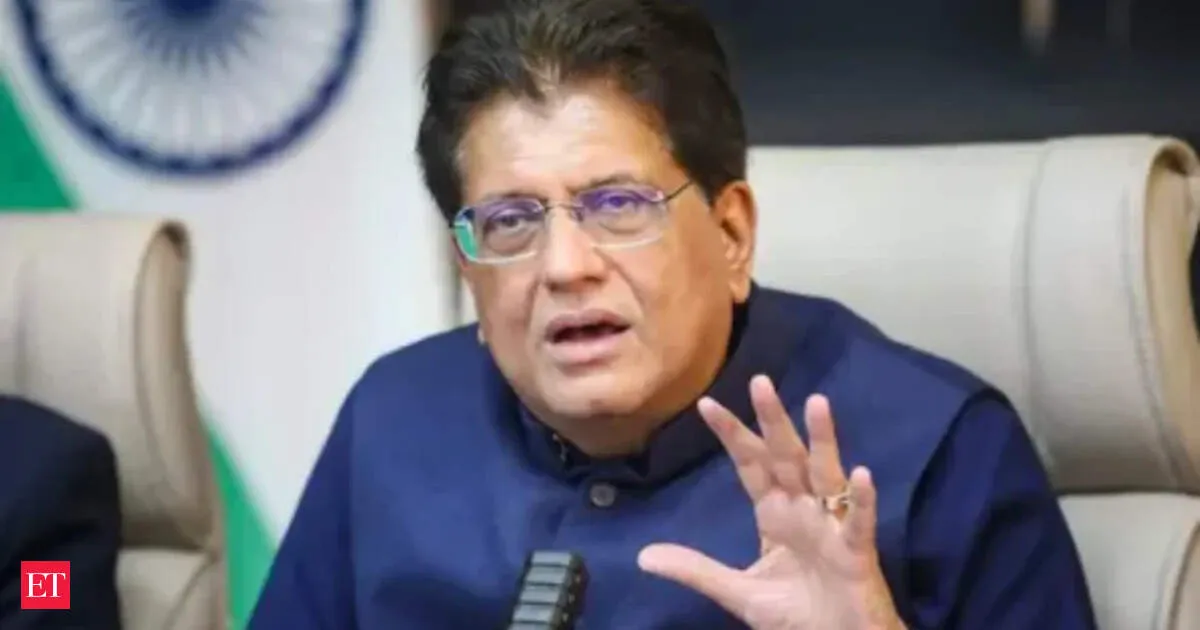
The Union Commerce and Industry Ministry is planning to co-locate its scattered regional offices in Mumbai into a single location to boost efficiency and reduce administrative costs. After a meeting with senior officials, Minister Piyush Goyal said around 20 offices across 12 organisations currently operate at different sites, occupying lakhs of square feet and carrying separate housekeeping, security and admin expenses. The plan aims to create a one-stop ecosystem for exporters, MSMEs and startups, with modern conferencing to connect businesses to 46 organisations.
SEBI plans to expedite simplification of market regulations, with Chairman Tuhin Kanta Pandey saying the focus will be ease of doing business for all market participants. The regulator will also invest in technology to strengthen supervision. The effort aims to remove friction, support market development, and contribute to faster economic growth.
Your news, in seconds
Get the Beige app — every story in 60 words, updated hourly. Free on iOS & Android.
The government says it is redefining what qualifies as a “small company” to improve the business climate and reduce compliance load for law-abiding firms. The move is aimed at making it easier for smaller operators to comply with rules and regulations, potentially changing which businesses benefit from exemptions and simplified processes.
India’s drug regulator has accelerated pharma innovation by cutting approval timelines by more than half. Clinical trial approvals will now take about 120-135 days, while marketing authorisations are cleared in under 150 days. The reforms also remove certain pre-clinical approval requirements, aiming to strengthen ease of doing business and speed product delivery.
The government is preparing a major overhaul of GST provisions after five years, aiming to make compliance easier for small businesses. The key shift: separating minor offences from willful evasion of duty, reducing disproportionate consequences. If implemented, many businesses could see relief from harsh action tied to technical or low-severity mistakes, focusing enforcement on genuine tax fraud.
The government’s Jan Vishwas Bill seeks to decriminalise minor offences to improve India’s business climate. Instead of jail terms, many violations would be handled through fines, easing pressure on companies and reducing workload for courts. The reform is designed to modernise outdated laws and build a simpler, more effective regulatory framework that supports growth and smoother governance.
Never miss a story
Set alerts for the topics and sources you care about. Download Beige for free.
DPIIT secretary outlined the push to simplify governance for businesses and improve ease of living. The department previously identified about 32,000 compliances, and claims that roughly 26,000 have already been reduced. Of the remaining 6,000, around 3,500 reportedly do not actually need to be reduced, narrowing the true reform workload.
Ladakh is overhauling its tourism and hospitality regulations under Lieutenant Governor Vinai Kumar Saxena. The reforms aim to improve “ease of doing business” by extending tour operator registration validity to five years, merging specialised travel registrations, and replacing hotel classifications with a single streamlined licensing system. The move is expected to speed up compliance and reduce bureaucratic delays for businesses.
Swipe through stories, personalise your feed, and save articles for later — all on the app.