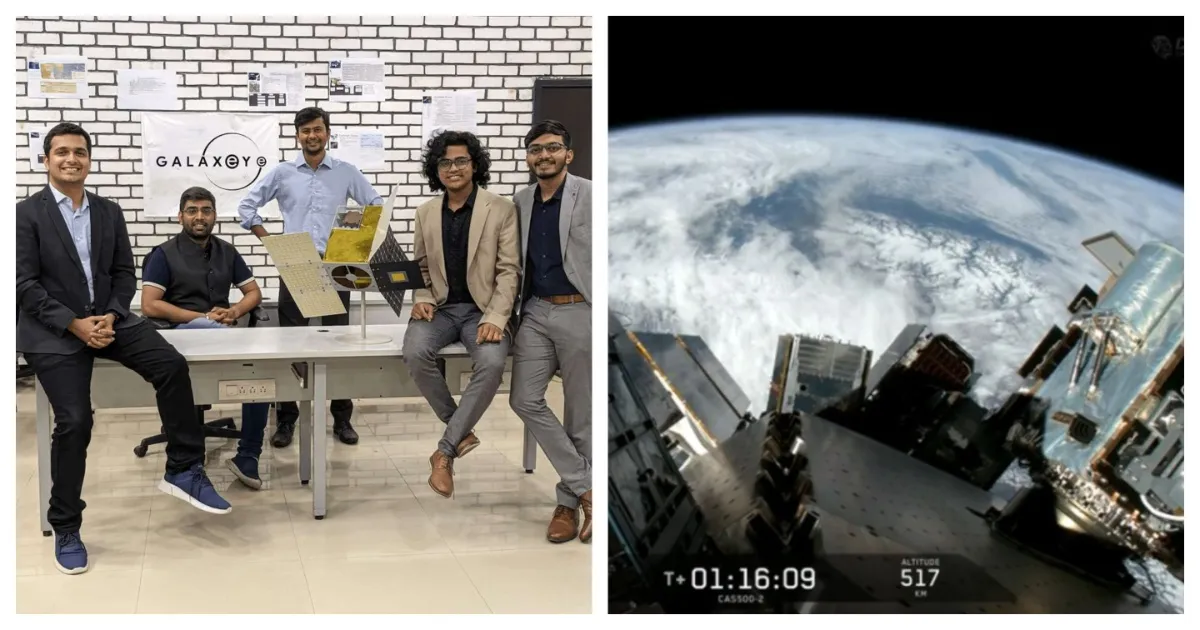
SpaceX’s Falcon 9 launched Bengaluru startup GalaxEye’s Drishti, the world’s first OptoSAR satellite combining electro-optical and synthetic aperture radar in one platform. Built for all-weather, day-and-night Earth observation, it can deliver consistent, sharp imagery even through clouds, smoke, and rain. With AI processing onboard and strong radar resolution, it targets defence, disaster response, and high-frequency monitoring.
Pixxel and Sarvam have formed an alliance to build India’s first orbital data-centre satellite, launching a 200 kg-class Pathfinder by Q4 2026. The satellite will carry data-centre-grade GPUs and hyperspectral imaging to run full-stack language models in orbit for training and inference. The goal: cut data lag and reduce dependence on energy-hungry ground infrastructure.
Your news, in seconds
Get the Beige app — every story in 60 words, updated hourly. Free on iOS & Android.
Prime Minister Narendra Modi praised GalaxEye’s Mission Drishti after its OptoSAR satellite entered orbit, combining electro-optical imaging with radar in a world-first design. The data is expected to support defense, agriculture, and disaster management. GalaxEye also plans to build a constellation of 10 satellites by 2030 to boost India’s earth observation capabilities.
Spacetech startup GalaxEye has successfully launched its first Earth observation satellite, Mission Drishti, aboard a SpaceX Falcon 9. Built over five years, the 190 kg spacecraft pairs electro-optical and SAR sensors to capture high quality imagery in all weather, day or night. The company says it will sell satellite data to clients worldwide.
Bengaluru-based startup GalaxEye Space Solutions has launched Mission Drishti on a SpaceX Falcon, aiming to deliver advanced optoSAR imaging. The mission is being billed as a world first, leveraging a hybrid approach that pairs optical imaging with radar capability. That mix could improve Earth observation by working through cloud cover and varying weather conditions.
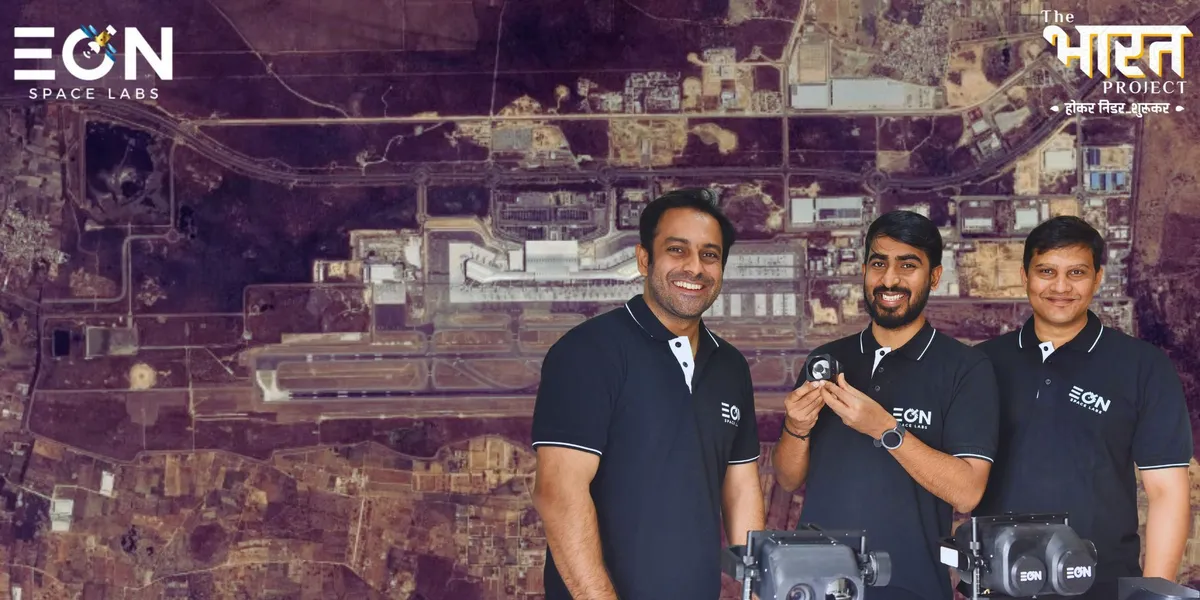
EON Space Labs, founded in 2022, is closing India’s optical payload gap by designing lightweight EO and IR imaging systems. Its MIRA telescope—just 502 grams—flew on PSLV-C62 in Jan 2026, reducing dependence on imported optics with long lead times. The company is now scaling manufacturing with a planned Rs 120 crore facility and aiming for larger contracts and recurring upgrades.
Never miss a story
Set alerts for the topics and sources you care about. Download Beige for free.
ISRO and Europe’s ESA have signed a new agreement to deepen their joint Earth observation work. The deal focuses on calibration, validation, and scientific studies, building on decades of cooperation between the agencies. Upcoming missions, including ESA’s FLEX, are expected to benefit from the stronger collaboration and help pave the way for future shared space science efforts.
SatLeo Labs, an IN-SPACe incubated spacetech startup, has raised $2.2 million from Unicorn Ventures to build a multi-spectral satellite constellation. Co-founded by Shravan Singh Bhati, Ranendu Ghosh, and Urmil Bakhai, the system aims to deliver high-resolution, continuous earth observation data for climate monitoring, defence, agriculture, and disaster response.
Swipe through stories, personalise your feed, and save articles for later — all on the app.