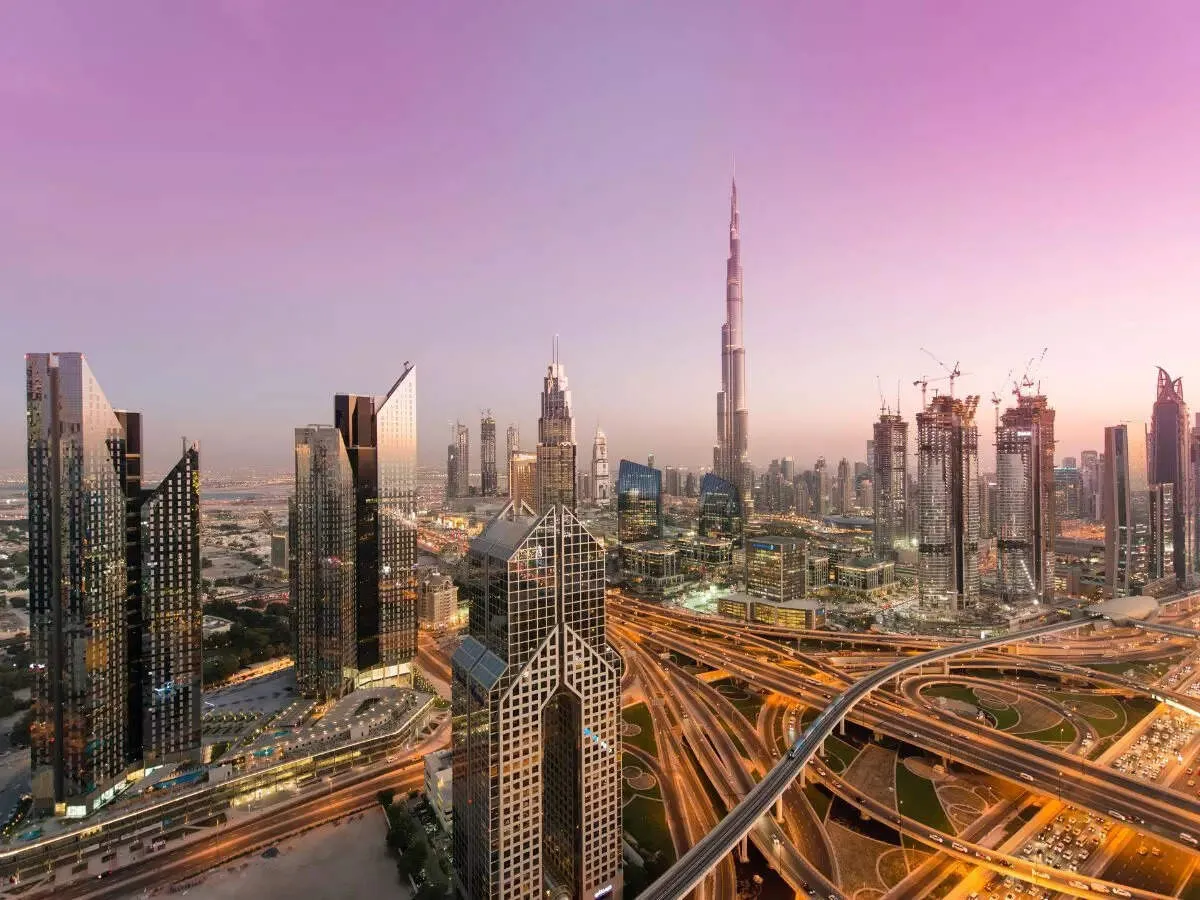
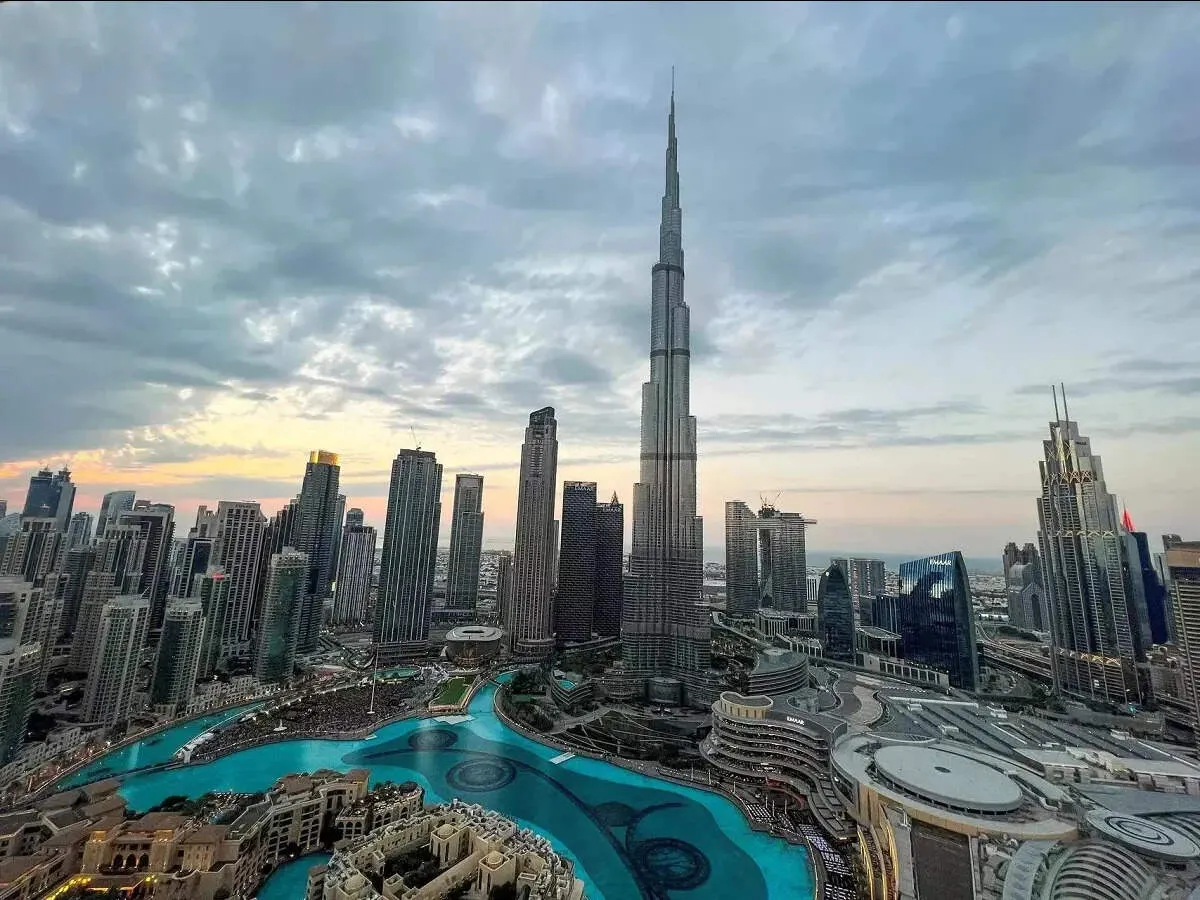
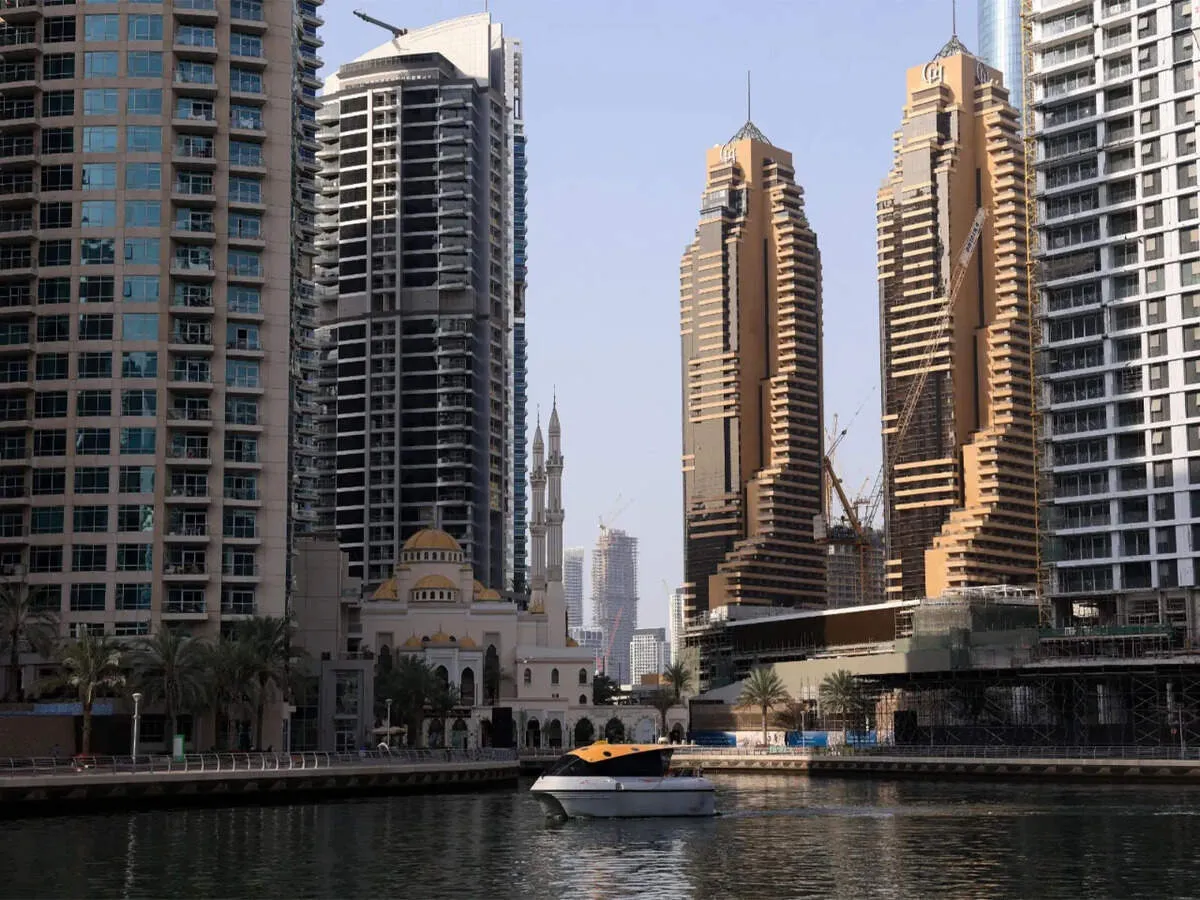
The West Asia conflict is reshaping Dubai’s fast-moving property pipeline, with developers warning of 6 to 9 month handover delays driven by disrupted imports, cost overruns, and tighter bank financing. Of roughly 45,000 units targeted for 2026 handovers in Dubai, about half are now expected to move into 2027 or beyond. Construction costs have climbed nearly 30%, ports remain open but shipping services are rerouted, and many projects still sit early in the build phase. Financing tied to escrow is getting harder to access as banks raise underwriting standards.
Tensions in West Asia are rippling into the UAE housing market, with Dubai developers reporting major delivery delays for new homes. Supply chain disruptions and rapidly rising construction costs are delaying project timelines and raising uncertainty for buyers. The slowdown signals how geopolitical instability can quickly affect real estate financing, materials availability, and construction schedules.
Your news, in seconds
Get the Beige app — every story in 60 words, updated hourly. Free on iOS & Android.
A new report says Sudan paramilitary leader Hemedti and associates own more than 20 luxury properties in Dubai, with wealth reportedly linked to smuggled gold from Sudan. The UAE is described as a safe haven for the assets, contrasting sharply with the country’s continuing humanitarian crisis. The family denies wrongdoing, claiming lawful acquisition.
Bollywood action star Tiger Shroff has reportedly bought a prime luxury waterfront apartment in Dubai’s Maritime City area, part of Danube Properties’ Breez project. The residence offers sea views and close access to major landmarks. Shroff called Dubai his “second home,” pointing to the city’s lifestyle and growth as the motivation behind his significant investment.
Dubai’s property market is showing early signs of strain as the US-Israeli war on Iran rattles sentiment. Transaction volumes have fallen, with some sellers listing properties at discounts. Analysts expect a slowdown and possible price declines, though activity hasn’t stopped entirely—investors are still hunting distressed deals. Developers, meanwhile, are leaning on long-term value.
Geopolitical tensions are prompting Indian investors to reassess Dubai real estate and residency plans, with expectations split between possible price corrections and market stabilization. Dubai’s long-standing appeal as a tax-friendly base and a crypto-friendly hub is also under scrutiny. Upcoming events may determine whether confidence returns—or triggers more cautious buying and weaker sentiment.
Never miss a story
Set alerts for the topics and sources you care about. Download Beige for free.
Dubai’s booming property market cooled for the first time since 2020, with both home prices and sales volume falling in March. Regional conflict has weighed on demand, prompting developers to counter with incentives. Still, some analysts expect end-users to keep buying, though at a slower pace, betting on long-term resilience.
Dubai’s real estate market is facing headwinds as geopolitical tensions hit buyer sentiment, especially among entry-level buyers. Sales are slowing across segments, and deals are taking longer to finalize. To stimulate demand, developers are introducing buyer-friendly packages such as flexible financing and fee waivers, betting incentives can restart stalled transactions.
Real estate transactions in Dubai dropped 14% in early April as West Asia conflict dented buyer sentiment and sharply cooled rental demand. Some smaller developers countered with discounts and more flexible payment plans, while prices largely held steady. After a ceasefire, enquiries reportedly improved, but experts warn deals may take time and prolonged tensions could trigger additional price corrections and slower activity.
Swipe through stories, personalise your feed, and save articles for later — all on the app.