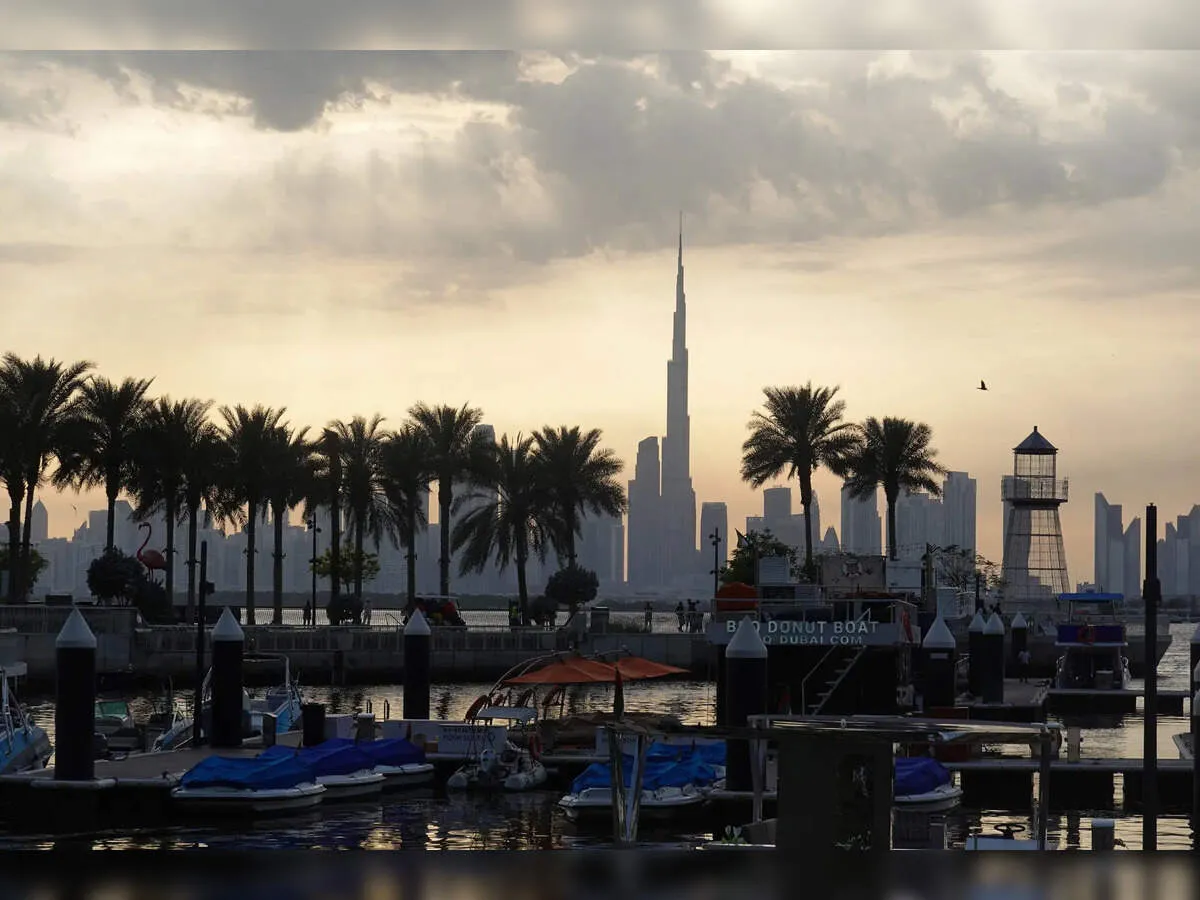
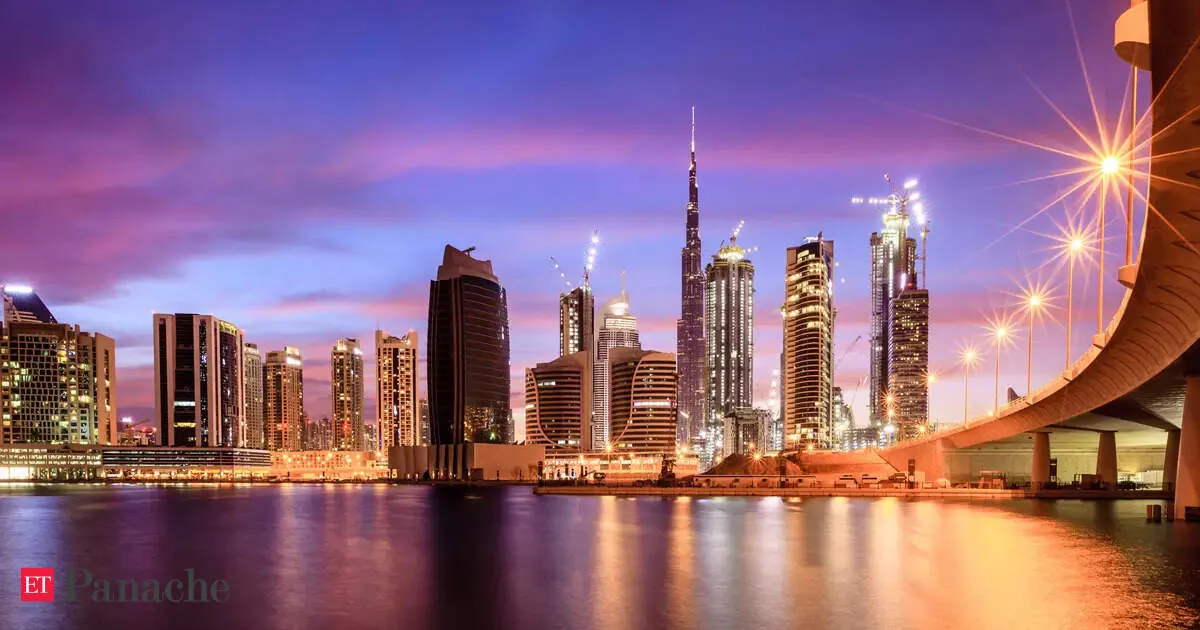
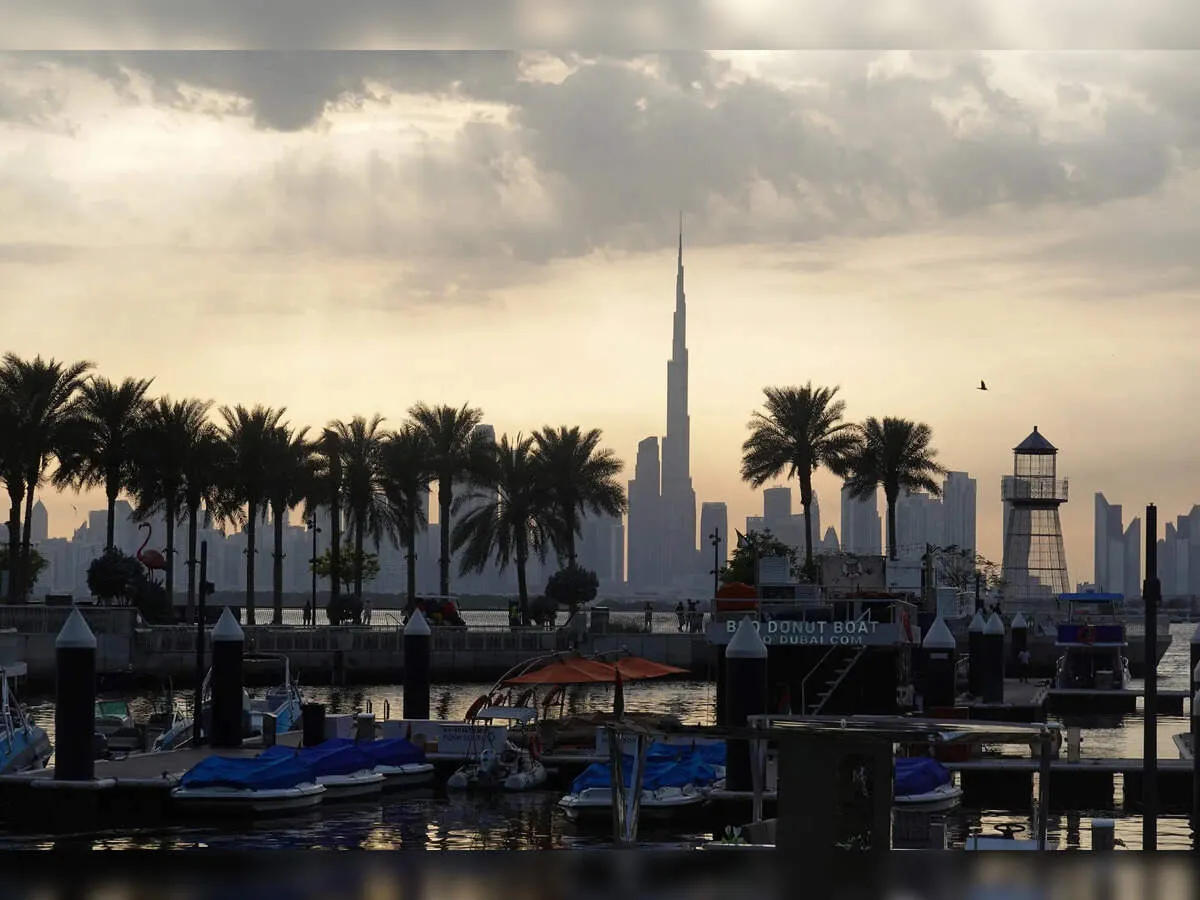
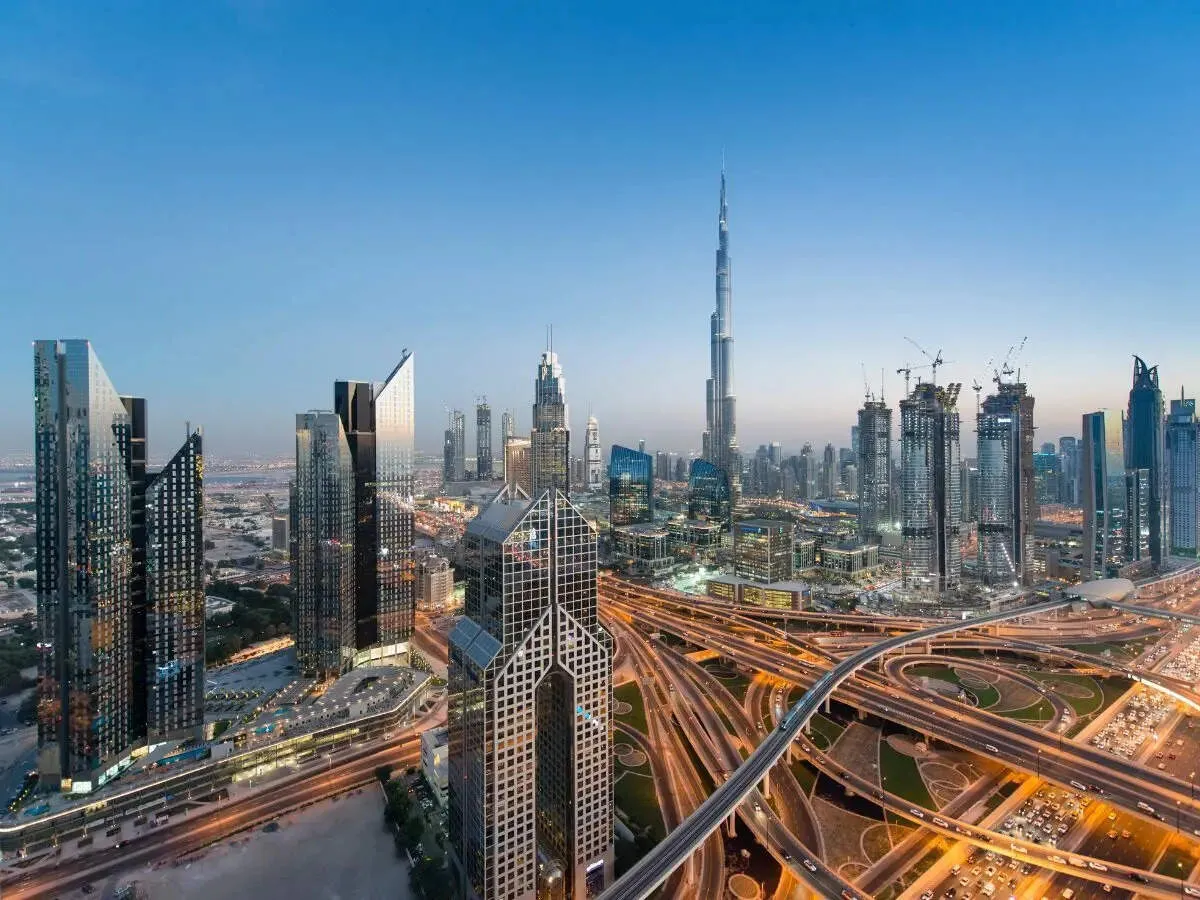
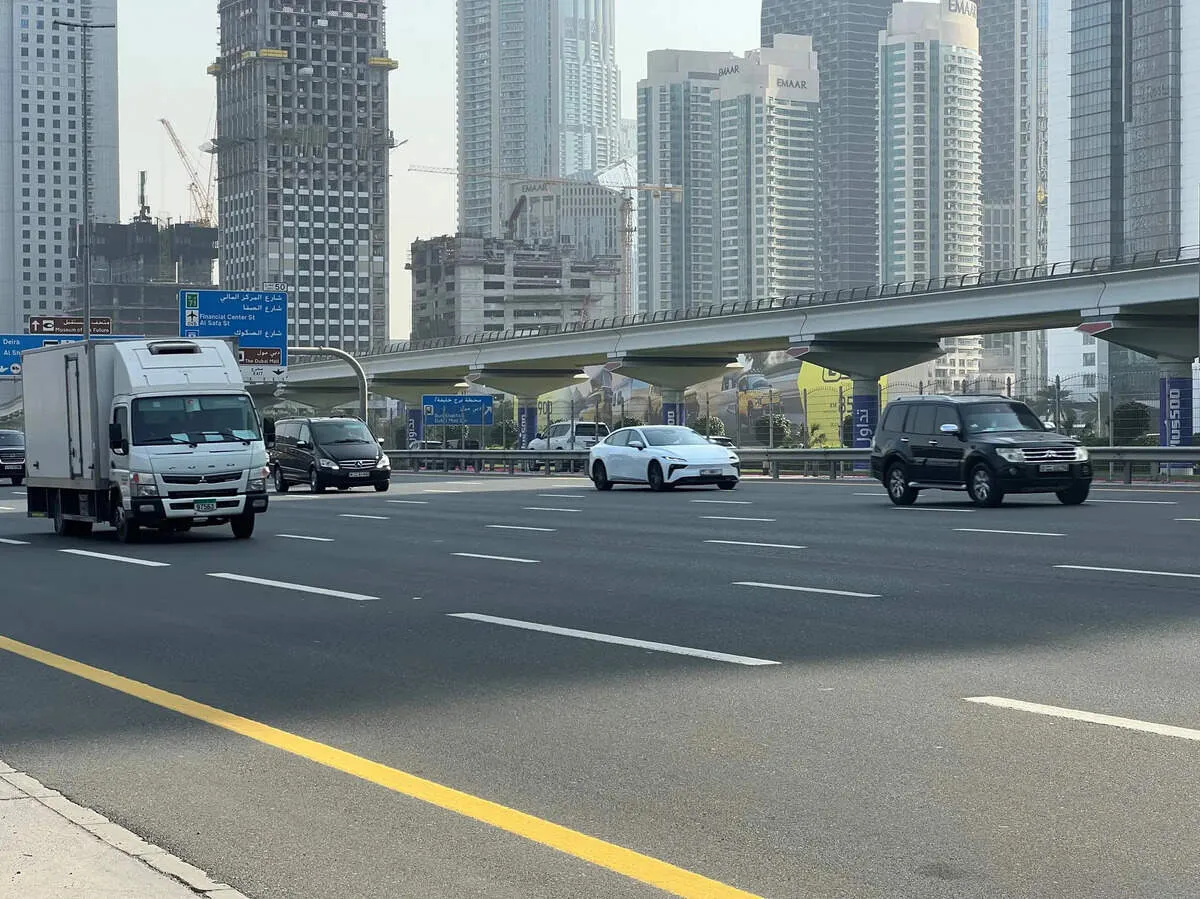
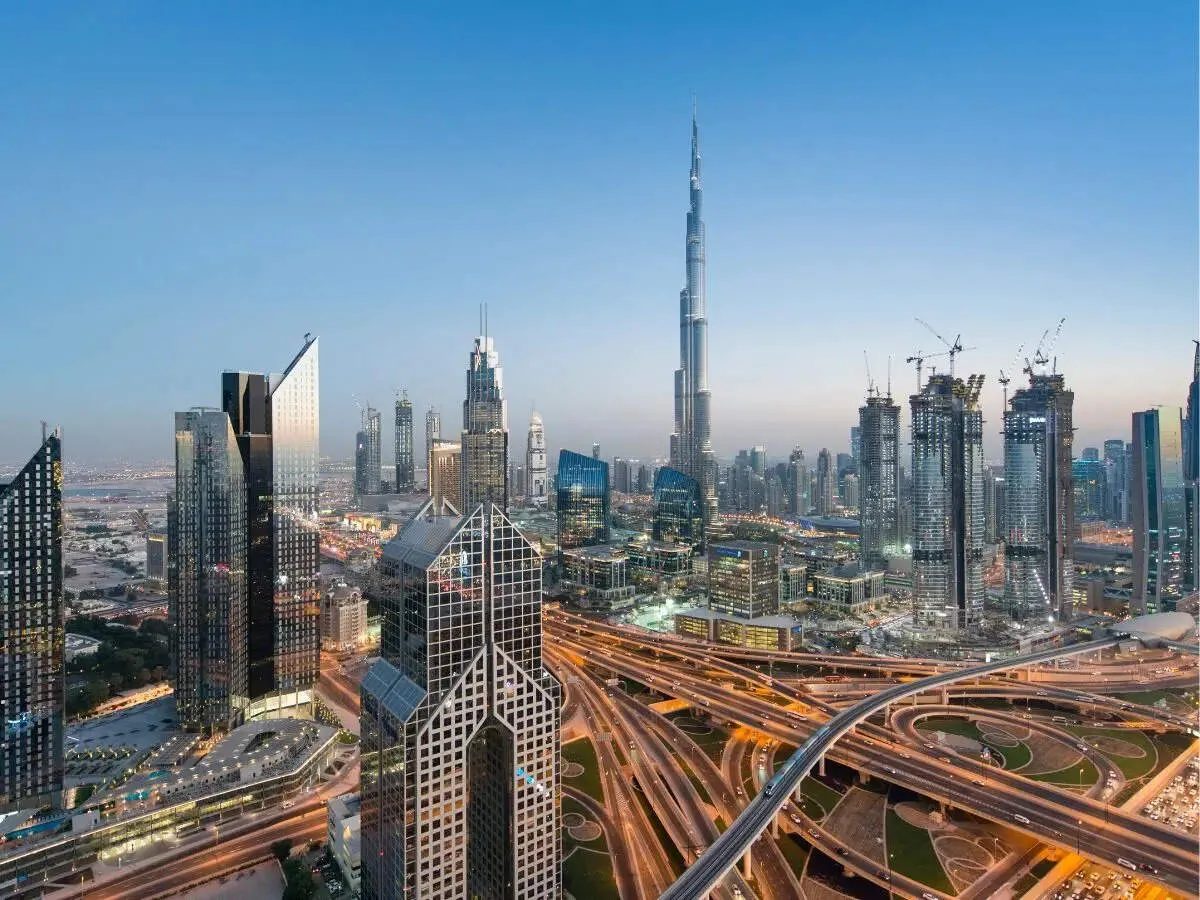
Dubai’s once-strong pitch as a safe financial haven is taking a hit. Regional conflict fears are disrupting transactions, slowing IPO activity and leaving billions in deal value stuck. Even Dubai’s property market and flagship projects are seeing delays and higher costs, pushing investors to demand tougher risk premiums and reassess exposure across the Gulf.
Indian Hotels Company (IHCL) posted Q4 FY26 net profit of Rs 600 crore, up 15% year-on-year, but profit fell 36% sequentially. Revenue grew annually while slipping sequentially. The company pointed to the Iran-US war’s impact on operations, especially in Dubai. With brokerages weighing these mixed signals, IHCL shares came under focus after results.
Your news, in seconds
Get the Beige app — every story in 60 words, updated hourly. Free on iOS & Android.
An Indian sailor died and four others were injured after a wooden dhow carrying 18 Indian crew members caught fire and capsized near the Strait of Hormuz. Seventeen crew members were rescued by a passing vessel, while the injured were taken for treatment in Dubai. Investigators are probing what caused the blaze amid heightened regional tensions.
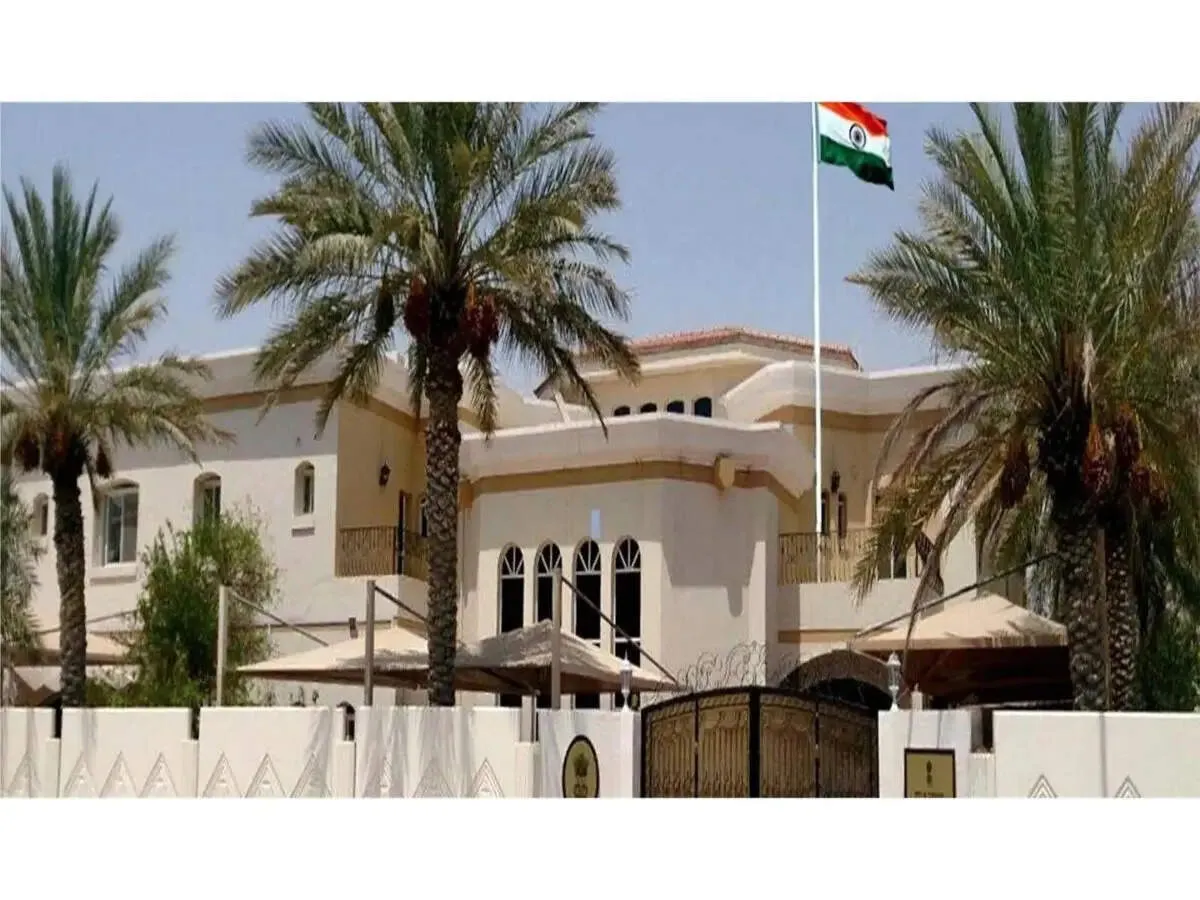
The Supreme Court refused to directly take up an Indian engineer’s plea from Dubai challenging a travel ban, advising him instead to approach the Indian Embassy in the UAE. Asif Azad appeared by video conference and alleged a drug mafia conspiracy and possible links involving Kerala MLAs, but the court held that diplomatic assistance should be pursued first.
Dubai’s Civil Aviation Authority rolled out new consumer rights for air travelers on April 28, 2026, tightening obligations for airlines. Passengers will get clearer details on ticket pricing, terms and baggage, plus faster updates during disruptions. For delayed or disrupted flights, airlines must provide options such as re-routing or refunds, and extend support with meals and accommodation for long delays.
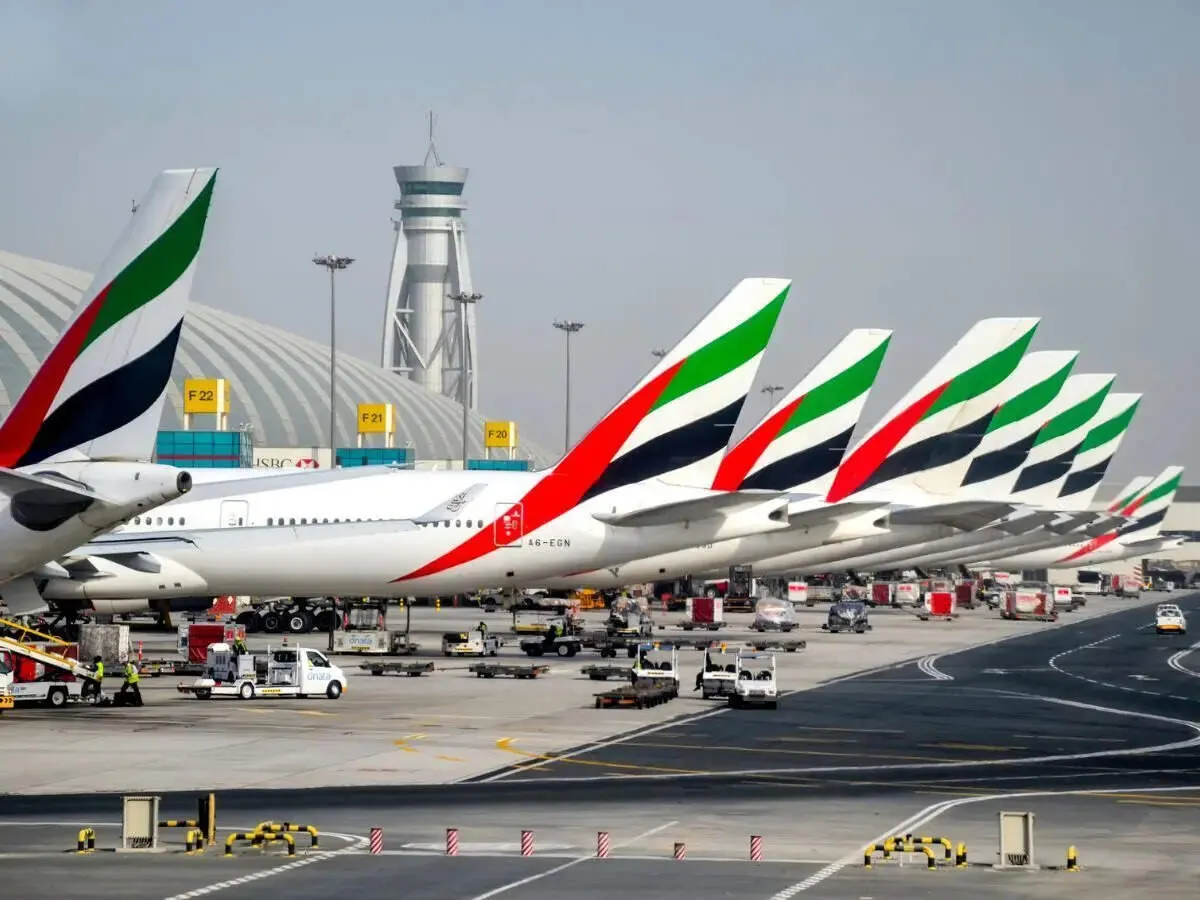
Dubai Airports says it will expand flight operations after the UAE restored full airspace access following weeks of regional disruption. The operator managed more than 6 million passengers and major cargo movements despite the turbulence. With conditions improving, it is now scaling up services and prioritizing uninterrupted global travel as airspace normalizes.
Never miss a story
Set alerts for the topics and sources you care about. Download Beige for free.
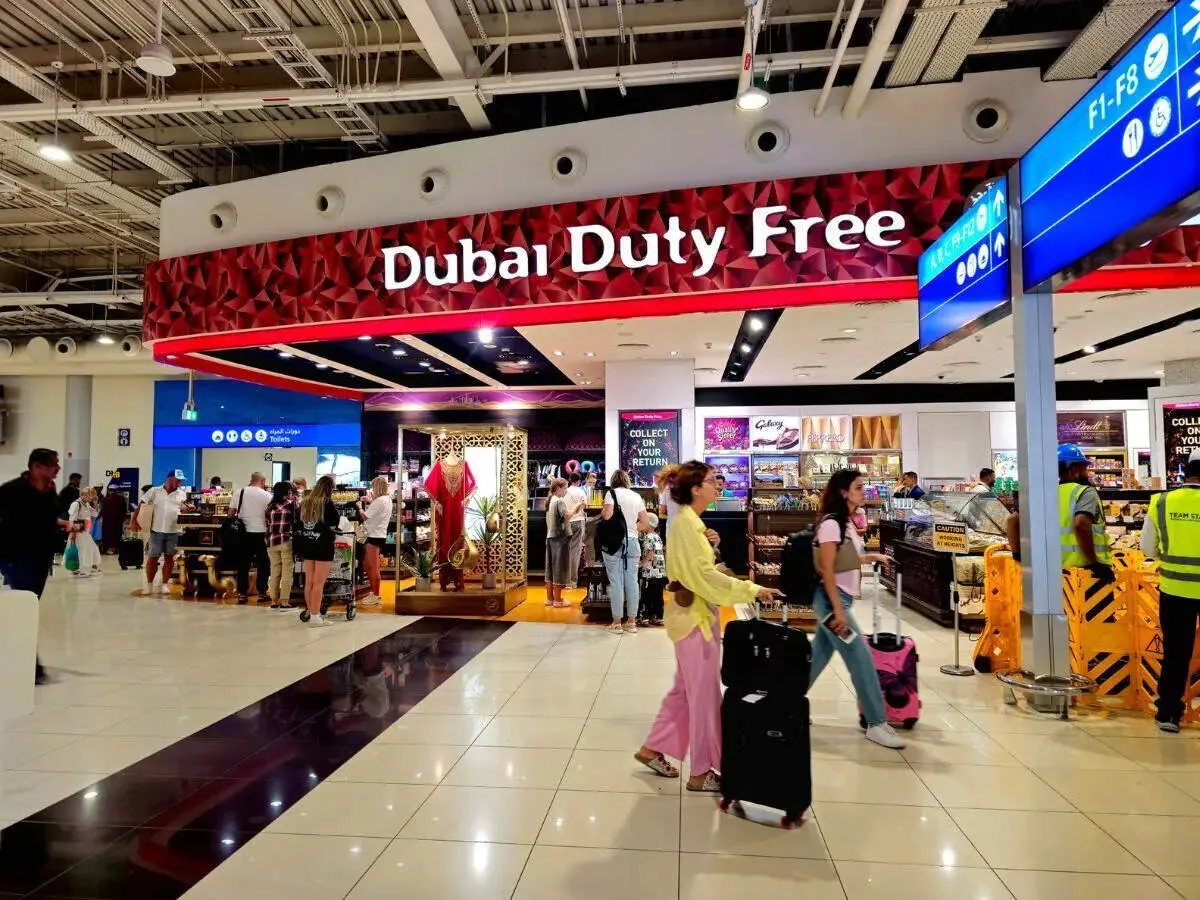
Dubai International Airport saw a dramatic 66% drop in passenger numbers in March, linked to regional disruptions from the Iran Israel war. The setback spilled into the first quarter, with overall traffic falling 21%. Even so, the airport is preparing to ramp up flights as travel restrictions ease, banking on strong demand from key markets including India, Saudi Arabia, and the UK.
India’s second-home market is bouncing back as Non-Resident Indians increasingly favor familiar, stable destinations over volatile Dubai. Demand is rising in hotspots like Goa, Alibaug, and Himachal Pradesh, driven by buyers seeking cultural comfort, emotional security, and steadier investment prospects. The shift signals changing risk preferences amid global uncertainty.
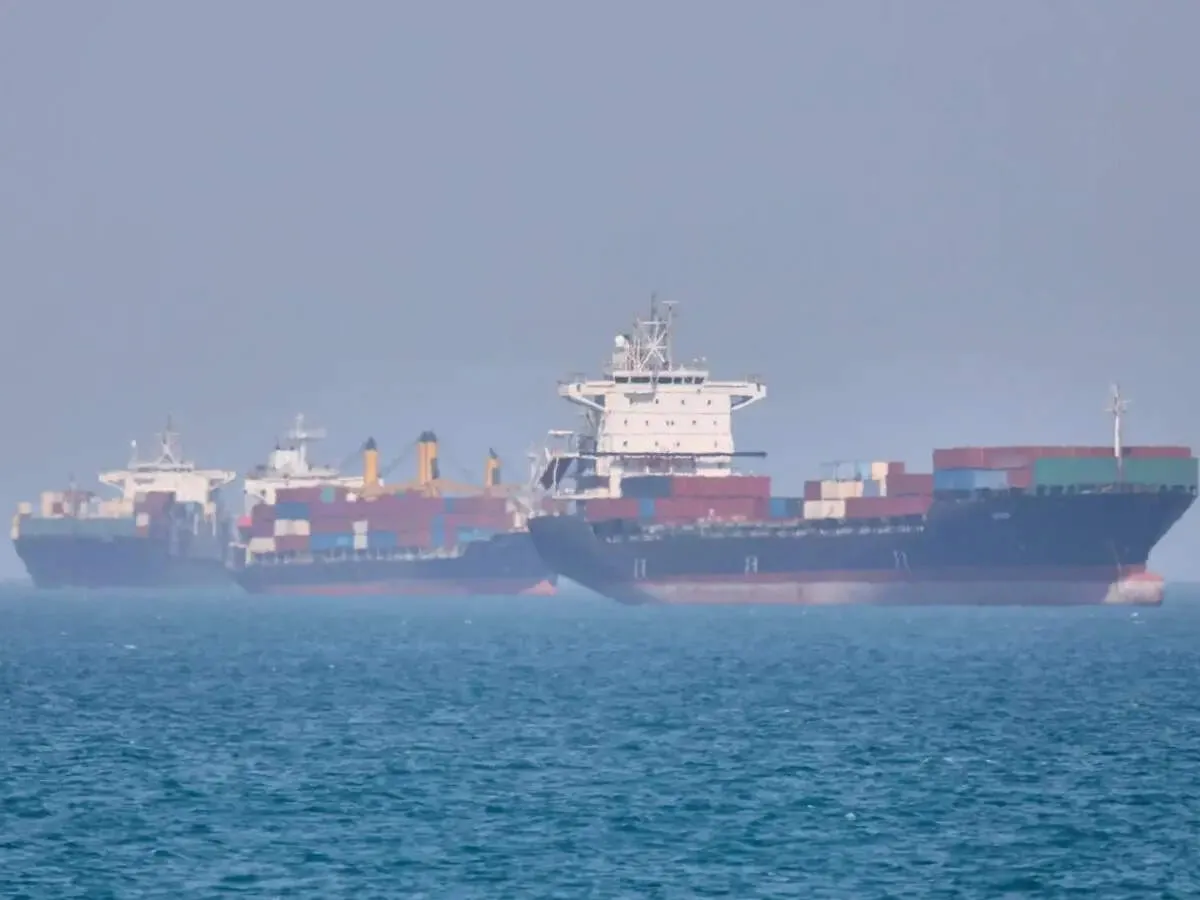
As the Iran war disrupts sea routes, Dubai restaurants are feeling the squeeze. Chefs report difficulty sourcing ingredients such as avocados and tomatillos, while air freight costs climb. To cope, many outlets are cutting staff, scaling back dining options, and redesigning menus with more local produce as authorities step in with support.
Dubai hotel prices stayed largely stable through April despite weakened overall tourism demand amid US-Iran conflict related travel shocks. RateGain data and industry executives say hotels largely held their average rates for new bookings by shifting tactics—launching staycation offers aimed at residents—to partially offset the drop in international visitors.
Reading on mobile?
Open Beige in the app for a smoother experience — free on iOS and Android.
Dubai Land Department has eased rules for a two-year real estate investor residency visa by removing the prior minimum property purchase value for sole ownership. For joint owners, each investor must hold at least a Dirham 4 lakh share. The shift lowers entry hurdles for property-based residency applicants.
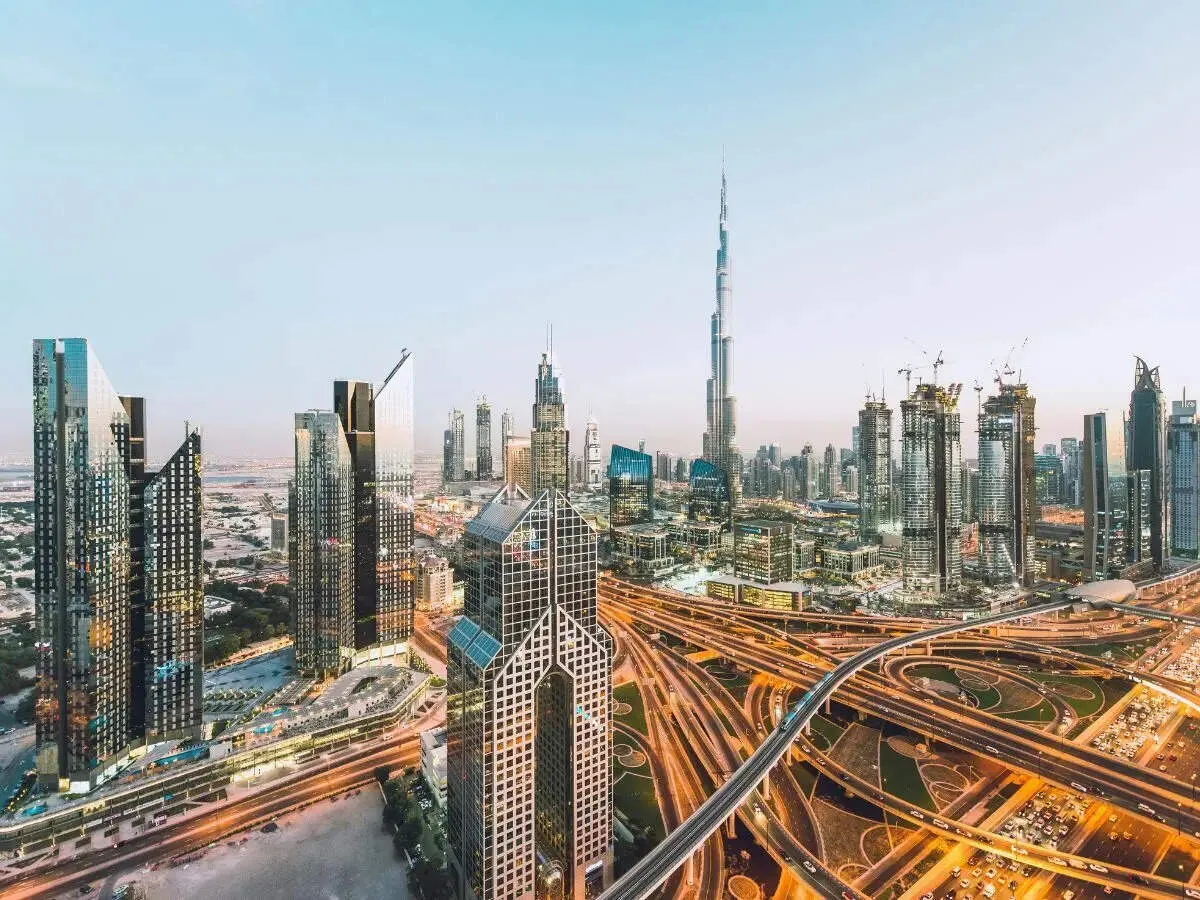
Dubai’s property market is rewarding buyers for location near metro and transit corridors. Areas linked to the metro have recorded price gains of over 26%, reflecting a broader shift where development follows transport lines. As integrated communities form around stations, demand patterns are changing and new localized economic clusters are emerging, accelerating construction and reshaping preferences.
Dubai is accelerating travel upgrades with a Dh34 billion Gold Line metro: a 42km underground network connecting 15 major destinations. Construction momentum is also building on the Blue Line, which is reportedly about 10% complete, alongside an Hessa Street road upgrade designed to sharply reduce journey times. The moves aim to keep pace with fast-growing residents and visitors.
Dubai and Abu Dhabi law firms are urging employees to return to the office after the Iran-related conflict period drove an exodus. Some lawyers who left are reluctant to come back, even as firms offer relocation and financial support. The return-to-office push signals businesses testing normalcy as geopolitical risks appear to ease—raising fresh questions about safety and trust.
Follow your favourite sources
Track sources, tags and categories — all in the Beige app.
Dubai has earned $29.4 billion from international tourists, placing it at the top worldwide for visitor spending, according to the World Travel and Tourism Council. The big question now is whether Dubai’s sustainability initiatives can keep pace with its booming tourism economy—turning glitz into a longer-term, lower-impact model.
Asia’s ultra-rich families are reconsidering Dubai investments and relocation plans as the Iran war raises regional security concerns. Wealth consultants say some clients are postponing moves, reducing exposure, or drawing up contingency plans. The shift reflects how quickly geopolitical risk is reshaping private wealth strategies, even for those with long-standing bases in the emirate.
Dubai has opened its first air taxi station near Dubai International Airport, part of a plan to build four hubs across the city. After successful test flights and trials, the operator is now seeking certification for a commercial launch. The developer will run the service, while regulators manage oversight and integration with broader aviation systems.
Dubai’s real estate transactions have reportedly fallen 14% amid regional conflict, but the city’s standing as a resilient global financial hub is not in question. Its strategic strengths and history of crisis management point to stabilization ahead, with market corrections potentially creating buying opportunities—especially if peace and expat inflows return.
Stay informed on the go
Bite-sized news from 100+ trusted sources, right in your pocket.
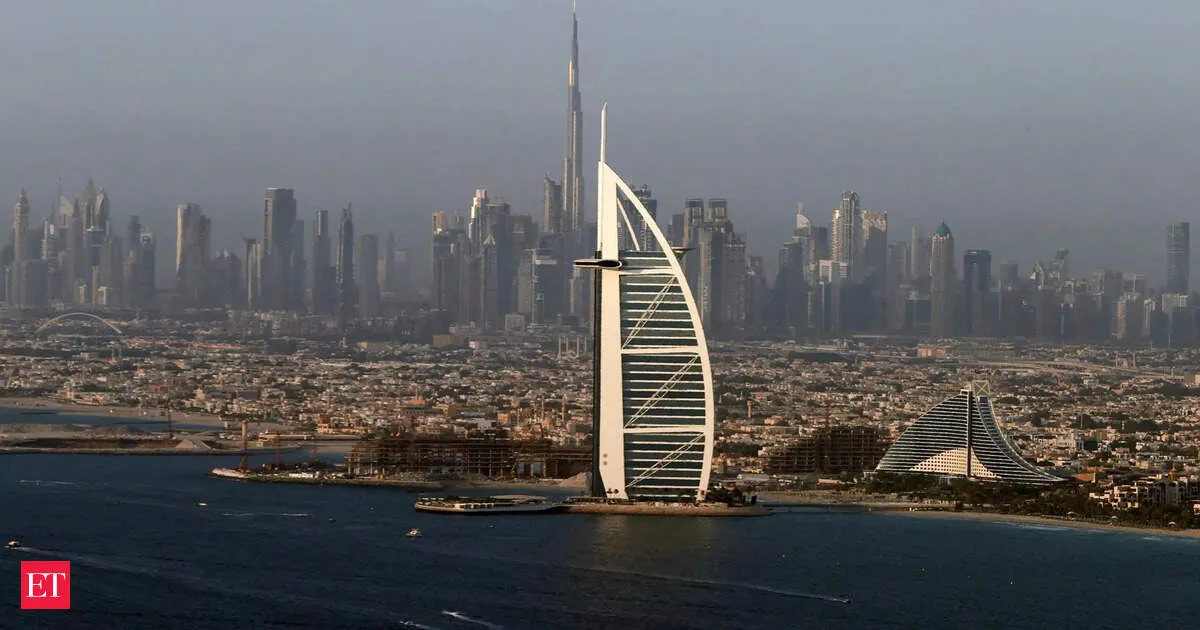
Dramatic conflict visuals from Dubai, including fire near Palm Jumeirah, debris near Burj Al Arab, and even empty highways, have rattled South Asians who long viewed the emirate as insulated from regional geopolitics. Even as reports suggest physical damage is limited and many viral videos are fake or mislabelled, the images are still shifting public belief and confidence.
In Dubai, landlords can’t impose rent increases at will. Legal rules cap hikes at 20% and require 90 days’ notice before a lease expires. The process also considers market averages and the property’s condition, giving tenants time to plan financially and reducing sudden, sharp price jumps.
Swipe through stories, personalise your feed, and save articles for later — all on the app.