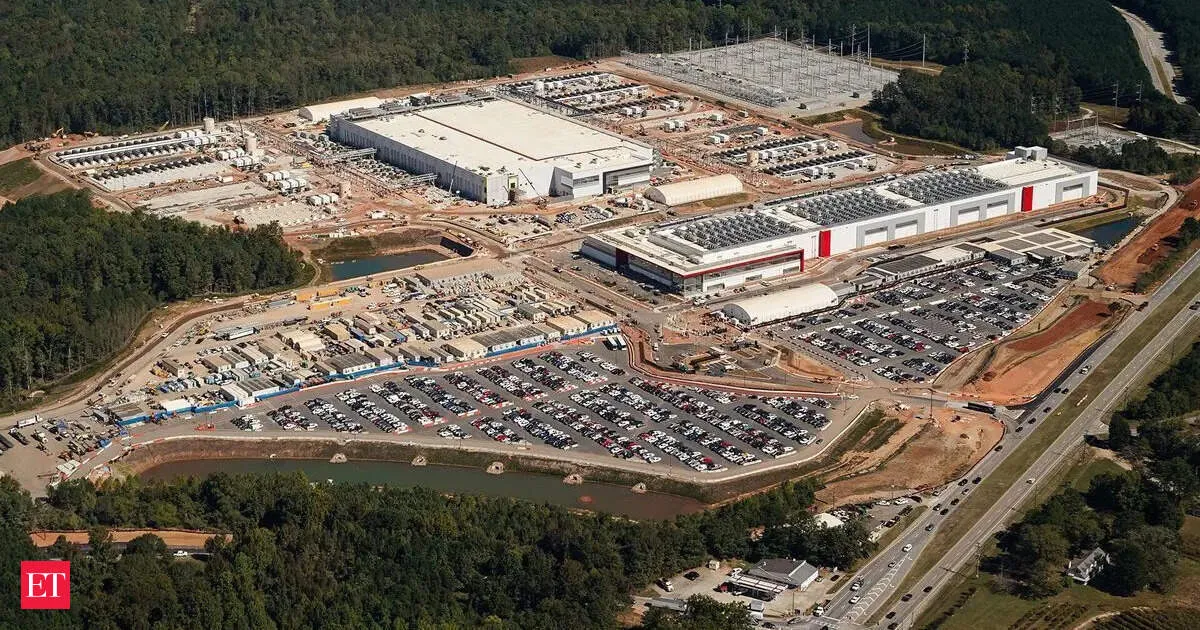
Investigators in drought-hit Georgia say a hyperscale AI data center drew nearly 30 million gallons of water without proper billing or reporting, sparking alarm as residents report falling water pressure. The case is now fueling broader questions across the US: whether the accelerating AI infrastructure boom is quietly reshaping local water resources beyond what the public can see.
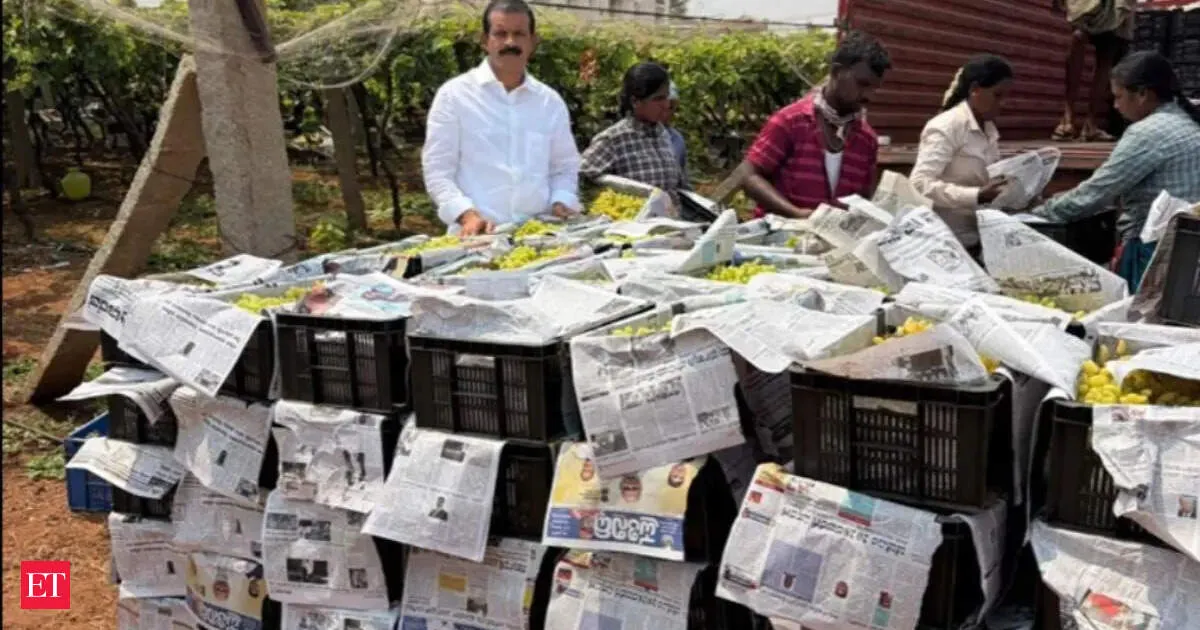
In drought-hit Anantapur, Andhra farmer Mekala Shiva Shankar Reddy transformed 180 acres into a high-income, water-efficient farm worth crores. By switching to drip irrigation and fertigation, he cut water use and improved yields. He also diversified into high-value horticultural crops such as grapes and even exotic fruits, proving that harsh dry land can become remarkably productive with the right approach.
Your news, in seconds
Get the Beige app — every story in 60 words, updated hourly. Free on iOS & Android.
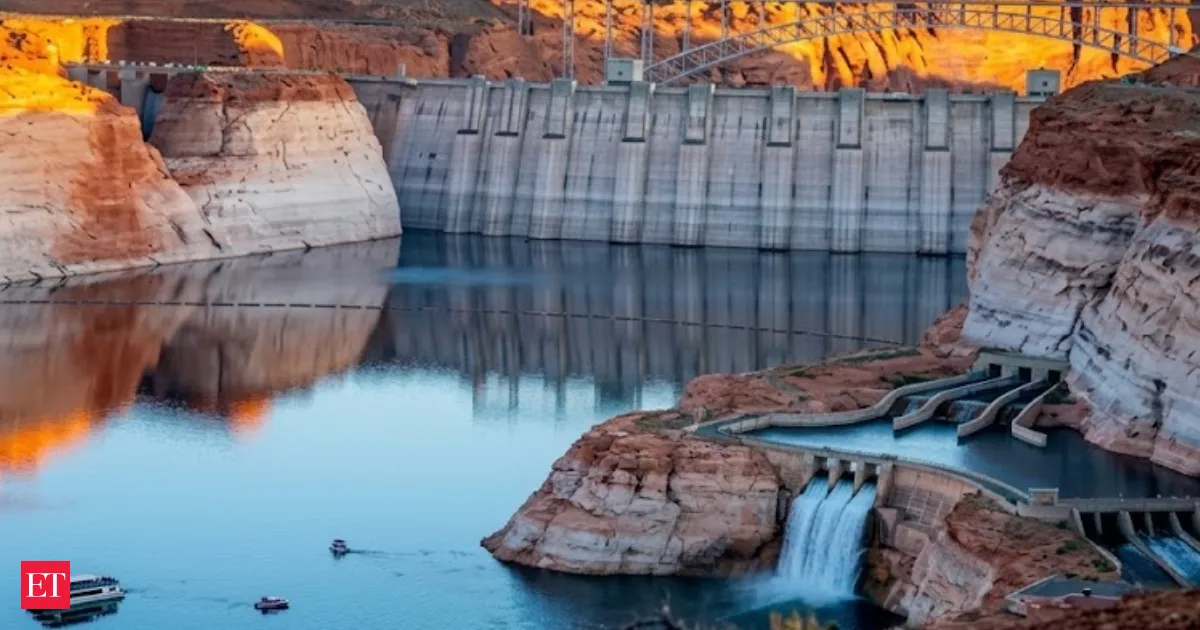
Water managers in Utah are releasing huge volumes from the Flaming Gorge Reservoir to protect hydropower output at Lake Powell, supplying electricity for more than 350,000 households. The move is meant to keep turbines running, but it disrupts local communities and alters downstream water availability, underscoring how drought forces harsh tradeoffs between energy and environmental needs.
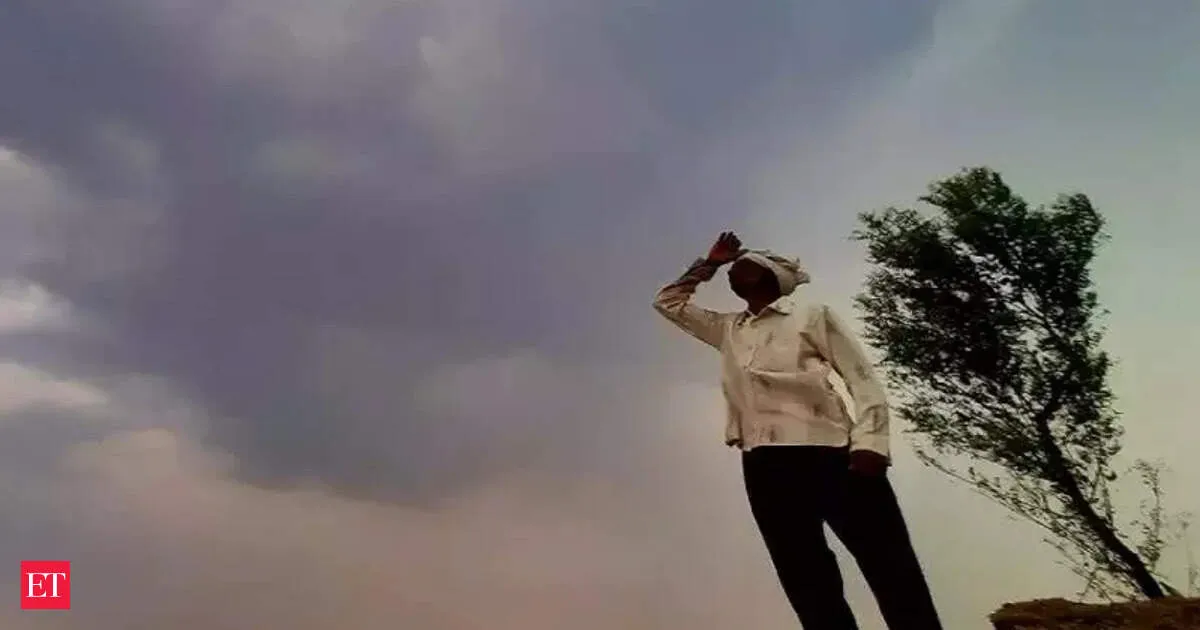
Forecasters warn a strong El Nino may form in late 2026, shifting weather patterns worldwide. Much of Asia could see hotter, drier conditions, with India’s monsoon potentially running below average and Australia’s key eastern farming areas facing reduced rainfall. Meanwhile, parts of North and South America may get wetter weather, even as the climate event remains natural.
Swipe through stories, personalise your feed, and save articles for later — all on the app.