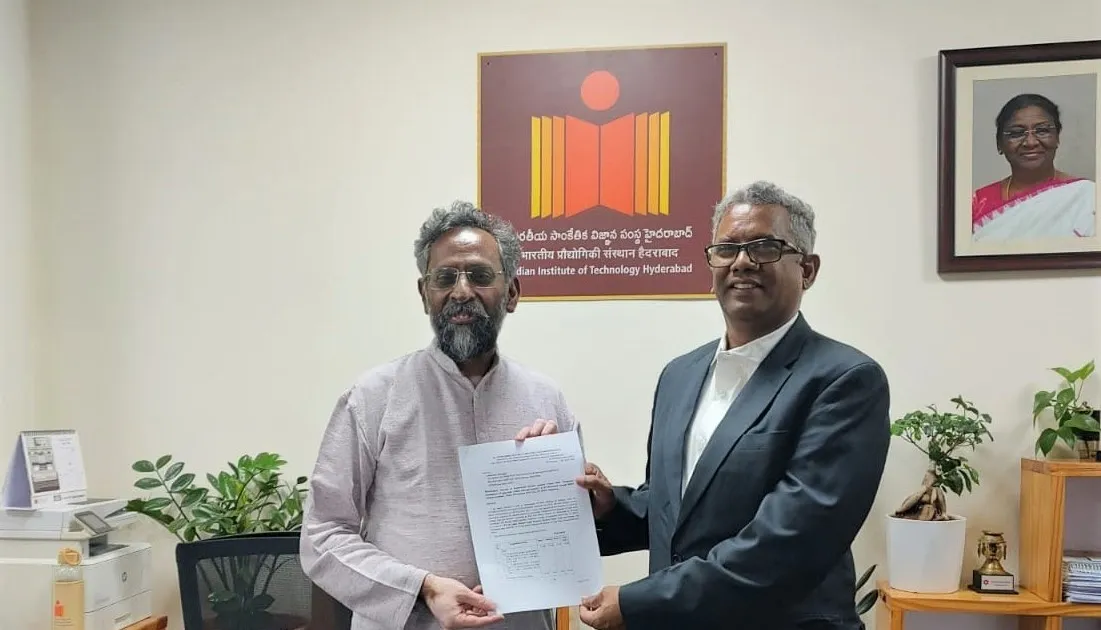
IIT Hyderabad has teamed up with DRDO’s Defence Metallurgical Research Laboratory (DMRL) and Hyderabad-based Innomet Advanced Materials to develop India’s first large-scale 100 kg inert gas atomizer. Funded through DRDO’s DIA Centre of Excellence at IIT BHU, the project will create high-purity spherical alloy powders for aerospace, defence, additive manufacturing, and strategic applications. Set up at Innomet’s premises, the facility will also support DRDO and IIT Hyderabad research for five years and scale from an earlier 10 kg success.
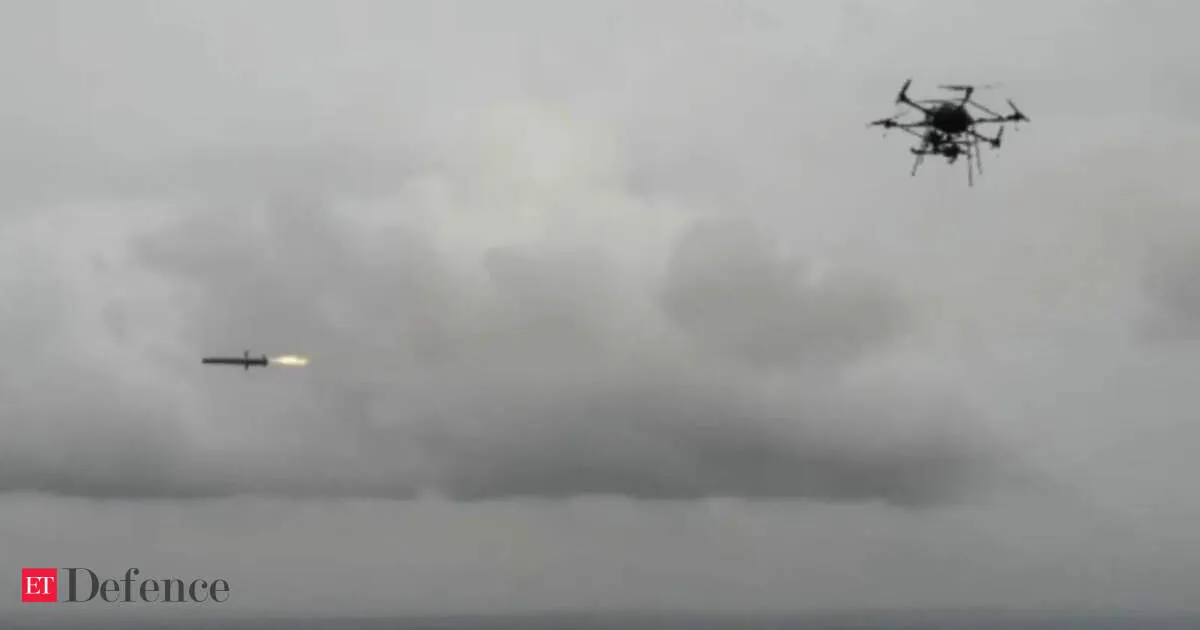
India’s Defence Research and Development Organisation, co-developing with Defence & Aerospace, has enabled the Indian Army to receive the indigenous ULPGM loitering munition. The system uses an Imaging Infrared seeker and can be launched from UAVs, allowing it to strike both stationary and moving targets—signaling a new precision capability for future battlefield operations.
Your news, in seconds
Get the Beige app — every story in 60 words, updated hourly. Free on iOS & Android.
DRDO’s DRDL has completed a long-duration test of an actively cooled full-scale scramjet combustor at Hyderabad, running for over 1,200 seconds. The result validates indigenous air-breathing propulsion, including an endothermic liquid hydrocarbon fuel and high-temperature thermal coatings capable of handling extreme heat loads—an essential step toward deployable hypersonic cruise missiles.
DRDO has reportedly achieved a major hypersonic technology breakthrough after completing a long-duration test of an actively cooled, full-scale scramjet combustor in Hyderabad. The trial ran for over 1200 seconds and used indigenous fuel and cooling technology, marking a significant step toward India’s hypersonic missile development programme.
India says it successfully tested an Advanced Agni missile fitted with a MIRV system on May 8, 2026. Officials report the missile released multiple payloads that struck different targets across the Indian Ocean region, demonstrating the ability to hit several strategic locations with a single launch. The Defence Minister congratulated DRDO and the Indian Army for the milestone.
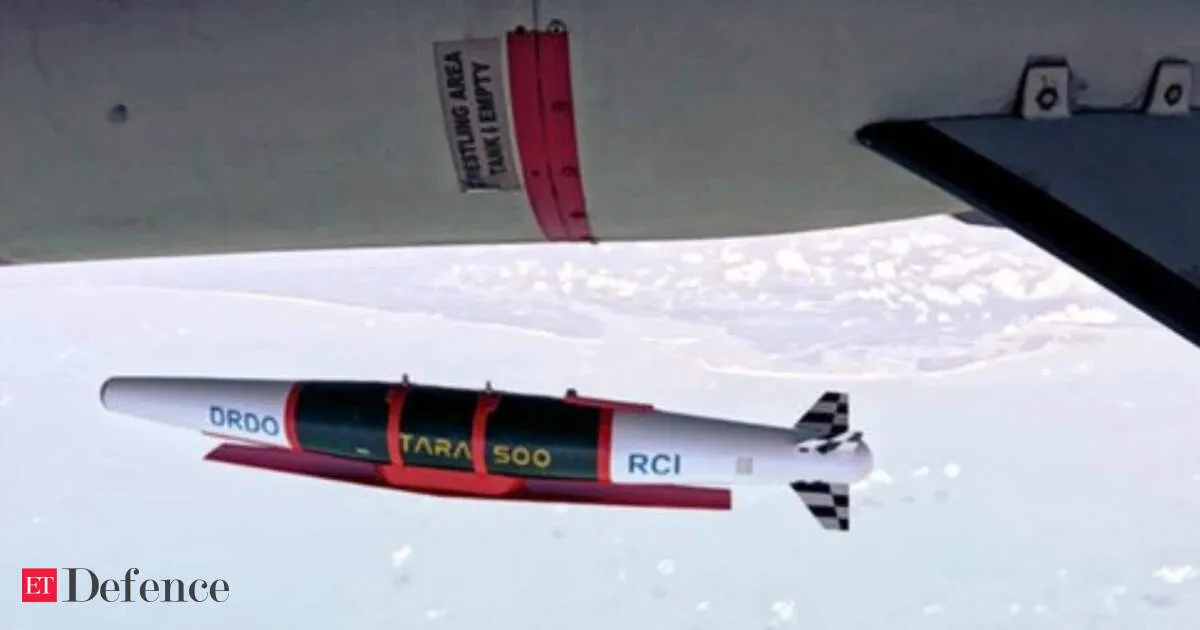
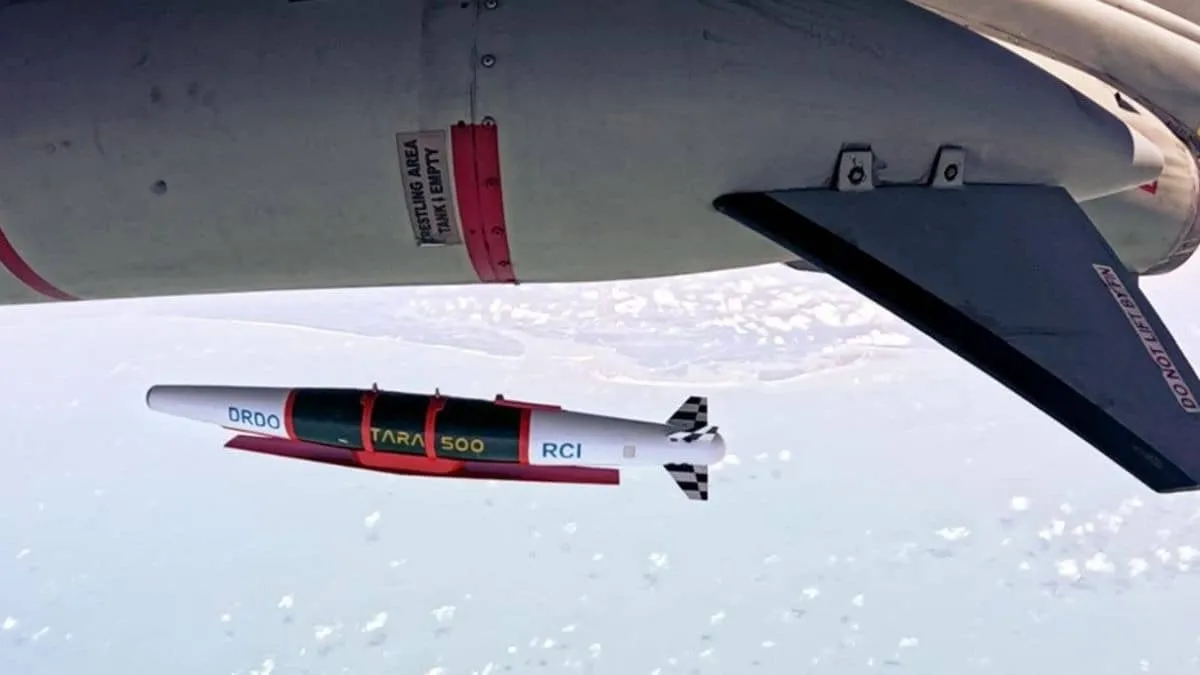
DRDO has successfully completed the first flight trial of TARA, India’s indigenous glide weapon system, off the coast of Odisha. TARA is designed to convert unguided warheads into precision-guided strike weapons, improving accuracy and lethality against ground targets while keeping costs lower. Defence experts see the test as a major step toward greater self-reliance in indigenous weapon technology.
Never miss a story
Set alerts for the topics and sources you care about. Download Beige for free.
DRDO and the Indian Air Force carried out the maiden flight-trial of the Tactical Advanced Range Augmentation (TARA) weapon off Odisha’s coast, as the Defence Ministry said. The indigenous glide system is designed to enhance low-cost unguided warheads by converting them into precision-guided weapons, aiming to extend reach with improved accuracy.
DRDO has inaugurated a new Chemical, Biological, Radiological and Nuclear field training centre in Delhi, designed to strengthen India’s readiness for emergencies involving hazardous CBRN materials. The facility uses advanced technology to train personnel from multiple government agencies, aiming to improve coordination and crisis response capabilities and bolster national security.
India has carried out the second successful flight test of a DRDO long-range hypersonic anti-ship missile off the Odisha coast. The missile can travel up to Mach 10 and is designed to extend India’s maritime strike capability into deep ocean zones. Officials say the development aims to strengthen deterrence against regional rivals and enhance defence readiness at sea.
Andhra Pradesh’s cabinet has approved 600 acres for the Defence Research and Development Organisation at Puttaparthi, paving the way for manufacturing India’s fifth-generation stealth fighters under the AMCA programme. The facility move is expected to draw massive defence investments, with the project positioned as a major boost for the state’s aerospace and strategic manufacturing footprint.
Reading on mobile?
Open Beige in the app for a smoother experience — free on iOS and Android.
DRDO has successfully completed a Phase-II flight test of its Long-Range Anti-Ship Missile (LR-AShM) from off the Odisha coast, reporting a perfect score. The missile targets long-range maritime threats with hypersonic capabilities, reaching Mach 10 speed and using glide vehicle technology, aimed at strengthening India’s anti-ship deterrence and fleet protection.
India’s DRDO and Navy carried out a landmark salvo test of the Naval Anti-Ship Missile Short Range (NASM SR) from a helicopter off Odisha. The indigenously developed missile struck its target at waterline, underscoring improved precision and naval strike capability. Officials say the successful firing significantly strengthens India’s anti-ship defence readiness along coastal waters.
DRDO says it is ready to start work on the Agni-VI ballistic missile, but is waiting for central government approval. The agency is also advancing hypersonic glide and cruise missile programmes, with initial glide trials expected soon. India additionally plans a multi-layered conventional missile force aimed at varied tactical needs, signaling a widening, faster-moving deterrence capability.
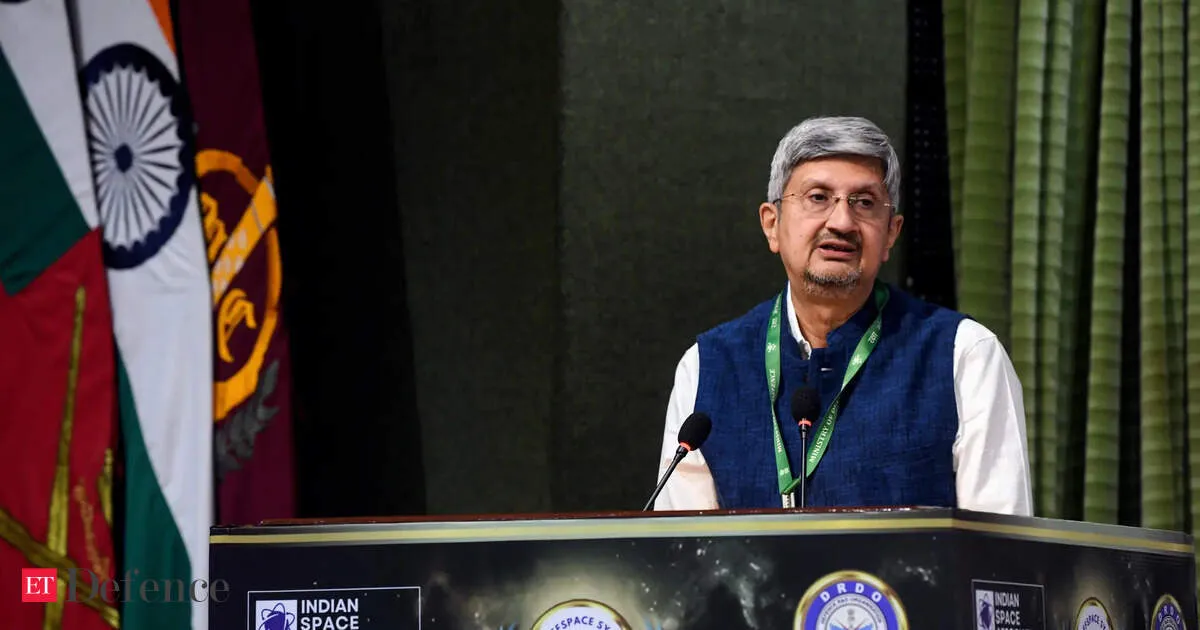
DRDO Chairman Samir V Kamat says India’s LR-AShM hypersonic glide missile programme is in an advanced stage, with initial trials expected soon. Speaking at ANI’s National Security Summit 2.0, he explained how hypersonic glide vehicles differ from cruise missiles and outlined plans for a multi-layered conventional strike force aimed at next-generation deterrence and precision.
Follow your favourite sources
Track sources, tags and categories — all in the Beige app.
DRDO and the Indian Navy conducted a maiden successful salvo launch of the NASM-SR air-launched anti-ship missile system. During the trial, two missiles were fired in quick succession from the same helicopter, marking the first salvo launch for this advanced class of weapon and demonstrating rapid multi-shot capability against maritime targets.
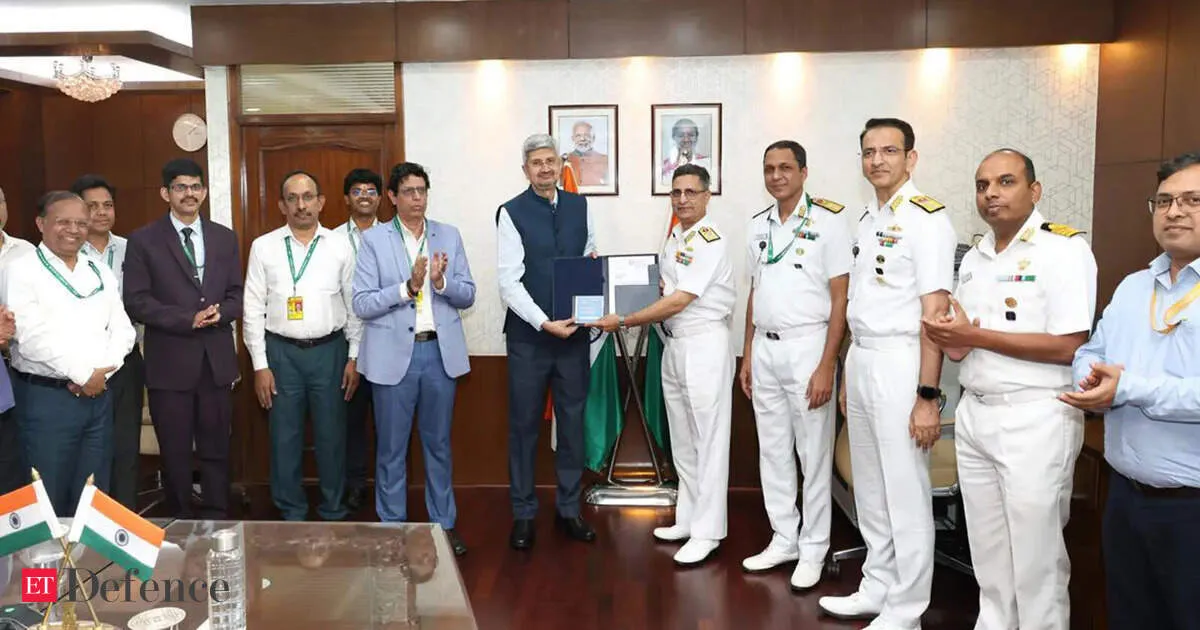
DRDO and the Indian Navy have completed advanced hydrodynamic performance assessment and model testing for a frontline warship, meeting global standards. In parallel, DRDO unveiled tracked and wheeled armoured platforms featuring a 30mm crewless turret, ATGM capability, and around 65% indigenous content—signalling faster progress across naval and land defence development.
DRDO and the Indian Navy have achieved a major milestone by successfully completing hydrodynamic testing of a frontline warship design. The work showcases advanced ship hydrodynamics and simulation expertise, validating performance claims earlier than traditional timelines. The result strengthens India’s naval development capabilities and adds momentum to the country’s push for competitive, modern warship technology on the global stage.
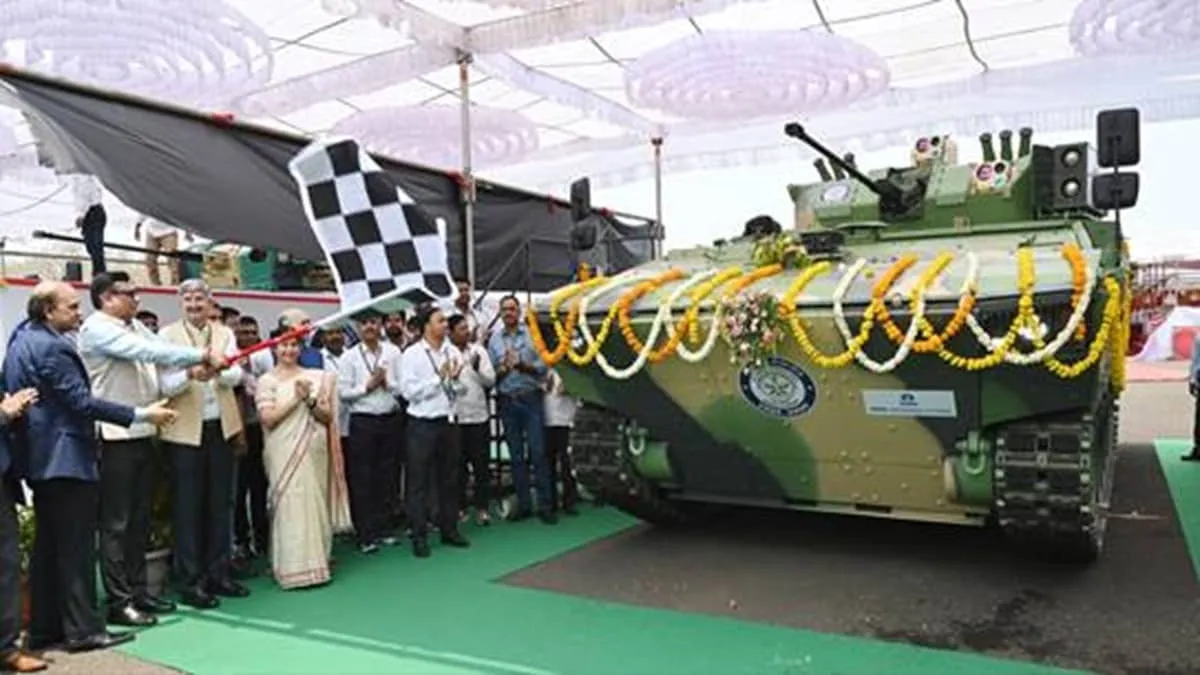
DRDO unveiled two Advanced Armoured Platforms at its Ahilyanagar lab: a tracked and a wheeled variant designed for higher combat mobility. Built with industry partners TATA and Bharat Forge, the platforms feature a 30mm crewless turret with ATGM capability, STANAG 4/5 protection, and amphibious mobility. Officials say the designs include about 65% indigenous content.
Stay informed on the go
Bite-sized news from 100+ trusted sources, right in your pocket.
DRDO unveiled two new armoured platforms, one tracked and one wheeled, aimed at emerging operational needs. Both are built around an advanced 30 mm crewless turret, delivering high mobility, firepower and protection. The vehicles also highlight strong indigenous design and manufacturing, with plans to further increase local content as development progresses.
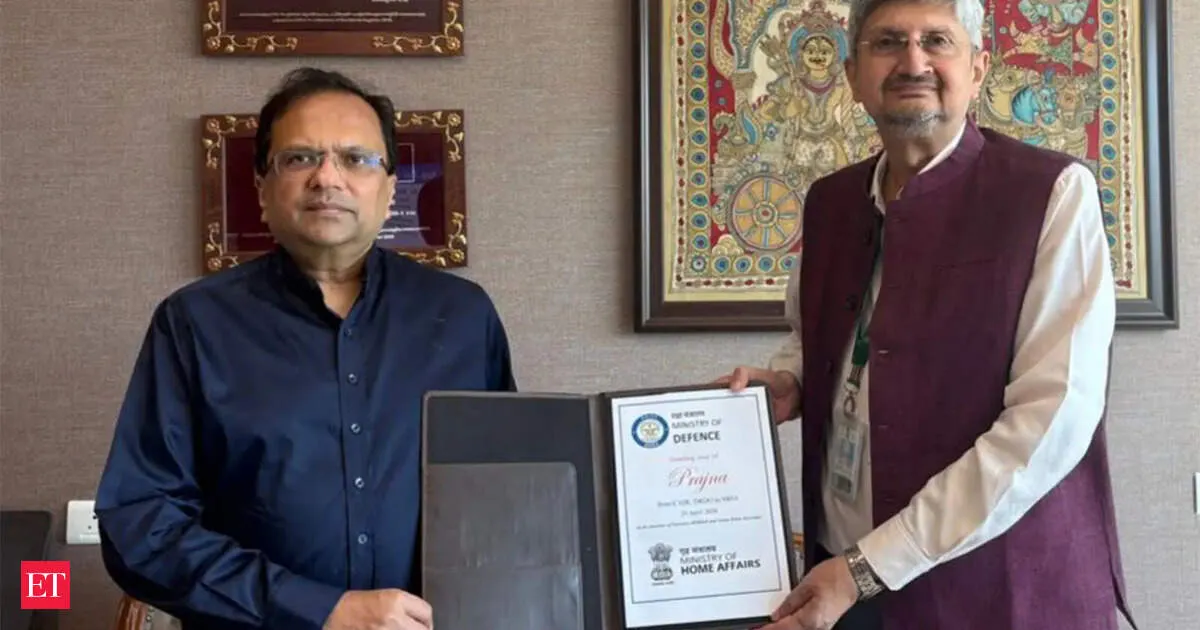
India’s Ministry of Home Affairs has received DRDO’s AI enabled satellite imaging system Prajna to strengthen internal security and counter terrorism operations. The move adds real time imaging capability for surveillance and faster threat assessment. Separately, the Indian Navy tested the Air Droppable Container ADC 150, designed to speed delivery of essential supplies to ships at sea.
Swipe through stories, personalise your feed, and save articles for later — all on the app.