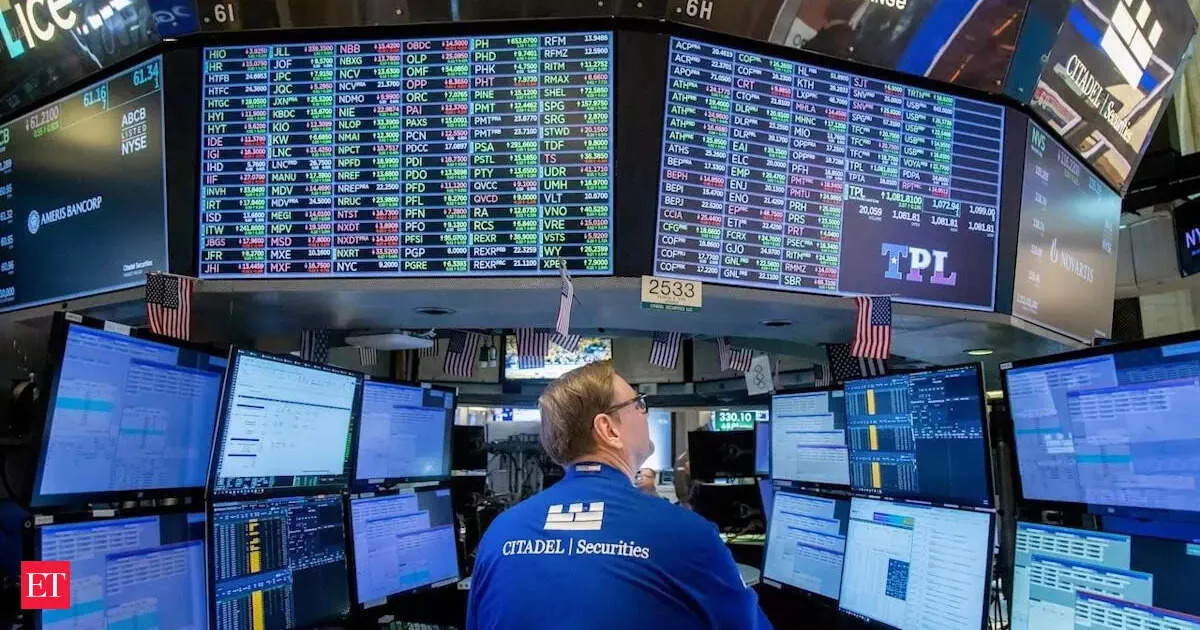
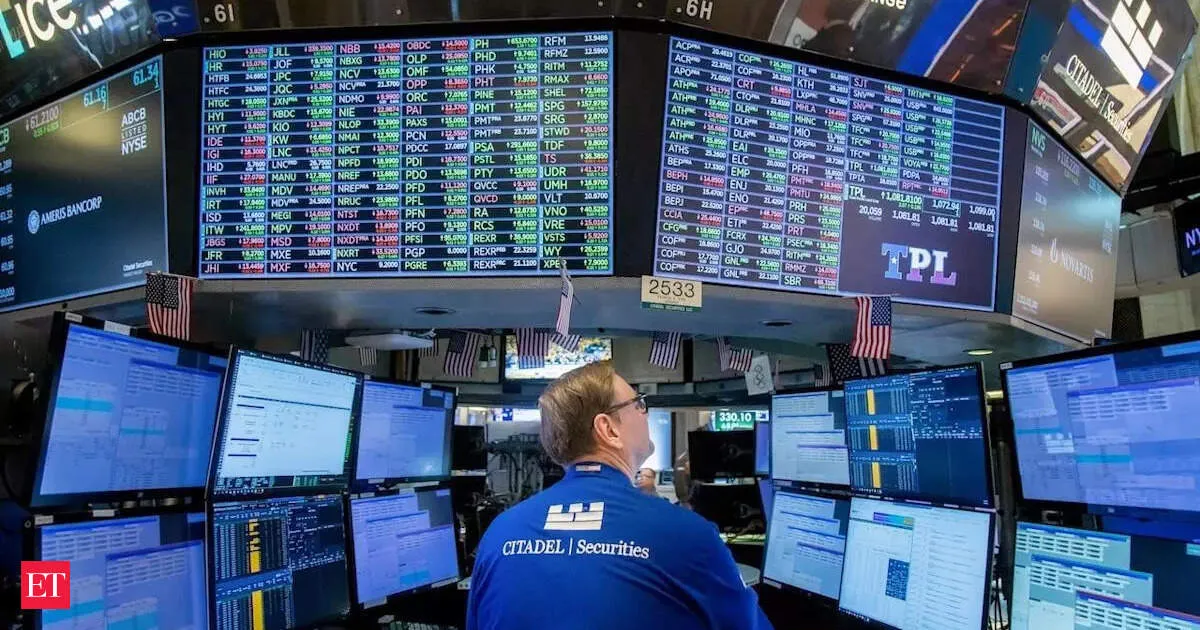
Wall Street reversed its recent momentum on Friday, pushing the S&P 500, Nasdaq, and Dow Jones lower as investors retreated from a stretched technology rally. The sell-off gathered pace alongside rising Treasury yields, with the 30-year yield moving above 5.1% amid inflation worries. Oil surged after Trump’s comments on Iran, lifting West Texas and Brent above key thresholds. Market hopes were also dampened by a Trump-Xi summit that delivered fewer breakthroughs than traders expected.
U.S. stocks surged Thursday as the Dow Jones reclaimed the 50,000 level, with the S&P 500 and Nasdaq hitting fresh records. The rally was driven by a mix of renewed optimism from a high-stakes Trump Xi summit in Beijing and a sharp earnings and chip-related boost in major tech names. Cisco’s results and guidance, plus Nvidia’s 4.2% rally after U.S. export approvals for H200 chip buyers, helped propel the market higher. Investors also monitored inflation and oil-linked risks.
Your news, in seconds
Get the Beige app — every story in 60 words, updated hourly. Free on iOS & Android.
U.S. markets watch a delicate balance as the dollar rises for a second straight session following key economic data, while traders weigh how durable the U.S.-Iran ceasefire really is. Investors are torn between signals of economic resilience and looming geopolitical risk, leaving the next move for the Dow, S&P 500 and Nasdaq highly uncertain.
Wall Street is splitting in two. The Dow Jones slipped slightly as Thursday trading began, while the S&P 500 and Nasdaq climbed to record territory. The rally is being powered by broad tech strength and a surge in AI-linked stocks, while older-economy concerns and shifting market bets keep drag on the Dow. Oil moves also add to the uneven mood.
US markets ended mixed as the S&P 500 and Nasdaq rose, but the Dow Jones slipped, underscoring a widening performance split. Analysts point to support from technology stocks, ongoing earnings momentum, shifting oil prices, and persistent geopolitical risks. With inflation still a key concern and global uncertainty rising, they expect continued wild swings in coming months, pushing investors to stay nimble.
US stocks surged as the Dow gained over 350 points, the S&P 500 pushed to fresh highs, and the Nasdaq climbed nearly 250 points. The rally was powered by Intel reaching an all-time high alongside broad strength in tech and semiconductors. Oil prices fell sharply, with WTI dropping around 3%, while select companies like Pfizer and Anheuser-Busch posted stronger-than-expected results.
Never miss a story
Set alerts for the topics and sources you care about. Download Beige for free.
The US stock market turned sharply lower as the Dow fell about 565 points and the S&P 500 and Nasdaq also slid, with every sector ending in red. Around $200 billion reportedly disappeared in minutes. Traders point to surging oil—WTI up about 3.4% and Brent up roughly 5%—as rising tensions near the Strait of Hormuz rapidly shifted investor sentiment.
US stock indexes ended higher as earnings beat expectations and softer economic data eased investor worries. Oil nudged higher early but eased later. The S&P 500, Nasdaq and Dow posted their biggest monthly gains in years, leaving analysts focused on what happens next as inflation, geopolitical risks and interest-rate signals remain key swing factors for whether gains persist.
US markets are moving in opposite directions: the Dow Jones falls more than 160 points as oil climbs above $100 and Iran tensions dent confidence. At the same time, the S&P 500 and Nasdaq stay positive, helped by resilient tech and AI optimism. Rising Treasury yields add pressure on traditional blue chips, while investors appear to rotate rather than flee risk.
US markets closed out April with a dramatic surge: the Dow gained a record 500 points while the S&P 500 and Nasdaq also finished firmly higher. Traders pointed to a mix of blowout earnings, resilient economic data, and cooling oil prices. Yet attention remains split, with investors also watching Iran developments and Apple’s upcoming after-bell report.
Reading on mobile?
Open Beige in the app for a smoother experience — free on iOS and Android.
US markets are splitting: the Dow Jones slides about 200 points while the S&P 500 and Nasdaq hold firm. The move tracks rising oil prices above $100 and climbing Treasury yields to around 4.39%, keeping investors on edge ahead of the Federal Reserve. Still, upbeat Big Tech earnings from Alphabet, Amazon, and Microsoft are offsetting the pressure.
Despite a big Friday jump in the S&P 500 and Nasdaq, the Dow Jones is lagging. Tech stocks are driving most of the gains, lifting the broader indexes where growth and software-heavy names carry more weight. The Dow’s different mix of legacy industrial and financial stocks can make it move differently, even on the same trading day.
Avis Budget shares careened after a massive spike, then plunged about 70%, reigniting concerns over meme-stock fueled volatility. The shock rippled into the Dow Jones Transportation Average, long viewed as an economic barometer. The episode also spotlighted how the index’s price-weighted design can amplify damage from extreme moves versus market-cap weighted measures.
Swipe through stories, personalise your feed, and save articles for later — all on the app.