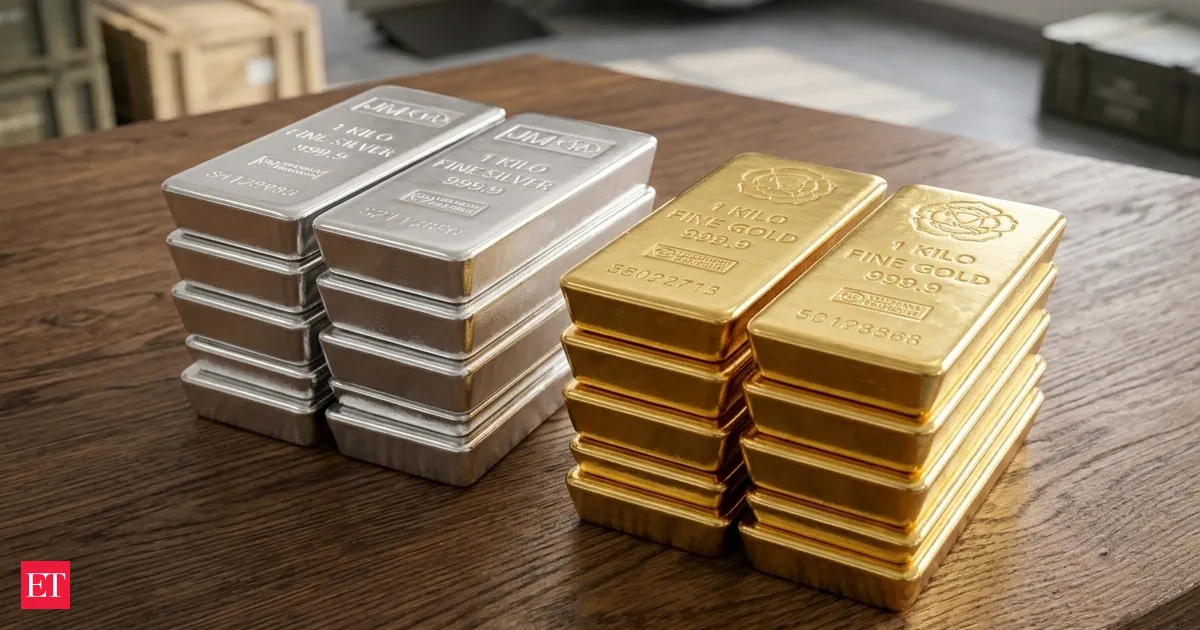
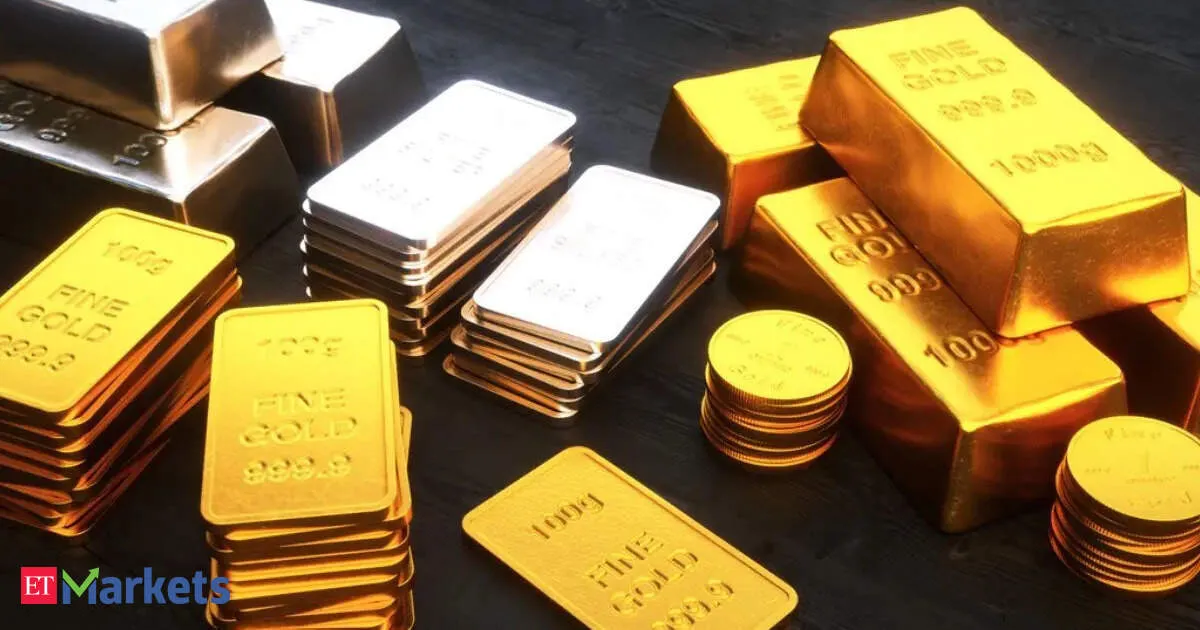
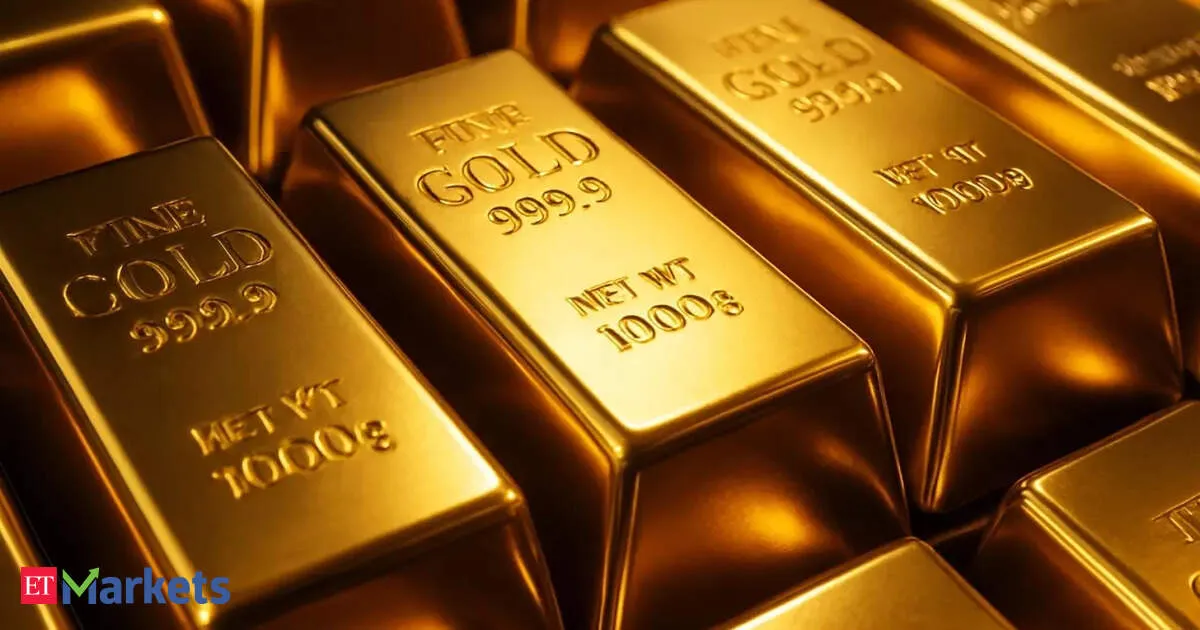
Gold fell to a more than one-week low on Friday, pressured by rising U.S. Treasury yields and a firmer dollar, which increase the opportunity cost of non-yielding bullion. The sell-off deepened as Middle East conflict sparked inflation concerns, lifting expectations for higher interest rates. Spot gold slid 2.6% to $4,527.80 per ounce, its lowest since May 5. Other precious metals also tumbled, with silver down 8.7% and on track for its worst day since March 3.
Gold ticked up as the dollar weakened, with traders focused on looming Trump and Xi Jinping talks. At the same time, U.S. producer prices jumped, pointing to faster-moving inflation. In India, gold discounts widened to a record high despite weak demand, highlighting a split between global cues and local buying sentiment.
Your news, in seconds
Get the Beige app — every story in 60 words, updated hourly. Free on iOS & Android.
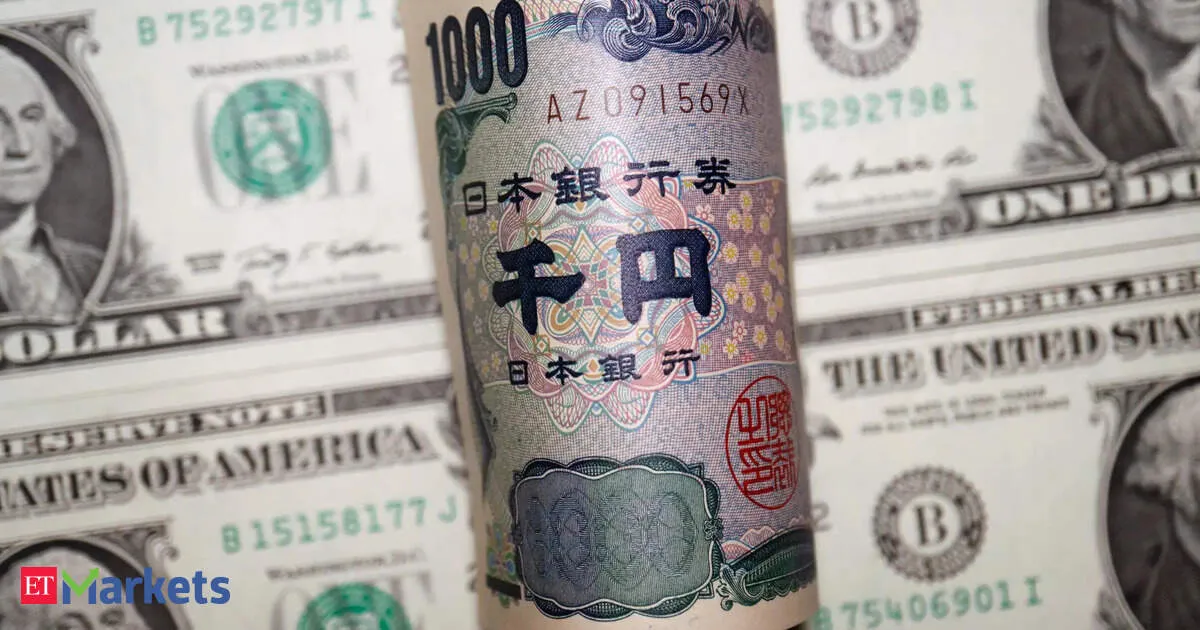
A surprise spike in US inflation lifted Treasury yields and strengthened the dollar near a one week high. The euro and sterling weakened as rate hike expectations jumped, while rising oil prices tied to Middle East tensions kept investors cautious. The dollar index stayed firm despite sluggish equities, and the yen held steady after speculation about intervention.
U.S. markets watch a delicate balance as the dollar rises for a second straight session following key economic data, while traders weigh how durable the U.S.-Iran ceasefire really is. Investors are torn between signals of economic resilience and looming geopolitical risk, leaving the next move for the Dow, S&P 500 and Nasdaq highly uncertain.
Dalal Street suffered its sharpest single day drop in six weeks as the rupee hit a record low for the second straight session. Uncertainty around US Iran peace talks lifted oil prices, while Prime Minister Modi’s austerity call dented confidence, driving investors to buy dollars and weigh on equities.
Gold and silver are slipping as markets recalibrate interest-rate expectations after U.S. inflation data and shifting views on rate cuts. Analysts cite a firmer dollar and higher oil prices as additional headwinds, while Middle East tensions keep sentiment volatile. Traders are now watching central bank signals for the next move, with some forecasting deeper drops.
Never miss a story
Set alerts for the topics and sources you care about. Download Beige for free.
Gold prices fell as stalled U.S. Iran peace talks pushed oil higher, reviving worries about inflation and potential interest rate hikes. A stronger dollar weighed on bullion further. At the same time, China’s gold output declined, but Indian buyers held back, waiting for lower prices. Still, speculators increased long positions, hinting at a split market mood.
The dollar climbed against major currencies early Monday as strong US jobs data and renewed Iran US tensions increased demand for safe-haven assets. Oil prices also rose amid the geopolitical backdrop. Meanwhile, China’s export growth accelerated in April, adding complexity to global trade signals. Trump and Xi are expected to discuss key issues later this week, adding further market uncertainty.
The Indian rupee strengthened by 36 paise to the dollar on Thursday, extending a sharp two-day rebound. Traders linked the move to crude oil falling below $100 a barrel, which encouraged them to unwind short-rupee positions. State-run banks were also seen selling dollars, likely for exporters, as the currency approached 94.
The dollar weakened as hopes of de escalation between Iran and the US supported oil linked currencies, while Japan’s cautionary comments kept yen speculation restrained. Even with talk of a peace proposal, investors remain wary over unresolved nuclear demands and risks around the Strait of Hormuz, which are still swinging oil prices and US Treasury yields. The euro climbed as the dollar index eased.
Reading on mobile?
Open Beige in the app for a smoother experience — free on iOS and Android.
Gold and silver surged on MCX on Wednesday as a weaker dollar and easing oil prices reduced inflation and rate worries. Optimism around potential US Iran peace talks also lifted sentiment. MCX silver climbed about 3.1% to roughly Rs 2,52,000 per kg, while gold rose around 1.7% to about Rs 1,52,182 per 10g after US President Trump hinted at progress.
The US dollar eased against major currencies on Wednesday as hopes grew that the US is close to an agreement with Iran. The Japanese yen also drifted lower, while US oil futures fell in line with the shifting outlook. Investors are now focused on upcoming US non farm payrolls data, which is expected to shape expectations for the Federal Reserve’s next interest rate move.
Gold surged more than 1% as a weaker dollar and easing oil prices dialed back inflation fears. The move gained momentum from rising hopes of a U.S. Iran peace deal, after President Trump paused an operation near the Strait of Hormuz—cooling geopolitical tensions and boosting demand across precious metals.
Gold is holding steady near the Rs 1.5 lakh support zone after a short pullback, prompting investors to consider a buy-on-dips approach. The next move is expected to hinge on upcoming US Nonfarm Payrolls, which could shift the dollar and interest-rate expectations—either pushing gold into a breakout or keeping it range-bound for longer.
Follow your favourite sources
Track sources, tags and categories — all in the Beige app.
The dollar is on track for its sharpest weekly drop versus the yen since February, as traders suspect Japan may be stepping into the market to curb volatility. Japanese officials have signaled unease, keeping sentiment cautious. Still, lasting yen strength is far from certain because Japan’s policy stance diverges from the Federal Reserve, and attention turns to possible action during Golden Week.
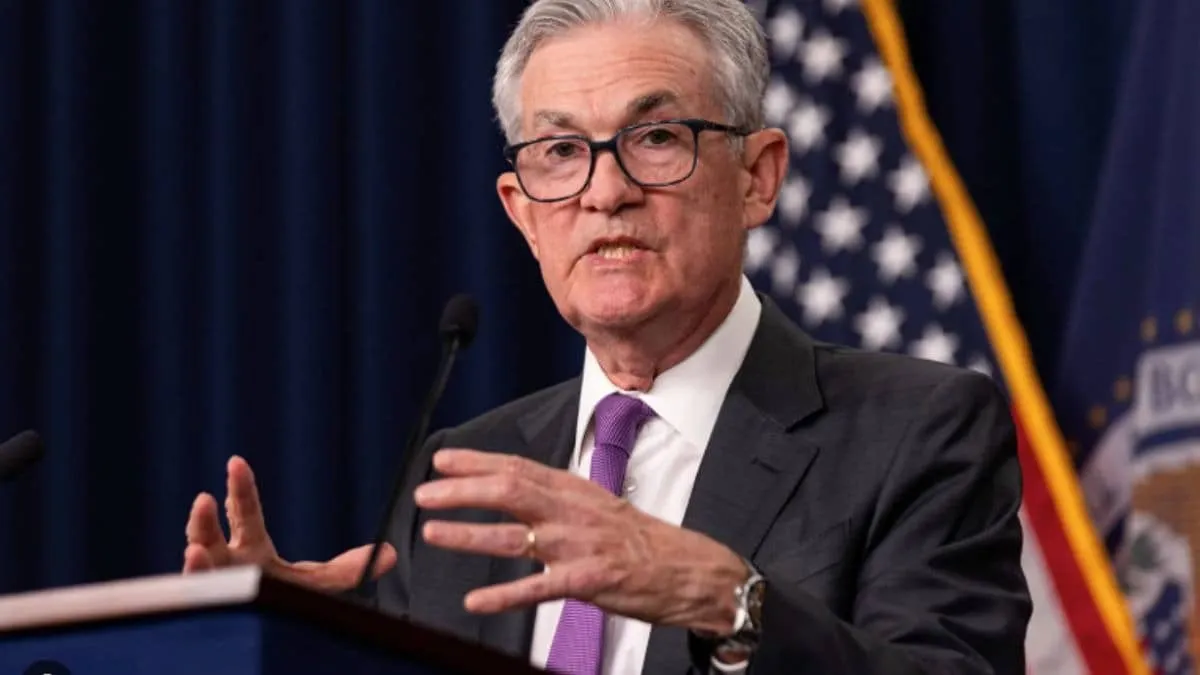
The US Federal Reserve has kept its benchmark interest rates unchanged at 3.5% to 3.75% for the third consecutive meeting. The decision, led by Chair Jerome Powell, reflects ongoing uncertainty tied to the US-Iran conflict. With the FOMC vote split, investors are watching what this policy stance could mean for liquidity, dollar trends, and India’s stock market sentiment.
The dollar edged higher as markets awaited the Federal Reserve’s rate decision and digested spillover risks from the ongoing Middle East conflict. Trading stayed subdued in thin Asian hours, keeping most currencies in narrow bands. The yen lingered around 160 per dollar, with traders alert to potential Japanese intervention even as the Bank of Japan signaled a tougher stance.
The Indian rupee weakened to 94.47 per dollar on Tuesday as higher oil prices and stalled energy flows through the Strait of Hormuz, tied to the U.S.-Iran conflict, pressured sentiment. Traders expect the currency to stay under pressure until supply disruptions ease, with the Reserve Bank of India likely stepping in to limit volatility.
Stay informed on the go
Bite-sized news from 100+ trusted sources, right in your pocket.
Gold prices fell as the dollar strengthened and oil prices climbed, reviving fears of higher inflation and interest rates. Disrupted U.S.-Iran peace talks are also weighing on Middle East energy exports, adding pressure across global markets. Investors are turning to the upcoming Federal Reserve rate decision, while India sees higher gold premiums due to tight local supplies.
The Indian rupee is expected to weaken further this week, snapping its recent stable range. Strong dollar demand, higher oil import costs, and steady foreign portfolio investor outflows are increasing selling pressure. Even with Reserve Bank of India intervention, markets anticipate the currency will open significantly weaker, keeping downward momentum in focus.
Swipe through stories, personalise your feed, and save articles for later — all on the app.