A new large-scale DNA study of more than 3,200 Japanese people is challenging the long-held view that Japan’s ancestry comes mainly from two ancient sources. Using whole-genome sequencing across seven regions, researchers found evidence for a third ancestral group tied to northeastern Asia, with patterns that vary sharply by geography. The work also shows Japan is more genetically diverse than assumed, and pairs genomic data with medical records to build JEWEL for future personalized medicine.
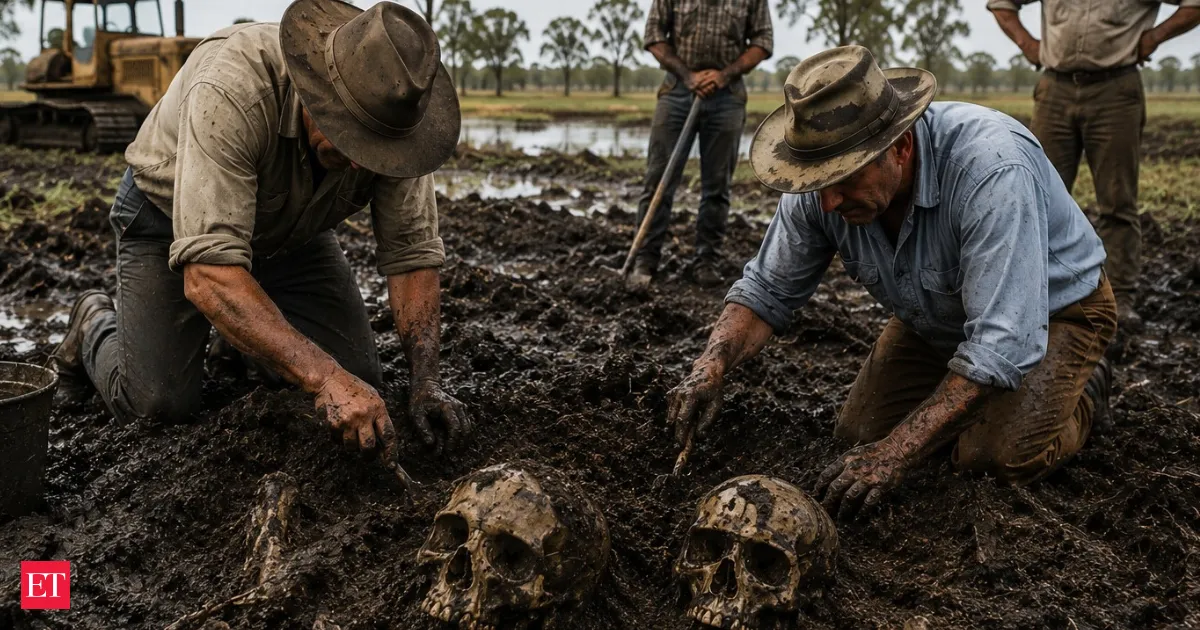
In the 1960s, farmers digging Queensland wetlands unearthed unusual skull fossils at Kow Swamp that fueled claims early Australians looked “archaic.” But later research showed key features could result from cranial deformation. Leg-bone analysis and DNA evidence ultimately identified the remains as anatomically modern humans—an urgent reminder to challenge first impressions in science.
Your news, in seconds
Get the Beige app — every story in 60 words, updated hourly. Free on iOS & Android.
A new study suggests sunburn’s rapid inflammation and redness come from damage to RNA, not DNA. Researchers in Denmark and Singapore found this mechanism explains why symptoms show up so quickly after sun exposure, overturning long-held textbook ideas. The finding could reshape skincare approaches, with future treatments aimed at protecting RNA to reduce immediate burns.
Swipe through stories, personalise your feed, and save articles for later — all on the app.