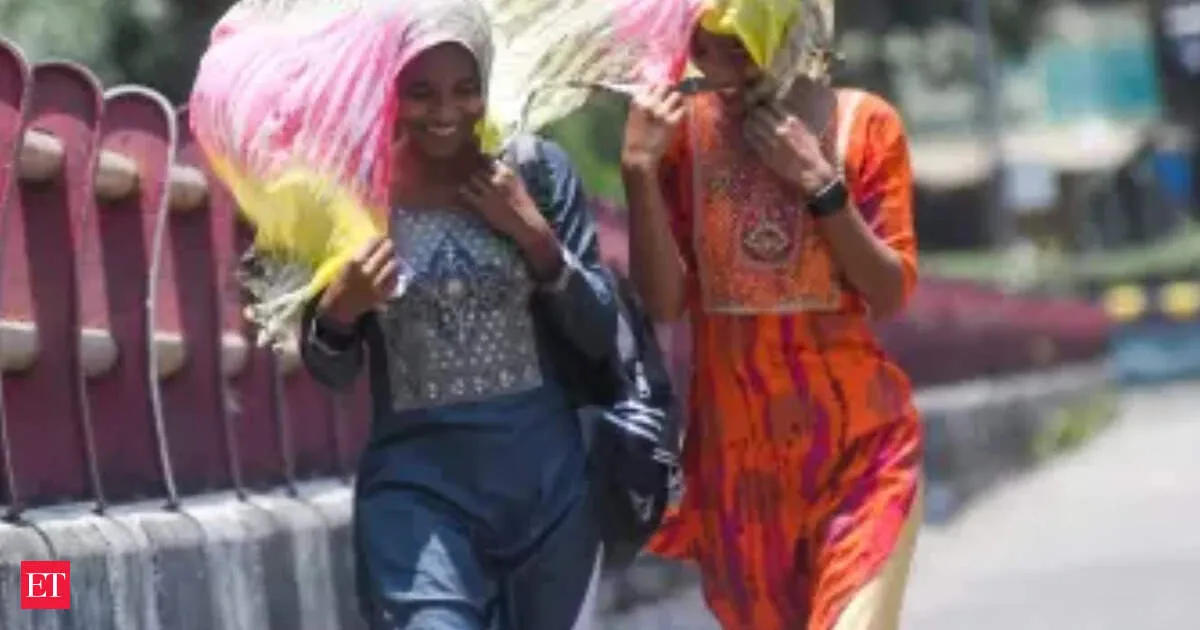
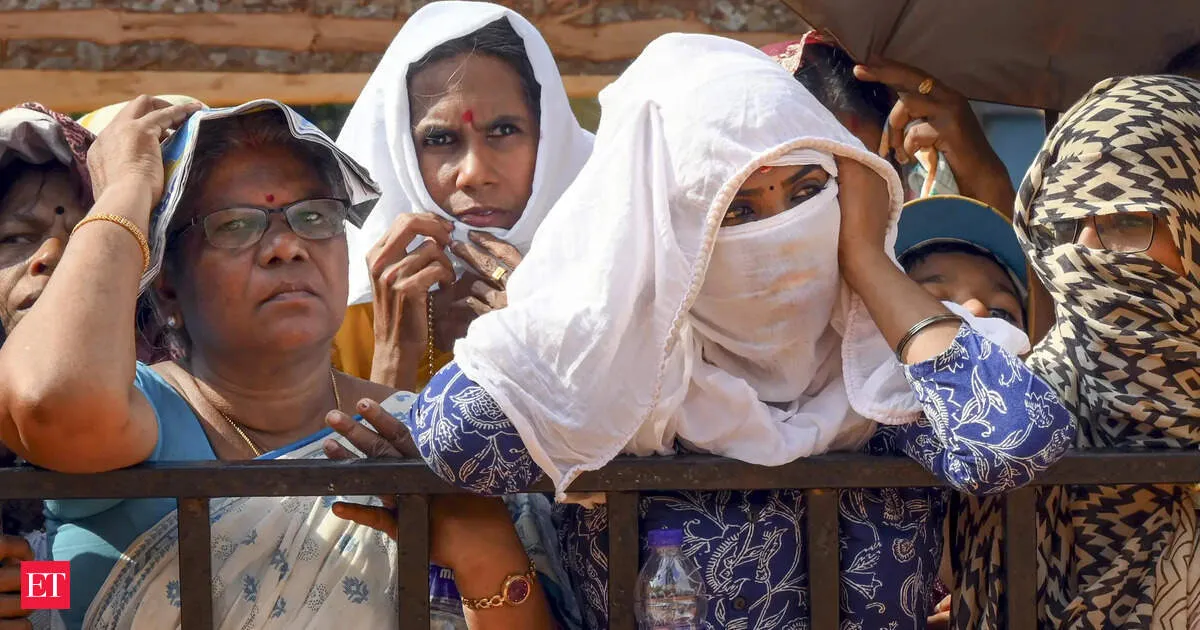
The India Meteorological Department (IMD) says it will revise its criteria for declaring heatwave conditions because the current parameters do not match India’s diverse geography. Kerala has struggled with warnings during a summer marked by severe heat and unusual humidity, including an anti-cyclone system forming unusually far south that kept nights unusually hot. IMD says night temperatures were 3 to 4 degrees Celsius above normal, and heatwave alerts were limited by station and threshold rules. Changes will be finalized after consulting disaster management authorities.
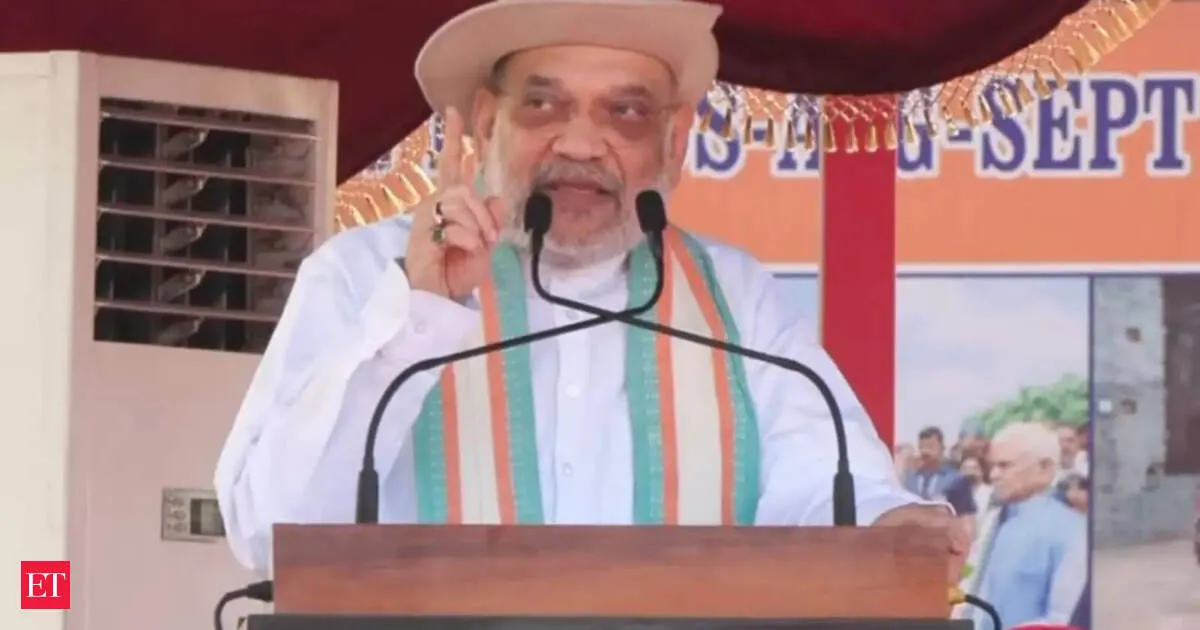
Union Home Minister Amit Shah presented the President’s Colour Award to the National Disaster Response Force (NDRF) in Ghaziabad, praising its nationwide disaster response role. The recognition also highlights support from state agencies and community partners including SDRFs, Panchayats, NCC, NSS and “Aapada Mitras”. Shah also laid foundation stones for six new NDRF centres, boosting capacity.
Your news, in seconds
Get the Beige app — every story in 60 words, updated hourly. Free on iOS & Android.
Home Minister Amit Shah said India will work toward eliminating heat wave deaths in the coming years by shifting to proactive disaster management. He stressed prevention over reaction to reduce both casualties and property damage during calamities. The National Disaster Response Force was also honoured with the President’s Colour, recognising its service and readiness in emergencies.
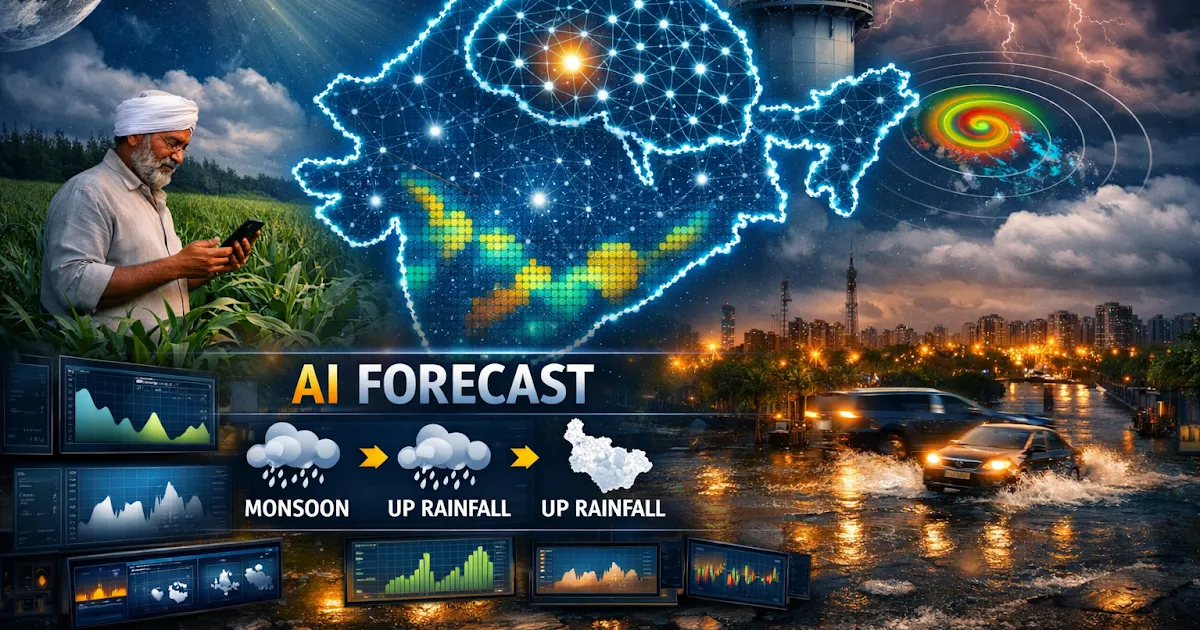
India has unveiled two AI-enabled weather services: an advance monsoon forecast for 16 states and 3,000+ sub-districts, and a 1 km resolution rainfall model piloted in Uttar Pradesh. Built with IMD, IITM Pune and NCMRWF, the systems deliver hyper-local, probabilistic guidance up to four weeks and ten days ahead—supporting farmers, disaster response and infrastructure planning.
Union Home Minister Amit Shah reviewed India’s readiness for floods and heat waves, focusing on developing early warning systems for 30 high-risk Himalayan lakes across northern and northeastern states. He directed that flood crisis management teams be activated nationwide and said the National Disaster Management Authority will check compliance with directives on forest fires, heat waves, and floods.
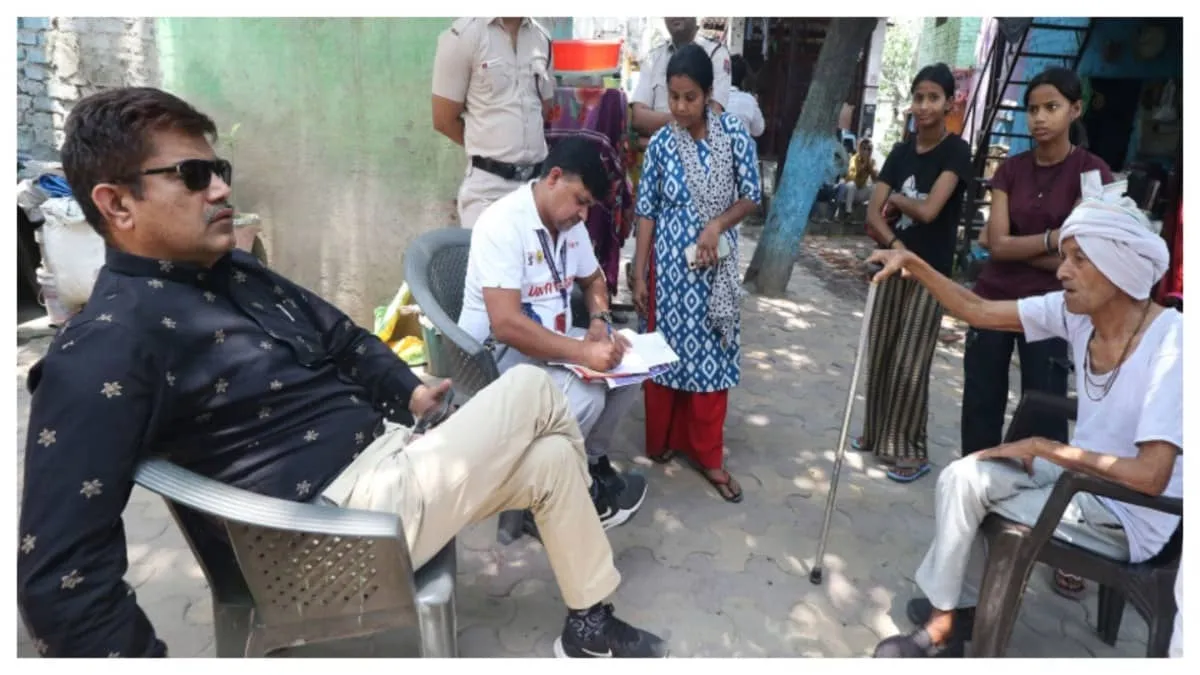
Delhi government has served eviction notices to residents of nearly 310 houses near the Yamuna floodplain in Old Delhi. The notice, issued under the Disaster Management Act, 2005, cites recurring flood risks and public safety concerns. The action follows earlier government plans to build a flood protection wall along a vulnerable Ring Road stretch to curb Yamuna flooding.
Never miss a story
Set alerts for the topics and sources you care about. Download Beige for free.
If your phone buzzed with a sudden alert, it was likely part of India’s nationwide test of a faster disaster warning system. Run by DoT with NDMA support, the Integrated Alert System SACHET is adding cell broadcast to replace slower SMS-style delivery. Cell broadcast sends one message to all phones on a tower, needs no registration, and can improve reach even during network congestion.
India is running a nationwide trial of a mobile-based disaster alert system jointly by the Department of Telecommunications and the National Disaster Management Authority. During the test, citizens may receive alert messages on their phones. The system is designed to quickly broadcast critical information using Cell Broadcast technology, but the DoT says many people are ignoring the test alerts.
The National Green Tribunal has asked the Centre and other agencies for responses over the threat from hanging glaciers in the central Himalayas. A recent study flags unstable glaciers on steep slopes, raising fears of avalanches and downstream disasters. It also notes a sharp increase in how many people are exposed as high-altitude development expands into vulnerable zones.
Kerala’s State Disaster Management Authority has issued a caution advisory after high UV index readings across the state, with orange and yellow alerts in multiple districts. Officials warn that prolonged exposure can trigger sunburn and other health issues, advising residents to reduce direct sunlight between 10 am and 3 pm and use protective measures.
Reading on mobile?
Open Beige in the app for a smoother experience — free on iOS and Android.
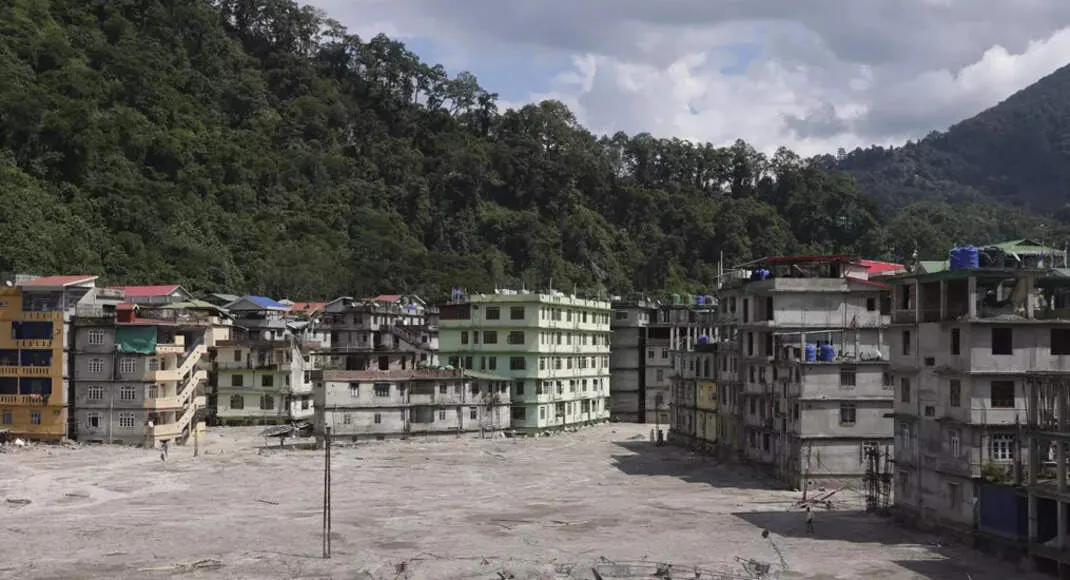
India’s fragile Himalayan ecosystem is now threaded by hydropower and major highways and railways, with claims that at least 430 large hydropower projects exist across the region. Yet development often proceeds without disaster-impact assessments or carrying-capacity studies. The question grows sharper as attention turns to the Chungthang dam in Sikkim and what its collapse signals for the future.
Swipe through stories, personalise your feed, and save articles for later — all on the app.