India’s digital lending boom is reshaping credit access as mobile apps disburse large loan volumes quickly, especially for younger borrowers and underserved regions. The same convenience is drawing tougher regulatory focus on transparency and consumer protection. Yet risks remain as the sector evolves, testing how fast growth can coexist with fair lending practices.
NEDFi has partnered with Veefin Solutions to roll out a multi-year, cloud-hosted digital lending ecosystem across Northeast India. The system will cover loan origination, management, and collections, supported by mobile apps and a customer portal. The goal is to improve credit access for entrepreneurs in remote areas while enabling NEDFi to expand its financial product offerings.
Your news, in seconds
Get the Beige app — every story in 60 words, updated hourly. Free on iOS & Android.
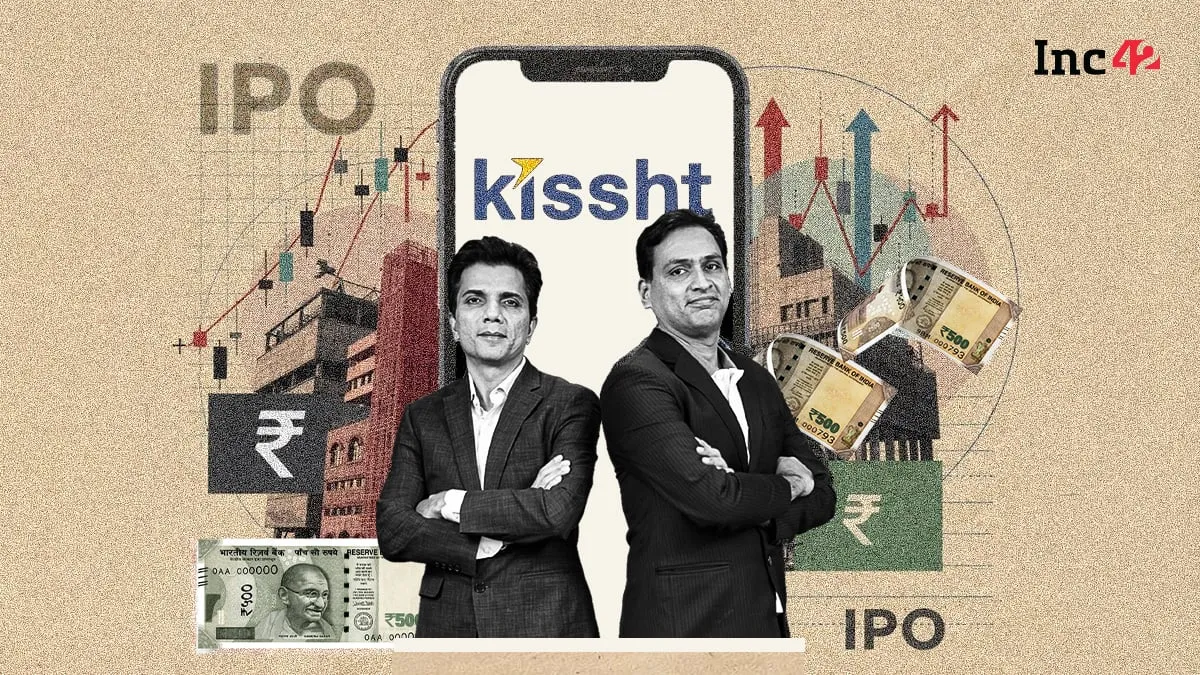
Digital lender Kissht made a strong BSE debut, opening at Rs 191 and climbing to Rs 208 by market close, implying a premium over its IPO price. The listing values the company at about Rs 3,511 crore. Early investors are seeing meaningful gains, supported by Kissht’s rapid growth in AUM and revenue as the market watches its next moves.
Lending tech startup Kissht made a strong stock debut on Friday, ending up 22% on NSE at Rs 209 after opening higher. The IPO raised Rs 926 crore, split between Rs 850 crore fresh issue and Rs 76 crore via OFS, and was oversubscribed 9.5 times. Existing backers participated in the OFS, while anchor investors included HDFC Mutual Fund and ICICI Prudential.
India’s startup boom is accelerating as fresh companies cross the $1 billion unicorn mark. Skyroot Aerospace, a space technology firm, and KreditBee, a digital lending platform, are among the newest entrants. The streak points to rising investor appetite and faster digital adoption across very different sectors, from deep tech to consumer finance.
Punjab National Bank reported a 14% year-on-year rise in Q4 net profit to ₹5,225 crore, driven by expanding digital operations. PNB says digital transactions now exceed 95% of total activity, with over ₹1 lakh crore in digital sanctions and one in three loans approved online. For FY27, it targets 12–13% credit growth and a ₹2 lakh crore digital book.
Never miss a story
Set alerts for the topics and sources you care about. Download Beige for free.
Kissht heads to an ₹850 Cr IPO with anchor investors committing ₹277.78 Cr, even as its FY25 revenue and profit dipped under RBI tightening for unsecured loans. Management says it stayed disciplined—slowing loan-book growth, focusing on borrower quality, and using its NBFC balance sheet. AUM grew to ₹5,956 Cr by Dec 2025, supported by tech, diversified sourcing, and expansion into LAP and health insurance.
Digital lending platform Kissht has raised Rs 278 crore from anchor investors ahead of its April 30 IPO. The company plans to mop up Rs 926 crore through the public issue, after reporting strong growth in assets under management and revenue. The funding will support business expansion as it steps into the next phase of scaling operations.
OnEMI Technology Solutions’ lending arm Kissht is preparing an IPO to raise ₹850 crore, driven by rising AUM and customer growth. But the pitch has a catch: elevated NPAs and dependence on unsecured personal loans add credit risk. Analysts suggest long-term investors may prefer clarity on post-listing financial stability before betting.
Kissht founders Ranvir Singh and Krishnan Vishwanathan invested Rs 40 crore in the digital lending startup at a premium over its upcoming IPO price. The purchase comes just days before the company’s April 30 IPO, seeking to raise Rs 926 crore and target a valuation of Rs 3,062 crore—signaling confidence ahead of listing.
Reading on mobile?
Open Beige in the app for a smoother experience — free on iOS and Android.
Digital lending firms are tightening their stance on term-loan exposure to small businesses, signaling a more cautious risk appetite. The report also flags heightened concern around Mythos’ security posture, raising questions for lenders about safeguarding underwriting, customer data, and collections. The shift could reshape access to credit for smaller borrowers.
Digital lenders are moving to a cautious stance on credit for small businesses such as restaurants and petrol pumps. The shift comes after West Asia disruptions pushed up costs across multiple sectors, leaving lenders to watch for early stress. While repayments are currently holding, unsecured loan underwriting is being tightened as repayment pressure could surface later.
Netflix’s Jamtara looked like phishing past. Now Indian digital lenders are facing a faster, AI-driven threat: synthetic identities that pass KYC, match income patterns, and mimic real history. One lender received 1,400 applications in a weekend—only to discover the first 38 were fraudulent and accounts were emptied. Experts warn fraud detection must move upstream into underwriting.
Digital lending platform Kissht will launch its IPO on April 30, seeking to raise Rs 926 crore. The company has set a price band of Rs 162 to Rs 171 per share and is targeting a valuation of Rs 3,026 crore. The filing and launch details are expected to draw investor attention as the firm moves toward public markets.
Follow your favourite sources
Track sources, tags and categories — all in the Beige app.
Digital lending firm Kreditbee has raised $280 million and crossed into unicorn territory with a $1.5 billion valuation. The company says this is its final private round ahead of a planned public listing, but it is still awaiting regulatory approval for its IPO. Kreditbee is also expanding offerings and investing in new technology as it prepares for market scrutiny.
Swipe through stories, personalise your feed, and save articles for later — all on the app.