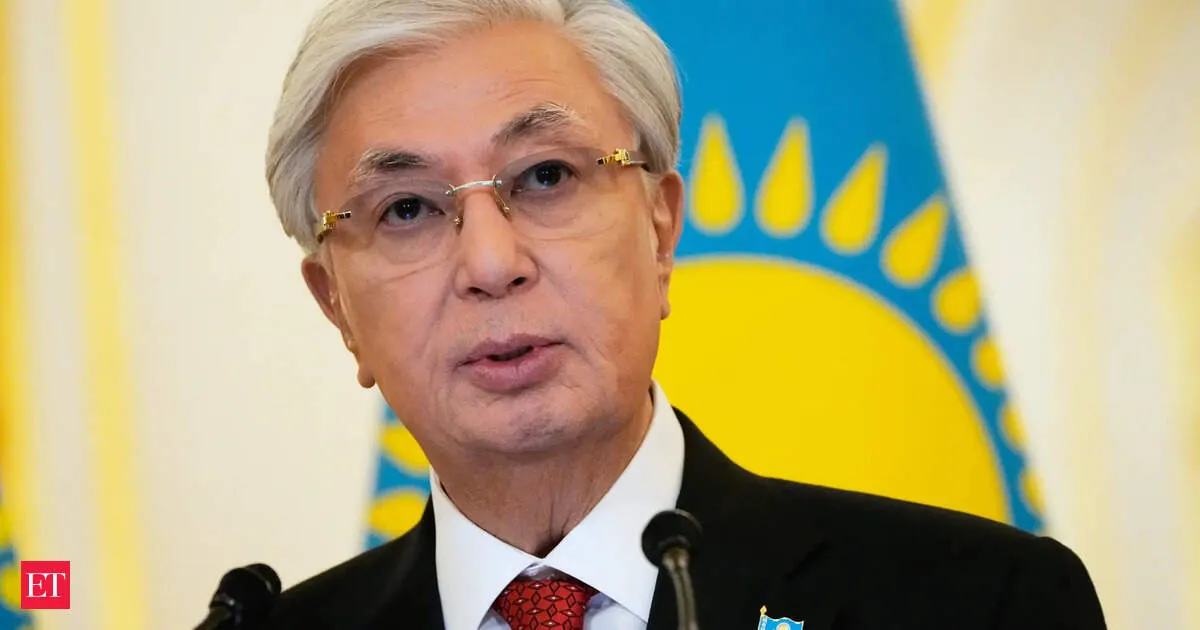
Kazakhstan President Kassym-Jomart Tokayev signed a May 12 decree to introduce artificial intelligence into the nation’s secondary education system, aiming for nationwide rollout as part of a 2026–2029 action plan. By July 1, the government will approve details covering personalized learning, digital infrastructure, teacher training, and safeguards for student personal data. Pilot projects are expected to start after proposals by June 1, with equipment and stable high-speed internet by Aug. 1. National AI standards are due by Sept. 1.
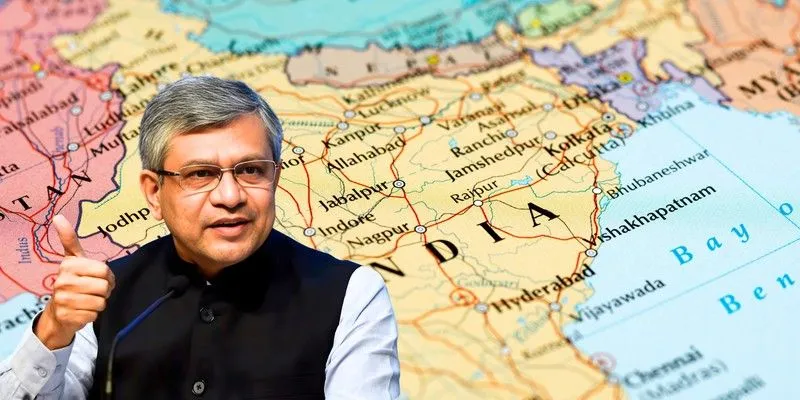
Electronics and IT Minister Ashwini Vaishnaw said AI-related job demand in India is rising 15–20 percent as industries transform to meet the new tech wave. Speaking at CII, he urged companies to partner with Nasscom for talent readiness. He also cited tax waivers for data centres until 2047, with about $200 billion investment underway, alongside new subsea cables and local AI server manufacturing.
Your news, in seconds
Get the Beige app — every story in 60 words, updated hourly. Free on iOS & Android.
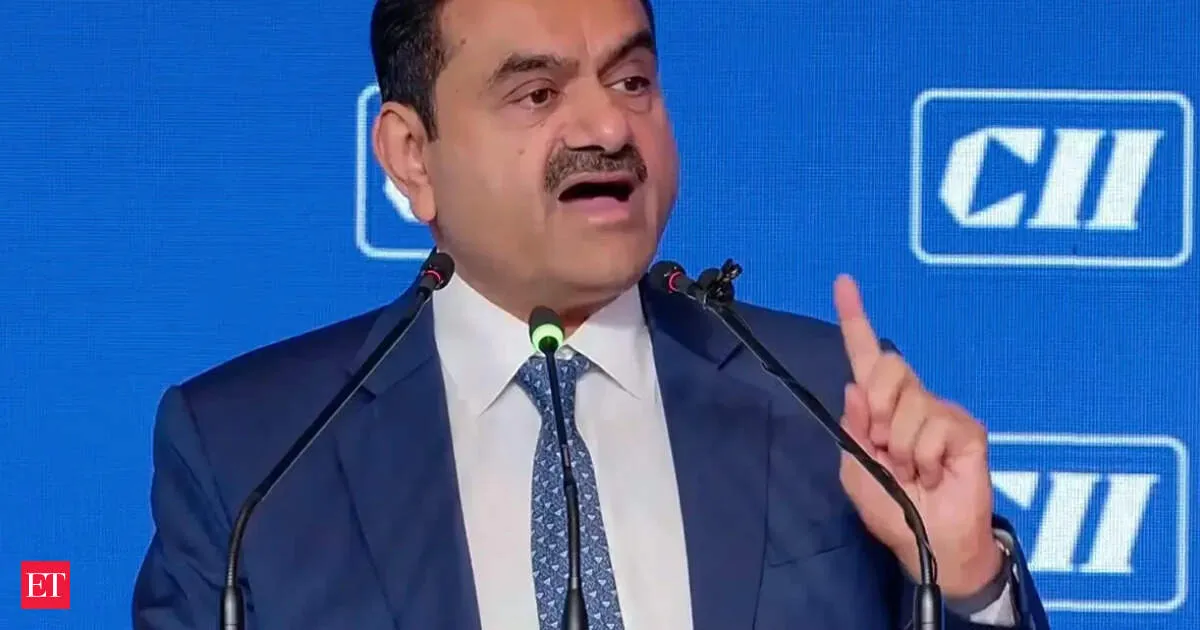
Gautam Adani has urged India to build, power, and own its own AI infrastructure on home soil, arguing the country should not “rent” its intelligence future. He links AI ambitions to energy and digital capacity, saying India’s scale is a powerful advantage. Adani Group, he notes, is already investing in energy transition and digital infrastructure.
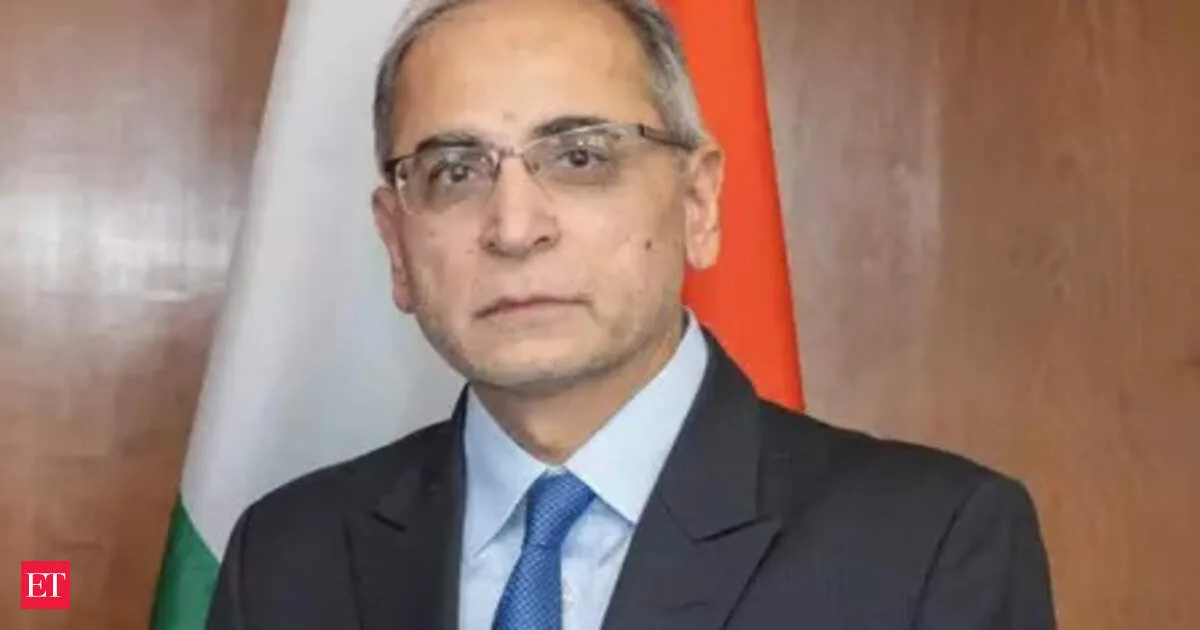
India’s ambassador to the US, Vinay Mohan Kwatra, says economic growth and prosperity are the main engines behind India’s transformation. He cites sustained 7 percent-plus GDP growth, governance reforms, and infrastructure expansion—including digital progress—while warning about a widening global “control regime” that could affect countries’ autonomy and development priorities.
Swipe through stories, personalise your feed, and save articles for later — all on the app.