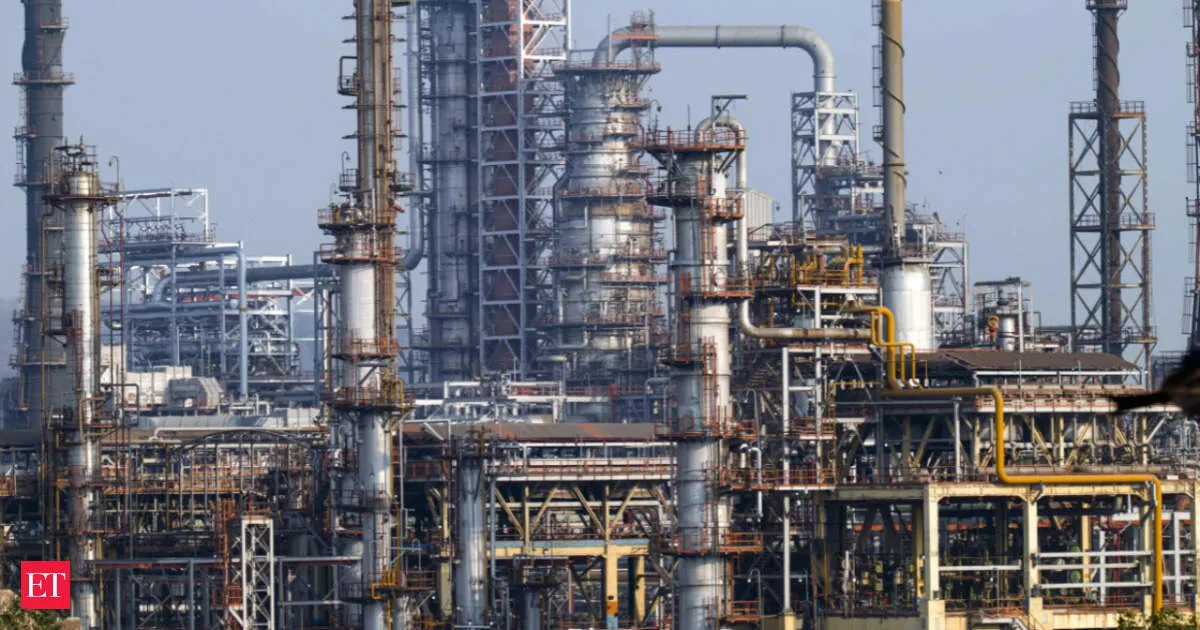
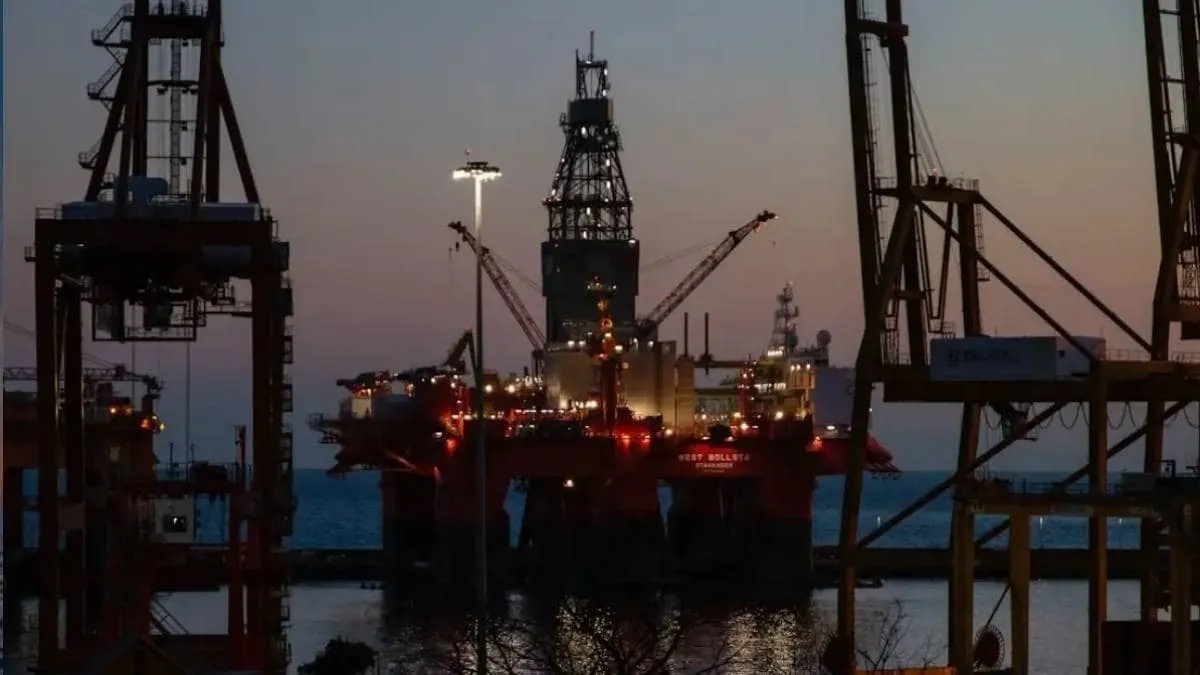
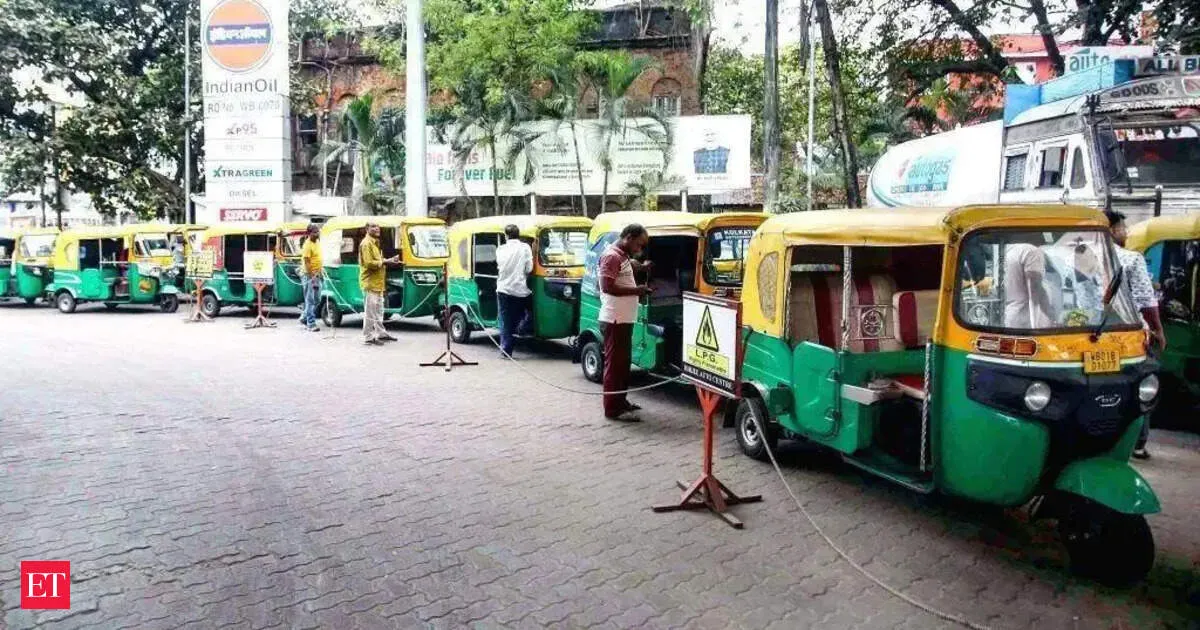
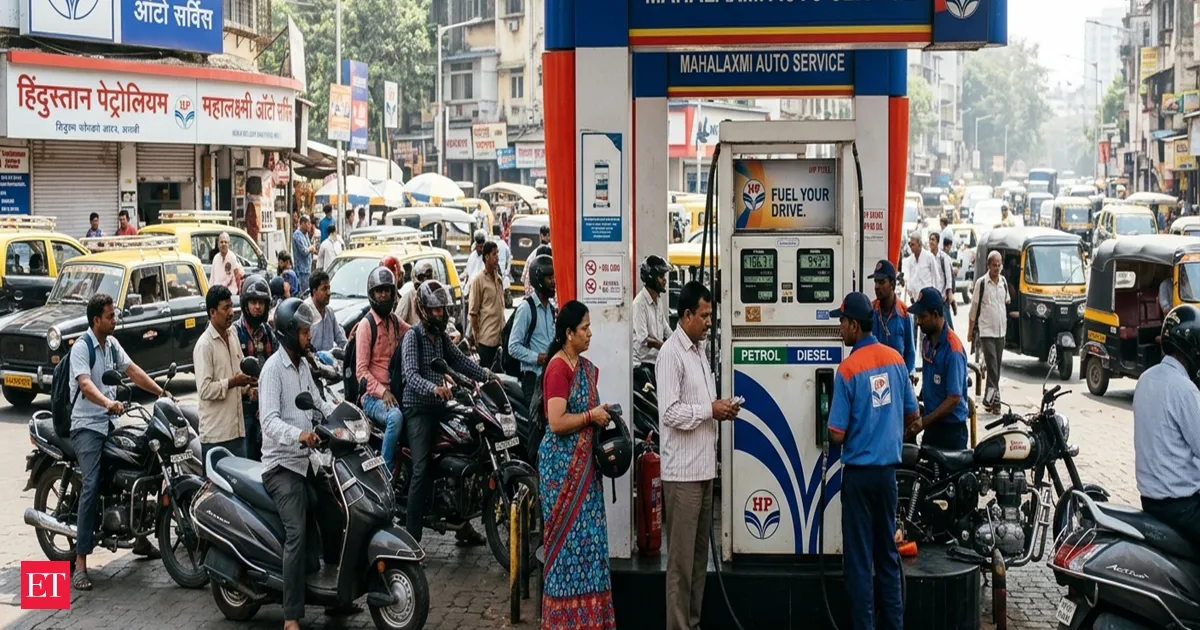
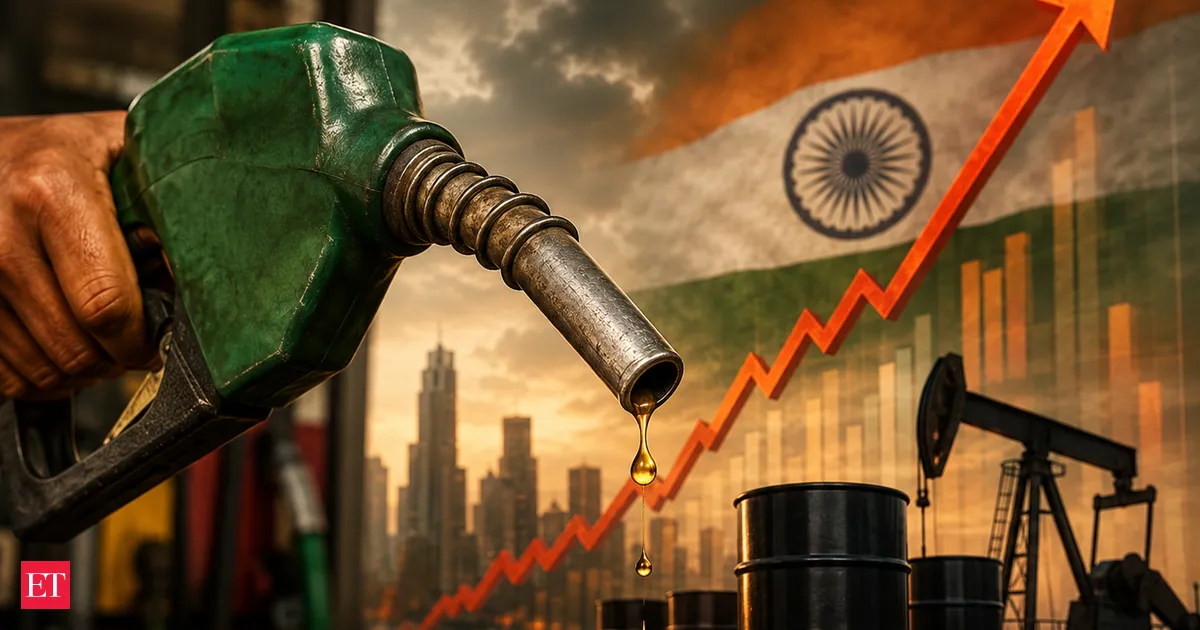
India raised petrol and diesel prices by Rs 3 per litre as state-run oil marketing companies absorb losses from global crude surging amid the West Asia conflict. Petrol and diesel had been unchanged for four years, but economists say the move could be the start of staggered increases. Further modest hikes may follow if crude stays above $100 per barrel and the Middle East situation persists, with analysts citing the duration of the US-Iran conflict and Strait of Hormuz for direction.
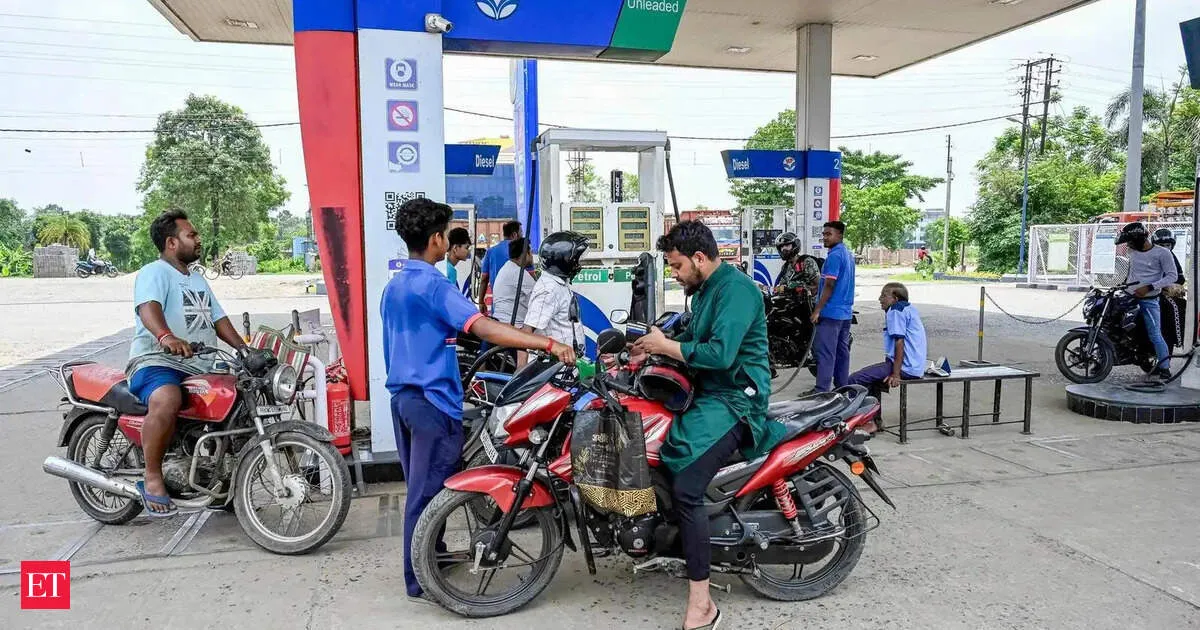
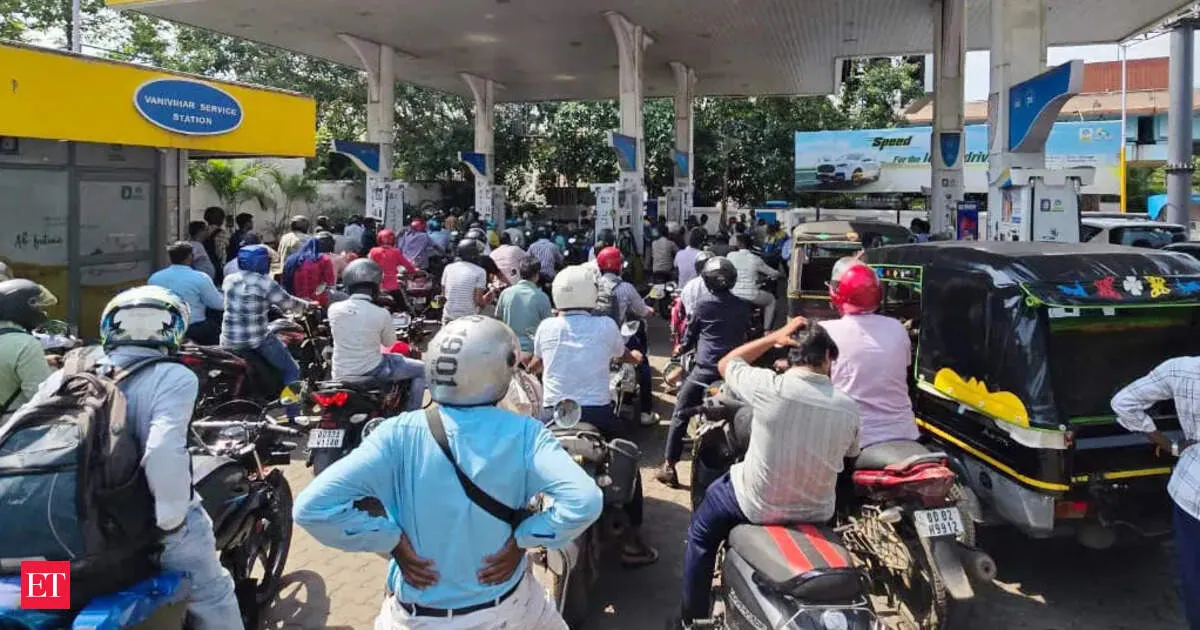
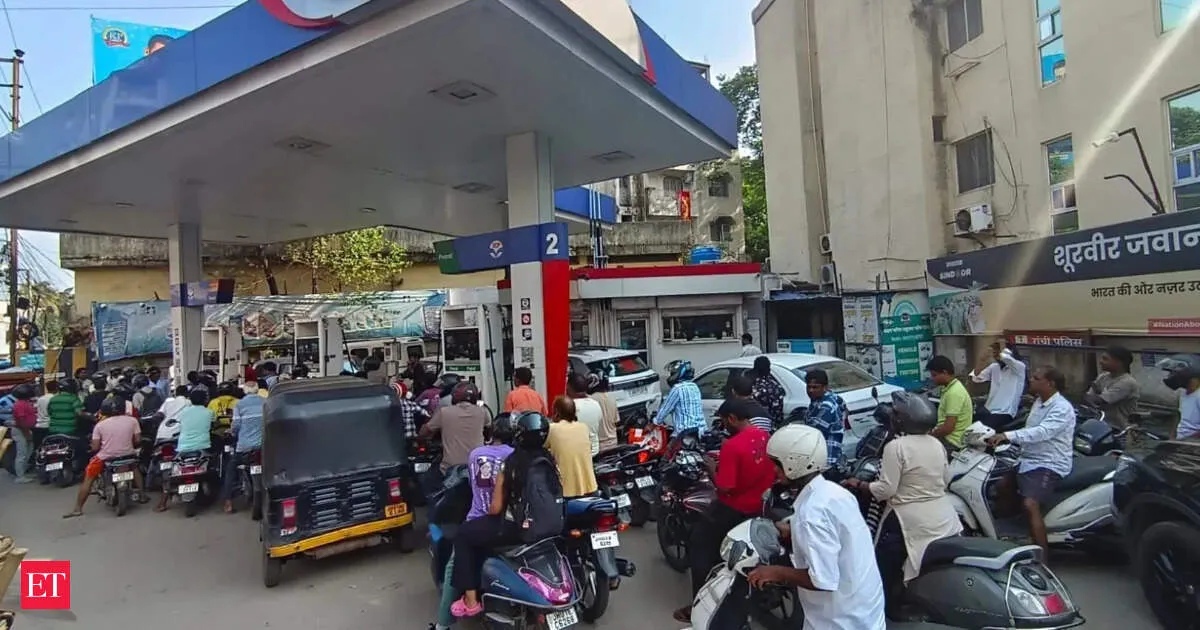
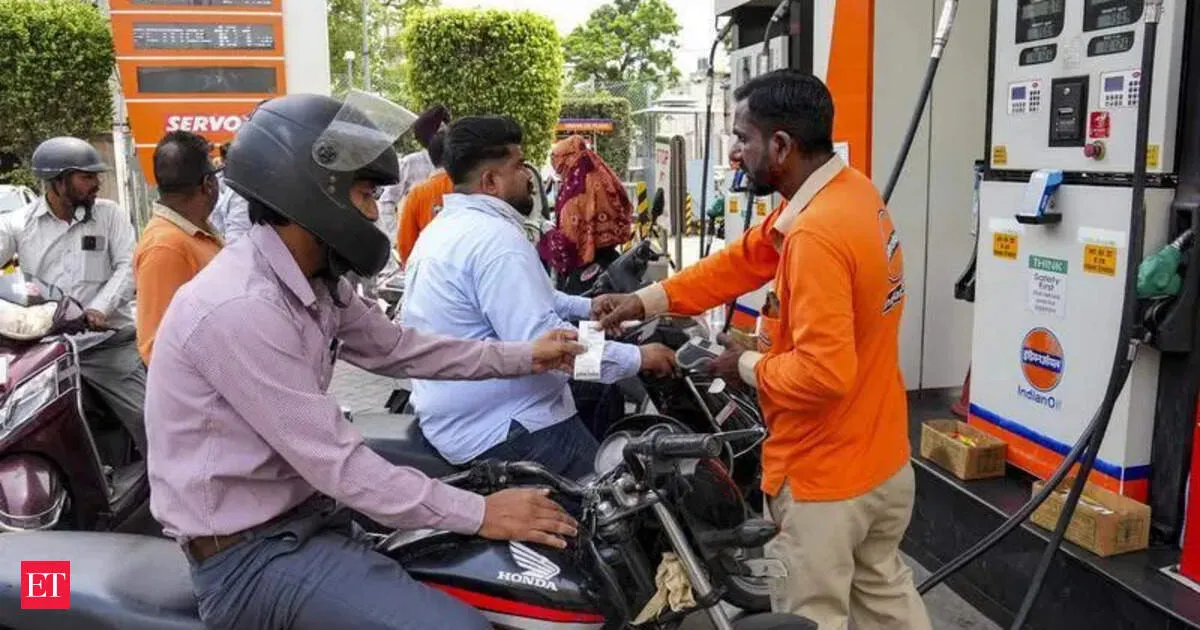
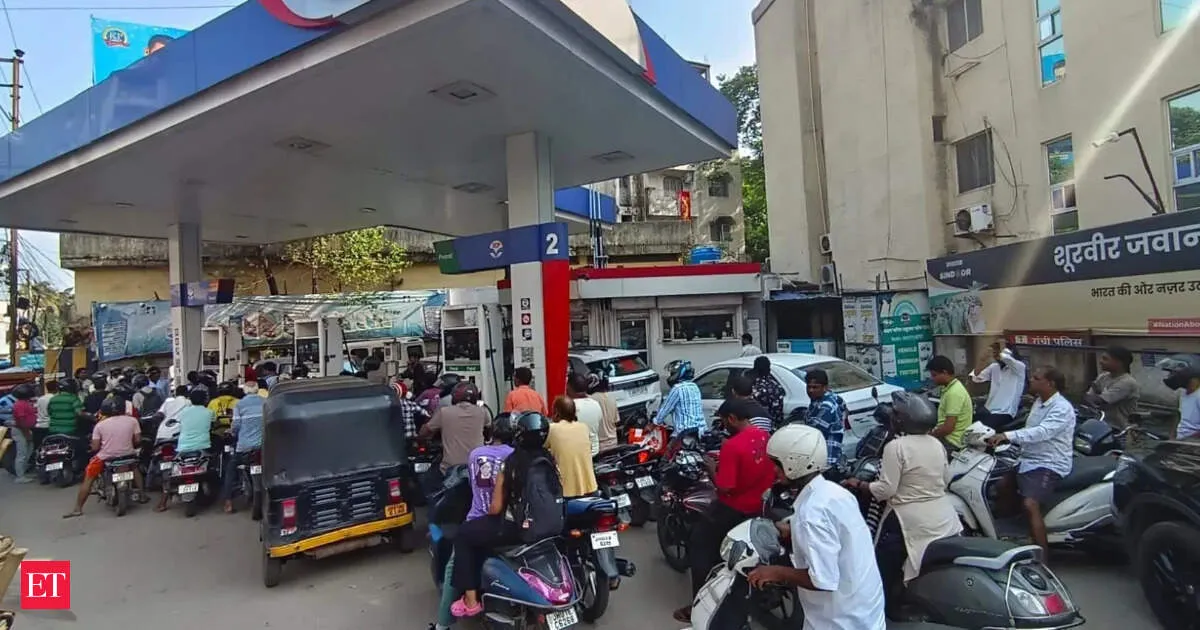
Odisha saw a sudden petrol and diesel panic as rumours of a shortage pushed hundreds to queue outside fuel stations in Bhubaneswar, Cuttack and other areas. The situation worsened after petrol and diesel prices were hiked by Rs 3 per litre, with commuters reportedly waiting hours in heat. Boat operators in Puri and Chilika and farmers using irrigation pump sets also struggled to get diesel. Oil companies insist there is no shortage and stocks exist for 10 to 13 days, though some pumps reportedly ran dry temporarily.
Your news, in seconds
Get the Beige app — every story in 60 words, updated hourly. Free on iOS & Android.
India’s latest petrol and diesel price increase could fan out into wider retail inflation, economists warn. Analysts estimate fuel hikes may add 10–25 basis points to headline CPI, with effects starting to show in May data and strengthening in June. Transporters expect road freight charges to rise 2.5–3% as diesel, tolls, tyres, maintenance and compliance costs climb. The squeeze may worsen further as rising milk prices stack on top of fuel-driven pressure on household budgets and food delivery.
State-run oil companies in India raised petrol and diesel prices by Rs 3 per litre, the first pump hike in four years, following crude surges after the Iran war. The government aimed to trim losses for fuel retailers but expects higher freight costs and added inflation pressure. While industry executives wanted a bigger increase, they say the revision fails to close the under-recovery gap. Procurement costs have risen sharply as the Indian crude basket and the rupee both worsened, with more hikes likely.
India has revised its energy export policy by imposing a special additional excise duty (SAED) of ₹3 per litre on petrol exports for the first time since the West Asia crisis began. From May 16, the government also cuts levies on diesel exports to ₹16.5 per litre (from ₹23) and on ATF to ₹16 per litre (from ₹33). At the same time, the road and infrastructure cess on petrol and diesel exports will be zero, while domestic fuel duty rates and consumer prices remain unchanged.
India’s Finance Ministry has raised the Special Additional Excise Duty on exported petrol, diesel, and Aviation Turbine Fuel, effective May 16. The SAED rates will be Rs 3 per litre for petrol, Rs 16.50 per litre for diesel, and Rs 16 per litre for ATF. Crucially, domestic excise duties are left unchanged, and the Road and Infrastructure Cess on these products is reduced to nil. Officials say the targeted export-focused change aims to boost revenue without moving retail pump prices.
Never miss a story
Set alerts for the topics and sources you care about. Download Beige for free.
India has introduced a windfall gains tax of ₹3 per litre on petrol exports, effective May 16, while cutting export levies on diesel to ₹16.5 per litre and aviation turbine fuel to ₹16 per litre. The Finance Ministry said road and infrastructure cess on petrol and diesel exports will be nil, with no change to duties for domestic consumption. The move follows West Asia conflict-linked volatility, aiming to boost domestic availability and curb exporters benefiting from global price gaps.
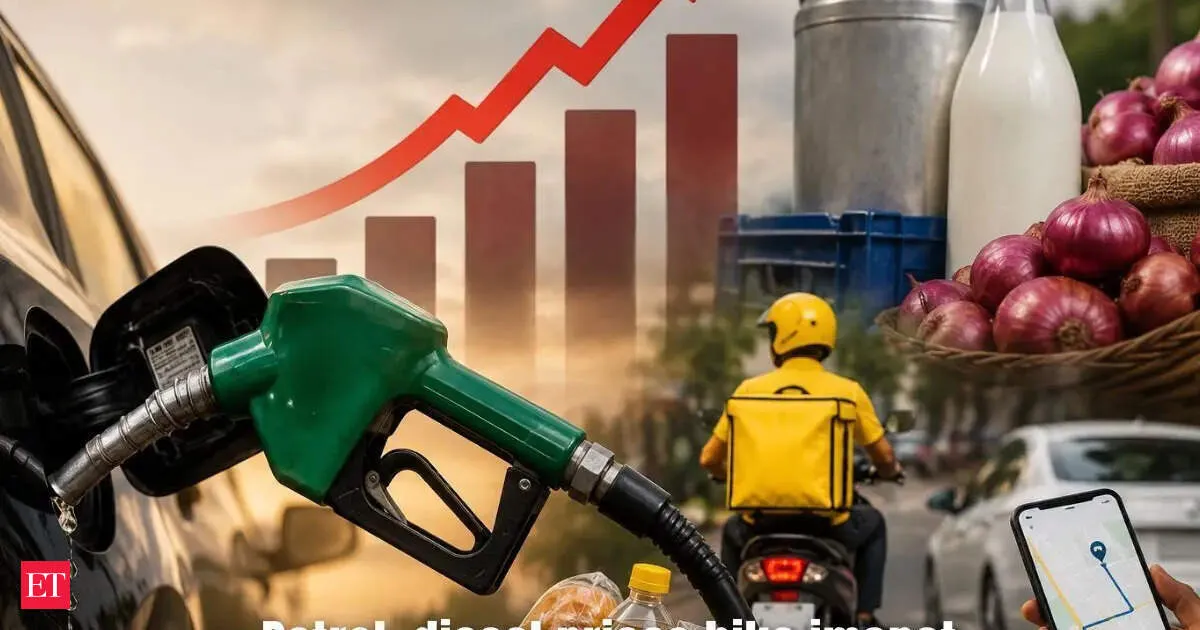
Petrol and diesel prices in India have risen by Rs 3 per litre, but the impact is unlikely to stay at the fuel pump. Because diesel and petrol power trucks, buses, generators and last mile delivery, the hike can ripple through transport and logistics costs. That means gradual pressure on prices of perishable essentials like vegetables, milk, curd and packaged foods. Delivery platforms, cab aggregators and even local transit and school transport could face higher fees or surge pricing if fuel stays elevated.
Fuel prices in India jumped on Friday by up to Rs 3 per litre, with petrol hitting Rs 97.77 in Delhi and diesel Rs 90.67. The move follows sustained global crude surges and tighter energy supplies tied to prolonged West Asia conflict. Analysts point to disruptions around the Strait of Hormuz, which reduces Gulf oil flows and raises import costs for India, which buys over 80% of its crude. State retailers had absorbed losses earlier, but buffers are now exhausted.
CNG prices have risen by ₹2 per kg in multiple regions, including Mumbai and Delhi, shortly after Oil Marketing Companies increased petrol and diesel rates. In Mumbai Metropolitan Region, the retail price has moved to ₹84 per kg, while Delhi’s rate has climbed to ₹79.09 per kg. The move is linked to higher global crude oil costs and disruptions around the Strait of Hormuz, forcing shipping reroutes and raising concerns about future fuel supplies despite enhanced naval surveillance.
Reading on mobile?
Open Beige in the app for a smoother experience — free on iOS and Android.
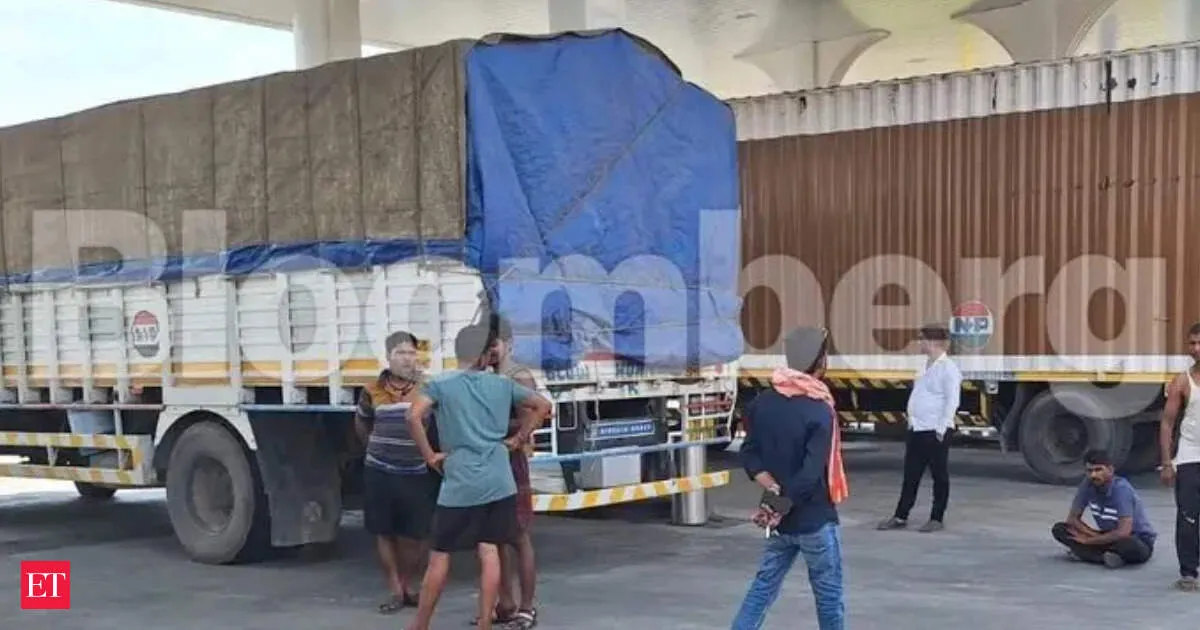
Indian truckers are stuck in long roadside lines as diesel availability tightens. Private fuel stations have reportedly cut sales or raised prices, while state-run companies struggle with demand and resulting shortages. The ripple effect is slowing the movement of goods nationwide, and a modest price increase is expected soon—though it may not fully offset losses for fuel firms.
Manipur authorities have dismissed claims of shortages of LPG, petrol, and diesel, saying supply is adequate. The government is countering misinformation and urging residents not to panic buy or hoard. It also warned that black marketing and illegal sales will face strict action. Fuel pumps flouting directives may face legal consequences as enforcement ramps up.
Indian state refiners are reportedly preparing a modest fuel price increase, with diesel and gasoline possibly up by around 5 rupees per liter. The rationale: mounting daily losses linked to the ongoing Persian Gulf war and the need to keep fuel affordable for consumers while stabilizing refinery finances.
The Union government moved to reassure Indians after Prime Minister Narendra Modi urged citizens to conserve fuel and adjust behaviour like using metro or carpooling during the West Asia crisis. Petroleum ministry officials said multiple measures have been taken to keep petrol and diesel supplies steady for common consumers, with minimal inconvenience, despite the heightened geopolitical situation.
Follow your favourite sources
Track sources, tags and categories — all in the Beige app.
Petrol and diesel prices across major Indian cities held steady on Monday, May 11. But Prime Minister Modi’s fresh appeal to conserve fuel, linked to West Asia tensions and climbing global crude prices, is raising expectations of an imminent hike. With state-run oil companies reportedly covering heavy losses, prices may soon be adjusted to balance the impact.
Prime Minister Narendra Modi asked Indians to use petrol, diesel, and gas with restraint, arguing that limiting imports can save foreign exchange. He linked excess dependence on imported petroleum to reducing exposure to war-related disruptions. Modi also highlighted India’s progress in solar power and ethanol blending, and inaugurated and laid foundations for projects worth about Rs 9,400 crore in Telangana.
Petrol and diesel prices stayed unchanged across India on May 10 despite oil marketing companies racking up losses of around Rs 30,000 crore per month as global crude costs rise. With sources warning that further increases may be on the way in the coming days, commuters may soon see fuel rates move after this brief pause.
Diesel engines still power many Indian SUVs thanks to torque and efficiency, but upcoming BS7 emission standards are expected to raise costs sharply. That may push buyers to reconsider diesel and explore alternatives like CNG, hybrids, or electric vehicles. Automakers are already expanding powertrain portfolios to match shifting regulations and customer preferences.
Stay informed on the go
Bite-sized news from 100+ trusted sources, right in your pocket.
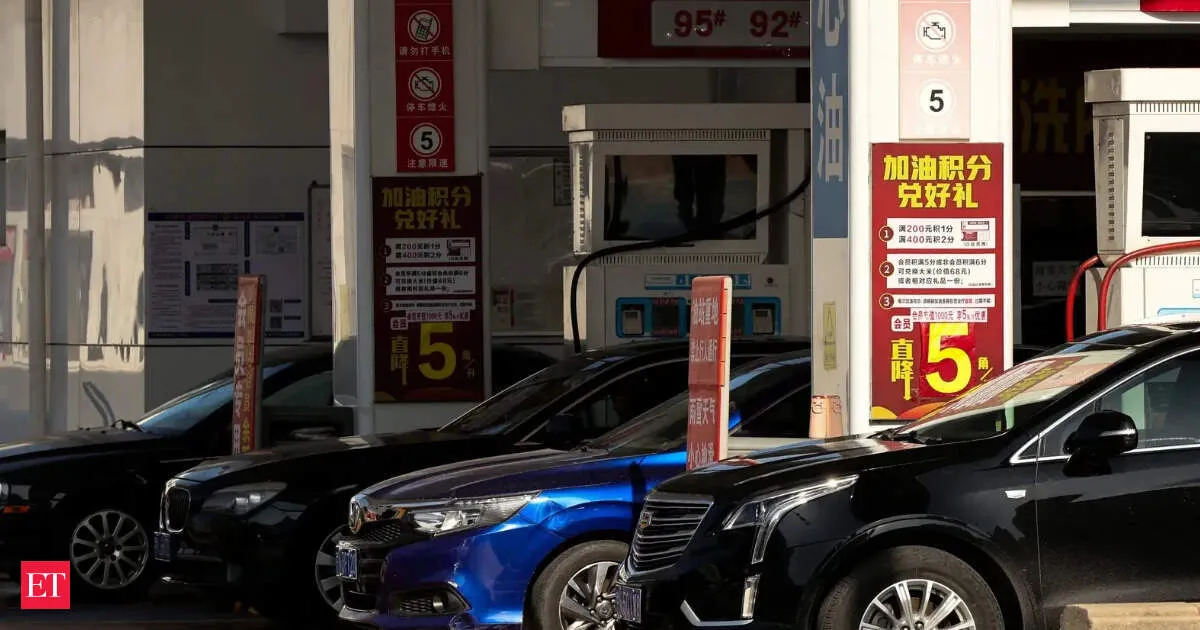
China plans to raise retail gasoline prices by 320 yuan per metric ton and diesel by 310 yuan per metric ton starting May 9. The decision comes after April’s reduction and suggests Beijing is adjusting its fuel pricing approach to deal with oil market swings. Drivers are likely to feel the increase soon at the pump.
With assembly elections over, speculation is growing that India may see petrol and diesel price hikes. Despite government assurances, the IMF urges the country to pass on rising crude oil costs to consumers, arguing it could curb demand and help the market adjust. The IMF also backs targeted subsidies for vulnerable groups rather than broad price controls.
Swipe through stories, personalise your feed, and save articles for later — all on the app.