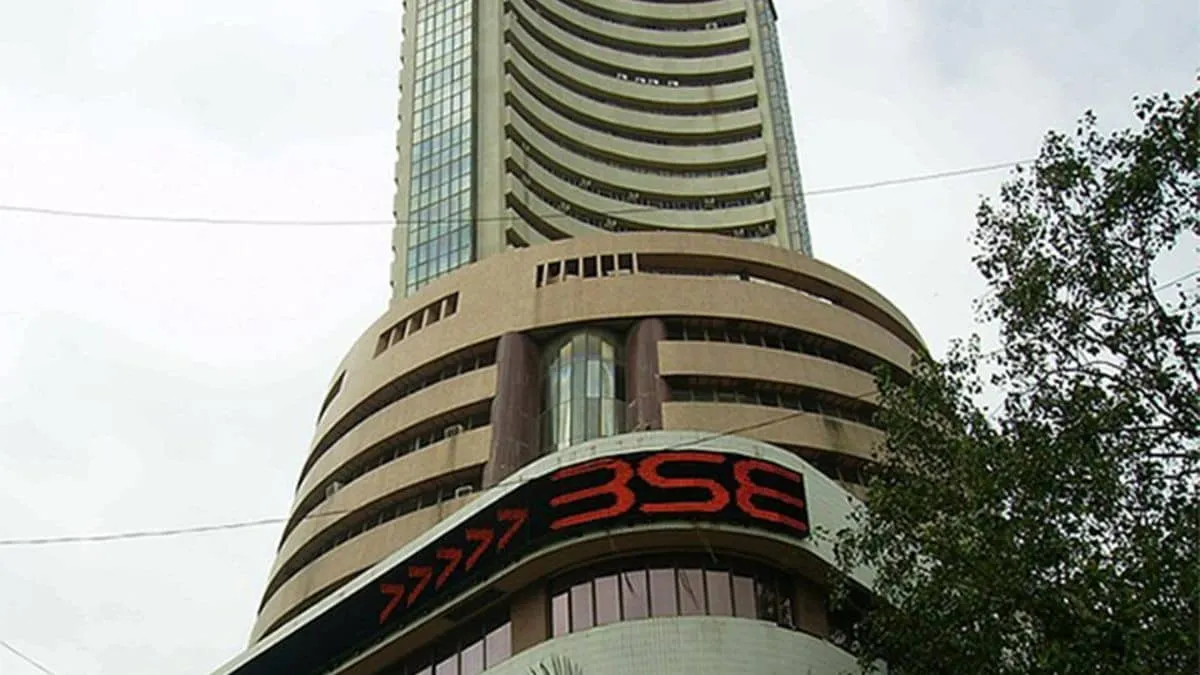
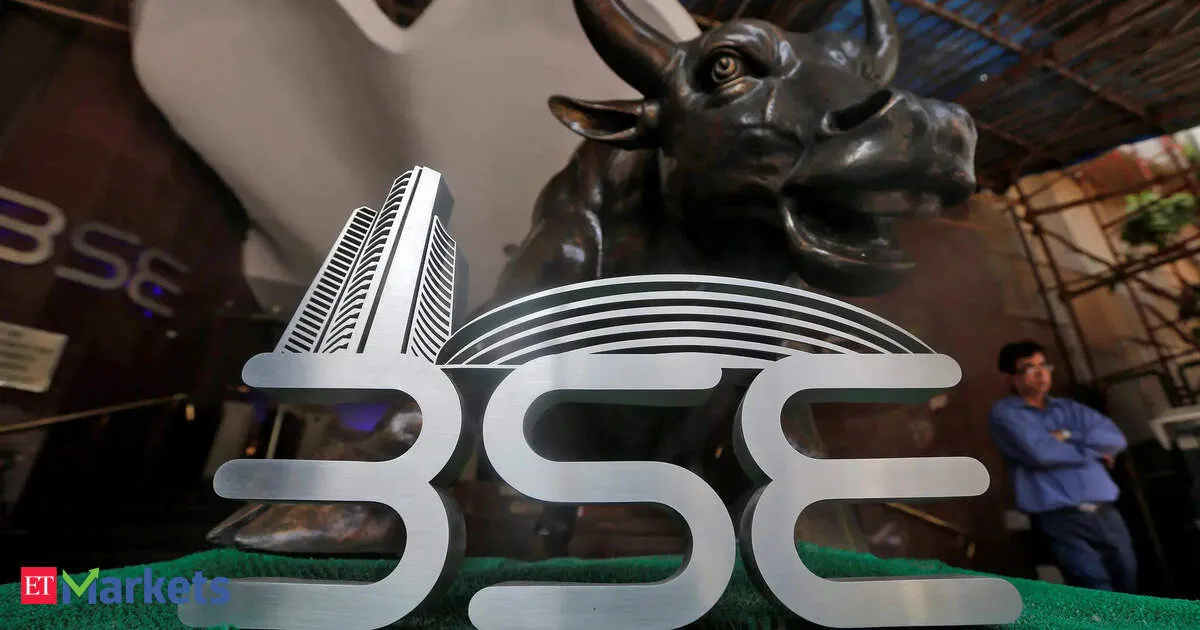
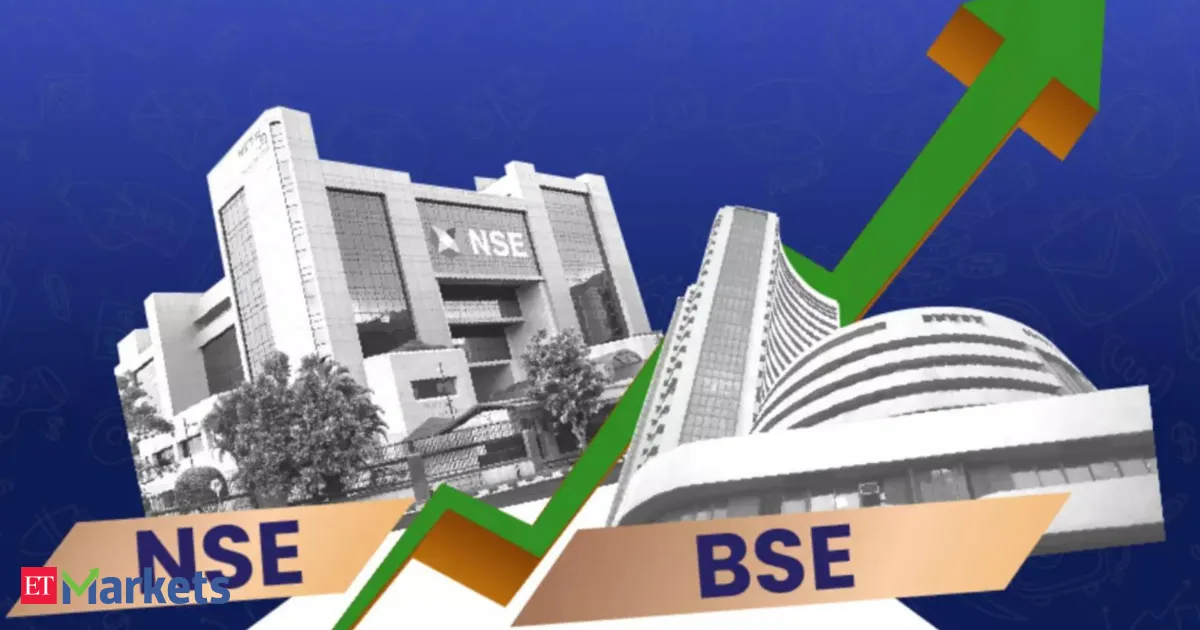
BSE’s weekly Sensex options relaunch has quickly upended the dominance of NSE in index derivatives. Exchange data shows average daily Sensex options premium turnover jumped from about Rs 2 crore in May 2023 to nearly Rs 33,000 crore by April 2026, alongside a surge in notional turnover. The push—via weekly expiry products, lower transaction costs, and broker incentives—drew retail and algorithmic traders, boosting BSE revenue, profits, and market share even as SEBI tightened derivatives rules after retail losses.
Sebi has floated proposals to simplify the rules for exchange-traded and commodity derivatives, aiming to cut compliance burden and uncertainty. In a discussion paper, it suggests deleting close-to-money (CTM) option series and related norms for commodity options in goods, arguing CTM adds complexity and pricing risk. It also wants fewer mandatory PAC meetings for non-agricultural commodities, down from two annually to one. Further, exchanges could shift contract expiry earlier during disruptions with managing director approval instead of 10-day notice and PAC clearance.
Your news, in seconds
Get the Beige app — every story in 60 words, updated hourly. Free on iOS & Android.
SEBI has launched a consultation proposing a broad overhaul of exchange-traded derivatives rules to reduce compliance load on stock exchanges and clearing corporations. In a May 14 paper, the regulator plans to simplify master circulars, remove redundant provisions, and streamline operational requirements across equity, currency, commodity and interest rate derivatives. Key ideas include deleting the commodity CTM option series, cutting mandatory Product Advisory Committee meetings, and letting exchanges advance contract expiries during disruptions with “adequate notice” instead of a fixed 10-day timeline.
SEBI is considering easing borrowing norms for mutual funds, potentially allowing intraday borrowing for a broader range of purposes. The regulator is weighing uses such as meeting trade settlement obligations, handling forex transactions, funding derivative margin requirements, and addressing other short-term liquidity needs—aiming to reduce operational stress without compromising oversight.
The NSE has withheld ₹78 crore in settlement payouts to more than 3,000 clients through 160 brokers after a police complaint alleged unauthorised Nifty options trades were made from a client’s demat account on May 5. Exchange payouts were frozen while authorities assess the complaint, leaving affected traders and brokers in limbo over settlement delivery.
BSE has rolled out India’s first futures and options contracts linked to the Focused IT Index, giving traders and investors new tools to hedge or bet on technology stocks. The launch drew strong participation, with debut day turnover hitting Rs 148 crore, underscoring rising appetite for sector-specific derivatives as market dynamics and global tech themes evolve.
Never miss a story
Set alerts for the topics and sources you care about. Download Beige for free.
BSE logged its strongest financial year ever, crossing ₹5,000 crore in revenue for the first time in 150 years. The exchange is also ramping up derivatives with new products such as the Focused IT Index derivative. On the retail and foreign front, BSE is pushing BSE Star MF to onboard new investors and targeting a sharp rise in foreign portfolio investor participation.
BSE posted its best-ever performance in 150 years, with Q4 profit jumping 61% to ₹797 crore. Yet shares slid 3.3% to ₹3,832 after analysts pointed to a 57x valuation and rising concern around derivatives risk, especially in the weekly options segment. Investors appear to be booking gains despite the earnings beat, looking for regulatory clarity.
Jefferies projects Sensex weekly options on BSE could scale up to match Nifty’s by FY29, backed by robust derivatives momentum. Still, the brokerage cautions that valuations look stretched and risks tied to regulation and product concentration remain. While it expects growth, it keeps BSE on a cautious Hold stance, signaling investors to tread carefully.
Bombay Stock Exchange shares fell about 3% after reporting a strong March quarter, with net profit rising 61% to Rs 797 crore. Revenue surged 85% to Rs 1,564 crore, driven largely by transaction charges up 114% year-on-year. Despite the results, market reaction stayed cautious as weekly contract changes pressured sentiment, though analysts still see upside for derivatives growth.
Reading on mobile?
Open Beige in the app for a smoother experience — free on iOS and Android.
Reports said BSE has overtaken NSE in derivatives F O turnover, but the apparent shift may be more accounting than behavior. Analysts point to notional turnover as a misleading metric that can inflate BSE’s totals, while premium turnover—seen as a truer activity gauge—still keeps NSE in the lead. Holiday effects also distorted volumes. Overall market activity declined, not structurally shifted.
Global bond traders are increasingly pricing in a potential Federal Reserve rate hike before any cuts, according to derivatives markets showing more than a 50% probability by April. The shift is linked to heightened policy uncertainty, greater hedging demand, and leadership transition risks, with Kevin Warsh expected to take charge amid pressure on the Fed to lower rates.
Godrej Properties was among five F&O stocks where futures open interest surged sharply on May 05, pointing to fresh positioning and stronger trading activity. Vedanta and Hyundai Motor India also saw the move, while overall open interest rose more than 10%. The spike suggests heightened participation in derivatives as momentum builds in select counters.
Vedanta is among five NSE F&O stocks that saw a sharp rise in futures open interest on May 4, signaling a jump in derivatives activity. Such spikes typically point to traders building fresh positions or adding exposure, often reflecting stronger conviction and a near-term directional bias in price movement for these counters.
Follow your favourite sources
Track sources, tags and categories — all in the Beige app.
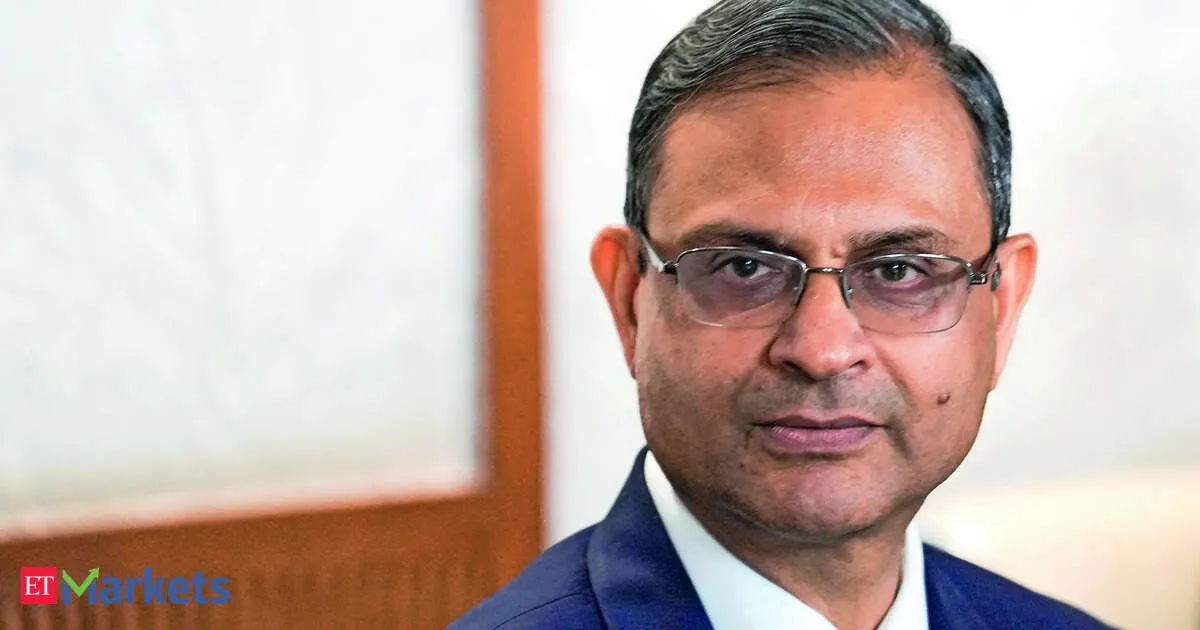
RBI Governor Sanjay Malhotra has pushed Indian banks to step up as global market-makers for the rupee, aiming to regain offshore trading share. He cited shortcomings in rupee derivatives and said tighter foreign exchange market rules are already in place to curb volatility, reshaping how banks manage currency risk and liquidity.
Indian markets ended lower on Tuesday after a volatile session linked to monthly derivatives expiry. Traders say the Nifty is trying to stay above its 20 DEMA around 23,950, but weakness in banking stocks may derail any rebound. Investors will track Q4 results and company-specific updates for names like Bajaj Finance and Eternal, alongside Airtel and Maruti Suzuki.
The Reserve Bank of India will extend oversight to offshore rupee derivative activity by requiring authorized dealers to report over the counter FX contracts, including deliverable and non deliverable types. The change is meant to improve price discovery and reduce volatility. Implementation will be phased, starting July 2027, giving banks time to adjust their reporting systems.
The RBI has issued reporting instructions requiring authorised dealer category I banks to report overseas rupee OTC derivative contracts to CCIL. The move is designed to improve transparency and oversight in the derivatives market by strengthening the availability of trade data. Banks are expected to follow the new directions as part of the regulator’s broader market monitoring efforts.
Stay informed on the go
Bite-sized news from 100+ trusted sources, right in your pocket.
New RBI limits on banks’ net open rupee positions sparked sharp swings in dollar rupee forwards. The domestic and overseas rate gap widened early as banks expected to sell dollars locally, then narrowed quickly when banks shifted to a wait and watch stance. With expectations of possible RBI relief, the difference settled close to the near-Friday closing level.
The RBI has withdrawn its April 1 directive that limited banks from offering non-deliverable forward (NDF) contracts and prohibited rebooking of cancelled foreign exchange derivative trades. The change restores operational flexibility for lenders, enabling a smoother forex derivatives workflow and potentially improving market liquidity for hedging and trading.
Swipe through stories, personalise your feed, and save articles for later — all on the app.