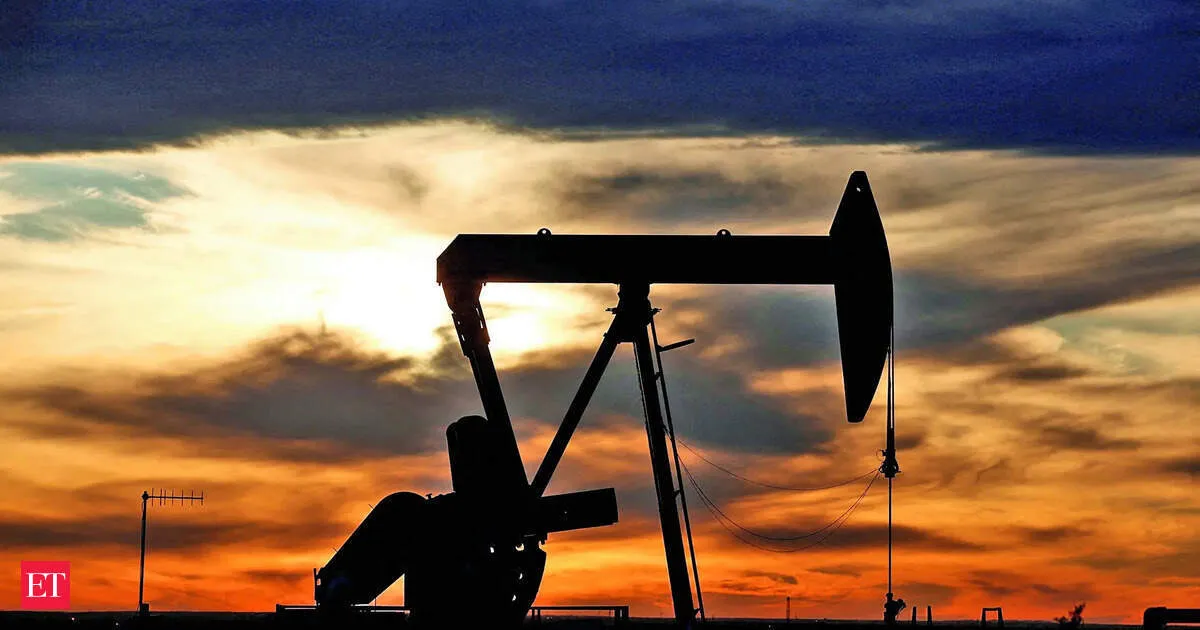
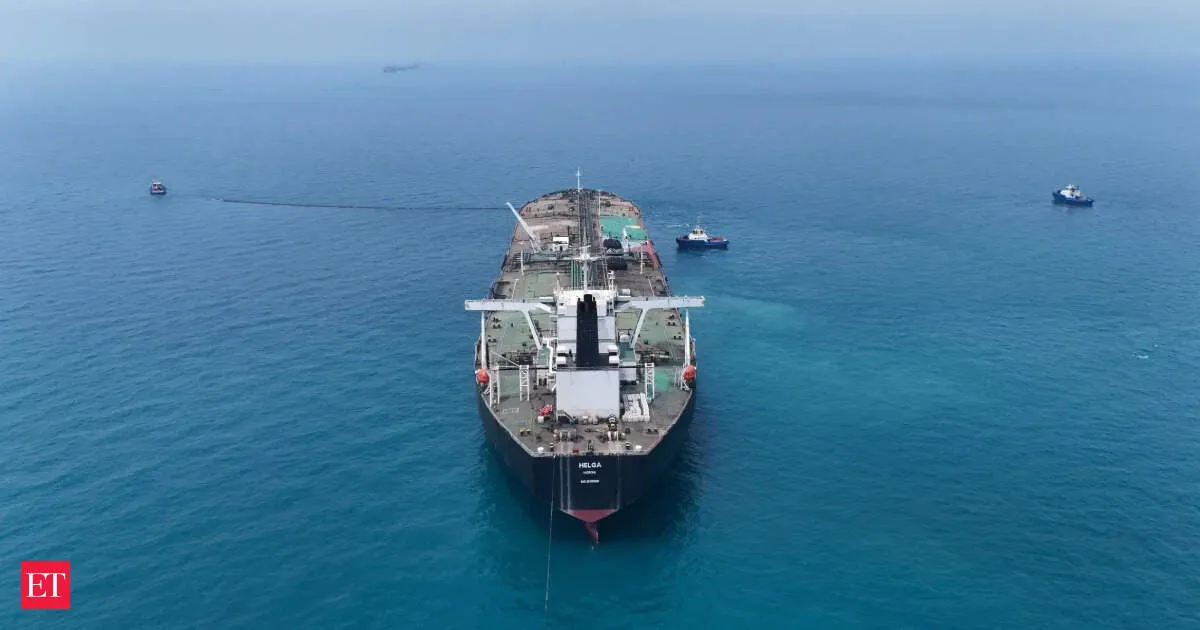
A Hormuz-area shutdown tied to the Iran war is accelerating the global drawdown of oil inventories, worsening supply disruptions expected to last months. The IEA warns stocks are falling at a pace not seen since the Covid period, while demand is plunging and oil prices face sustained pressure. Some early signs hint the drawdown may start easing, but tightness could persist into October.
India’s increased import duty on gold and silver could keep jewelry demand under pressure for up to a year, Senco MD Suvankar Sen said. Senco Gold expects volumes to fall 10–15% as shoppers shift toward lighter jewellery. The higher duty is intended to conserve foreign exchange reserves and support economic stability amid ongoing global uncertainty.
Your news, in seconds
Get the Beige app — every story in 60 words, updated hourly. Free on iOS & Android.
India’s real GDP growth is projected at 7.2% for Q4 FY26, with full-year FY26 growth expected to reach 7.5%. The forecast points to resilient rural and urban consumption as the main engine. Looking ahead, real GDP growth for FY27 is estimated at 6.6%, balancing global economic headwinds with steady domestic demand.
Oil prices jumped about 1 after sharp losses as investors tracked Middle East peace prospects. Analysts expect supplies to stay tight even if a deal is reached, because shipments would need time to restart. The rise is also supported by falling U.S. crude and fuel inventories and the approach of peak summer demand.
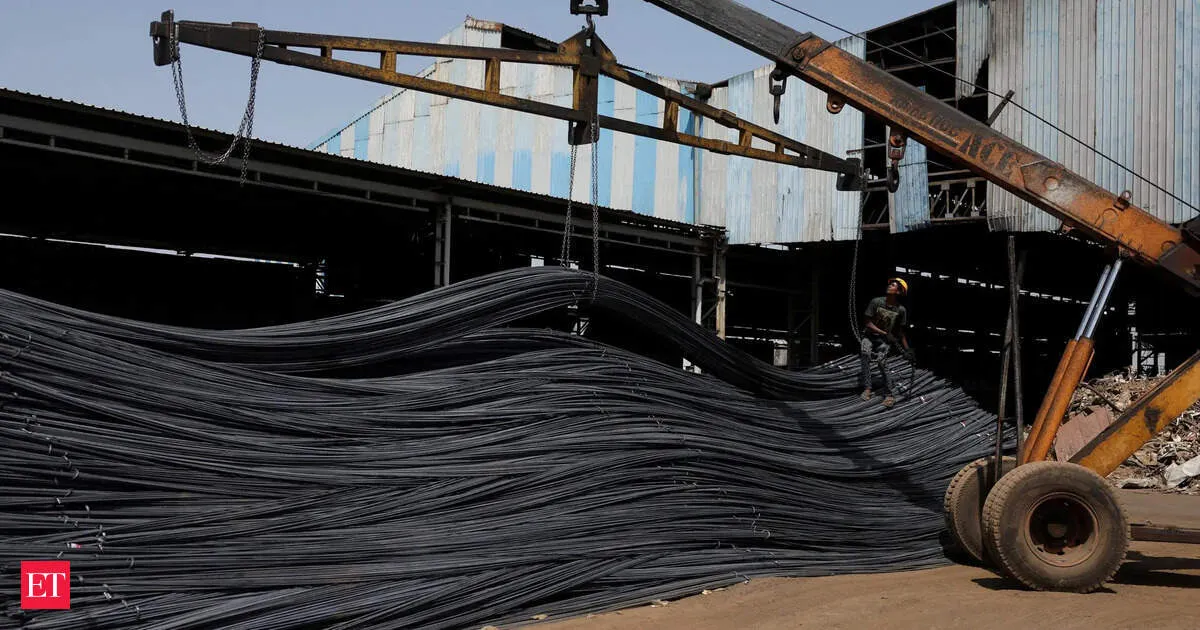
India’s steel sector posted strong April growth in 2026, with crude output up 5.8% and steel consumption rising 8.1%. The uptick points to firm domestic demand across infrastructure and manufacturing, alongside fresh capacity expansion plans. Green steel efforts are advancing too, with certifications reaching many producers, while domestic prices show signs of recovery.
India is not planning to restrict sugar exports for now even as weaker demand emerges. While output is expected to be lower, stable local prices suggest the demand slowdown is offsetting the supply gap. Government sources say available stocks are sufficient, and new export deals have slowed as firmer domestic prices meet global disruptions. Output is forecast to broadly match consumption in 2025-26.
Never miss a story
Set alerts for the topics and sources you care about. Download Beige for free.
India’s palm oil imports fell 27% in April to the lowest in a year as sluggish institutional demand and a narrower price advantage versus competing oils weighed on purchases. The drop may spill into global palm oil futures. At the same time, imports of soyoil and sunflower oil surged, lifting overall edible oil imports to a 2026 high.
Indian aviation is bracing for margin squeeze as aviation turbine fuel costs stay elevated. Analysts warn airlines may respond by cutting discounts and raising fares, while some routes could be reviewed. If crude and ATF prices surge further, demand may soften. With connectivity at risk, the government may need to step in with support to keep key routes viable.
Hindustan Unilever says it will take calibrated price increases to offset rising input costs, while prioritising volume-led growth. The company believes volumes in daily essential categories will hold steady thanks to low price elasticity. HUL is also pushing savings across operations to manage short-term pressure without derailing its long-term growth plans.
United and American Airlines executives are telling investors they expect fares to remain elevated, even if fuel prices ease. Their pitch: passenger demand is still resilient enough to absorb recent price increases. With airlines planning around strong booking trends rather than cost swings alone, higher airfares may persist longer than many travelers expect.
Reading on mobile?
Open Beige in the app for a smoother experience — free on iOS and Android.
The closure of the Strait of Hormuz is disrupting global oil flows, with experts warning that dwindling stockpiles could trigger a sharp demand drop. As supply tightens and uncertainty grows, oil prices may spike, forcing households to cut spending. The ripple effect is already hitting multiple industries, reshaping consumer markets worldwide.
Silver prices fell sharply by Rs 2,577 to Rs 2.38 lakh per kilogram in national capital futures trading on Friday. The drop was linked to weak market trends and subdued demand from investors, suggesting cautious sentiment despite earlier volatility in commodities. Traders will now watch whether buying interest returns to halt the slide.
Gold demand for Akshaya Tritiya fell around 30% by volume as prices rose nearly 60% year-on-year, discouraging bigger purchases. Buyers stayed within budgets, opting for lighter jewellery, small coins and exchange-led buying. Millennials leaned toward solitaires in the ₹75,000 to ₹2.5 lakh range, signaling a clear shift to affordability over luxury.
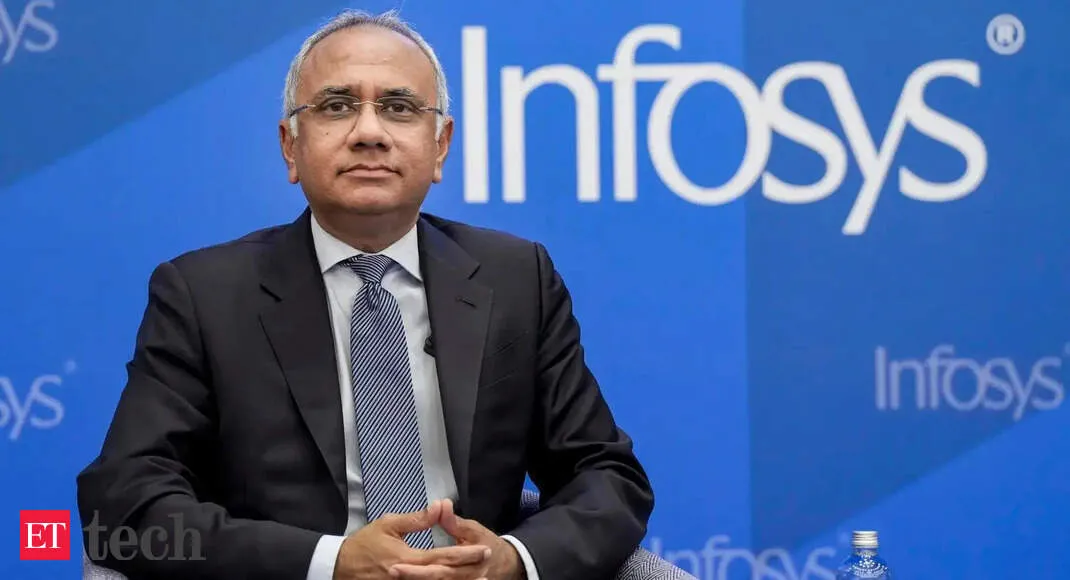
Infosys ended FY26 on a strong note, with Q4 profits rising as demand picked up from banking, energy, and communication clients. The turnaround in these key verticals helped lift performance, setting the tone for what investors will watch next. Meanwhile, other tech updates in the news cycle also kept attention on India’s broader digital marketplace.
Follow your favourite sources
Track sources, tags and categories — all in the Beige app.
Steelmakers are expected to post a major profit surge in the March quarter, backed by seasonal demand and a new protectionist measure. Analysts forecast higher steel prices and stronger volumes will offset rising coking coal costs. SAIL is projected to see the steepest profit growth, while improving India’s trade balance and steady domestic demand strengthen the sector’s outlook.
Swipe through stories, personalise your feed, and save articles for later — all on the app.