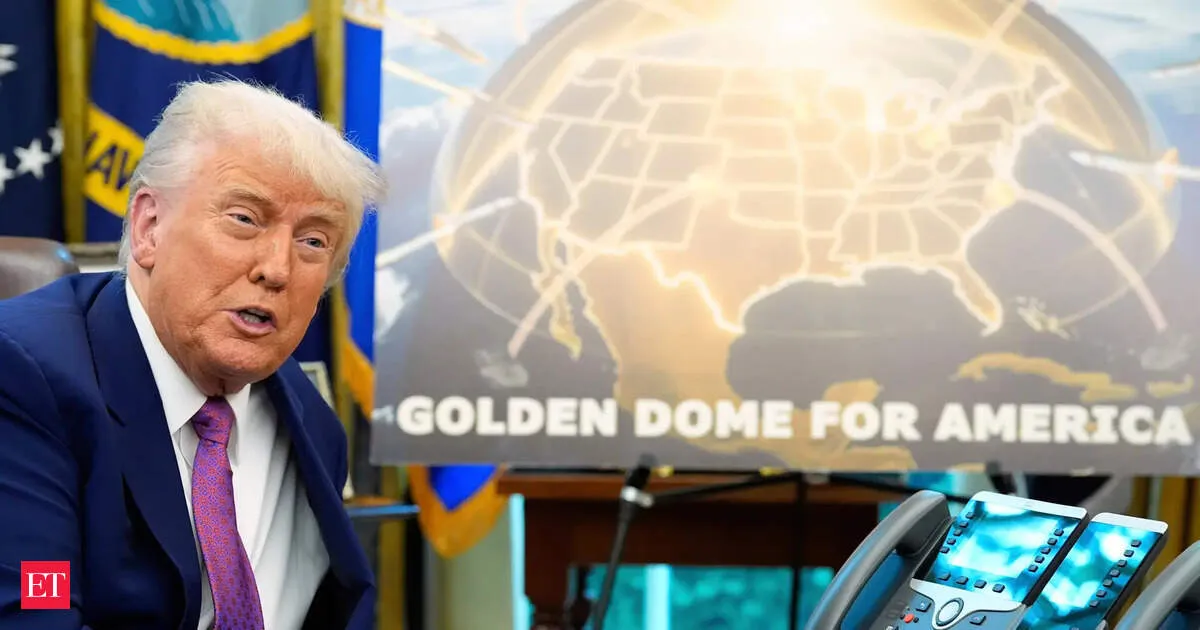
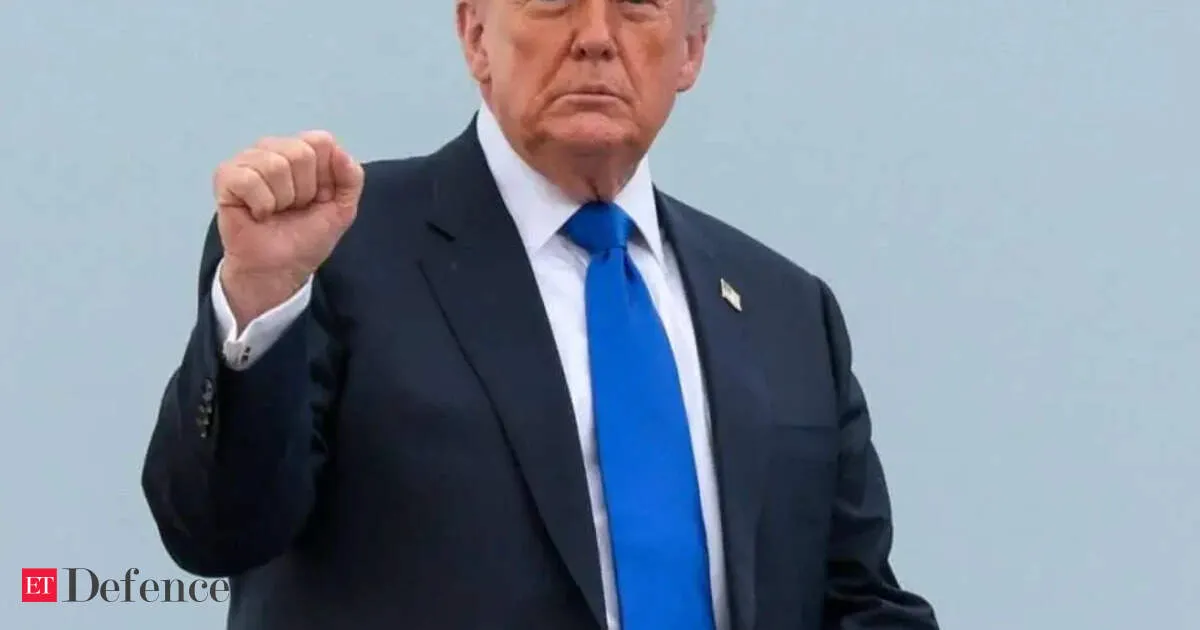
A new Congressional Budget Office analysis estimates President Donald Trump’s “Golden Dome” missile defense plan will cost about USD 1.2 trillion over two decades. The figure is far higher than what was initially presented, underscoring the scale of funding required for the proposed system aimed at protecting the United States.
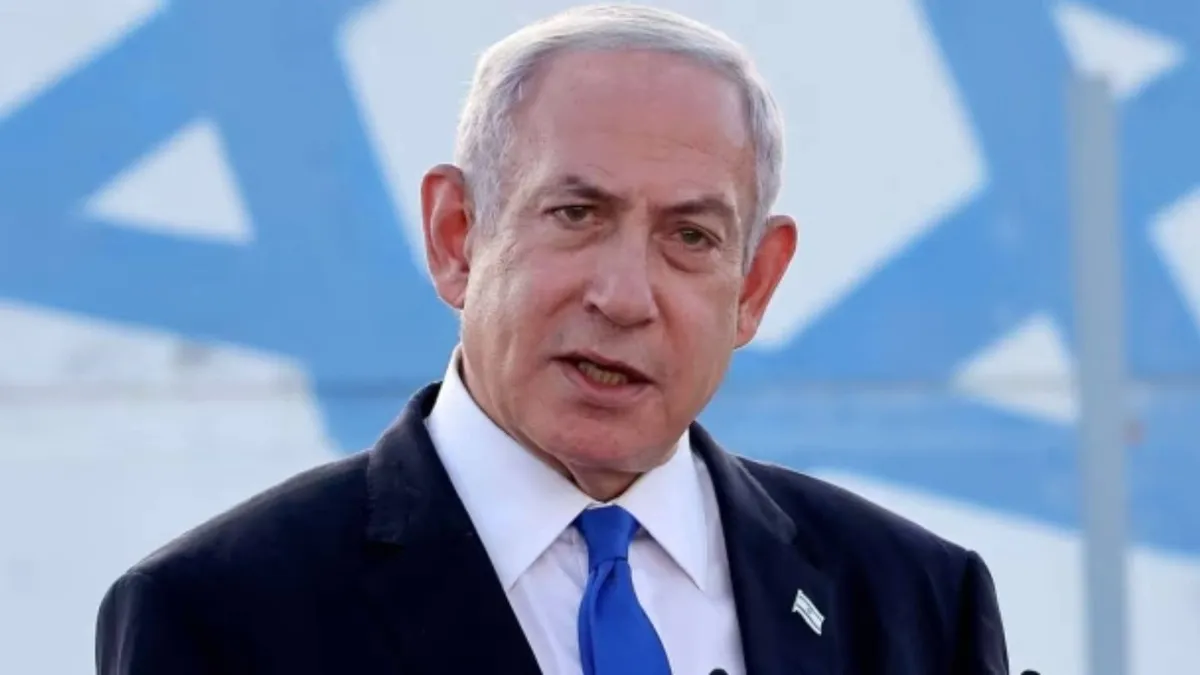
Amid intensifying Iran tensions, Israeli Prime Minister Benjamin Netanyahu announced plans to buy advanced fighter aircraft, including F-35 and F-15IA jets. The move is paired with a major investment push to strengthen Israel’s domestic defence industry, aiming to reduce dependence on foreign suppliers. Netanyahu also referenced next-generation “blue and white” aircraft built using homegrown Israeli technology.
Your news, in seconds
Get the Beige app — every story in 60 words, updated hourly. Free on iOS & Android.
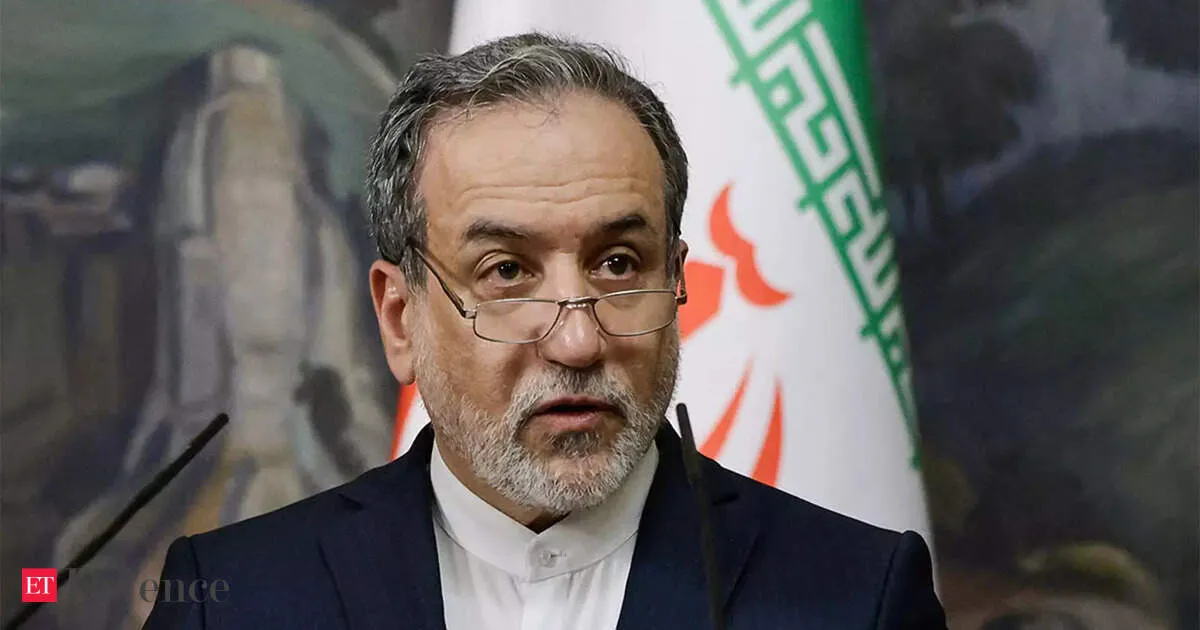
Iran’s foreign minister Seyed Abbas Araghchi accuses the Pentagon of understating war costs, saying the US has already paid $100 billion directly for the conflict. He adds that indirect expenses are far higher, estimating each American household is effectively hit with about $500 per month. The claim escalates Iran US tensions amid ongoing hostilities.
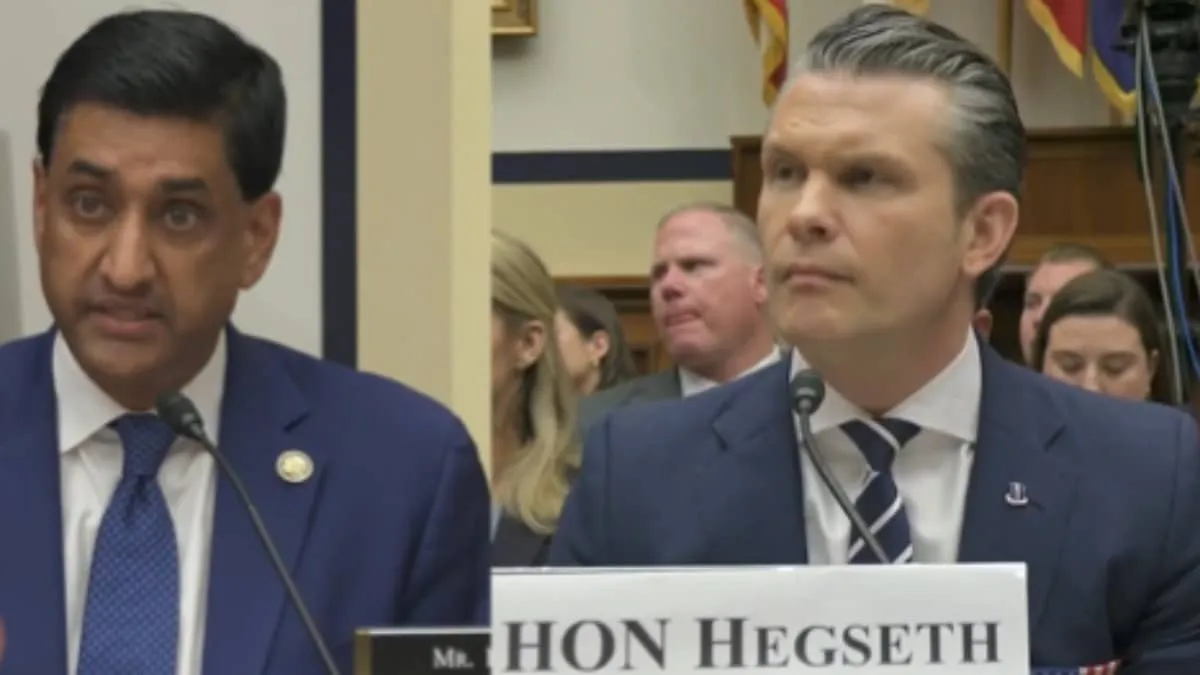
US Defense Secretary Pete Hegseth and Rep. Ro Khanna ignited a heated exchange during a House Armed Services Committee hearing. The dispute centered on the claimed $631 billion economic impact of a US-Iran conflict, with sharp back-and-forth over nuclear security spending and accountability. The moment underscored how quickly fiscal arguments are fueling major policy fights in Washington.
Donald Trump has threatened to reduce US troop presence in Germany, pointing to a dispute with Chancellor Friedrich Merz. The clash reportedly follows differing views on the war with Iran and its wider economic fallout. Merz has warned that the conflict could hurt global growth, while Trump has previously pushed Germany on defense spending—despite the US still operating major facilities there.
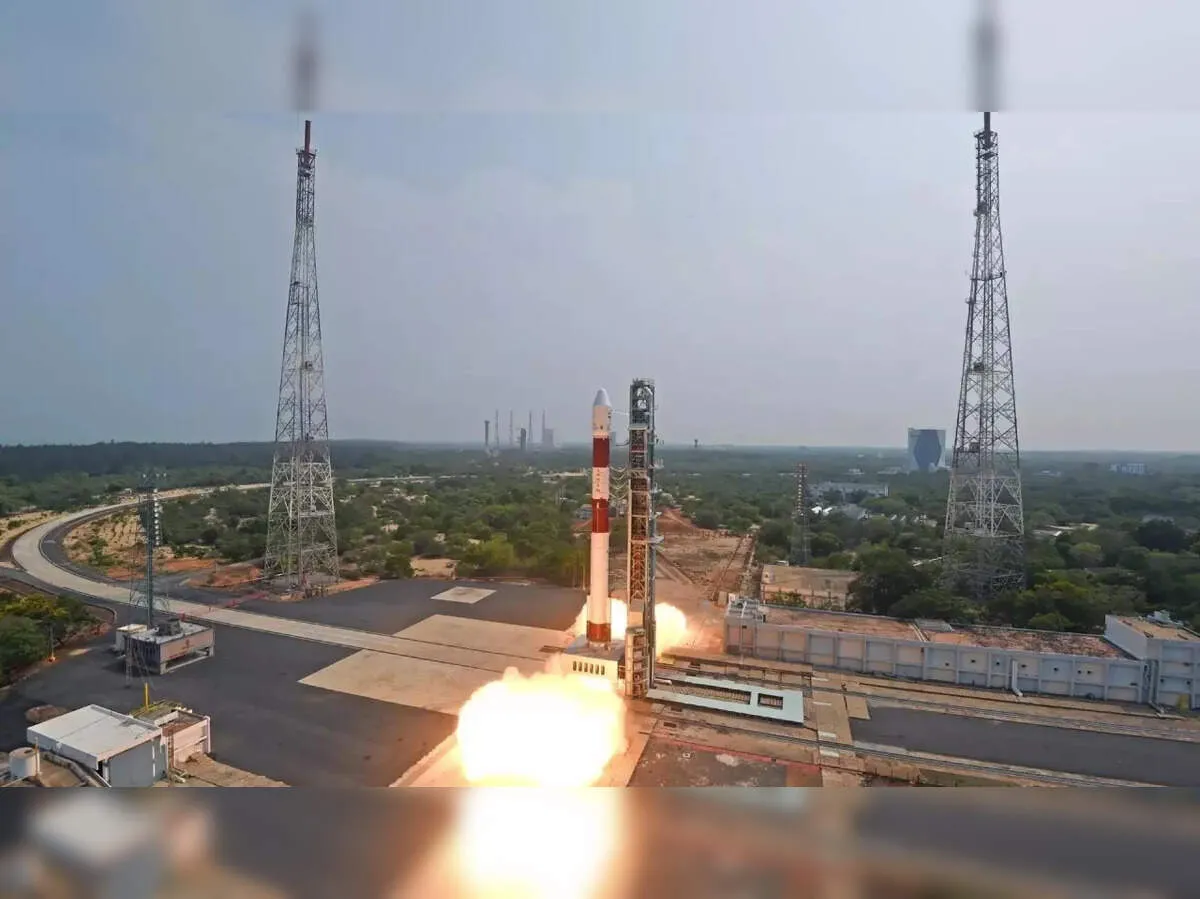
The global space sector is no longer niche: by end-2022 it had pulled roughly $272 billion in private equity across 1,791 companies since 2013. At the same time, national security space spending is accelerating, with the US FY2023 allocation for national security space investment accounts jumping 19.5% to $20.8 billion.
Never miss a story
Set alerts for the topics and sources you care about. Download Beige for free.
Swipe through stories, personalise your feed, and save articles for later — all on the app.