SEBI has issued new guidelines for Infrastructure Investment Trusts (InvITs), allowing them to take on debt beyond the existing 49% cap relative to the value of their assets. The change opens a fresh funding route for InvITs to finance capital expenditure, upgrades, and repairs across infrastructure projects. While the move could improve liquidity for asset maintenance and growth plans, it also raises fresh questions about leverage levels, risk management, and how investors will weigh the new capital structure.
SEBI has widened the permitted use of fresh borrowings for Infrastructure Investment Trusts (InvITs) with net debt above 49% of asset value, effective immediately. The regulator now allows such funds for capital expenditure to improve performance or expand capacity, and also for major maintenance costs on road projects, defined as non routine expenses tied to concession obligations. SEBI further permits refinancing by the InvIT, SPV, or holding company, but only the principal can be refinanced—interest and fees cannot.
Your news, in seconds
Get the Beige app — every story in 60 words, updated hourly. Free on iOS & Android.
Adani Power is reportedly seeking around Rs 8,000 crore in debt to finance its expansion. The proposed fundraising is said to include Rs 50 billion of public debt plus about Rs 30 billion in loans from a lender group led by State Bank of India. Details were shared by people familiar with the matter who asked not to be identified.
Vodafone Idea’s board will meet on May 16 to discuss a fundraising plan that could bring in fresh capital via equity and warrants. The debt-heavy telecom operator is seeking stronger financial footing to fund network upgrades and stay competitive. The decision could signal a critical next step for its turnaround and ability to meet operational and repayment pressures.
SoftBank expects another strong quarter, with profits boosted by its major investment tied to OpenAI as the AI firm’s valuation climbs. Yet the excitement is shadowed by a widening debt pile used to fund these bets. S&P Global Ratings has turned cautious, warning through a negative credit outlook as leverage rises.
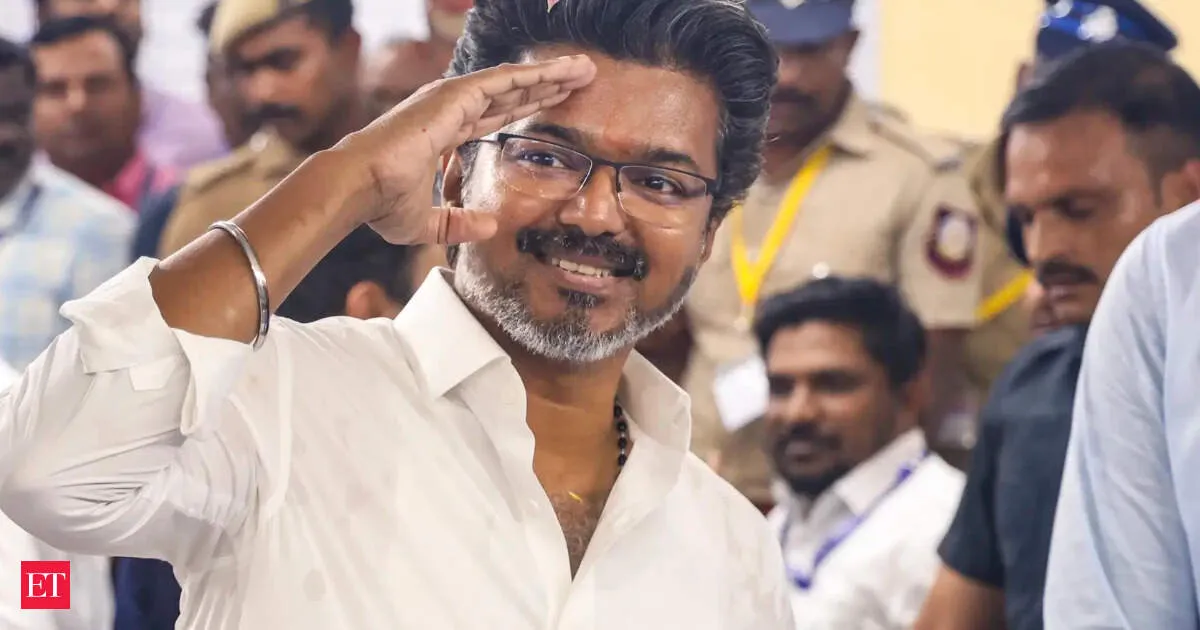
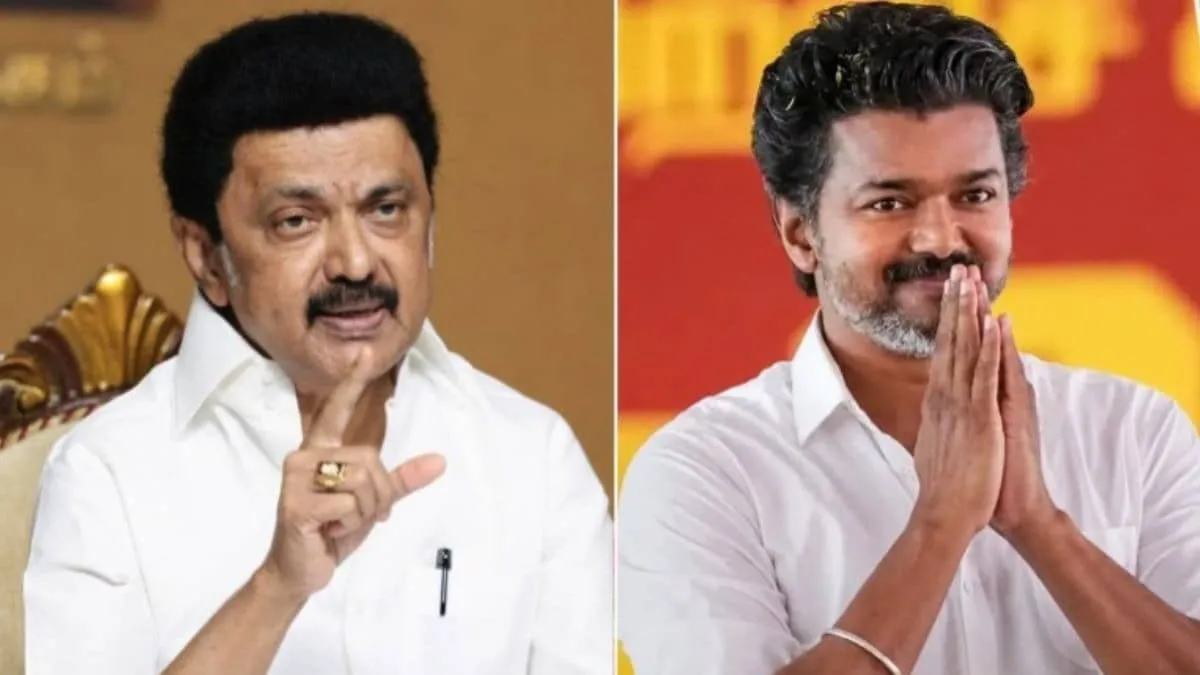
Tamil Nadu Chief Minister C Joseph Vijay visited former CM MK Stalin at his residence, just days ahead of the Assembly floor test. Vijay also met MDMK founder Vaiko. The unexpected outreach comes after Vijay recently sharpened his criticism of the state’s mounting debt and made pointed remarks perceived as aimed at the previous DMK administration.
Never miss a story
Set alerts for the topics and sources you care about. Download Beige for free.
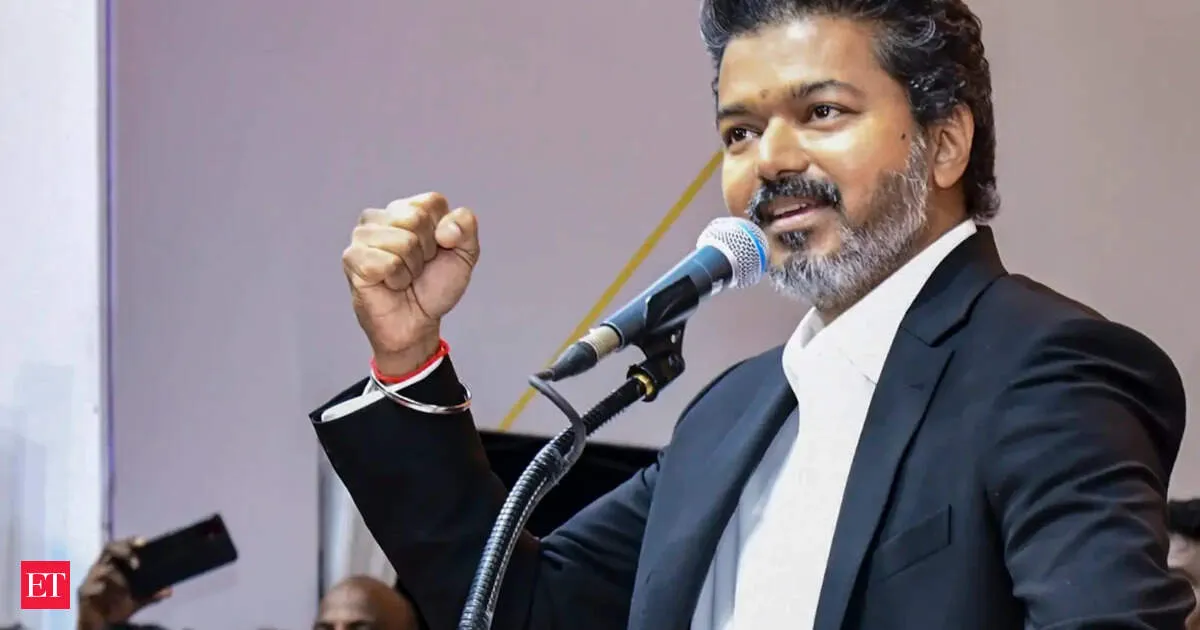
Tamil Nadu Chief Minister C Joseph Vijay, in his maiden speech after swearing-in, declared he will be the only power centre in his government. He linked his leadership to humble roots, promised transparency, and said he will tackle the state’s significant debt. Vijay also outlined priorities like basic amenities, women’s safety, and stronger action to curb drug culture.
Hours after Vijay took oath as Tamil Nadu Chief Minister, a fresh face off erupted with outgoing CM M K Stalin targeting Vijay’s claims about a Rs 10 lakh crore debt. Stalin’s sharp rebuttal argues the state is not short on funds, but lacks effective governance, turning the oath day into an immediate battleground over financial management and responsibility.
Vodafone Group Plc is reportedly considering transferring part of its stake in Vodafone Idea Ltd to the Indian company. The capital move is meant to strengthen Vodafone Idea’s finances and support its push for large loans to clear government dues and fund growth. The proposal signals Vodafone’s effort to shore up its Indian unit amid debt pressure.
Consolidation is supposed to give investors a single view of a company empire, but the picture can be distorted when entities are left out, internal deals aren’t eliminated, accounting policies differ, or control is legally disputed. Real cases show that “consolidated profit” may mislead—so investors must dig deeper than headline numbers and the reported bottom line.
Reading on mobile?
Open Beige in the app for a smoother experience — free on iOS and Android.
Meta Platforms is reportedly preparing a bond sale to raise between $20 billion and $25 billion, building on last year’s large debt offering. The timing aligns with Meta’s increased 2026 capital expenditure forecast, signaling major investment plans ahead. The deal also reflects a broader shift among Big Tech companies leaning on borrowing to fund growth and infrastructure.
Torrent Power is preparing what could be its biggest corporate debt issuance yet, with its first acquisition funded bond sale of the current financial year. Merchant bankers told Reuters the company aims to raise capital specifically to bankroll a coal-related acquisition, signaling a more aggressive funding push via the bond market to support deal execution.
Embassy Office Parks REIT said it will raise Rs 9,000 crore in debt, while also lifting FY26 distribution to unitholders by 10% to Rs 2,394 crore. The company declared Rs 616 crore for the March quarter, bringing last fiscal year’s total distribution to about Rs 2,396 crore. Investors will now watch how the borrowing supports future assets and yields.
Sun Pharma’s $11.75 billion acquisition of Organon & Co is set to expand its global footprint, commercial reach, and product diversification, including women’s health and biosimilars. The move aims to strengthen long-term growth, but success will hinge on how smoothly management integrates Organon’s operations and controls the deal’s debt burden.
Follow your favourite sources
Track sources, tags and categories — all in the Beige app.
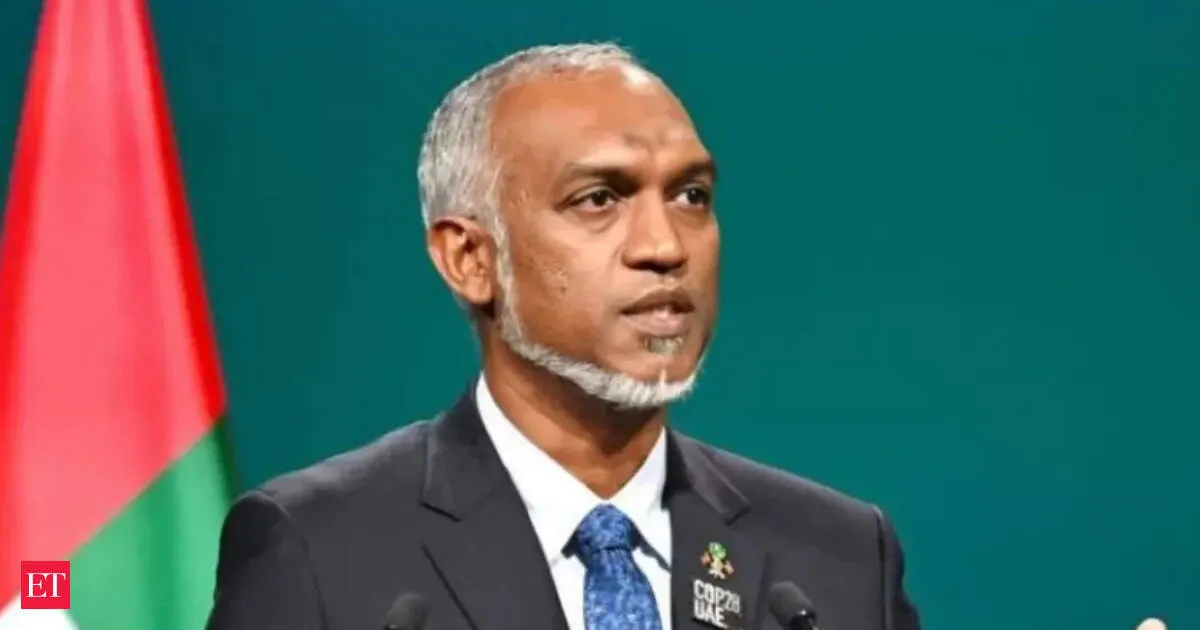
India is weighing the Maldives’ request to extend a currency swap facility amid mounting financial strain and regional conflict spillovers. Although New Delhi has provided major support in the past, current rules may limit how much it can offer now. A refusal could worsen near-term liquidity as large debt repayments approach.
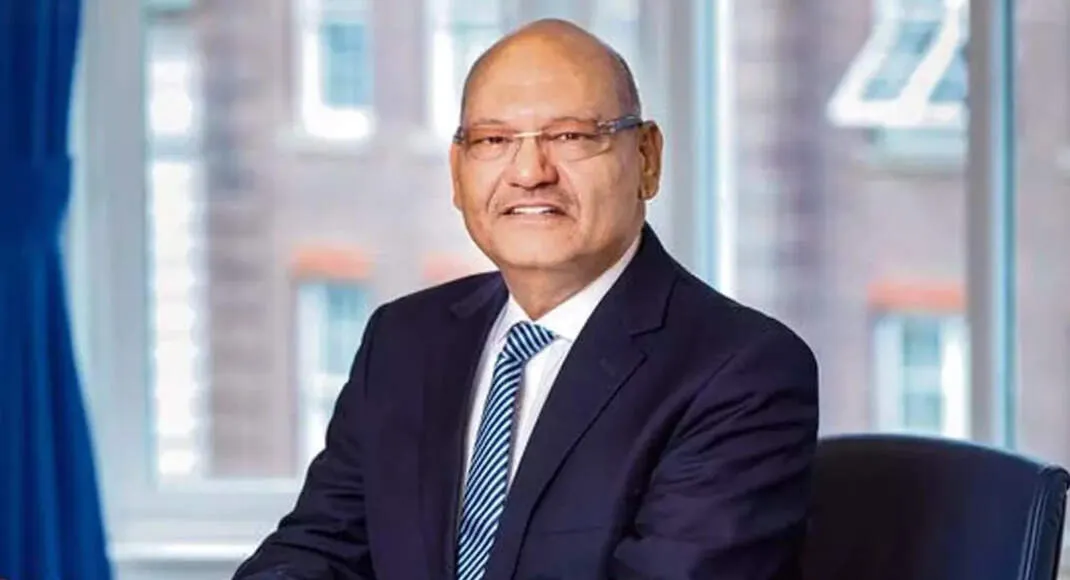
Vedanta’s demerger plan is running into new hurdles as the deadline nears, putting pressure on Anil Agarwal’s team. The split is seen as critical to tackling debt and governance concerns while unlocking shareholder value. With the clock ticking, the Agarwals will need to push through the latest obstacles to keep the plan on track.
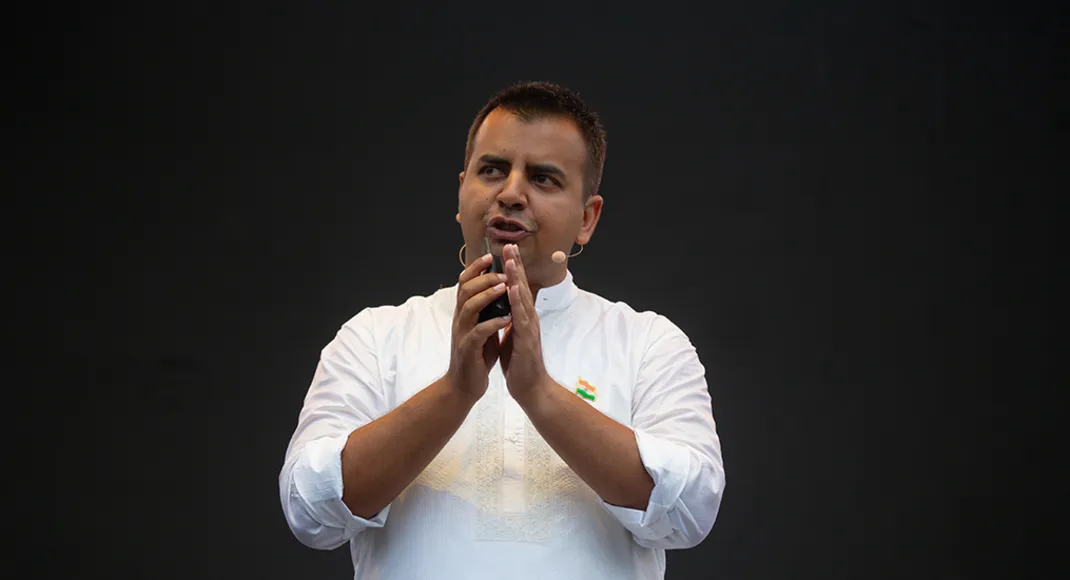
Ola Electric’s post-IPO reality is diverging sharply from the upbeat picture it painted before its listing. With continued service problems and fresh debt-raising moves, founder Bhavish Aggarwal faces another lackluster quarter. The company’s strategy for stabilising operations is now under a tighter investor spotlight as expectations reset.
Bankrate data shows the share of credit card users carrying a balance has jumped to 46% from 39% a year ago. “Almost half of cardholders are carrying debt from month to month,” warns Ted Rossman, noting these carry costs are still very high. While lower-income users are likelier to carry debt, 37% of those earning $100,000+ also don’t pay in full monthly.
Stay informed on the go
Bite-sized news from 100+ trusted sources, right in your pocket.
Sadbhav Infra’s proposed remerger with its parent, Sadbhav Engineering, has reignited investor anger. Announced in October 2019 due to rising debt and dwindling profitability, the move effectively overturns the 2015 asset-ownership pitch that attracted investors at listing. For Sadbhav Engineering, the same restructuring is a clear win.
Godrej Properties built a broad Indian footprint without overburdening its balance sheet, but its stock fell after Q2 earnings amid worries about rising debt. The shift to an upfront land-acquisition model could lift profitability if the firm successfully monetises those purchased assets—though results will depend on key execution factors.
Swipe through stories, personalise your feed, and save articles for later — all on the app.