Ireland’s Data Protection Commission has opened an investigation into Shein, focusing on how the fast-fashion retailer transfers European users’ data to China. The DPC says the matter is a strategic priority, and notes it has previously fined TikTok for similar concerns. Shein says it is committed to complying with data protection laws as the probe unfolds.
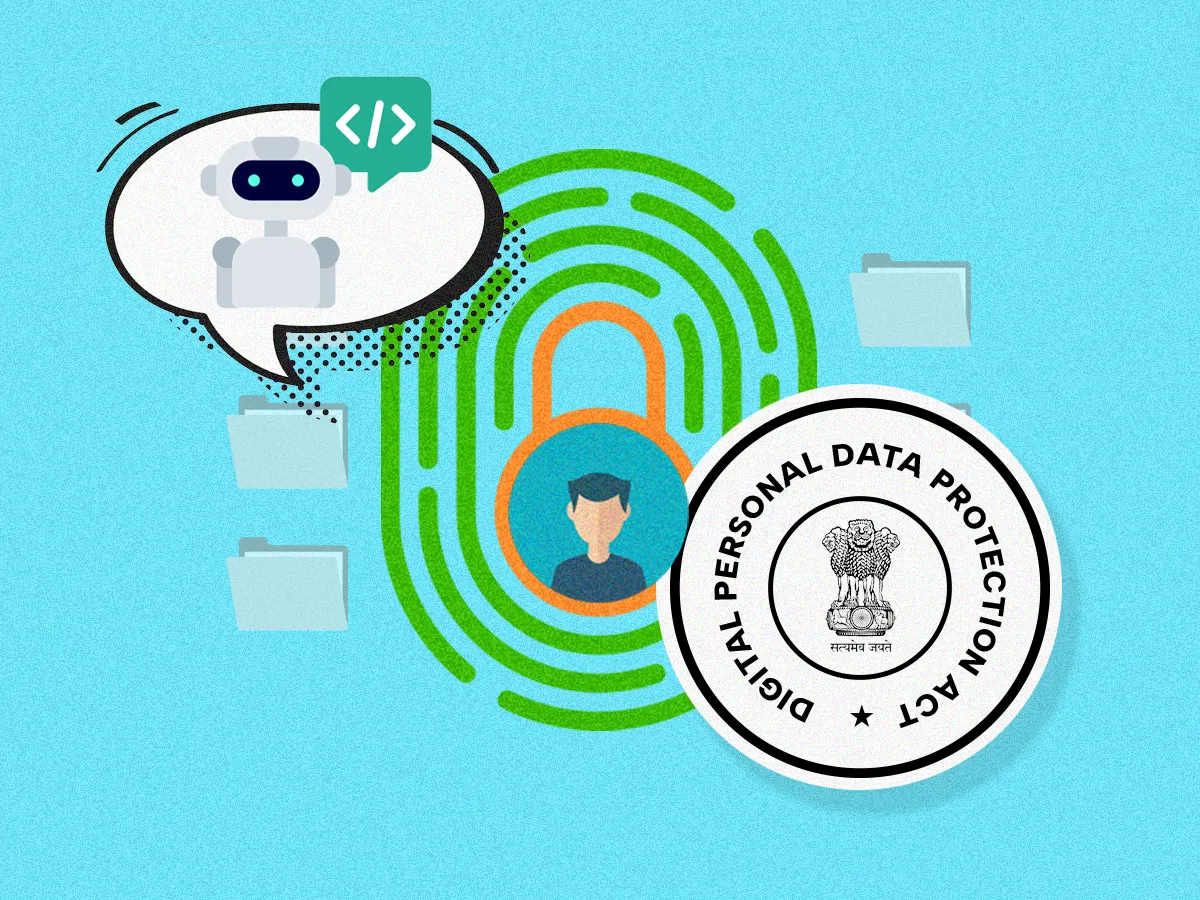
With India’s May 2027 deadline for the Digital Personal Data Protection Act approaching, major IT firms including Infosys, Wipro, SAP, and TCS are tightening their compliance frameworks. The push goes beyond policy updates: governance is being upgraded, incident response is getting stronger, and data protection controls are being embedded directly into product and system architecture to meet DPDP demands.
Your news, in seconds
Get the Beige app — every story in 60 words, updated hourly. Free on iOS & Android.
Indian public sector banks are accelerating IT spending to protect customer data and core financial systems as newer AI tools raise the cybersecurity stakes. Tools such as Anthropic’s Claude Mythos are being flagged for their potential to enable or amplify attacks. Banks are simultaneously upgrading defenses while a government panel evaluates AI-driven cyber risks to keep the sector secure.
ARAI in Pune has partnered with the Data Security Council of India to upgrade cybersecurity across the auto ecosystem. The collaboration is designed to help car makers, suppliers, and policymakers prepare for upcoming data protection regulations by addressing cyber risks in connected vehicles and manufacturing. It will also enable knowledge sharing and innovation for safer, more secure systems.
OpenAI has released Privacy Filter, an open-weight model aimed at detecting and redacting personally identifiable information in text. The tool is designed to be context-aware and run locally, targeting “privacy-by-design” for enterprises and developers. The goal: protect sensitive data during AI training and processing without relying on cloud infrastructure.
India’s government is reportedly considering a limited exemption for early-stage startups from some compliance requirements under the proposed Digital Personal Data Protection (DPDP) bill. The rationale: easing pressure from data-handling obligations that could stifle startups while they develop data models and solutions. The DPDP draft also details strong penalties for breaches and proposes removing compensation provisions from the IT Act.
Never miss a story
Set alerts for the topics and sources you care about. Download Beige for free.
India’s customer service call recordings are often collected without genuine consent: customers are recorded for quality checks but have no real choice. As firms increasingly reuse this audio for analytics and AI, privacy risks grow. The editorial urges a clear audit trail for any mined data and stronger, e-commerce-like protections to ensure consent is meaningful.
India’s current IT Act is widely seen as outdated and insufficient for today’s data protection needs. As technology, data collection, and online threats have evolved, the existing framework struggles to keep pace with modern safeguards. Analysts argue the country needs an urgent overhaul to better protect personal information and align with global expectations.
India’s Digital Personal Data Protection Bill, 2023, has been introduced in Parliament, signaling progress toward tighter privacy for everyone, especially children. While the draft still needs debate and final approval, it raises key questions about how parental consent, data processing, and safeguards for minors will be enforced in real-world digital products.
Swipe through stories, personalise your feed, and save articles for later — all on the app.