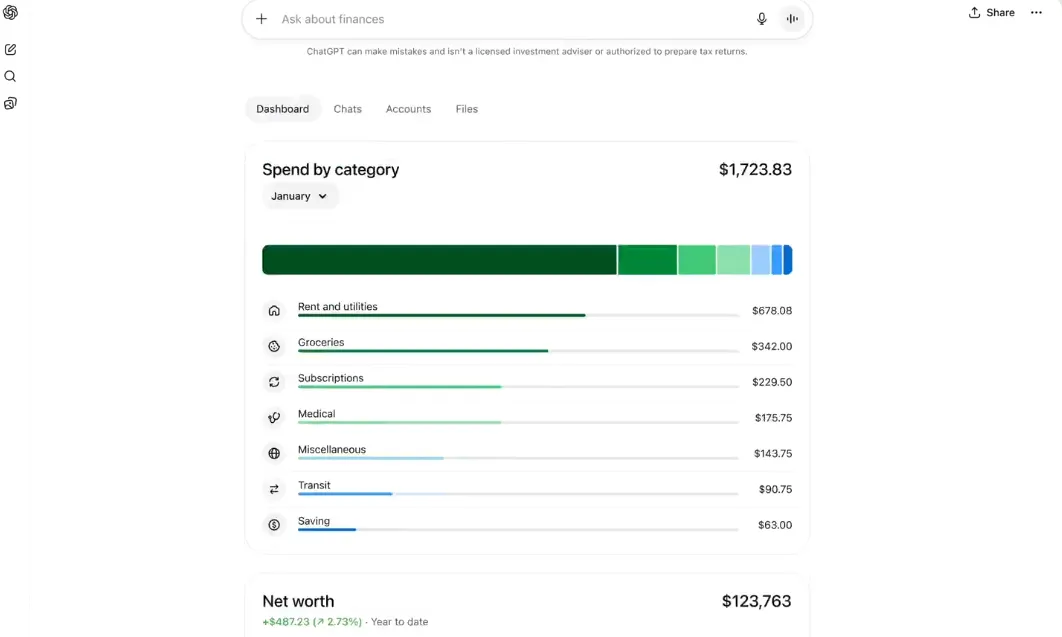
OpenAI is rolling out a new “Finances” feature for ChatGPT Pro users in the US, letting them securely connect accounts and get a live spending dashboard grounded in actual transactions. The tool, available on web and iOS, uses Plaid integrations with 12,000+ institutions and an Intuit hookup planned soon. Beyond charts, users can ask context-aware questions about subscriptions, goals, investments, and scenarios, with “financial memories” carrying continuity across chats.
Two U.S. House lawmakers will introduce legislation to toughen the current ban on Chinese automakers entering the American passenger-vehicle market, timed just before President Donald Trump travels to China. The bill would codify a Biden-era regulation that, in effect, blocks all Chinese automakers and adds steps to keep China out of the U.S. light-duty market. It focuses on vehicles designed in China with advanced connectivity and software, citing national security and data-privacy risks around sensitive owner data.
Your news, in seconds
Get the Beige app — every story in 60 words, updated hourly. Free on iOS & Android.
A U S bank disclosed a security lapse after customer data was shared with an AI application the bank says was unauthorized. The incident raises fresh concerns about third-party tools, internal access controls, and how quickly financial institutions can prevent sensitive information from reaching unapproved software. Regulators and customers will want details on what data was exposed and for how long.
A top Google scientist has urged EU regulators to reconsider a proposal that would require sharing search engine data with rivals such as OpenAI. Google argues that even anonymized datasets can be re-identified by today’s advanced AI systems, risking users’ privacy. A Google expert is set to meet EU officials, with a key decision expected by July 27.
A Vienna-based data protection group, NOYB, has filed a complaint in Austria against LinkedIn, alleging the platform sells user data. The complaint was submitted to the Austrian Data Protection Authority on behalf of a user seeking access to his information. The case could intensify scrutiny of how professional networks handle and monetize personal data.
Virginia and Washington D.C. have paused data collection and sharing from their health insurance marketplaces after an investigation reported that user information—including race and citizenship—was being shared with advertising technology firms. The probe, published by Bloomberg, raised concerns about privacy and consent, prompting immediate action from state officials and spotlighting how sensitive consumer data may be used in ad targeting.
Never miss a story
Set alerts for the topics and sources you care about. Download Beige for free.
The Irish Supreme Court has ruled that TikTok may continue transferring EU user data to China while it appeals a regulator’s order to halt the practice. The regulator previously fined TikTok over privacy concerns, but the court’s temporary decision gives the platform time to challenge the ruling during the appeal process.
IAMAI has accused TRAI of overstepping its authority, saying proposed spam-call regulations could unfairly target OTT platforms like WhatsApp. The industry body argues OTT services are not telecommunication services and warns that mandatory data sharing would violate constitutional principles, raising serious jurisdiction concerns for digital platforms.
After Meta’s Manus acquisition fallout, MiroMind founder Chen Tianqiao is restructuring his AI startup around strict firewalls between China and the US. The changes are meant to limit cross-border data flows and personnel movement amid regulatory scrutiny, effectively forcing a compromise as geopolitics tightens around tech and AI operations.
Anthropic’s new AI model, Mythos, is being described as a cybersecurity tool after surfacing around 2,000 software flaws in just seven weeks. Its speed and ability to identify vulnerabilities with less human prompting could reshape security testing. But Anthropic is not yet making Mythos public, citing potential downstream risks and growing concerns about data exposure for users and companies.
Reading on mobile?
Open Beige in the app for a smoother experience — free on iOS and Android.
Wikimedia Foundation has struck a compromise with the Indonesian government, preventing a potential block of Wikipedia. The deal includes assurances against unlawful content takedowns and against data disclosure, easing fears around invasive domestic registration requirements. Wikimedia can now move forward with the remaining administrative steps to keep the platform accessible in Indonesia.
Britain is investigating after UK Biobank data appeared on China’s Alibaba for sale. The anonymised dataset reportedly covered 500,000 volunteers. Officials say the listings were removed, with no purchases made, and access to the data has been paused. The Information Commissioner’s Office is also probing what happened and how the data surfaced.
The FBI has issued a public service announcement warning Americans about mobile apps developed by China-based companies. It says China’s national security laws could allow authorities to request access to user data. The agency cautions that popular apps may collect details like names, emails, phone numbers and contact lists, then store that information on servers in China for an indefinite time.
Stockholm based AI app builder Lovable says it did not suffer a data breach after users worried that chat messages and code inside projects were visible when set to public. The company argues the visibility was “intentional,” pointing to how its public settings work. Still, the episode raises questions about privacy defaults and user safeguards.
Follow your favourite sources
Track sources, tags and categories — all in the Beige app.
Swipe through stories, personalise your feed, and save articles for later — all on the app.