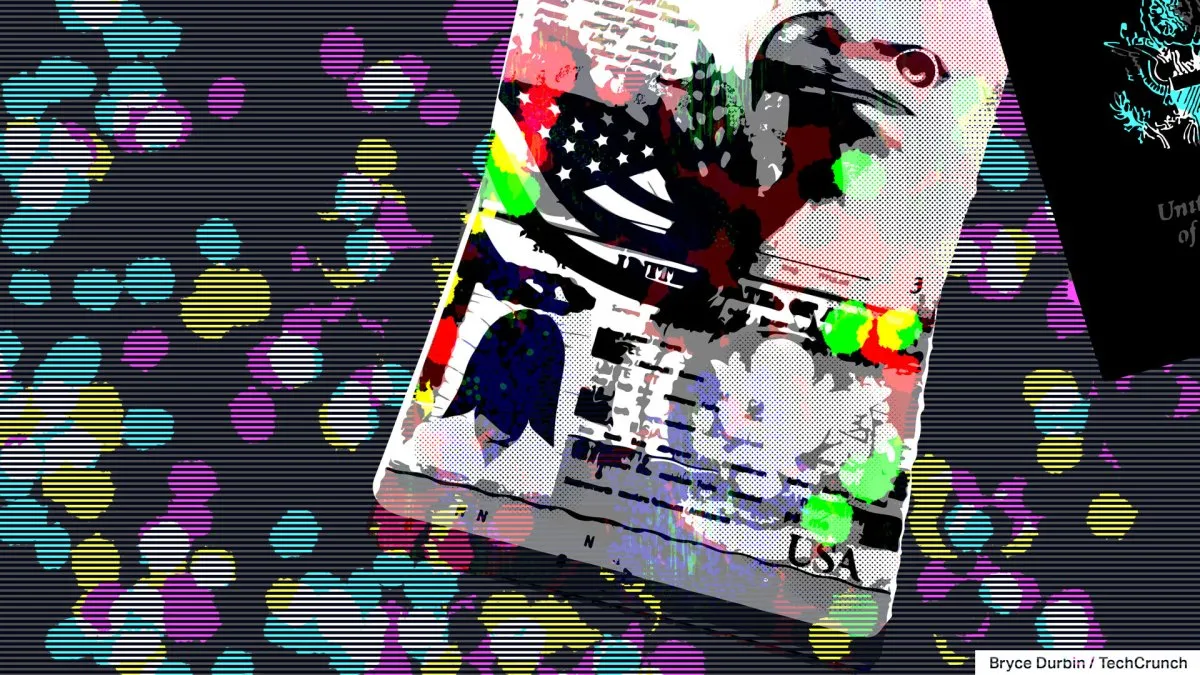
A hotel check-in platform called Tabiq exposed more than a million customer passports, driver’s licenses, and selfie verification photos on the open web after its operator, Japan-based startup Reqrea, left an Amazon cloud storage bucket publicly accessible. A security researcher discovered the leak by browsing the bucket using only its name “tabiq,” and TechCrunch alerted Reqrea and JPCERT. Reqrea later locked down the bucket, but said it doesn’t know how it became public or whether anyone accessed data beforehand.
Fidelity Investments has agreed to settle a class-action lawsuit tied to a 2024 data breach, resolving claims without admitting wrongdoing. Customers who received notice that their account and routing numbers may have been compromised between August 17 and 19, 2024, could seek compensation for documented financial harm of up to $5,000. The settlement also offers identity theft protection and credit monitoring, plus possible smaller cash payments. A valid claim must be filed by July 27, 2026.
Your news, in seconds
Get the Beige app — every story in 60 words, updated hourly. Free on iOS & Android.
A Comcast settlement tied to a late-2023 data breach is driving a nationwide scramble, with eligible customers potentially receiving up to $10,000. The alleged cyberattack, reportedly affecting October 16–19, exposed sensitive account details including usernames, passwords, partial Social Security numbers, dates of birth, and secret recovery questions. Comcast denies wrongdoing but agreed to pay $117.5 million. Claim forms must be filed by August 14, with final court approval expected in July 2026.
Foxconn confirmed a ransomware cyberattack that hit some North American factories. The hacking group Nitrogen claims it exfiltrated more than 11 million files and about eight terabytes of data, potentially including customer details, product schematics, and bank statements. Foxconn says operations are resuming while cybersecurity teams continue investigations and response work.
A ransomware group has claimed it breached Foxconn, one of the world’s largest electronics manufacturers. The attackers say they are now trying to extort the company after gaining access, escalating risks across the supply chain. Foxconn has not publicly confirmed details, but the claim immediately raises concerns for production tied to major customers including Apple and Nvidia.
U.S. House lawmakers are pressing Instructure to explain how hackers breached its systems twice and accessed large volumes of student data from Canvas, the company’s widely used education software. Lawmakers want details on the intrusion methods, what was stolen, when the breaches were detected, and what protections were in place afterward.
Never miss a story
Set alerts for the topics and sources you care about. Download Beige for free.
Foxconn has confirmed a ransomware cyberattack targeting its North American facilities, with production lines disrupted before beginning a gradual return to normal operations. The Nitrogen ransomware group claims it stole large volumes of data, raising concerns that sensitive information tied to major clients like Apple and Google could have been exposed. Foxconn says recovery is underway.
Community Bank disclosed a cybersecurity incident after customer information was shared with an AI app. The exposed data included customers’ names, dates of birth, and Social Security numbers. The bank, serving Pennsylvania, Ohio, and West Virginia, says it discovered and reported the issue as it investigates potential impact and works to secure systems going forward.
Instructure, the maker of the Canvas education platform, says it reached an agreement with hacking group ShinyHunters after a recent breach. The reported deal covers stolen student and school data, with ShinyHunters confirming deletion and no further targeting of Instructure customers for payment. Separately, the US House Homeland Security Committee has requested a briefing from Instructure on the intrusions.
Instructure, the company behind Canvas school software, says it has reached an agreement with hackers who breached its systems twice. The company did not provide assurances that the attackers will not release stolen data or honor any promises made. With the incident still clouded, schools and users may be left waiting for clearer outcomes.
Reading on mobile?
Open Beige in the app for a smoother experience — free on iOS and Android.
ShinyHunters, a hacking group behind alleged data theft and extortion, claims it stole about 6.65 terabytes of Canvas data. The post reportedly points to information tied to roughly 9,000 schools, raising concerns for educators and students using the platform. Canvas developers are expected to address what the exposed data includes and what safeguards are being strengthened.
Allegations say hackers accessed around 275 million student records through the Canvas platform, rattling schools and universities across multiple countries. Students and staff reportedly feared exposure of private messages, academic details, emails, and personal data. Experts caution this may be far bigger than a typical school cyber incident and are closely watching whether the breach timeline extends beyond the initial attack.
A cyberattack on the Canvas learning platform disrupted academic operations at universities across the US, Australia, and Europe. Stanford and Yale, among others, said student data such as names and email addresses may have been exposed. A cybercrime group claimed responsibility, underscoring how vulnerable education systems are to escalating attacks and portal outages.
ShinyHunters has reportedly crippled Instructure’s Canvas learning platform, used by universities including Harvard and Stanford. The group says it stole personal data and private messages and is demanding payment to stop a wider leak. Thousands of students and multiple institutions across the US are affected, raising urgent questions about safeguards in widely used education tech.
Follow your favourite sources
Track sources, tags and categories — all in the Beige app.
A major Canvas platform outage struck leading US universities on May 7, 2026, including Harvard and Stanford, after a cyberattack claimed by ShinyHunters. The group reportedly demanded a settlement to stop the release of stolen student information such as personal details and private messages. For many students, the disruption derailed classes and assignments amid uncertainty about their data.
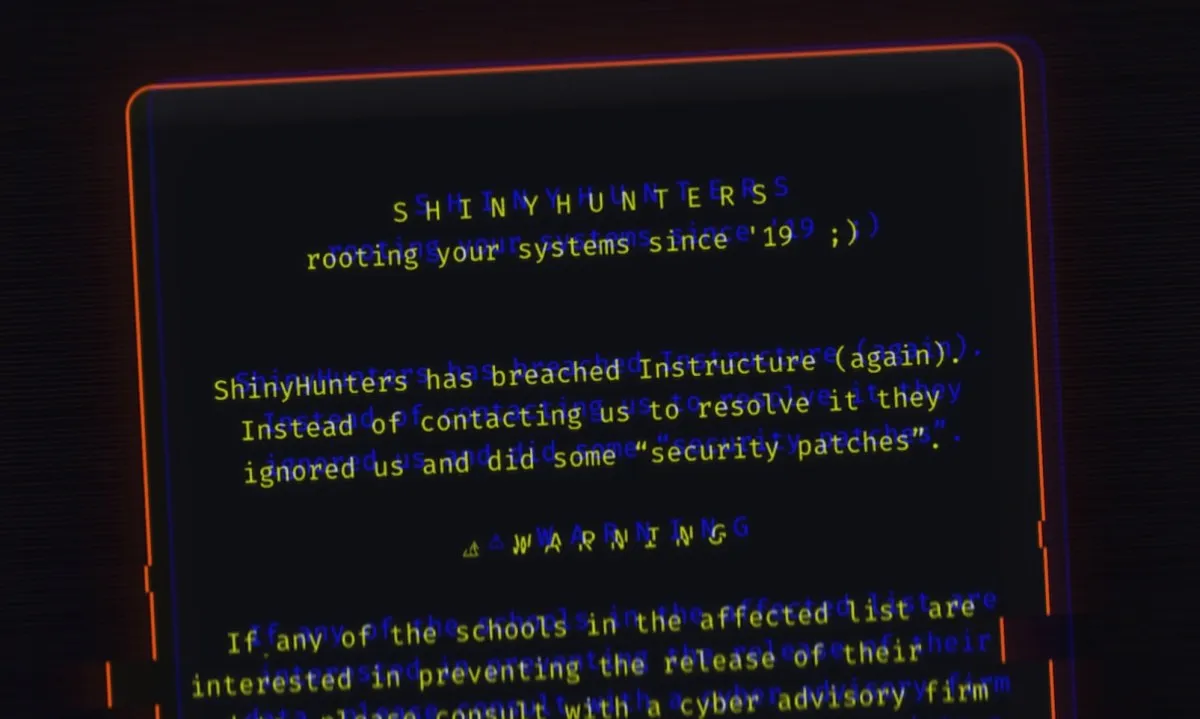
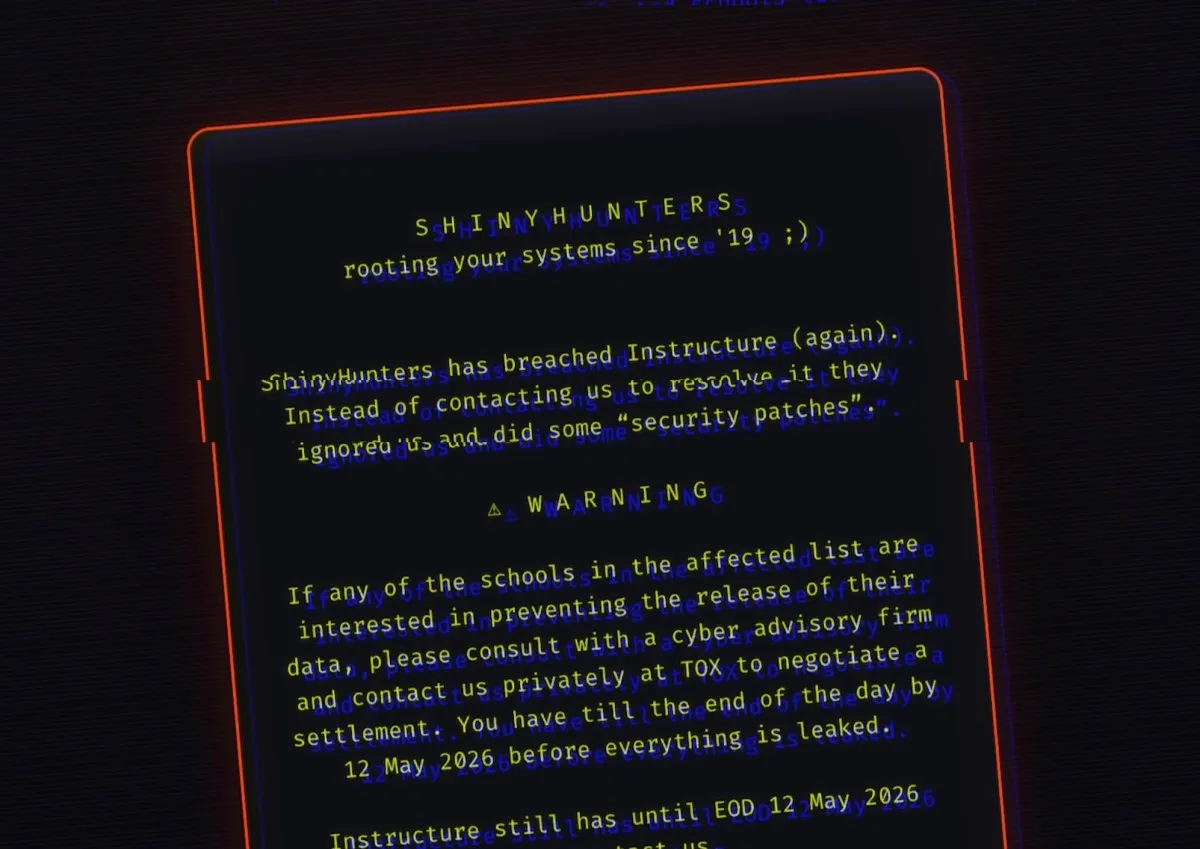
The ShinyHunters hacking group says it will release stolen Canvas data if schools don’t contact it by May 12. Its message reportedly included a link to a list of schools that the group claims it breached through Canvas. The warning raises urgent questions about the extent of the incident and when services and affected data will be secured.
A Medicare provider database on CMS reportedly stayed publicly accessible for weeks, raising fears that Social Security numbers could be exposed and used for identity theft. Officials say Medicare beneficiaries were not directly impacted, but cybersecurity experts warn that even without a breach by hackers, leaked SSNs can enable fraud and long-term identity risk. Here is how to check your exposure.
U.S. prosecutors allege a ransomware gang gained access to Russian government databases and used that foothold to support corruption and financial evasion. The DOJ claims the group’s leaders leveraged the scheme to avoid paying taxes and even dodge Russia’s military draft, escalating the case from cybercrime to alleged state-linked wrongdoing.
Stay informed on the go
Bite-sized news from 100+ trusted sources, right in your pocket.
AI evaluation startup Braintrust says hackers broke into an Amazon cloud environment tied to its systems. In breach notifications to customers, the company is urging immediate action: rotate sensitive API keys to reduce the risk of further misuse. The incident highlights how even tools supporting AI development can become targets for attackers seeking access credentials.
Education tech company Instructure is facing a data breach in which hackers allegedly accessed and stole students’ private information. TechCrunch reviewed a sample of the data said to be taken in the incident and reports it includes sensitive student details. The case raises fresh concerns about security at education-focused platforms and what protections are in place for minors’ data.
Swipe through stories, personalise your feed, and save articles for later — all on the app.