India is set to use artificial intelligence to combat money mule banking and cyber fraud. Home Minister Amit Shah announced a partnership between the Indian Cyber Crime Coordination Centre and the Reserve Bank of India’s Innovation Hub, aimed at detecting and blocking suspicious accounts more quickly. The move is expected to strengthen consumer safety across UPI, online banking, and fintech platforms.
Delhi Police arrested 31-year-old Bengaluru software engineer Ravi Rathore for allegedly running a fake online trading racket. Investigators say his fraudulent mobile app and website promised guaranteed returns while using manipulated profit displays, fake investment claims, and call-centre operations. Technical analysis reportedly shows over 14,000 transactions and about 636 victim-linked accounts tied to a scam involving nearly Rs 100 crore.
Your news, in seconds
Get the Beige app — every story in 60 words, updated hourly. Free on iOS & Android.
Cases reported from Bhopal and Indore point to an alleged organized network targeting women through identity deception, digital blackmail, and coercion, with investigators describing a repeating pattern. Authorities say the schemes appear coordinated across locations, raising concerns about how perpetrators manipulate trust and digital access to force victims into harmful situations.
LinkedIn warns that Gen Z job seekers are among the most exposed to online recruitment scams. Despite rising awareness, many young professionals continue to fall for fraudulent job listings and deceptive hiring messages. The platform highlights that scam tactics persist and evolve, leaving early-career candidates especially vulnerable when they act quickly or skip basic verification steps.
Anand RK and Suparna Sharma have won the Pulitzer Prize for their reporting in “trAPPed,” which documents how digital surveillance and cyber fraud can escalate into “digital arrest.” Their story centers on a neurologist’s experience of being targeted through online systems and manipulated records, underscoring how scam tactics and monitoring practices are becoming global threats.
Ahmedabad police have uncovered an Instagram racket that used fake astrologer or spiritual healer profiles to lure women with promises of rituals to solve personal problems. Victims were then coerced into compromising nude video calls, after which the accused allegedly extorted them for lakhs. Police arrested one suspect while two others remain at large.
Never miss a story
Set alerts for the topics and sources you care about. Download Beige for free.
Financial Services Secretary M Nagaraju urged banks to adopt the RBI’s MuleHunter AI tool to tackle financial cyber fraud and mule accounts. The meeting reviewed rising digital fraud trends and stressed tighter coordination between law enforcement and banks, including real-time intelligence sharing, to detect suspicious activity faster and better protect customers.
The Centre has told the Supreme Court it is stepping up action against digital arrest scams, citing WhatsApp’s ban of about 9,400 accounts since January. New safeguards include logo detection and warnings for calls from newly created accounts, while telecom firms move to quickly block suspicious SIM cards. The CBI is also setting a loss threshold for investigations.
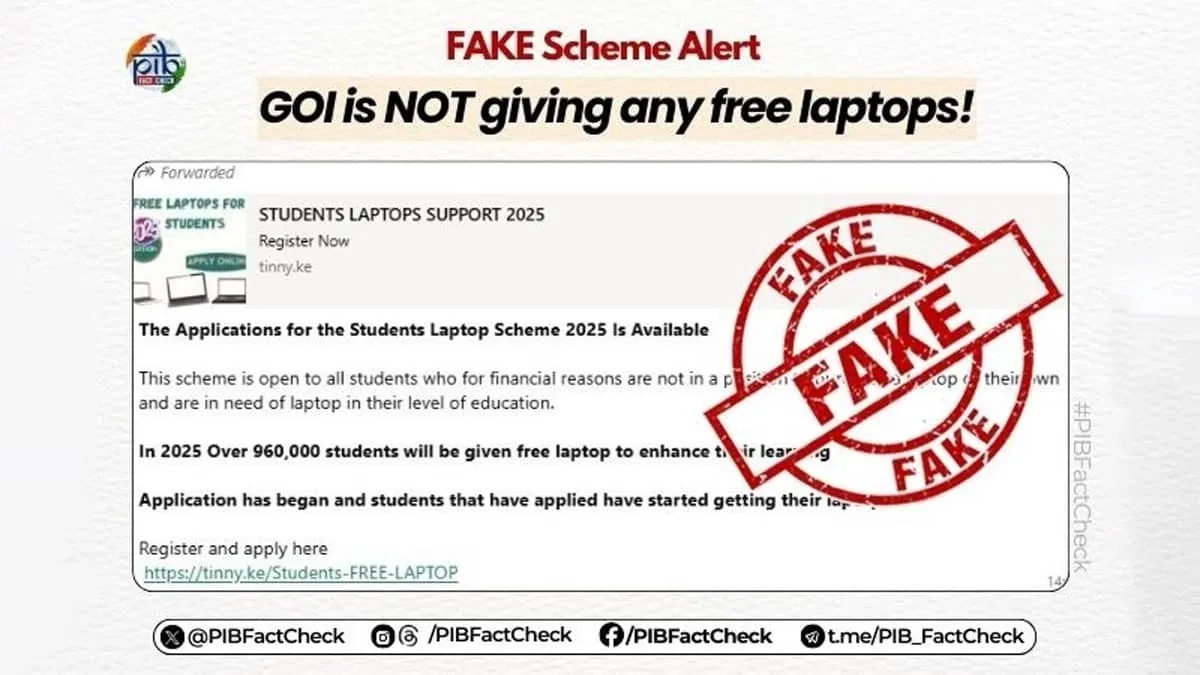
A viral WhatsApp message promising free laptops under a “National Student Laptop Scheme 2026” has been officially debunked. The Press Information Bureau (PIB) says the claim is false and that such messages are often used to lure students into clicking links meant to steal personal or financial details. Authorities warn users to ignore the offers and not share information.
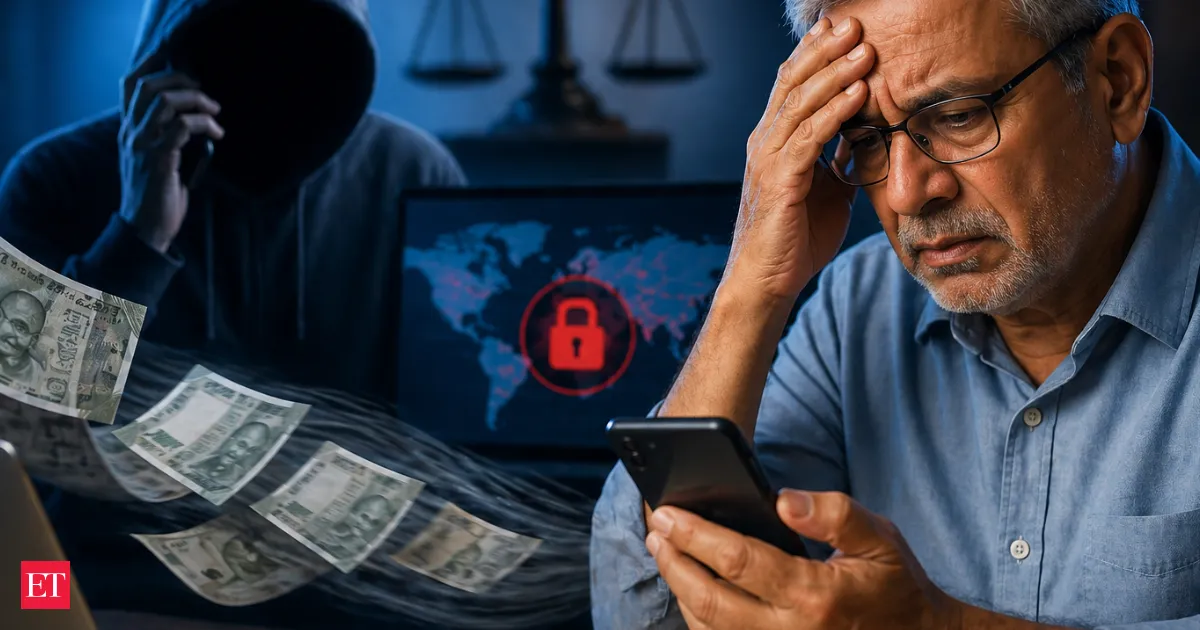
A 61-year-old man in Mangaluru was allegedly duped out of over Rs 2 crore in a digital arrest scam. Calling him over alleged SIM card misuse, fraudsters posed as NIA and ED officials, threatening fake FIRs and arrest while pushing WhatsApp messages. They even claimed his identity was linked to illegal acts including terrorism.
Reading on mobile?
Open Beige in the app for a smoother experience — free on iOS and Android.
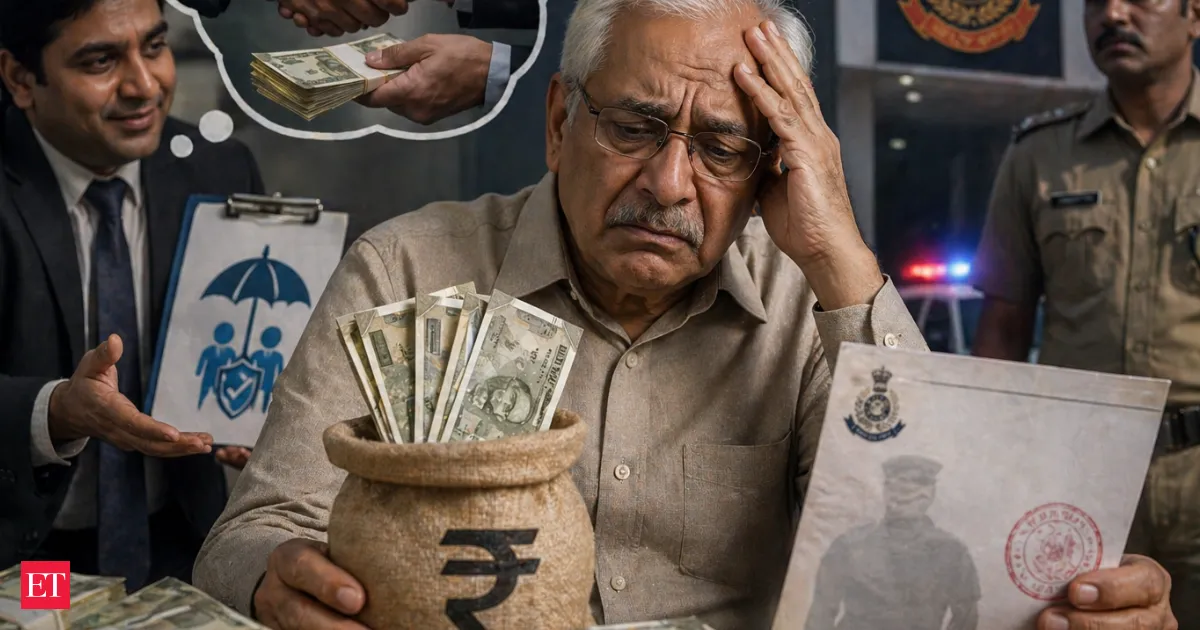
A 62-year-old senior citizen in Navi Mumbai was cheated of Rs 64 lakh over four years after fraudsters impersonated IRDA and the IGMS grievance system. He was repeatedly told the transfers were for “taxes and fees,” and even couriered ATM cards. Police have now registered an FIR as the case reveals a criminal scam rather than a legitimate recovery process.
A Polymarket user is alleged to have earned $35,000 after exploiting unusual temperature spikes recorded at Paris airport, triggering a police probe into whether the readings were physically tampered with. Authorities are investigating despite speculation around deliberate interference, spotlighting a bigger worry: manipulation risks in prediction-based betting markets.
The CBI has arrested two bank officials after finding they took bribes to help cyber criminals set up mule accounts for money laundering. Funds routed through these accounts came from cyber frauds, and the accused allegedly also advised criminals on how to avoid detection. The case underscores insider facilitation in financial crimes, and investigations are still underway.
Cybercriminals are increasingly impersonating India Post in courier-style online frauds, mirroring earlier FedEx scam patterns. In one reported case, a retired government employee was reportedly swindled out of 23.26 lakh. Telangana alone recorded 89,783 cybercrime complaints in 2023, where courier frauds frequently targeted retired employees and housewives.
Follow your favourite sources
Track sources, tags and categories — all in the Beige app.
Swipe through stories, personalise your feed, and save articles for later — all on the app.