As the US-Iran conflict shows no signs of ending, former UN Economic Advisor Santosh Mehrotra warns India faces a fresh oil-driven spiral. He says every USD 10 rise in global oil can widen India’s current account deficit by about 0.3% of GDP and similarly lift CPI. With GDP and CPI revisions already reflecting the “current situation,” he fears prolonged war effects. He points to Strait of Hormuz disruptions, tighter LPG supply hurting restaurants and ceramics, and a diesel hike that could further spread inflation to consumers.
ICICI Bank Global Markets warns India’s external balance may worsen as a West Asia conflict keeps oil prices elevated, with crude averaging near USD 100 per barrel. Even with resilient services exports, it expects the current account deficit to land around 1.5–2% of GDP, assuming non-essential imports are curbed and capital inflows improve as global risk sentiment stabilizes. April data showed goods exports up 14% but imports rose faster, led by an 82% jump in gold.
Your news, in seconds
Get the Beige app — every story in 60 words, updated hourly. Free on iOS & Android.
Prime Minister Narendra Modi’s calls to curb energy use are being read by investors as a response to an unusually persistent oil shock. JPMorgan’s Sanjay Mookim says the crude price rise is hitting India’s external balance directly, with higher oil costs not yet fully passed to consumers, leaving government and companies to absorb much of the burden. The tougher effect, he warns, may surface in Q1 FY27 as demand tapers and capex momentum slows, shifting flows toward defensives.
S&P Global Ratings says India is handling global financial pressures better than headlines suggest, arguing that worries about foreign investment outflows are overstated. The agency’s view comes as an Iran-war driven oil shock and record selling in local shares push the rupee to fresh lows. S&P notes India has enough reserves and fiscal room to absorb a wider current-account deficit linked to higher crude prices, while emphasizing gross inflows remain strong. It also points to repatriated profits as a key driver behind net outflows.
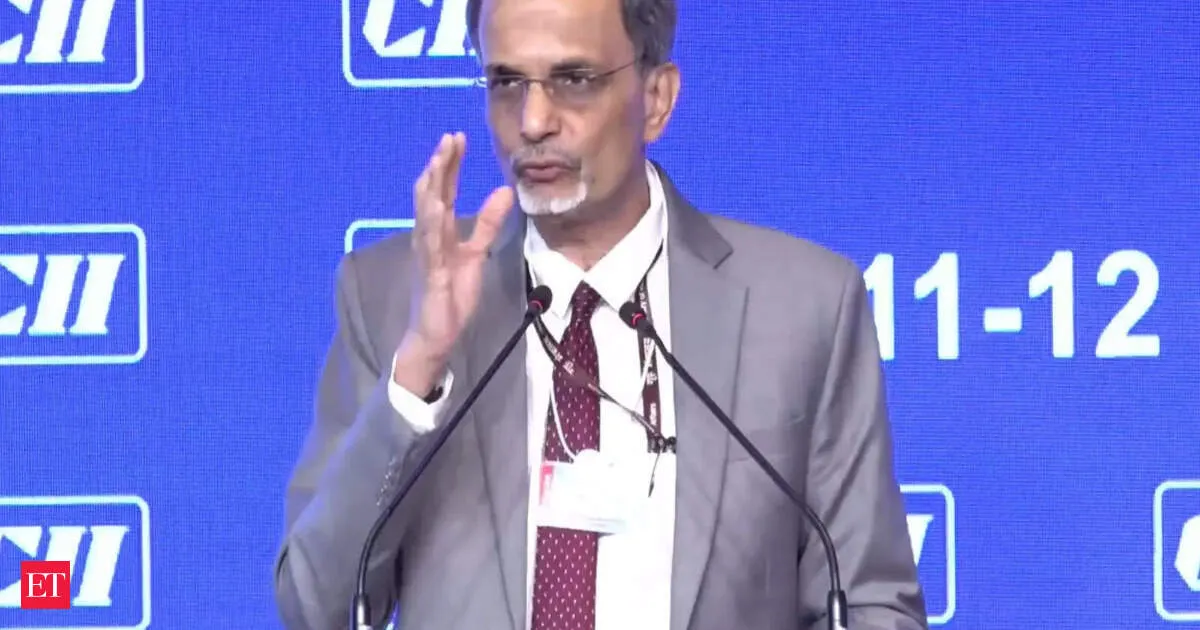
CEA Nageswaran says the West Asia crisis should be treated as a balance of payments stress test for India. He links FY27 priorities to keeping the current account healthy, securing financing, and curbing currency depreciation—because pressures from external shocks can quickly feed into CAD, inflation and exchange rates. A separate push to settle payments to micro and small firms also supports working capital.
SBI has called for structural measures to tackle India’s economic strains, warning that rupee depreciation is driving imported inflation and pressuring the balance of payments. Economists also flag risks of a widening current account deficit ahead. The bank argues that monetary and policy action must go beyond reacting to currency moves to protect price stability.
Never miss a story
Set alerts for the topics and sources you care about. Download Beige for free.
With the rupee hovering around 90, India is bracing for a potential current account deficit (CAD) stress test, recalling the 2013 episode when the currency fell nearly 29% in six months. Back then, India was tagged a “Fragile Five” economy. The key question now is whether stronger buffers and fundamentals can prevent a repeat during fresh depreciation pressure.
India’s current account deficit is set to widen as expensive oil imports strain foreign exchange inflows, with the Iran conflict adding further pressure. Economists warn RBI steps may only deliver short-lived support to the rupee. If the oil cost shock persists, the deficit could expand enough to push India into a balance of payments shortfall for a second straight year.
Swipe through stories, personalise your feed, and save articles for later — all on the app.