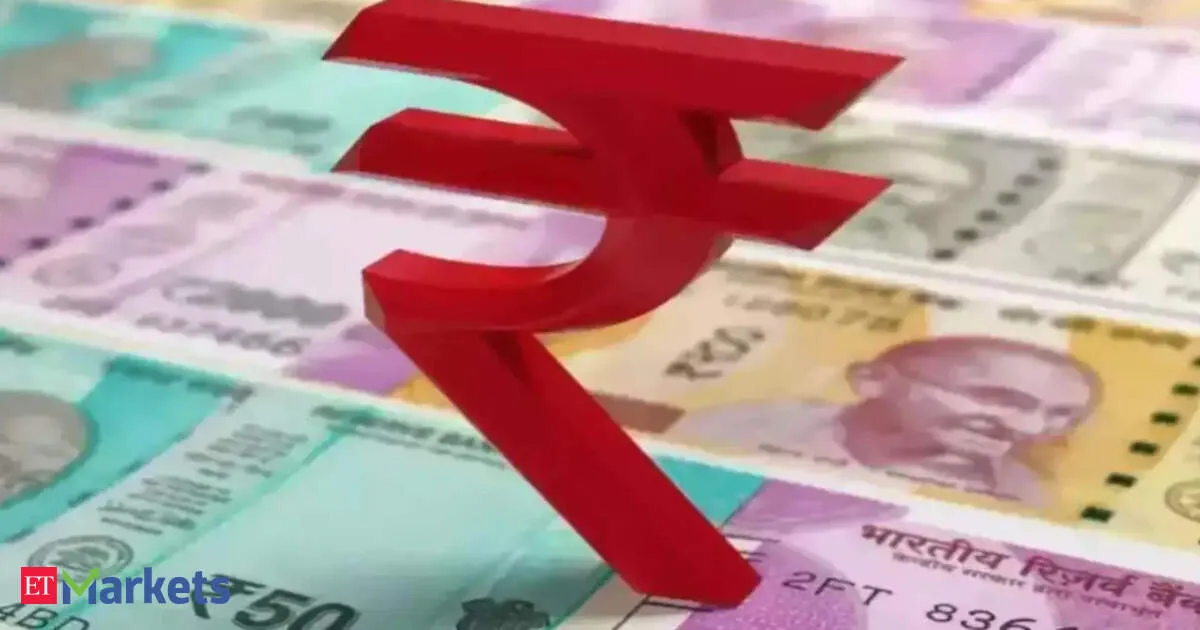
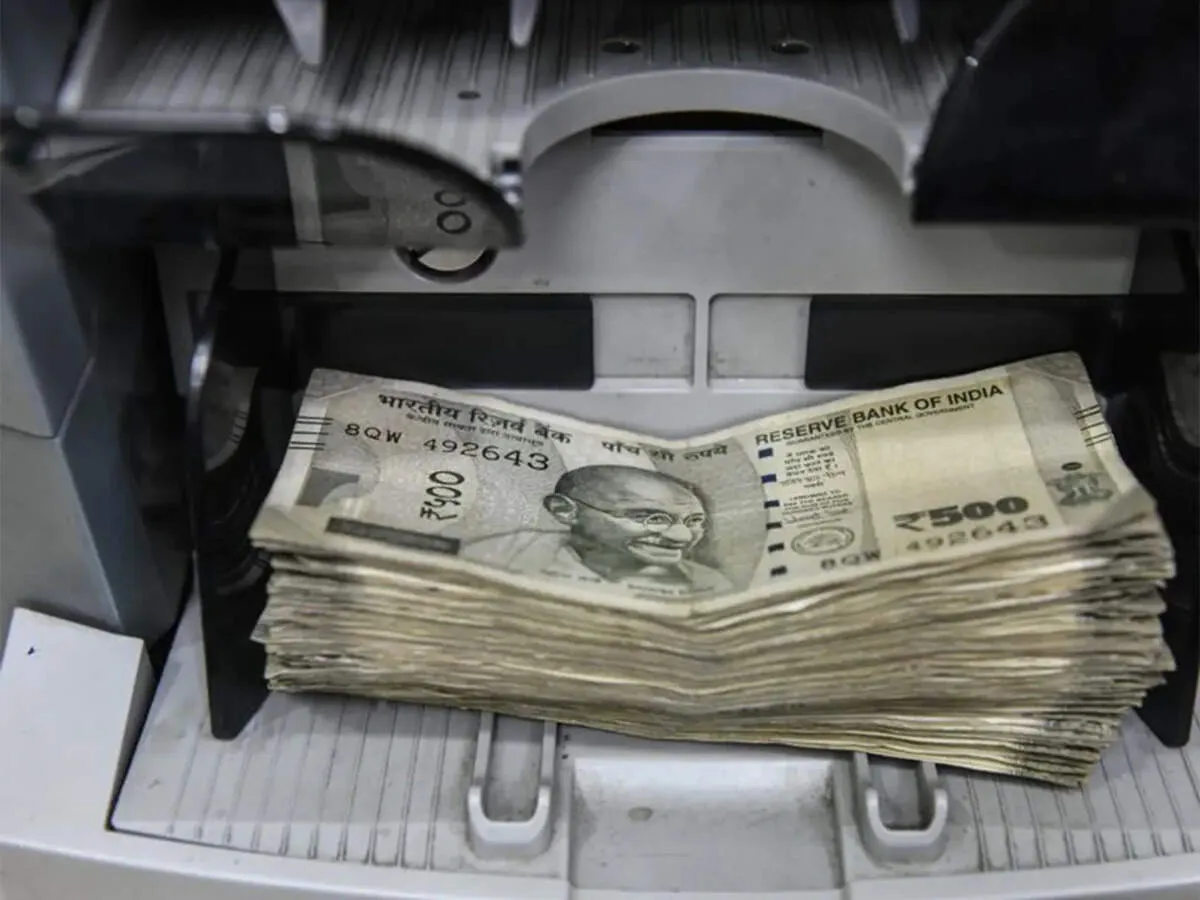
The Indian rupee slid to its weakest closing level on record, dropping nearly 0.9% to 95.31 per dollar as crude prices surged amid a US Iran standoff. Brent rose 2.5% to $103.8 per barrel after President Trump rejected Iran’s response, keeping the Strait of Hormuz, which carries about a fifth of global oil and LNG flows, effectively paralysed. Indian equities fell 1.5% and government bond yields rose. Analysts warned stronger oil can widen the current account deficit and strain FX buffers.
As India tries to contain the economic fallout from the West Asia conflict, the Prime Minister’s Office is coordinating across ministries to protect growth, inflation and the current account. Officials are mapping opportunities from the Iran-linked disruption while modeling the hit from soaring global oil prices under different price bands. Finance and commerce teams are considering easing FEMA, improving bilateral investment treaty terms, substituting select imports with domestic production, and tightening curbs on non-essential purchases like bullion and gems.
Your news, in seconds
Get the Beige app — every story in 60 words, updated hourly. Free on iOS & Android.
The rupee has hit a record low as investor outflows and an oil-driven energy shock tied to the prolonged U.S.-Iran conflict intensify pressure on India’s economy. With the Strait of Hormuz effectively shut, economists have cut growth forecasts, lifted inflation expectations, and warned the current account strain could keep the rupee under sustained selling pressure.
India’s rupee could slide to fresh record lows, potentially crossing 100 per dollar, if tensions around the Iran war escalate. Analysts warn surging oil prices would deepen inflation pressures and widen the current-account deficit. While central bank steps may cushion the move, they’re seen as temporary—market pricing suggests the rupee has more downside ahead.
Crisil has warned that the West Asia conflict could reduce remittance inflows into India. With around a third of diaspora inflows linked to Gulf Cooperation Council countries, any dip in migrant incomes may widen pressure on India’s current account. The risk arrives as the trade deficit is already under strain, despite India being the world’s largest remittance recipient.
Rising West Asia turmoil is unsettling millions of Indians working abroad, raising fears that remittance inflows to India could fall sharply. Analysts warn a slowdown in money transfers may strain the current account and add pressure to currency health, especially if job security and banking channels remain disrupted amid escalating tensions involving Iran and the US and Israel.
Never miss a story
Set alerts for the topics and sources you care about. Download Beige for free.
Swipe through stories, personalise your feed, and save articles for later — all on the app.