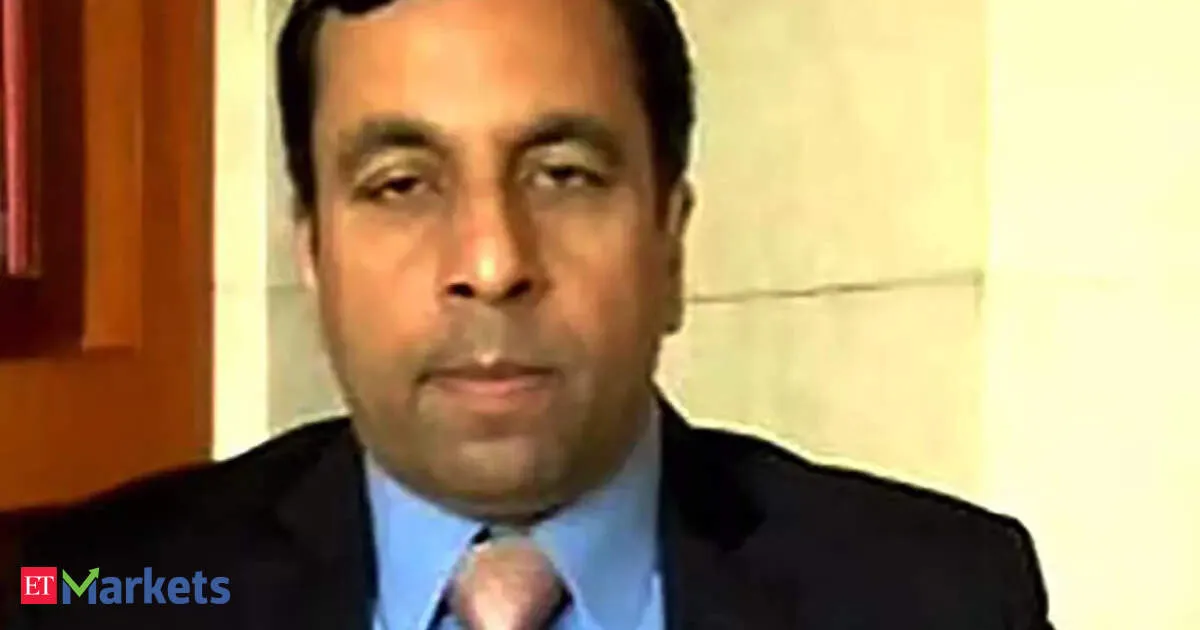
Ajay Srivastava of Dimensions Corporate says Indian markets are only beginning to feel macro pressure from global shocks, currency weakness, and energy costs, with the real hit to consumers and earnings potentially taking 3 to 6 months to show fully. He cautions investors not to assume the recent fuel spike is already reflected. His strategy emphasizes “reallocate” over concentration, leaning toward legacy and promoter-driven firms, staying selective in export-focused pharma, and avoiding Indian IT in favor of US IT.
The Middle East conflict is reverberating through global markets by pushing oil prices higher and weakening currencies, tightening financial conditions worldwide. Asia, with heavy reliance on imported energy, is especially exposed as energy costs feed into food inflation and consumer spending pressures. Investors are now watching how central banks balance these geopolitical shocks against inflation control and economic stability.
Your news, in seconds
Get the Beige app — every story in 60 words, updated hourly. Free on iOS & Android.
Japan’s 10-year government bond yield jumped to a 29-year high on Tuesday, even as the latest auction stayed stable. Traders are now fixated on U.S. Treasury Secretary Scott Bessent’s remarks during his Tokyo visit, worried they could bring renewed pressure on Japan’s monetary policy and currency. Yields rose across multiple maturities as investors repositioned.
Indian outbound travel could face a temporary slowdown as currency pressure makes overseas trips pricier and fresh government messaging adds to uncertainty. Rather than any new restrictions, analysts expect travellers to change habits—possibly choosing cheaper ASEAN destinations or more domestic trips. Meanwhile, AI-powered tools may upend travel aggregators, pushing consumers toward direct bookings.
Markets are bracing for a prolonged energy shock as high crude oil prices and geopolitical risks drag on global activity and hit India’s economy. Madhavi Arora says policymakers will need to focus on external balance and currency management, while gradual fuel price increases may follow. The fiscal cost is already stretching the government’s book, leaving investors watching for next steps.
Two months after the Iran war began, emerging markets are feeling mounting economic pressure as trade disruptions and higher inflation feed into fiscal strain. Many developing countries are seeing currency depreciation and climbing borrowing costs, unlike some commodity exporters that benefit. With financing stress increasing, global financial aid is becoming more critical.
Never miss a story
Set alerts for the topics and sources you care about. Download Beige for free.
India’s foreign exchange reserves rose by $2.3 billion to $703.30 billion for the week ending April 17, reversing some of the drawdown seen earlier. The depletion followed pressure on the rupee after the Middle East conflict, when RBI intervention helped stabilize currency swings. Reserves were last at an all-time high in February 2026.
The Reserve Bank of India has dismissed reports claiming it may replace Mahatma Gandhi’s image on existing currency and banknotes. RBI clarified there is no proposal for any change to the current Indian currency and banknotes, putting an end to speculation about altering the face on money already in circulation.
India is preparing a proposal that would require banks to report offshore rupee derivative trades, even as lenders push back against the plan, according to two sources. The move aims to boost transparency in a fast-growing offshore market that has intensified pressure on the rupee, potentially affecting how currency risks are tracked.
Volvo Car India will recalibrate prices upward by as much as Rs 1 lakh for its vehicles from May 1. The automaker attributes the move to international supply chain disruptions and currency variations. It also warns that if the economic situation fails to improve, more price hikes could be announced later.
Reading on mobile?
Open Beige in the app for a smoother experience — free on iOS and Android.
Rising West Asia turmoil is unsettling millions of Indians working abroad, raising fears that remittance inflows to India could fall sharply. Analysts warn a slowdown in money transfers may strain the current account and add pressure to currency health, especially if job security and banking channels remain disrupted amid escalating tensions involving Iran and the US and Israel.
Swipe through stories, personalise your feed, and save articles for later — all on the app.