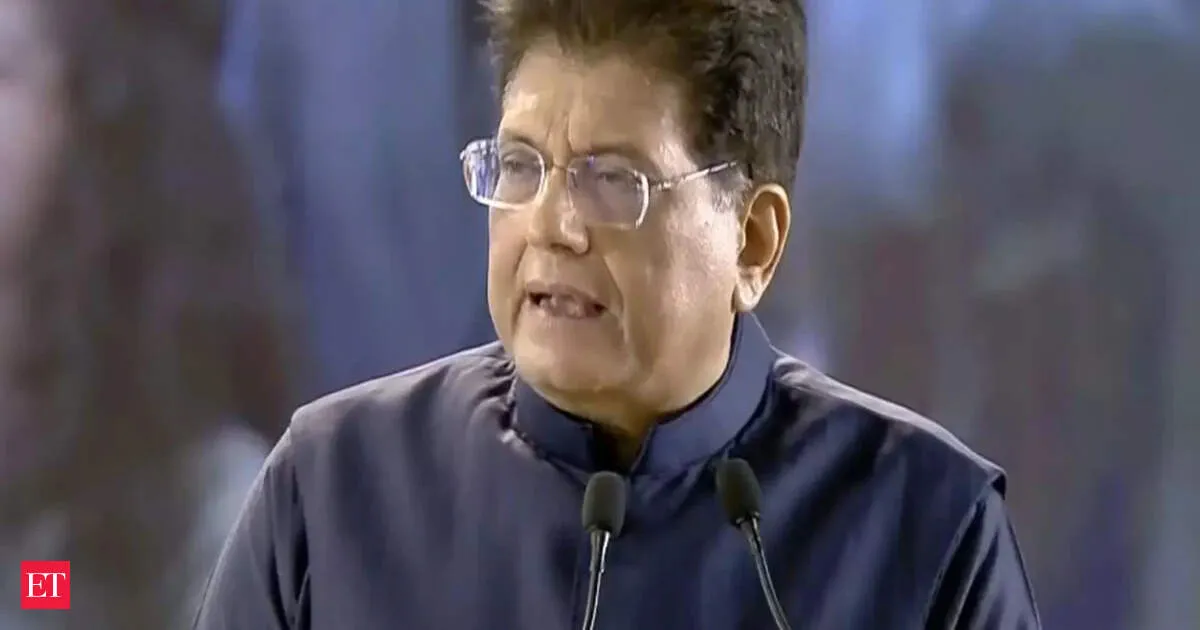
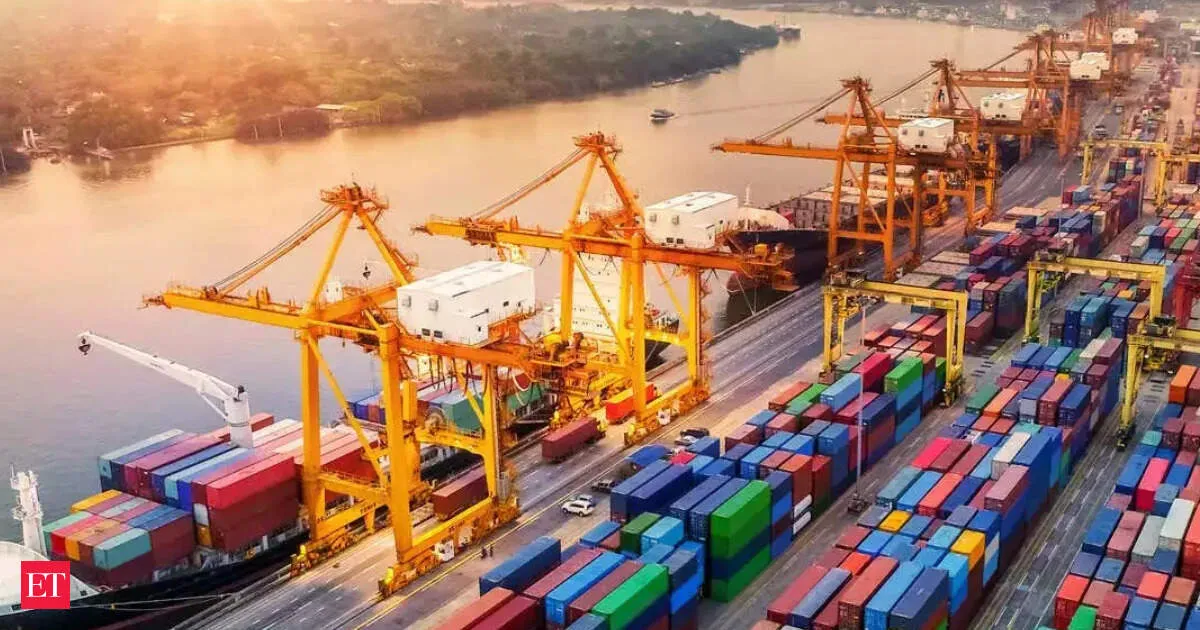
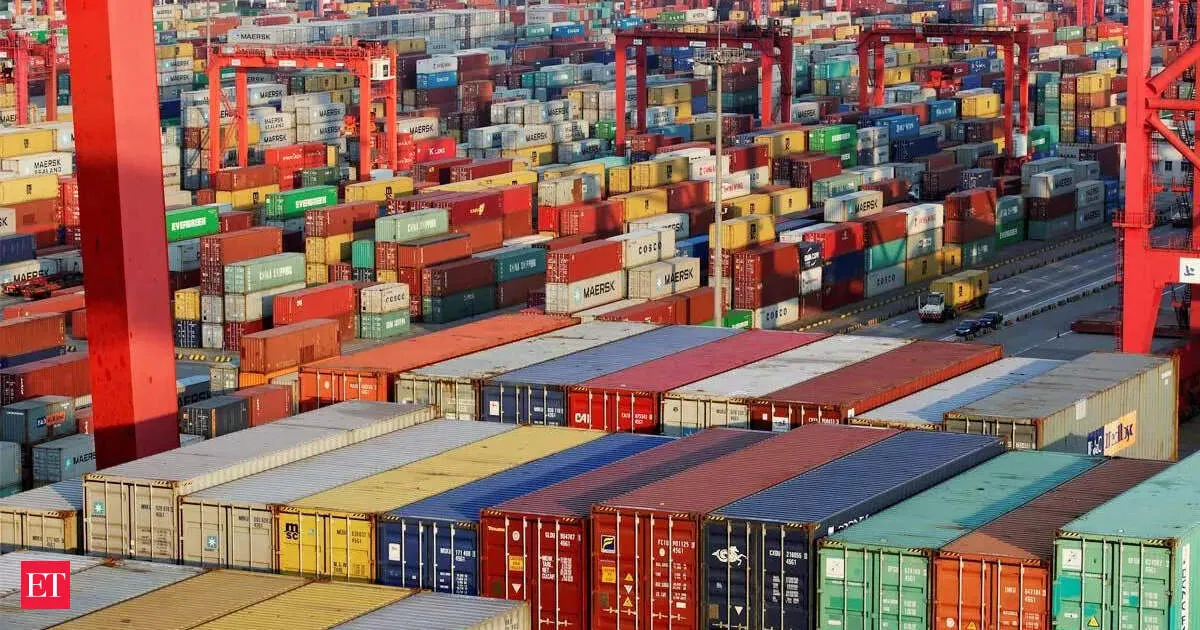
India is recalibrating its economic approach to East Africa as global supply chains realign and energy transition needs intensify. At a conference in New Delhi hosted by Chintan Research Foundation, speakers said bilateral trade has climbed steadily to nearly $16 billion, with strong import growth in 2024–25. The next step, they argued, is deeper industrial integration, regional value chains, and digital connectivity—especially around critical minerals. Bottlenecks in logistics, trade finance, and routing via West Asian hubs must be addressed for scale. Renewable energy cooperation was flagged as a long-term strategic collaboration.
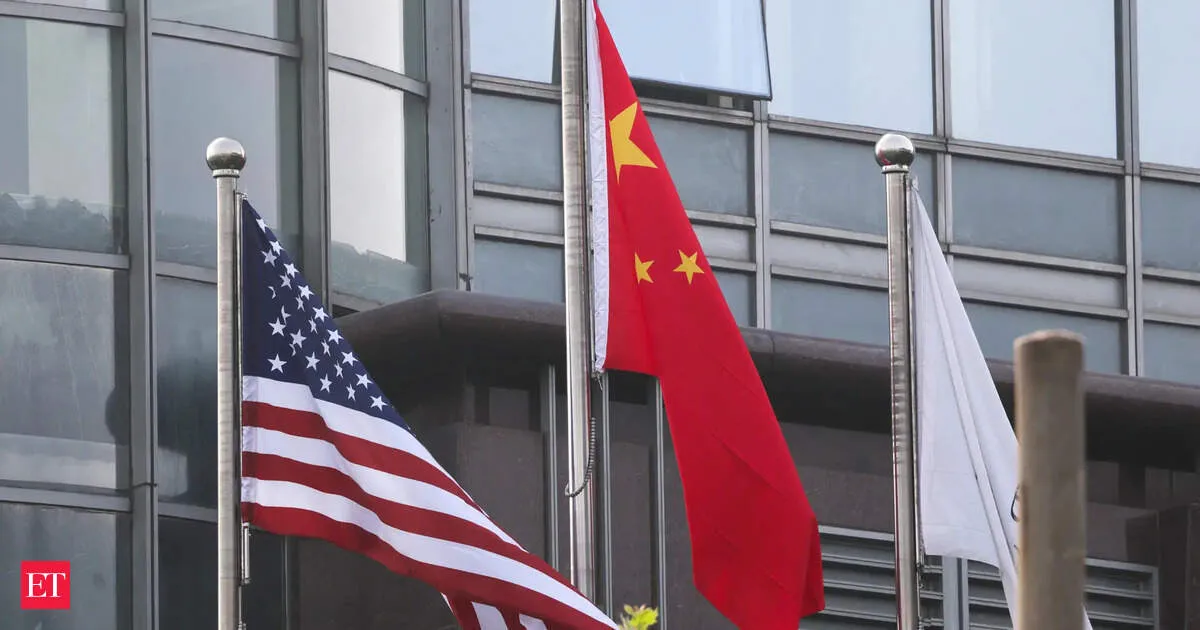
Fresh US-China trade negotiations began in Seoul at Incheon International Airport, just hours before President Donald Trump lands in Beijing for talks with Xi Jinping. Led by Chinese Vice-Premier He Lifeng and US Treasury Secretary Scott Bessent, the meeting comes as the parties prepare to review tariff and export-control tensions, including a critical minerals-related suspension expected to expire in November. The agenda also reportedly covers US soybeans and beef, plus aircraft export controls—while the third-month US-Israeli war on Iran and its shipping and price impacts loom large.
Your news, in seconds
Get the Beige app — every story in 60 words, updated hourly. Free on iOS & Android.
India and Japan have stepped up economic cooperation through a key dialogue centered on industrial and technological partnerships. Both sides prioritised critical minerals, semiconductors, ICT, clean energy, and pharmaceuticals, with a shared focus on building resilient supply chains. Talks also extended to defence, trade, and energy security, signalling broader strategic alignment.
India and Oman are set to bring their free trade agreement into force on June 1, 2026. The deal is expected to give India duty-free access to 98 percent of its exports to Oman, boosting trade ties. At the same time, India is pursuing a broader economic partnership with Chile, prioritizing critical minerals needed for electronics and auto supply chains.
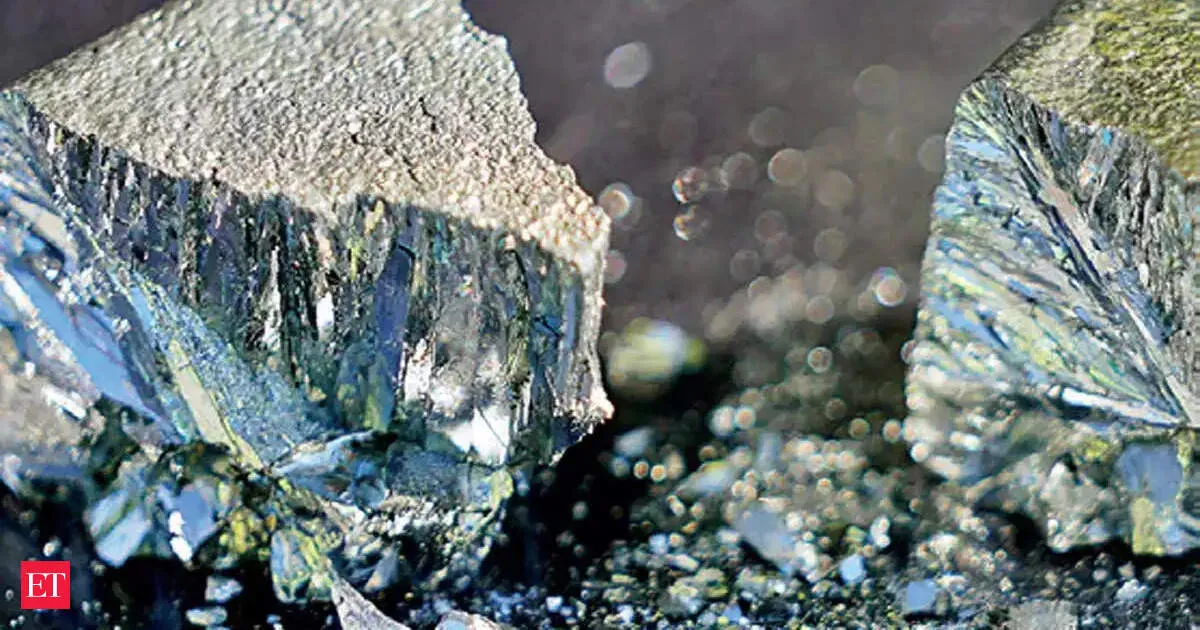
India and Russia are reportedly in advanced talks for a critical minerals pact that would span exploration, processing and technology for resources like lithium and rare earths. The proposed framework is designed to reduce India’s dependence on China while enabling easier corporate investment. If finalized, it could strengthen long-term access to inputs key for clean energy and high-tech manufacturing.
India and Peru are set to restart free trade discussions in June, with officials suggesting a deal could be wrapped up by year end. Peru is also in talks with India over critical minerals, while Indian firms are seeking steadier copper supplies. With India’s copper demand projected to surge, the negotiations could reshape access to key raw materials.
Never miss a story
Set alerts for the topics and sources you care about. Download Beige for free.
Vedanta Group says India must accelerate domestic exploration and faster operationalisation of natural resource assets to cut import dependence. The push comes as Strait of Hormuz geopolitical tensions raise supply risk and global competition for critical minerals intensifies. The company argues stronger long-term resource security will require quicker development rather than relying on imports.
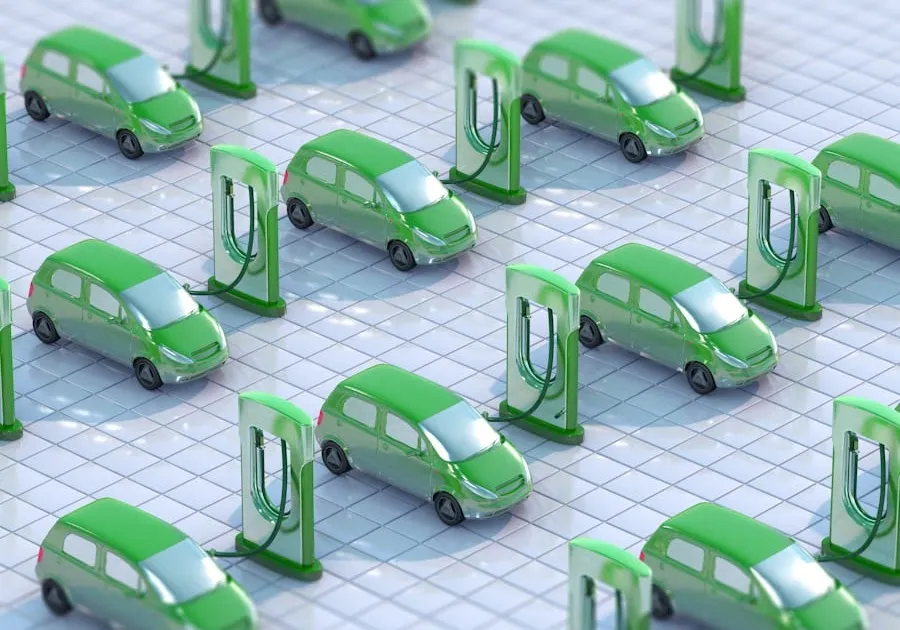
India and the European Union have launched a €15.2 million call for proposals to develop EV battery recycling technologies under the Trade and Technology Council. With funding shared through Horizon Europe and India’s Ministry of Heavy Industries, teams will work to recover lithium, cobalt and graphite, cut import dependence, and build an India-based pilot line using safer, digital and inclusive logistics. Submissions run until 15 September 2026.
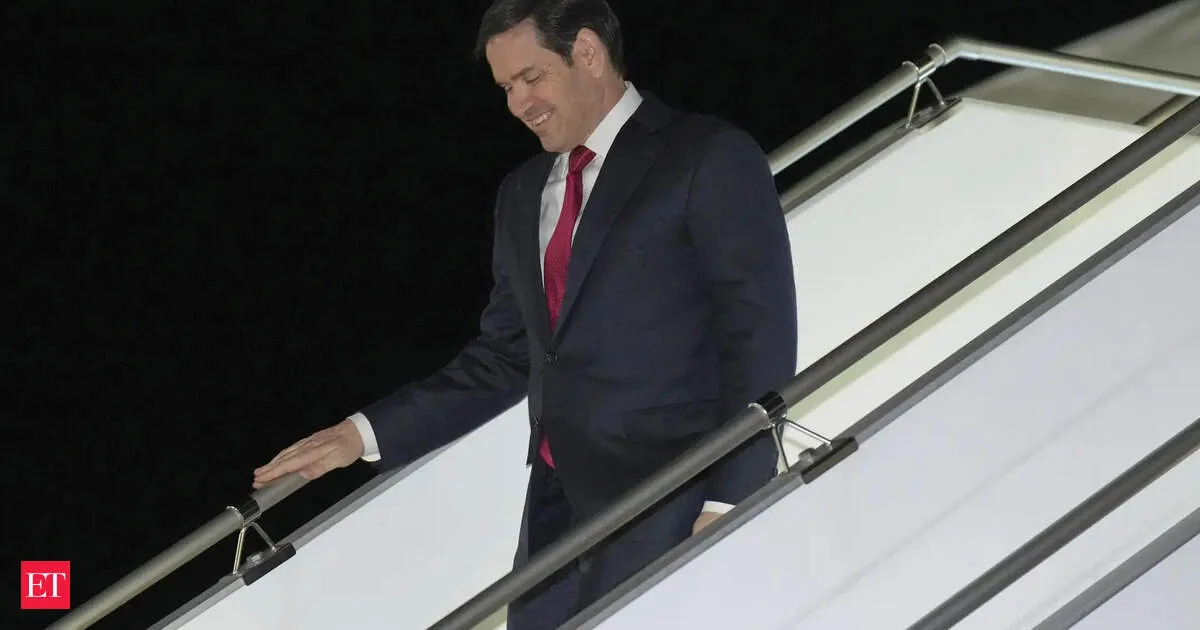
Quad foreign ministers are set to meet in New Delhi after Donald Trump’s China visit, with talks expected to target China’s expanding influence. The agenda highlights critical minerals, technology cooperation, and resilient supply chains. Separately, Indian companies have committed a record $20.5 billion in investments to the US, strengthening bilateral trade and especially pharmaceuticals.
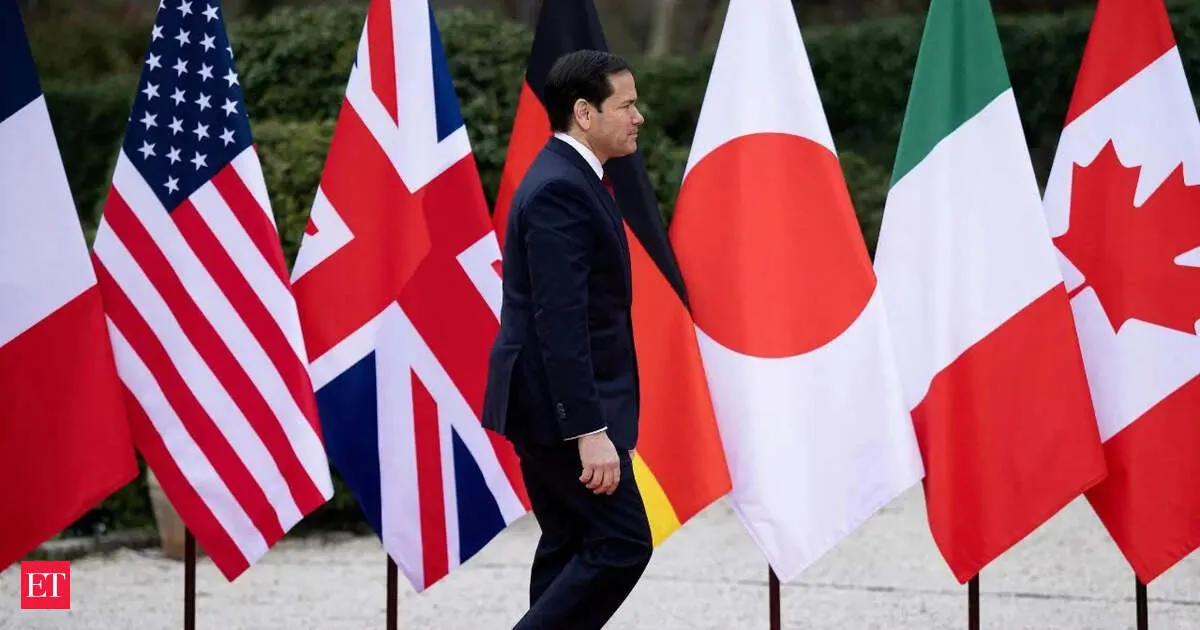
G7 trade ministers have sharply criticised “economic coercion,” alleging arbitrary export restrictions—especially on critical minerals—that could disrupt global supply chains. In a pointed message widely seen as directed at China, they warned such moves undermine economic security and resilience, urging caution over policies that can destabilise access to essential resources.
Reading on mobile?
Open Beige in the app for a smoother experience — free on iOS and Android.
Hindustan Zinc says it is evolving into a multi metal and critical minerals platform, aiming to reduce India’s import dependence. The company cites record mined and refined zinc production for FY25-26, alongside substantial silver output. Driven by operational discipline and cost efficiency, the move is positioned as a growth bet and a step toward greater self sufficiency.
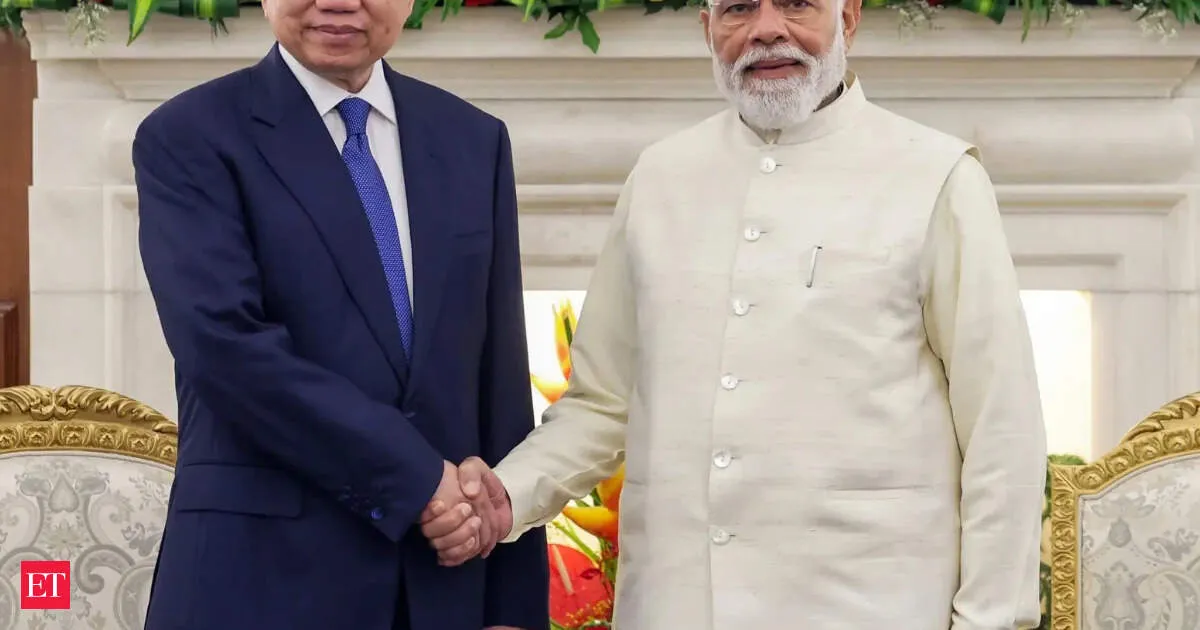
Prime Minister Narendra Modi announced a major upgrade in India and Vietnam ties, spanning critical minerals, rare earths, and energy security. Thirteen MoUs were signed across areas like digital technologies, pharmaceuticals, and tourism, while an agreement aims to connect India’s UPI with Vietnam’s payment network. The move is framed as boosting economic and defence cooperation for regional stability.
G7 trade ministers are set to meet in Paris to focus on critical minerals, small package trade, industrial overcapacity, and economic security. The economic fallout from the ongoing Middle East conflict will also feature. However, the latest US threat of new tariffs on European vehicles will not be discussed in the main G7 session, instead addressed through separate bilateral talks.
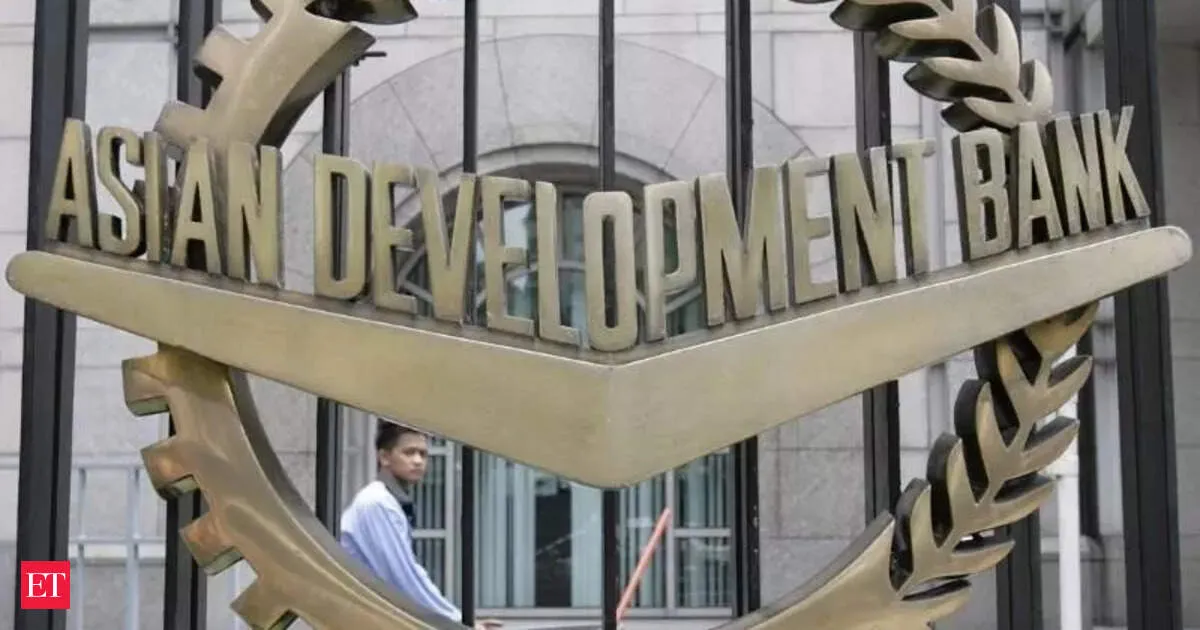
The Asian Development Bank has launched a new facility to strengthen critical minerals supply chains across Asia and the Pacific. The effort is designed to help developing economies shift toward higher-value clean energy and advanced technology industries. Japan and the UK provide initial grants, while Korea’s Eximbank and Trade Insurance add catalytic finance support.
Follow your favourite sources
Track sources, tags and categories — all in the Beige app.
India and Ecuador are exploring a preferential trade agreement as they broaden cooperation beyond traditional diplomacy. Talks also cover expanding collaboration in healthcare, agriculture, and digital technology, alongside Ecuador’s planned participation in global initiatives like the International Solar Alliance and the International Big Cat Alliance. India will offer grant support for development projects, while discussions extend to pharmaceuticals and critical mineral supply chains.
The Mines Ministry has approved 58 companies under a ₹1,500 crore incentive scheme to expand recycling of critical minerals. Part of the National Critical Mineral Mission, the plan is designed to build domestic capacity to process materials from lithium-ion batteries, e-waste and industrial scrap, cutting import reliance while supporting clean energy and manufacturing.
Earth AI is responding to long delays in finding critical minerals by vertically integrating parts of its search process. The company says slow timelines forced it to take matters into its own hands, aiming to reduce dependency on external pathways and speed up discovery and access for materials crucial to technology and industry.
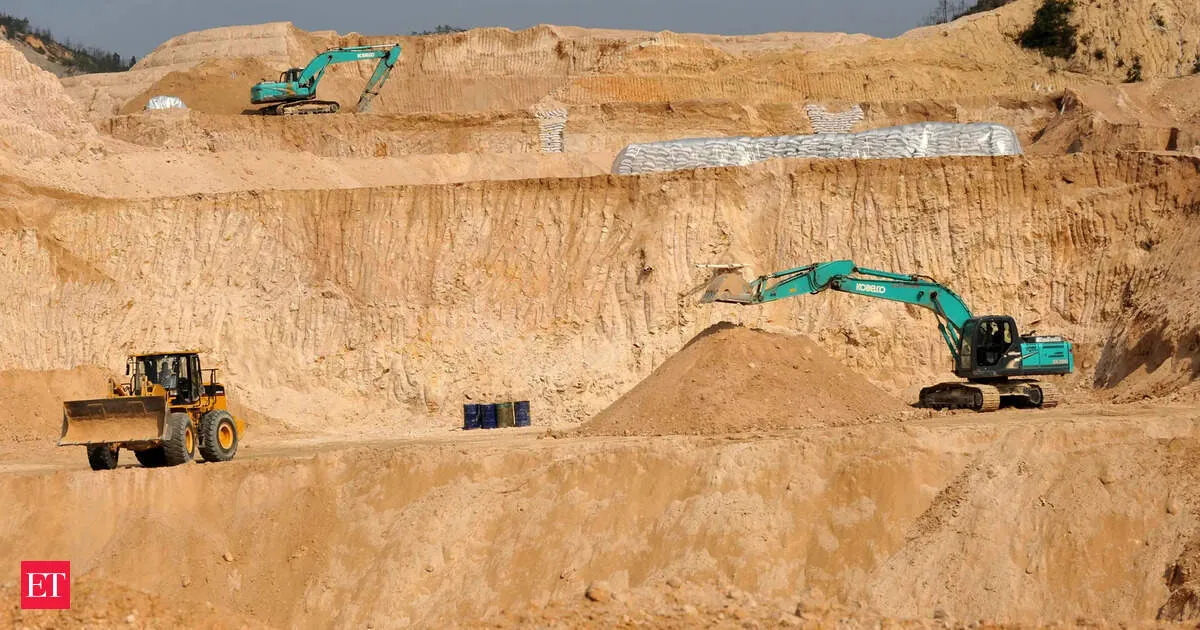
Unregulated rare earth mining in Myanmar and Laos is releasing toxic runoff into the Mekong River and its tributaries, threatening livelihoods across Southeast Asia. With regional clean-up efforts proving limited, the damage is growing alongside a mining boom fueled by rising global demand for critical minerals—casting a shadow over the food exports many countries rely on.
Stay informed on the go
Bite-sized news from 100+ trusted sources, right in your pocket.
Rare Earths Americas has kicked off its U.S. IPO roadshow, seeking a valuation of up to $368.4 million. The company is riding a wave of investor enthusiasm for critical minerals that power modern electronics and clean-energy products, including electric vehicles and consumer devices like iPhones.
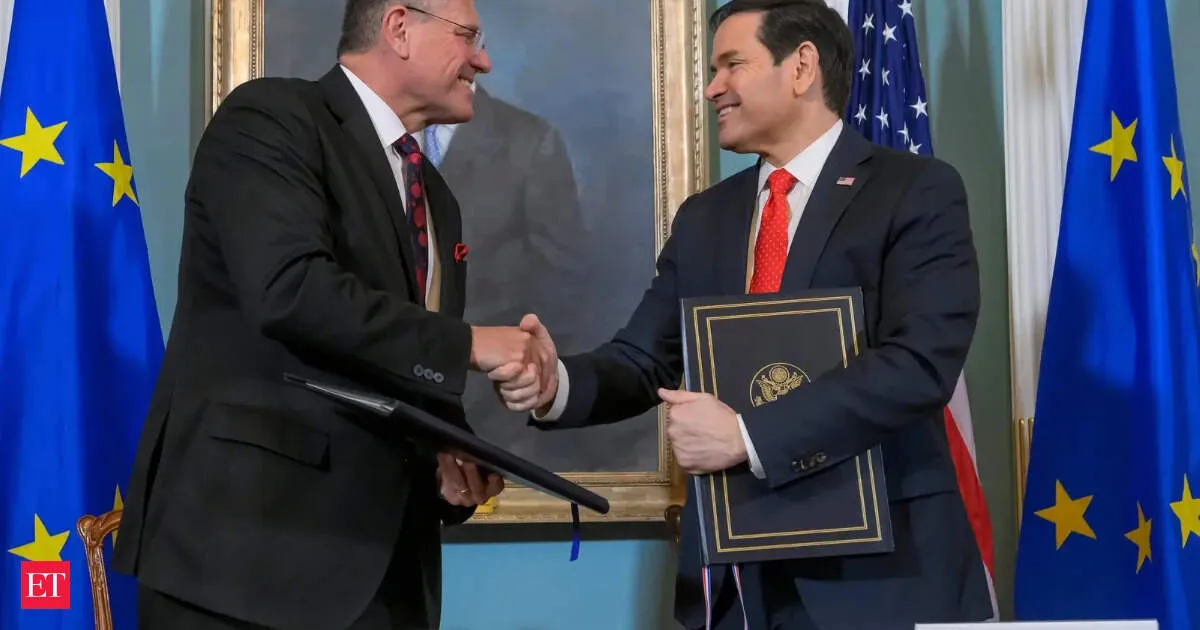
The US and European Union are deepening cooperation on critical minerals, aiming to cut reliance on China for materials vital to modern industries. Officials have signed an agreement focused on securing and producing these resources. Alongside it, a separate trade plan will tackle unfair practices, strengthening transatlantic ties and diversifying supply chains for emerging technologies.
Swipe through stories, personalise your feed, and save articles for later — all on the app.