Poland’s top intelligence agency alleges Russian hackers carried out sabotage and cyber intrusions targeting both military and civilian infrastructure, including water treatment plants. The report suggests the threat is not confined to Poland, warning that the US could be facing similar tactics. Officials frame it as a broader security challenge to essential services and critical networks.
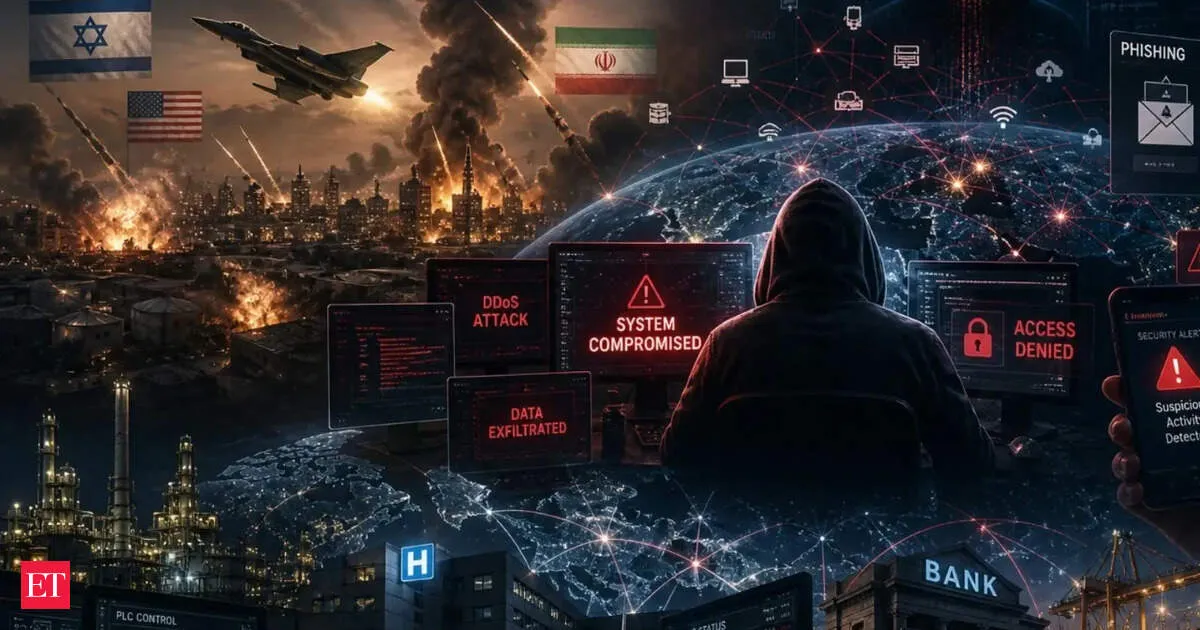
Cyber conflict is spilling beyond traditional battle lines after US and Israeli strikes on Iran, with hacktivists and state-backed groups launching cross-border attacks. The fallout is a fast-growing cybercrime economy that blurs war and wrongdoing, creating new openings for financially motivated scams. Critical infrastructure such as energy and aviation now faces escalating risk, while everyday users get targeted with more sophisticated fraud.
Your news, in seconds
Get the Beige app — every story in 60 words, updated hourly. Free on iOS & Android.
Cyberattack attempts are surging across the UAE and the wider Gulf, with financial services, government platforms, and utilities among the hardest hit. Experts say attacks have tripled, disrupting business activity and delaying operations. The escalation is raising fears about eroding confidence in digital infrastructure and exposing growing vulnerabilities. Meanwhile, demand for cybersecurity professionals in the region is climbing sharply.
India is reportedly seeking fair access to Anthropic’s Mythos AI model through discussions with the US administration. The government wants Indian companies to use advanced AI for faster vulnerability detection while focusing on protecting critical infrastructure such as power grids and banking systems. Officials say equitable access is key as these models can identify weaknesses quickly.
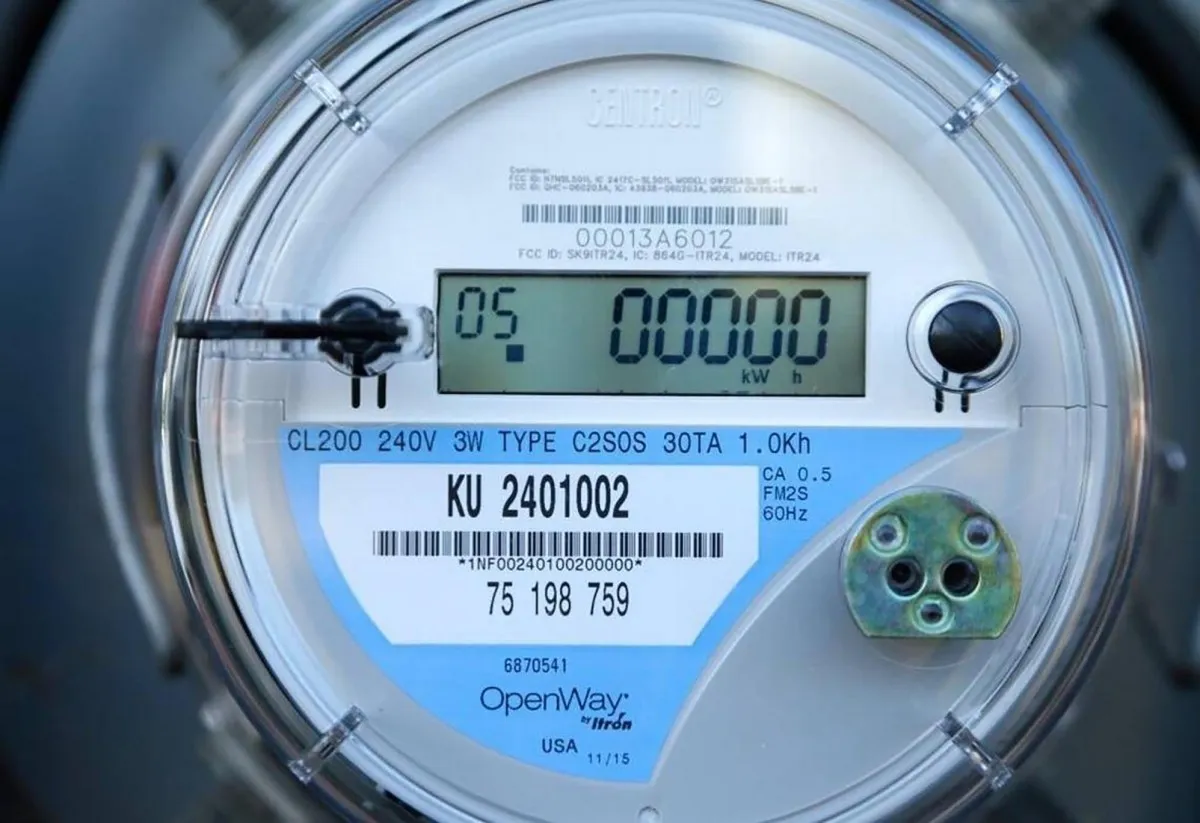
Itron, a major U.S. technology provider for water and energy monitoring, says it was hacked. The company supplies utility meters and related systems used across hundreds of millions of homes and businesses. With infrastructure operators depending on its technology, the incident could affect how data is collected and managed—raising urgent questions about scope and impact.
The UK’s National Cyber Security Centre chief Richard Horne warned that the country’s gravest cyber threat now comes from hostile states including Russia, Iran and China. He described a “seismic” geopolitical shift and urged UK firms to strengthen defences, warning that state-backed attacks could be far larger in scope during potential conflict and target critical systems.
Never miss a story
Set alerts for the topics and sources you care about. Download Beige for free.
Swipe through stories, personalise your feed, and save articles for later — all on the app.