The Telangana High Court upheld a woman’s conviction in her husband’s death case but replaced her four-year jail term with a ₹500 fine. The court accepted that the stabbing occurred during a sudden quarrel, not with premeditation, and said returning her to prison was unnecessary despite the finding of guilt.
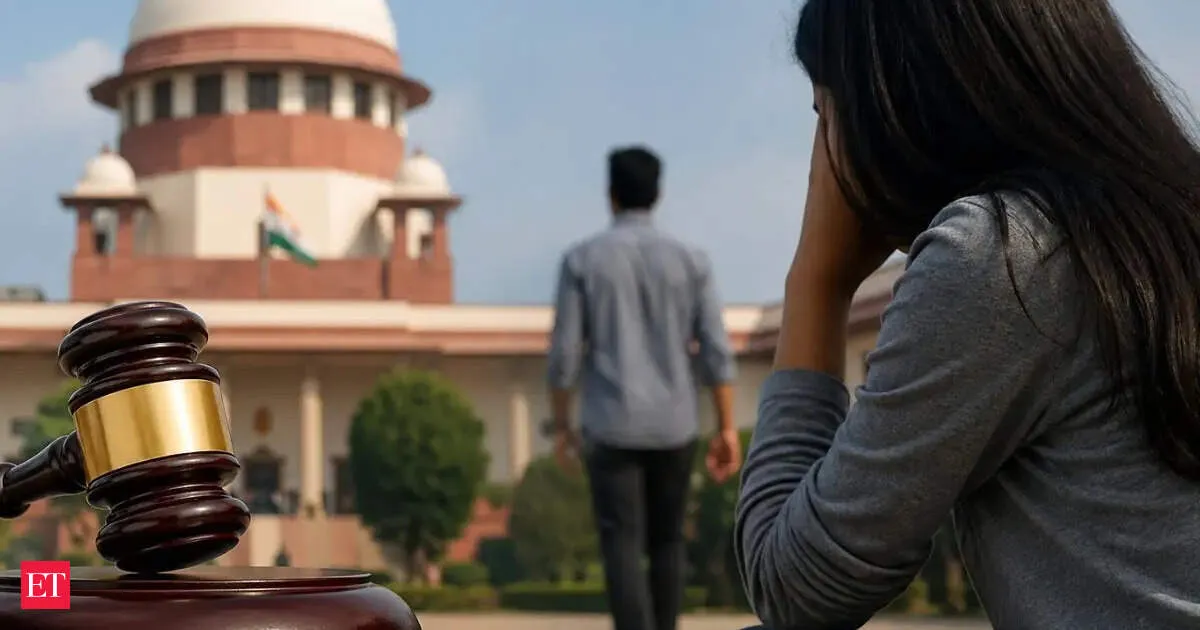
The Supreme Court has ruled that ending a live-in relationship is not a criminal offence. The court said such relationships can be dissolved without penal consequences, drawing an analogy to marriage. It also clarified that heartbreak or emotional harm, by itself, is not something the criminal law can punish, reaffirming personal freedom to leave a relationship.
Your news, in seconds
Get the Beige app — every story in 60 words, updated hourly. Free on iOS & Android.
The Supreme Court has ruled that ending a consensual live-in relationship is not a criminal offence, even when it lasts 15 years. The judges said provisions like sexual harassment cannot be stretched to criminalize consensual unions, though civil options such as child maintenance remain available. The verdict also reflected sympathy while drawing clear legal limits.
The Supreme Court clarified that courts may reject anticipatory bail, but cannot direct an accused to surrender before the trial court. The observation came after the Jharkhand High Court, despite denying anticipatory bail, ordered the accused to surrender. The apex court held that such a direction is outside the court’s jurisdiction while dealing with anticipatory bail pleas.
Swipe through stories, personalise your feed, and save articles for later — all on the app.