Satin Creditcare Network’s fourth-quarter profit surged, driven by stronger business momentum alongside lower bad loan provisions. The microfinance lender also reported improved asset quality, while annual earnings grew steadily. Across its lending businesses, assets under management expanded in a gradual but consistent manner, signaling improving balance-sheet health and demand.
A growing set of Indian road projects under the hybrid annuity model is facing execution delays, largely linked to model complexity and a slow right-of-way acquisition process. However, Crisil finds lenders are still protected because concession agreements provide strong safeguards, keeping credit profiles stable even as timelines slip. The key friction point remains getting land access cleared.
Your news, in seconds
Get the Beige app — every story in 60 words, updated hourly. Free on iOS & Android.
Muthoot Microfin outperformed a shrinking lending market, expanding assets by more than 13% while industry growth fell about 20%. The CEO attributed the turnaround to improved repayment performance and lower bad loans. New individual loan products are gaining traction, and further margin expansion and profitability gains are expected in the coming years.
UAE bank lending is slowing as lenders grow more cautious amid the Iran conflict. Real estate and construction companies are struggling to secure fresh credit, while banks boost provisions to cover rising risk. With tighter underwriting and slower approvals, some businesses are turning to private lenders to keep projects moving.
McKinsey says India’s banking sector is shifting from a phase of strong profits and balance sheet improvement to a tougher era of structural pressures. Higher operating costs and emerging credit risks are likely to weigh on profitability, forcing banks to navigate “turbulence” as the operating environment grows more complex than in recent years.
Indian banks are bolstering their balance sheets by creating dedicated buffers for credit risks tied to the West Asia crisis. Banks including Axis Bank, Union Bank of India, Indian Overseas Bank, and Indian Bank are setting aside significant amounts to guard against potential loan stress. The move signals cautious, proactive risk management as global uncertainties persist.
Never miss a story
Set alerts for the topics and sources you care about. Download Beige for free.
Indian banks will move to Expected Credit Loss ECL norms starting April 1, 2027, shifting provisioning from only past defaults to losses expected over time. Dinesh Kumar Khara says banks are already prepared and the impact is manageable. The change is expected to strengthen the system’s resilience against future economic stress by improving how credit risk is recognized.
Digital lending firms are tightening their stance on term-loan exposure to small businesses, signaling a more cautious risk appetite. The report also flags heightened concern around Mythos’ security posture, raising questions for lenders about safeguarding underwriting, customer data, and collections. The shift could reshape access to credit for smaller borrowers.
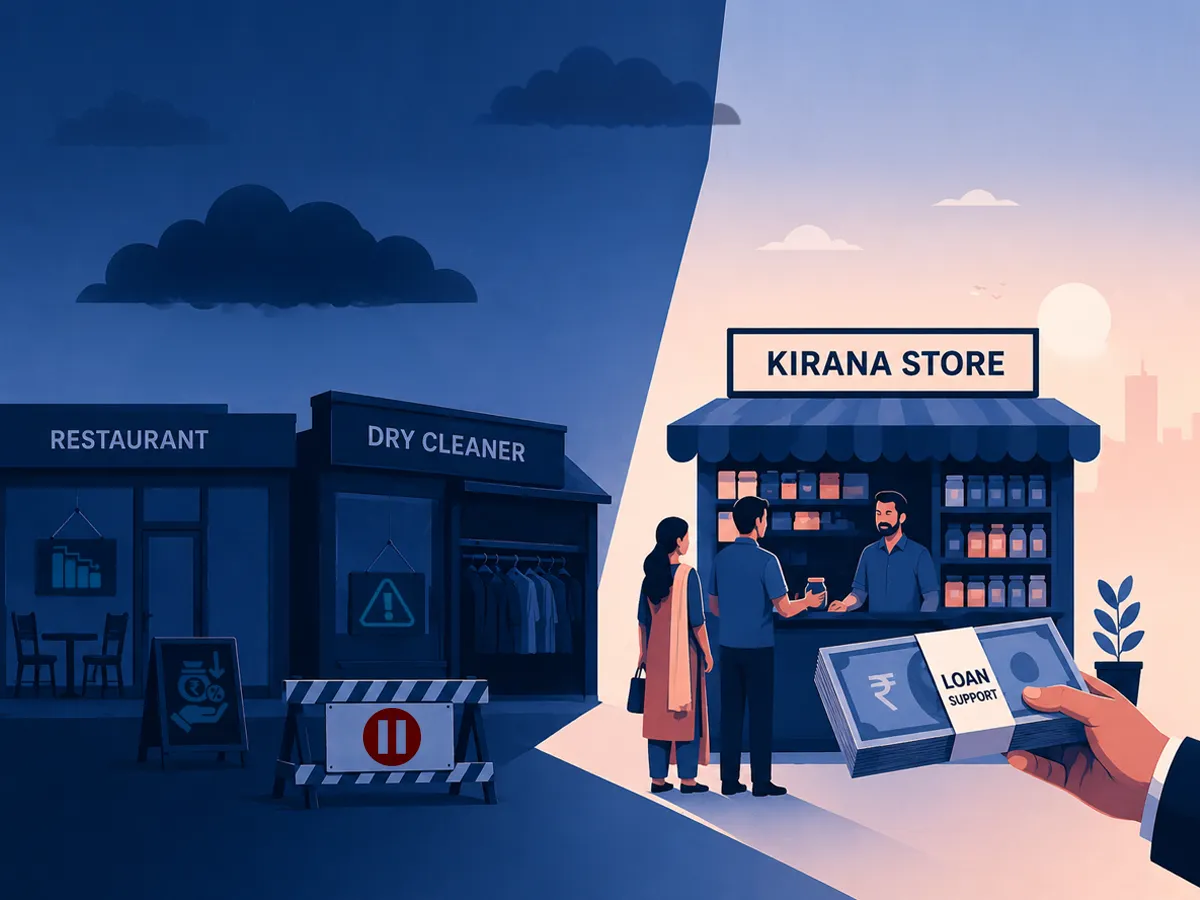
Digital lenders are moving to a cautious stance on credit for small businesses such as restaurants and petrol pumps. The shift comes after West Asia disruptions pushed up costs across multiple sectors, leaving lenders to watch for early stress. While repayments are currently holding, unsecured loan underwriting is being tightened as repayment pressure could surface later.
Veteran bankers are launching rural-focused lending startups to replace abusive local loan sharks, betting on a growing credit need across villages. But expansion is far from easy: building reliable borrower data, managing defaults, and handling thin documentation can quickly erode margins. The opportunity is huge, yet execution decides who survives.
Reading on mobile?
Open Beige in the app for a smoother experience — free on iOS and Android.
JPMorgan CEO Jamie Dimon says losses in the $1.8 trillion private credit market may be “higher than expected.” But the warning isn’t new: the Fed, IMF, Financial Stability Board, and other regulators have been assembling evidence for over a year. The report connects the risk from loan origination through private credit vehicles to where a wider shock could emerge.
Swipe through stories, personalise your feed, and save articles for later — all on the app.