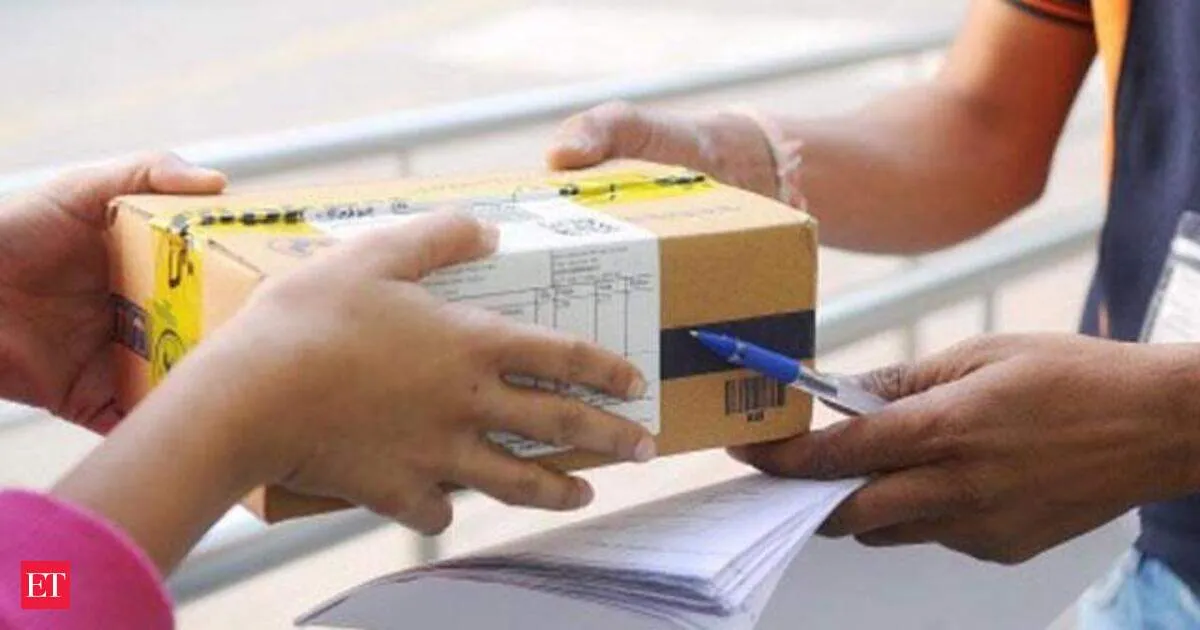
Cash on delivery remains central to India’s e-commerce even as UPI records soar, with industry estimates putting COD at close to half of all online orders. The article argues the real driver isn’t payment convenience but trust: first-time buyers in Tier-2 and Tier-3 areas fear delivery delays, wrong items, or refund hassles, so COD lets them inspect before paying. Businesses are now using data-based risk models, partial prepay, and verification to limit losses while keeping access for cautious shoppers.
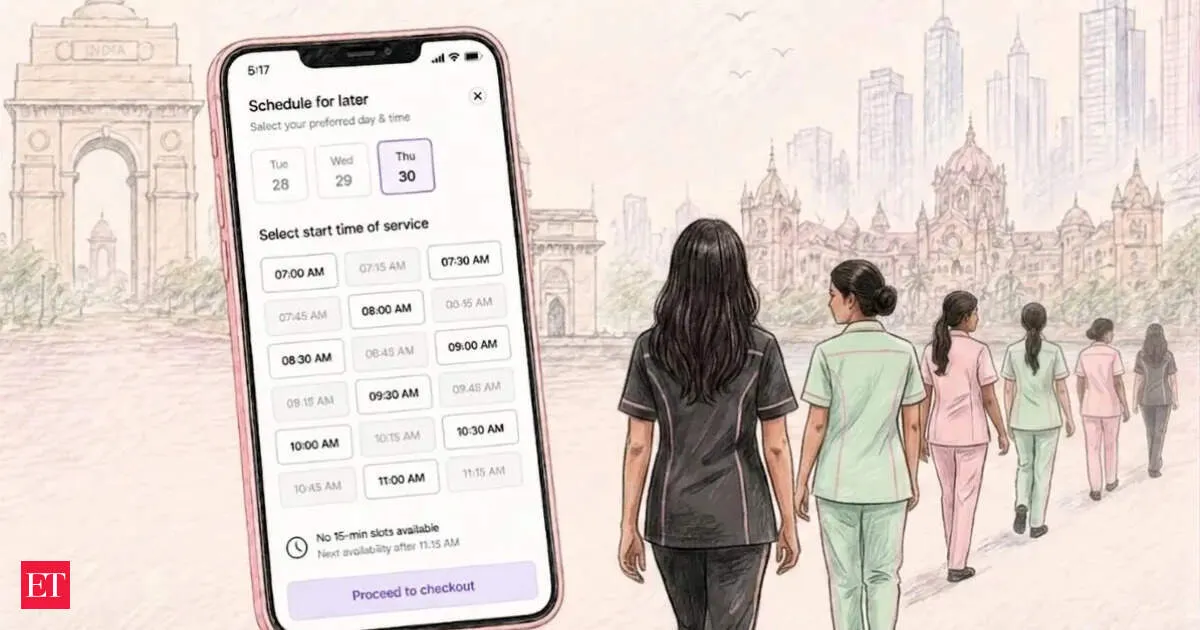
India’s quick commerce boom is spilling into domestic help, with startups like Snabbit and Pronto drawing investor attention for on-demand cleaners and helpers. Workers can be booked for household chores starting around Rs 99, in a market investors estimate at $60 billion. Backers say reliability and standardization solve absenteeism, and repeat use could shift recurring tasks to apps. But consumers cite higher repeat prices, limited availability, inconsistent support, and weak grievance resolution, making “instant” reliability uncertain.
Your news, in seconds
Get the Beige app — every story in 60 words, updated hourly. Free on iOS & Android.
Indian sneaker brands are rapidly gaining ground by pairing competitive pricing with style that feels culturally rooted. Targeting India’s mass premium segment, these homegrown labels are betting that shoppers will trade up from budget footwear. Yet as metro demand grows, the biggest hurdle remains building lasting trust—on quality, consistency, and brand reliability.
Kerala-based natural latex mattress brand Morning Owl is winning in a crowded Indian market by prioritizing verification over marketing. Customers can unzip the mattress to see certified Dunlop latex sourced from Kerala’s rubber belt, with clear certifications and transparent construction. The brand also offers hybrid entry options and grows via D2C and experience-led showrooms across major cities.
As fintech expands beyond polished urban hubs, patchy internet access is undermining user confidence. Frequent time-outs, slow pockets of connectivity, and sudden drops make digital banking feel unreliable—especially for customers in tier-2 and smaller towns—creating a practical barrier to adoption despite the promise of convenience and speed.
Swipe through stories, personalise your feed, and save articles for later — all on the app.