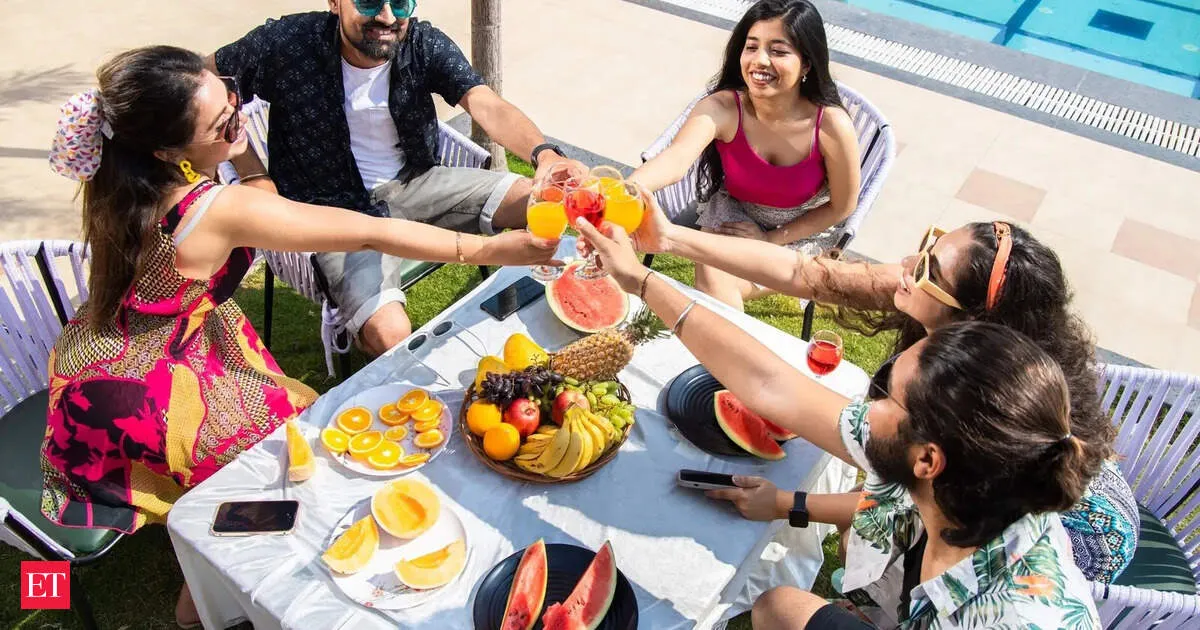
India’s hotel business is being reshaped by a “lifestyle-led” model as Marriott, Accor and Hyatt redesign properties around Gen Z and millennials. Instead of oversized rooms, hotels are shrinking space, upgrading vibrant lobbies and social zones, and betting on community-driven stays. The strategy lowers development costs while lifting revenue through longer, more frequent hangouts and brand experiences.
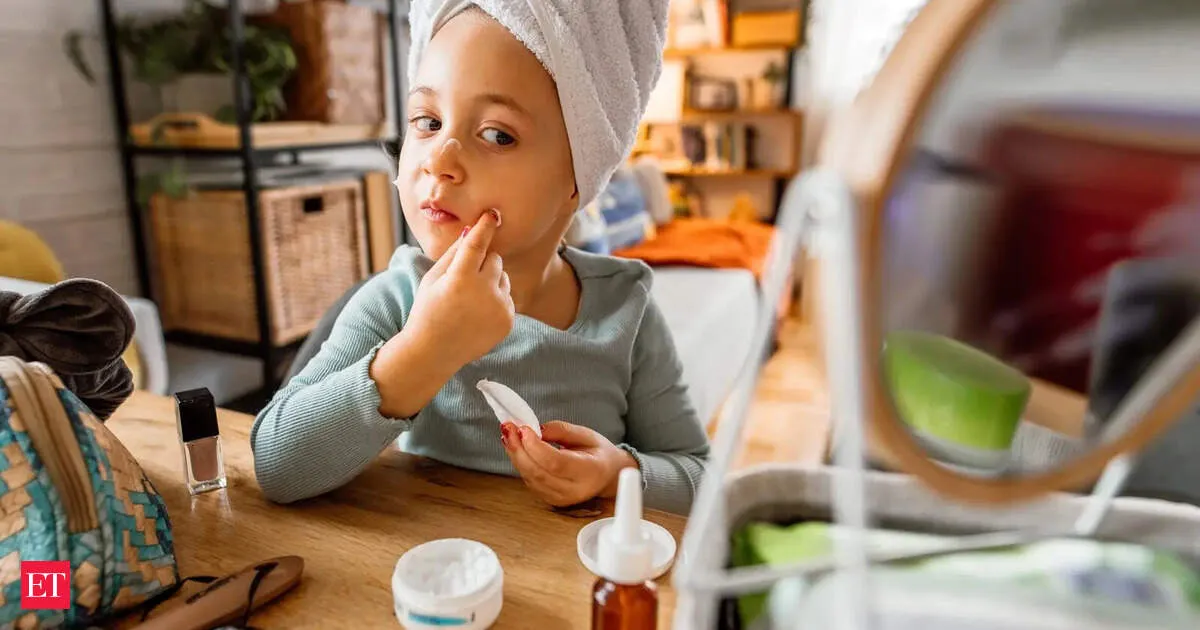
The “get ready with me” trend is pulling kids deeper into the beauty industry, fueled by kidfluencers who showcase cosmetics to young audiences. Brands market the products as play and experimentation, but experts warn the content can shape social conditioning—nudging kids from curiosity toward routine, and potentially impacting self-image and the need for external validation.
Your news, in seconds
Get the Beige app — every story in 60 words, updated hourly. Free on iOS & Android.
With gold prices staying high, Indian buyers are increasingly exchanging old jewellery for redesigned pieces instead of purchasing fresh gold. Jewellers including P. N. Gadgil Jewellers and Tanishq report strong jumps in these trade-ins as consumers treat old gold as a savings asset. The shift is also expected to curb demand for new gold imports.
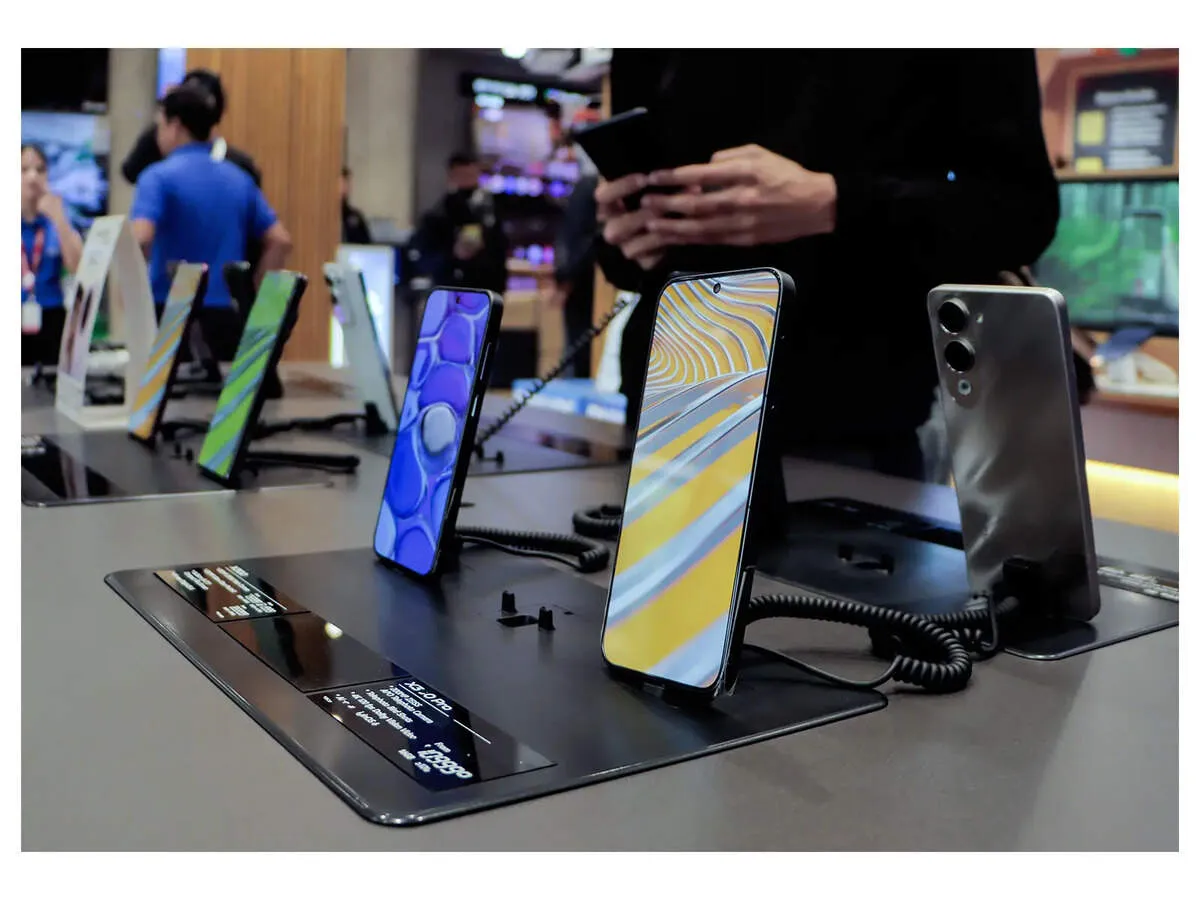
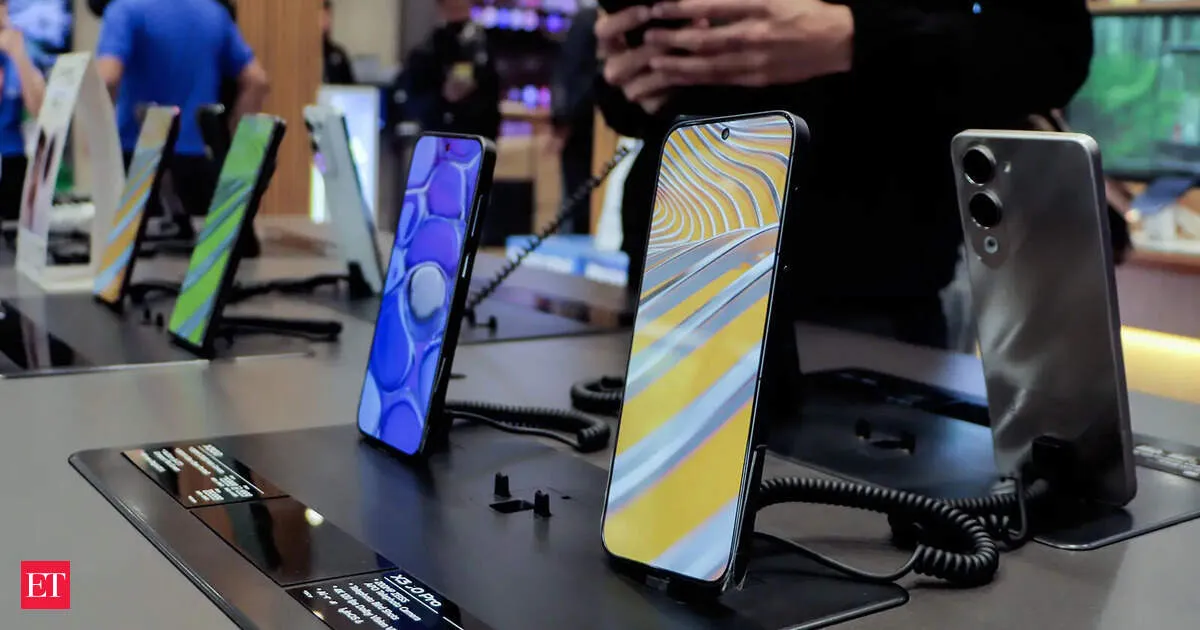
A Flipkart-Counterpoint study finds AI features now heavily influence smartphone buying in India, with nearly 89% of users saying they care about AI capabilities. Buyers are increasingly guided by user experience rather than raw specs, treating AI as a baseline even in mid-range models. Affordability remains decisive, and many choose EMI while design and color sway decisions too.
Indian smartphone shoppers are increasingly guided by personal style and AI-enabled features rather than raw specifications. Colourful designs strongly influence decisions for women, Gen Z, and Tier-II buyers, while value for money and brand trust still matter. Consumers are also upgrading more deliberately, prioritising integrated experiences and dependable performance across devices.
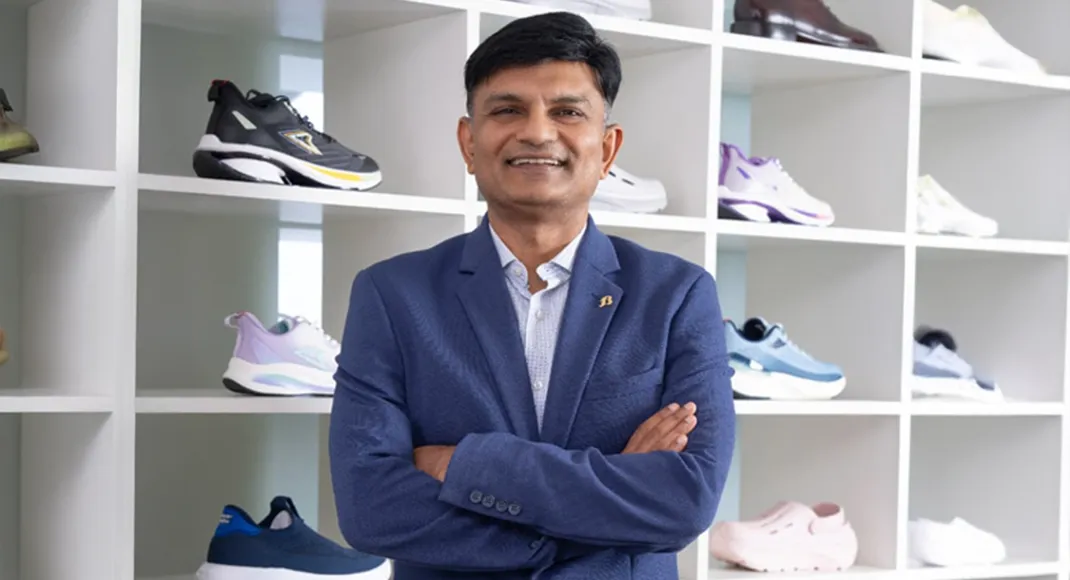
Bata, a century-old footwear brand that once followed multiple generations through daily life, is struggling as India’s consumers become younger, richer, and more style-led. With changing preferences, the company is racing to reinvent its offerings to win back relevance before competitors and new trends permanently shift the market.
Never miss a story
Set alerts for the topics and sources you care about. Download Beige for free.
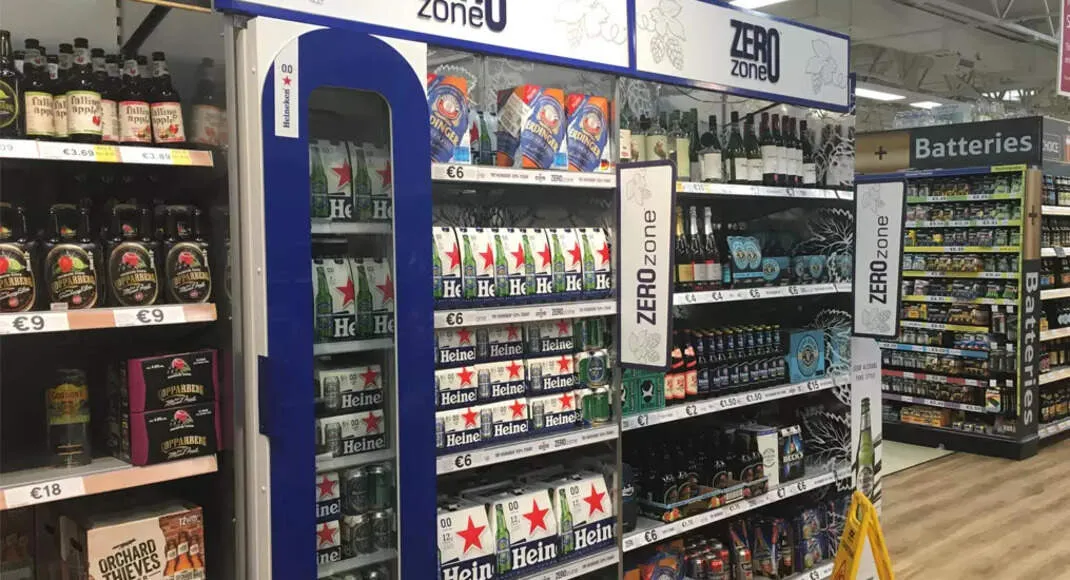
Non-alcoholic beers and spirits are growing globally, and now the NOLO category is pushing into India’s beverage market. The promise is a “buzz” without alcohol, aimed at the sober curious and younger consumers. The big question: can these products move beyond novelty and earn lasting habits, or will they fade like past fads?
Indian dating platforms like Aisle and Truly Madly are seeing a sharp rise in paying customers coming from smaller cities, not just metros. Companies say users in tier 2 and beyond are increasingly willing to pay for “serious” matchmaking and premium experiences, mirroring the spend patterns historically seen in larger urban centers. Even curated services such as Sirf Coffee benefit from the shift.
Swipe through stories, personalise your feed, and save articles for later — all on the app.