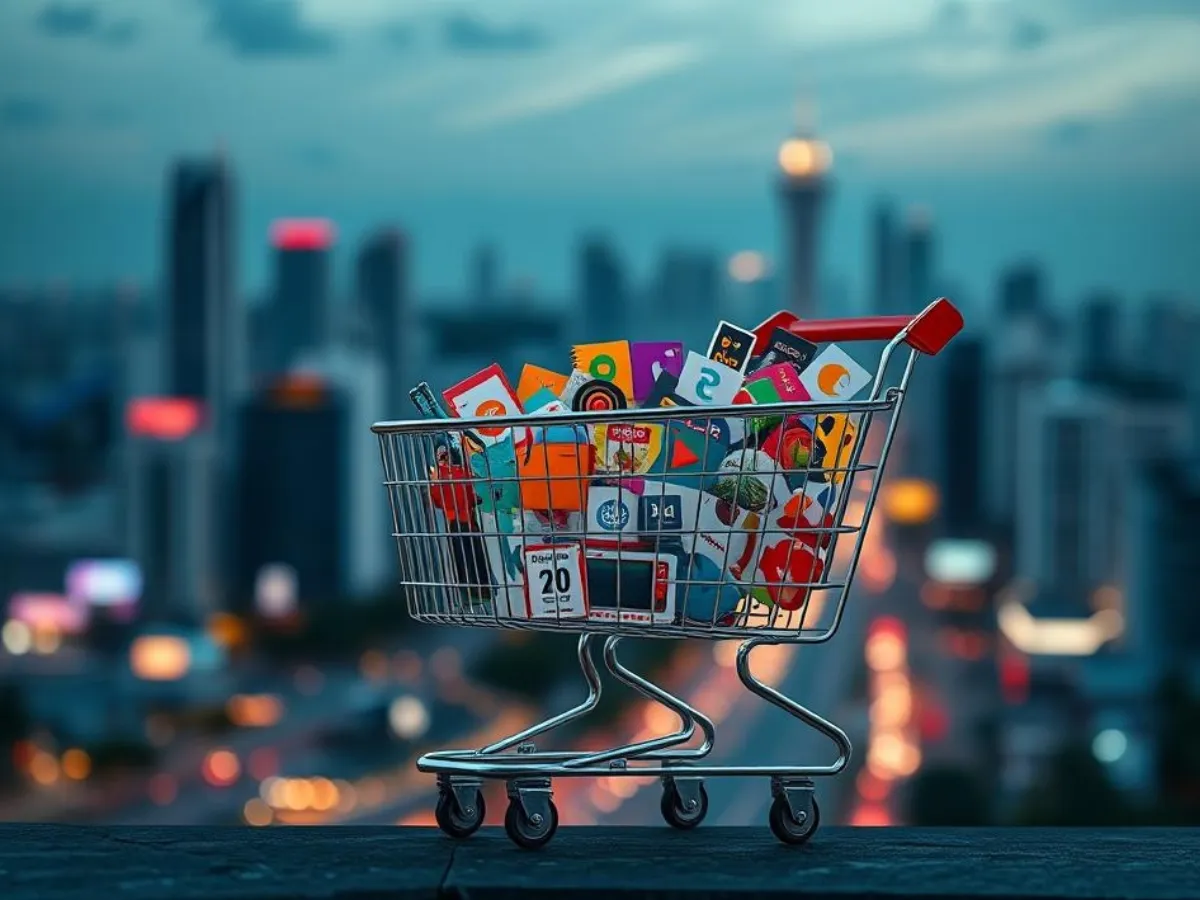
D2C brands are bracing for a tough quarter as rising input costs and a weakening rupee squeeze margins while demand softens. Analysts expect consumer spending to fall 5–6% over the next three months, driven by inflation that pushes shoppers toward essentials and cuts discretionary buys. Costs have already jumped across categories, including a 25–30% spike in beverage and perfume packaging materials. Conglomerates can hike prices, but smaller cash-burning brands face working capital stress and lower average order values.
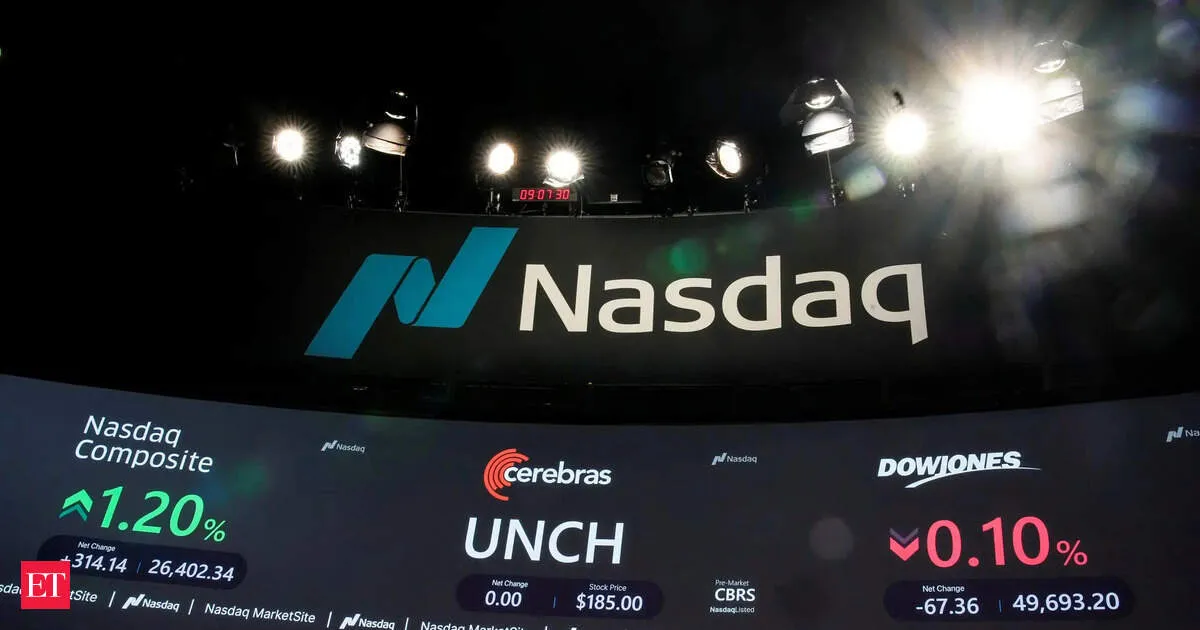
U.S. markets climbed to fresh highs as Cisco delivered earnings and guidance that beat expectations, sending its shares up 14.6%—potentially its best day in 15 years. The broader rally also lifted two non-AI names: StubHub jumped 19.3% and Viking Holdings rose 10%, both posting stronger profit than analysts forecast. Results fueled optimism that consumers still spend, even as sentiment remains shaky. Treasury yields barely moved, while global trading tilted higher in Europe and Asia amid oil jitters tied to Hormuz shipping.
Your news, in seconds
Get the Beige app — every story in 60 words, updated hourly. Free on iOS & Android.
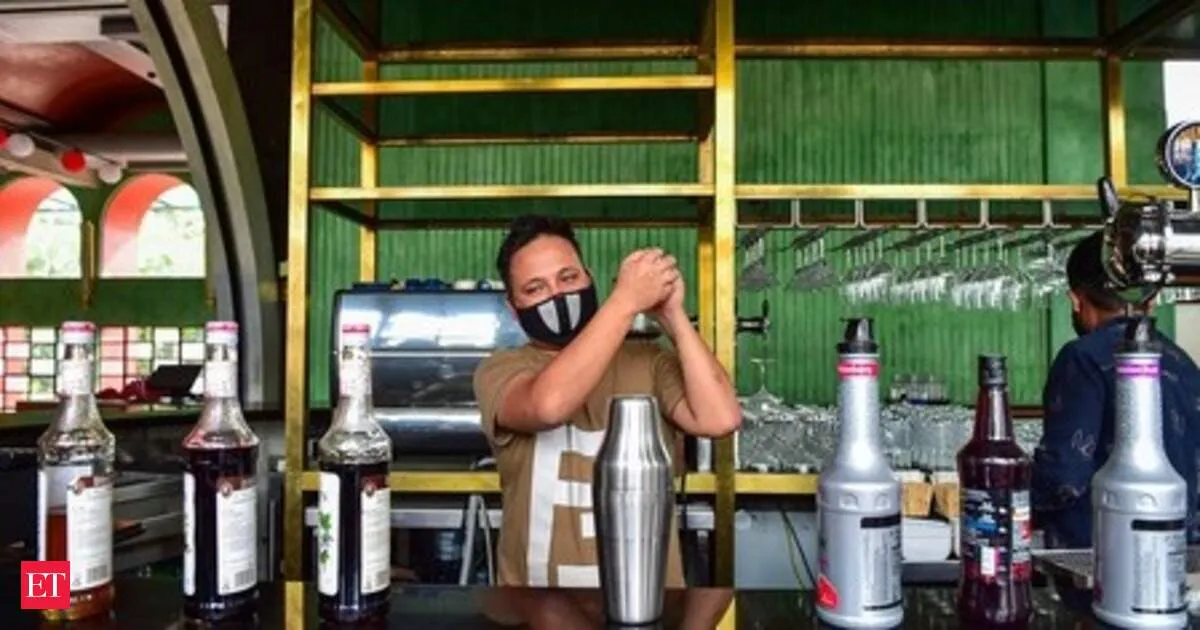
As costs rise and customers change how they spend, bars are rethinking cocktail pricing. Venues such as Gus' Sip & Dip and Radicle have launched cocktails around $12 and $10 by tightening ingredient sourcing and reducing waste. The goal is to make cocktails more accessible, keep regulars coming back, and preserve the momentum of cocktail culture despite higher expenses.
Amid global instability and energy concerns, PM Narendra Modi urged Indians to follow a seven-point set of lifestyle and spending shifts tied to “Viksit Bharat”. He called for cutting petrol and diesel use, avoiding non-essential foreign travel, buying Made-in-India, reducing gold and edible oil purchases, using less fertiliser, conserving water, and adopting Mission LiFE habits like saving electricity and avoiding single-use plastics.
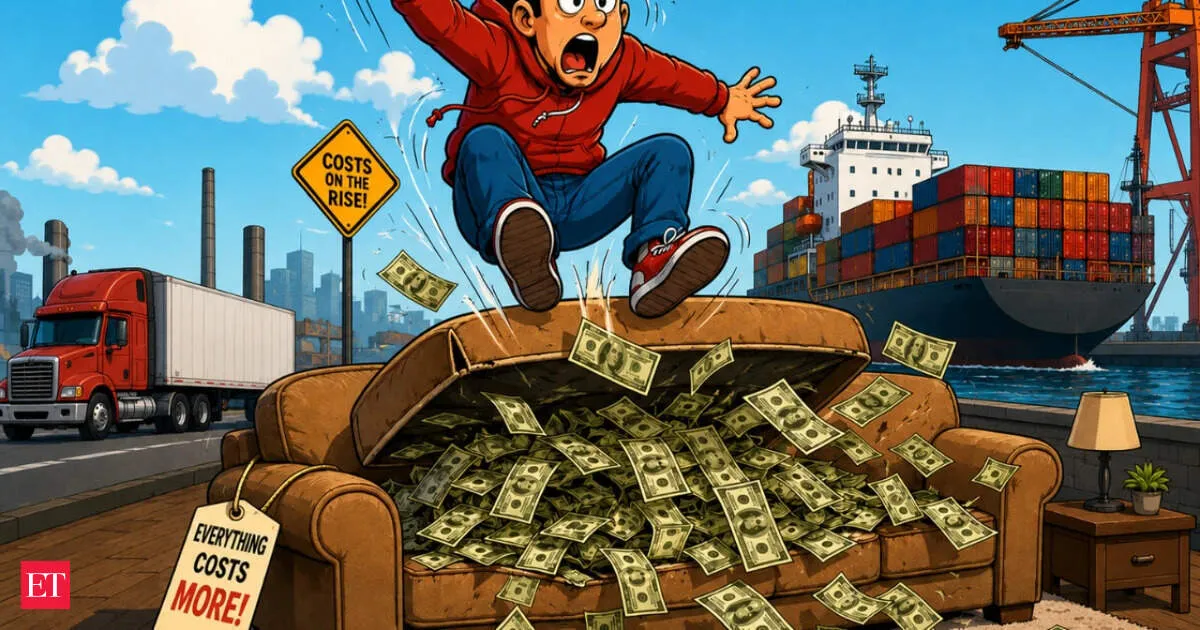
The Middle East war is rippling into Indian living rooms, pushing up furniture input costs as shipping disruptions hit supplies of key materials like foam and lacquer. Manufacturers are absorbing some of the higher bills for now, while buyers grow more cautious. To cope, firms are shifting toward value-focused products and smarter sourcing, even as premium furniture demand stays resilient.
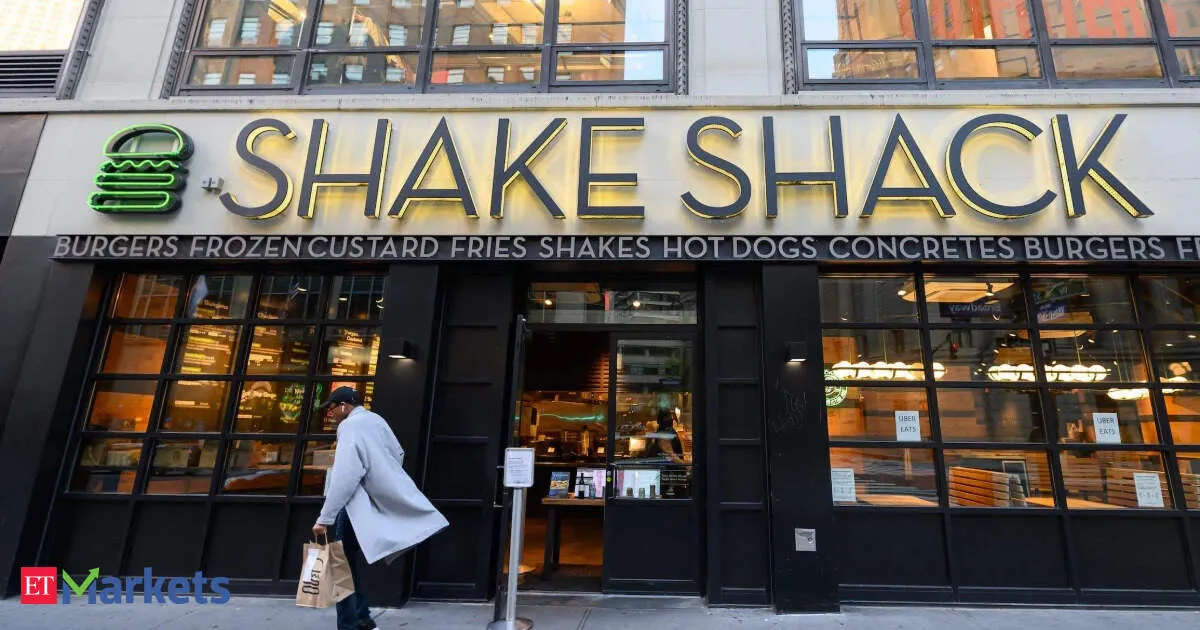
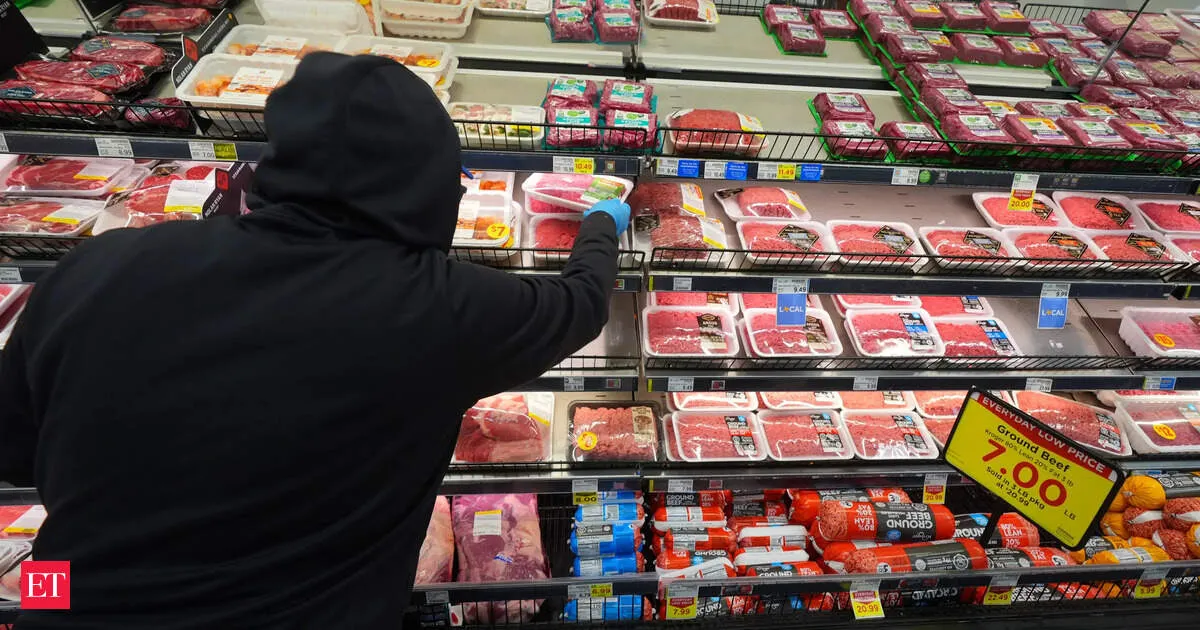
Shake Shack reported a quarterly loss and missed revenue estimates as higher commodity costs, including beef, squeezed margins. Weak consumer spending added further pressure, and the market punished the stock, sending shares down about 28% in early trading. The update highlights how quickly fast food operators can be hit when demand softens and input costs climb.
Never miss a story
Set alerts for the topics and sources you care about. Download Beige for free.
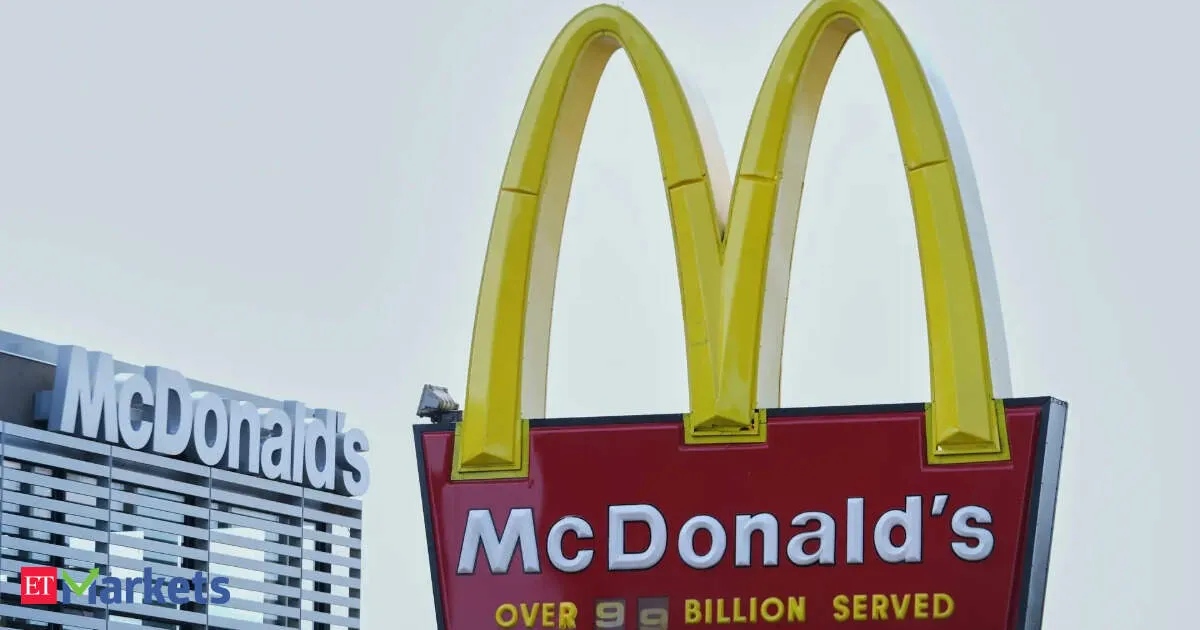
McDonald’s reported first-quarter sales that beat expectations, crediting a new burger and an ongoing focus on value. The company’s strategy is drawing customers by combining fresh menu momentum with price-sensitive offers. Market watchers will now look for whether the sales gains can sustain in the quarters ahead as competitors respond and consumer demand shifts.
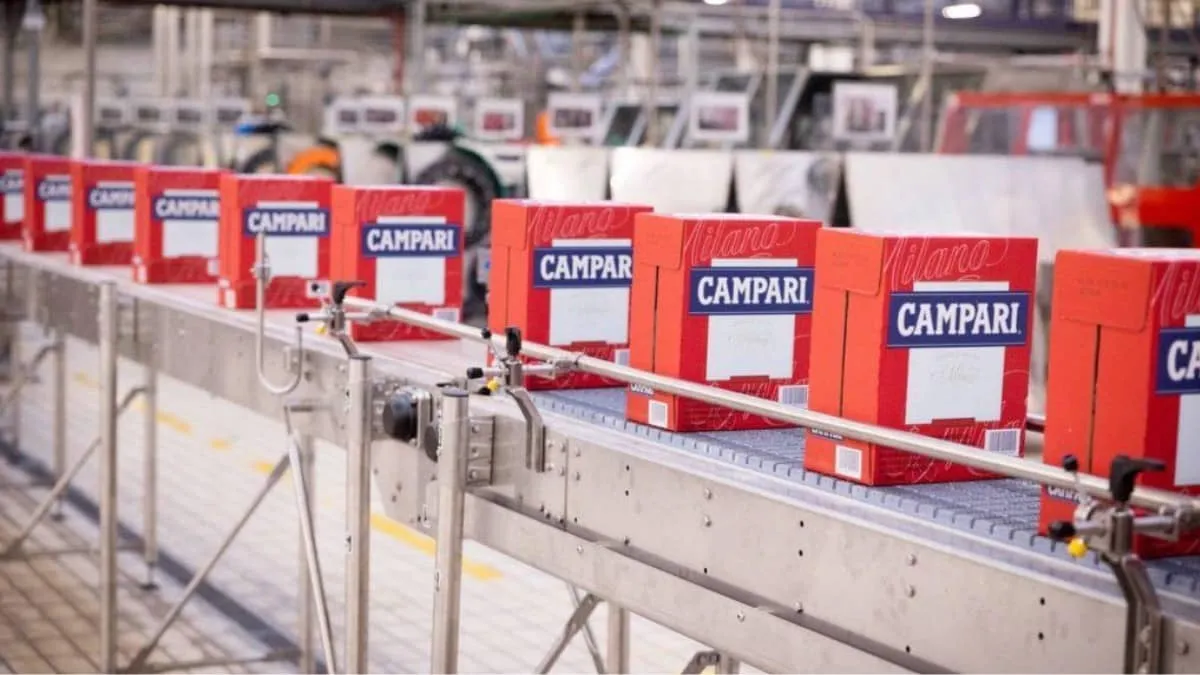
Campari expects Middle East-linked inflation to tighten consumer spending and weigh on spirits demand, a Reuters report quotes CEO Simon Hunt saying after the company’s results. But Hunt argues Campari’s price positioning should still make its brands feel like good value, helping consumers stick with the company even as budgets get strained.
Indian consumers are tightening their spending, prioritising essentials and upgrading day to day experiences while postponing big-ticket purchases, Deloitte says. Shoppers are increasingly chasing value and quality rather than impulse decisions. At the same time, interest in electric vehicles is rising, suggesting households may be planning for future technology even as they remain cautious now.
Diageo reported an unexpected sales jump in the latest quarter, driven by strong growth across Africa and Latin America. That momentum helped counter a slowdown in the US market, even as the company continues to face uncertainty from softer consumer spending and shifting demand patterns. Diageo said it is keeping its full-year forecast despite the mixed signals.
Reading on mobile?
Open Beige in the app for a smoother experience — free on iOS and Android.
The US economy grew at a modest 2% annual pace in the first quarter of 2026, rebounding from a weak 0.5% expansion following a federal shutdown. Government spending jumped, and business investment rose 8.7%, partly powered by artificial intelligence. But consumer spending slowed to 1.6%, leaving the growth mix mixed going into what may be a volatile period.
India’s credit card universe has crossed 119 million cards, with HDFC Bank tightening its grip on both card counts and spend value. Major players like SBI Cards, ICICI Bank and Axis Bank remain prominent, but public sector banks are gaining momentum—especially in tier-2 and tier-3 cities—supported by wider acceptance networks and strategic partnerships.
Even as consumer spending faces pressure from persistent inflation fears and stricter tariff policies, Etsy managed to outperform revenue expectations. The marketplace attracted buyers by keeping products priced within reach, while also benefiting from low listing fees that help sellers stay competitive. Results suggest demand can hold up when costs remain controlled for both shoppers and vendors.
A new report finds India’s affluent consumers are shifting from goods to experiences, with travel alone claiming 58% of their discretionary wallet. As wealth grows, spending is also moving beyond major metros into wider markets. Dining, luxury and retail remain key, but the mindset is changing toward personal identity and access over ownership.
Follow your favourite sources
Track sources, tags and categories — all in the Beige app.
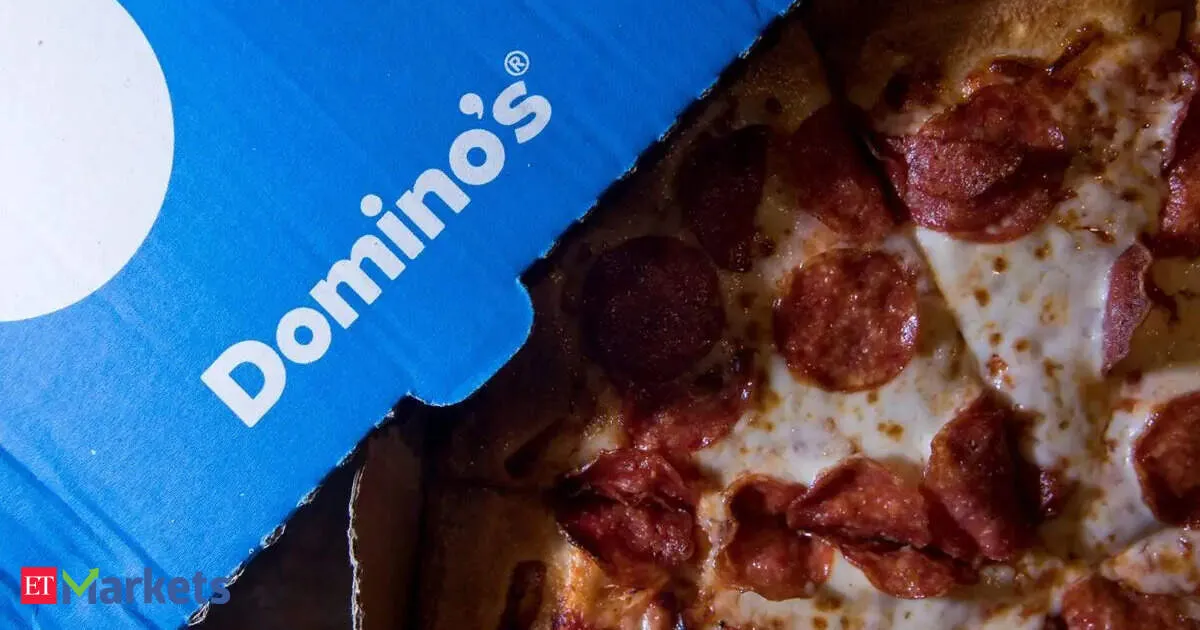
Domino’s Pizza warned investors to expect weak growth in US same-store sales, pointing to pressured consumer sentiment and tougher competition in the market. The forecast rattled traders, with the company’s shares falling about 10% in early trading. Analysts will now watch whether promotions can offset demand softness and pricing pressure.
Domino’s Pizza fell short of first-quarter same-store sales estimates as inflation and economic uncertainty tightened budgets for many Americans. Rising food costs are driving consumers toward at-home meals, pressuring restaurant chains that rely on discretionary spending. Despite the weak results, Domino’s announced a $1 billion share buyback program, signaling confidence while demand shifts.
American shoppers are facing a hidden price hike as Walmart and Target shrink package sizes while keeping prices the same or increasing them. This shrinkflation means shoppers pay more per unit for everyday items like snacks and beverages without an obvious change at checkout. Experts say the impact hits low-income families hardest, further tightening already strained budgets.
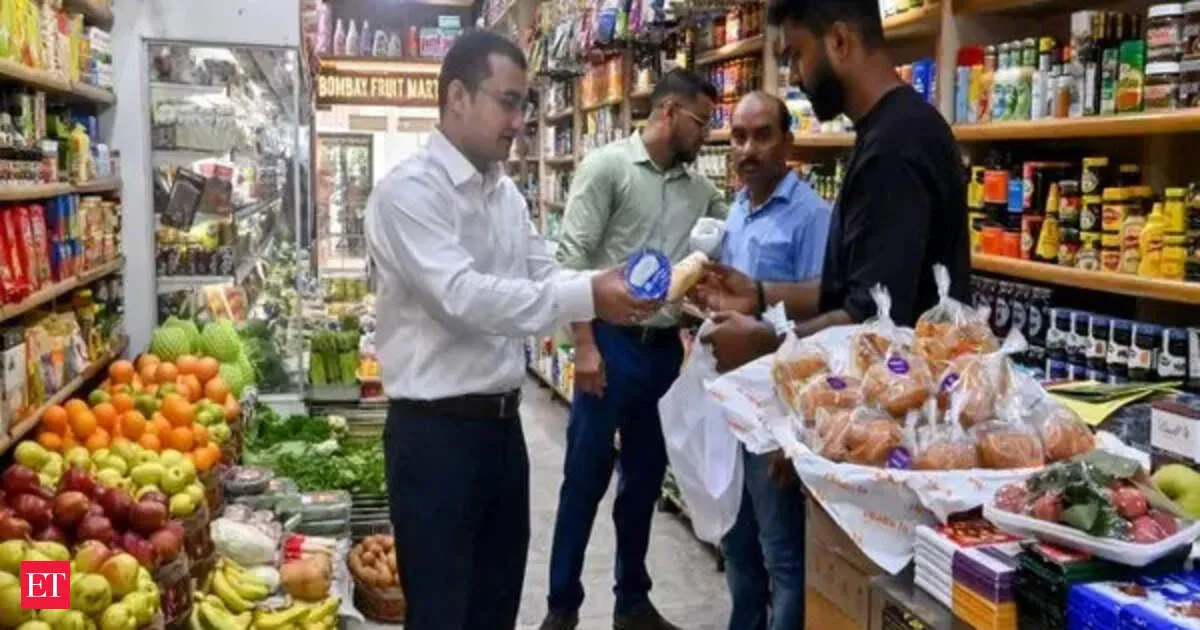
Indian consumers are tightening belts, cutting back on non-essential purchases amid global tensions, job worries, and rising prices. Households are shifting toward savings and value-driven goods, while companies report softer demand for luxury items. Essential categories are seeing more resilience as hiring freezes and job cuts further deepen cautious consumer sentiment.
Stay informed on the go
Bite-sized news from 100+ trusted sources, right in your pocket.
Akshaya Tritiya 2026 is projected to drive record precious-metal buying in India, with gold and silver trade expected to surpass Rs 20,000 crore even as prices hit new highs and volumes soften. Shoppers are shifting toward lightweight jewellery, silver, and diamond items, while digital gold and bonds gain momentum—signaling value-led, financially cautious consumption.
Luxury car sales in India rose only 3% in the March quarter, with roughly 14,000 vehicles priced over Rs 40 lakh finding buyers. The slowdown trails the wider market as affluent customers hold onto cash amid geopolitical and economic uncertainty. Still, BMW stood out with a 17% sales jump, underscoring uneven demand across brands.
Swipe through stories, personalise your feed, and save articles for later — all on the app.