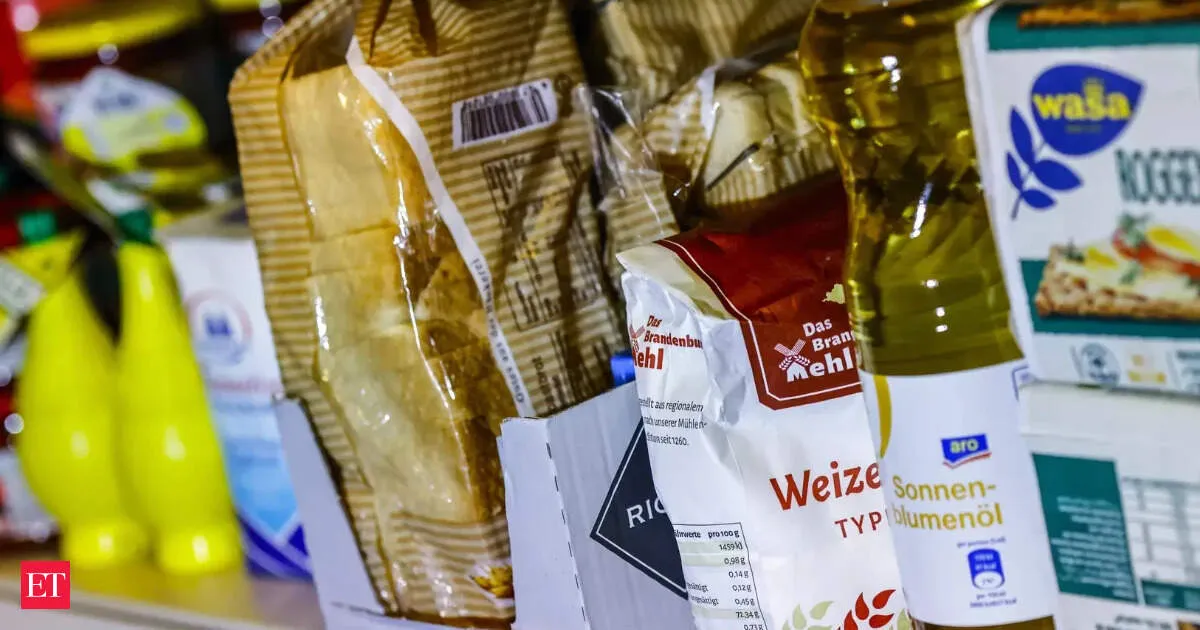
Tariff refund disbursements are set to begin as early as May 12 after the U.S. Supreme Court voided Trump-era tariffs imposed under the International Emergency Economic Powers Act. The court’s decision effectively makes the federal government liable for more than $166 billion, turning prior collections into reimbursable payments. CBP says 126,237 claims have been submitted via its CAPE portal, with $35.46 billion already finalized. Eligibility is limited to importers of record and customs brokers, leaving consumers excluded despite bearing higher prices.
US consumer inflation rose to 3.8% year-on-year in April, up from 3.3% in March, aligning with expectations. The US Bureau of Labor Statistics said the jump reflects economic spillover from the Iran war, with energy prices playing a key role. The data signals tighter pressure on prices even as growth worries simmer globally.
Your news, in seconds
Get the Beige app — every story in 60 words, updated hourly. Free on iOS & Android.
D2C brands are adjusting packaging and product variants as West Asia conflict fuels input cost hikes. To protect margins, companies are shifting to new packaging formats, rolling out larger or pricier versions, and speeding up supply chain localization. The result is a quiet but real shift in pricing and product offerings across multiple consumer categories.
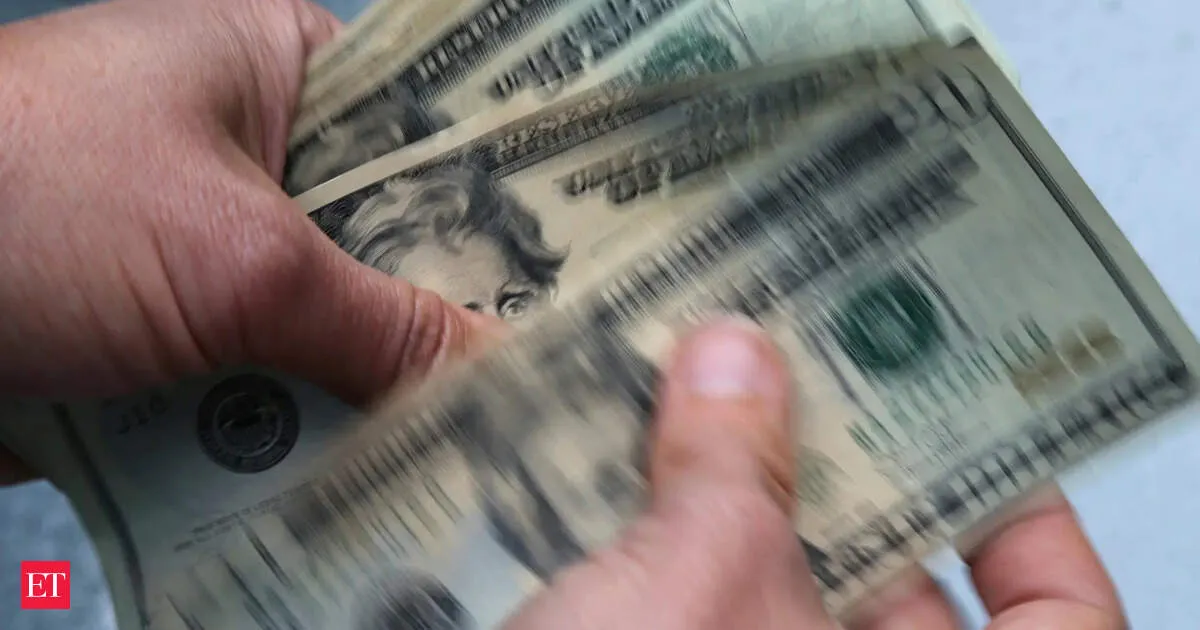
The US dollar has weakened by about 10% since early 2025, and the price pressure is showing up across daily life. Americans are paying more for imported goods and travel-related costs, while large multinationals with overseas operations may benefit. Smaller domestic businesses and households feel the squeeze most directly.
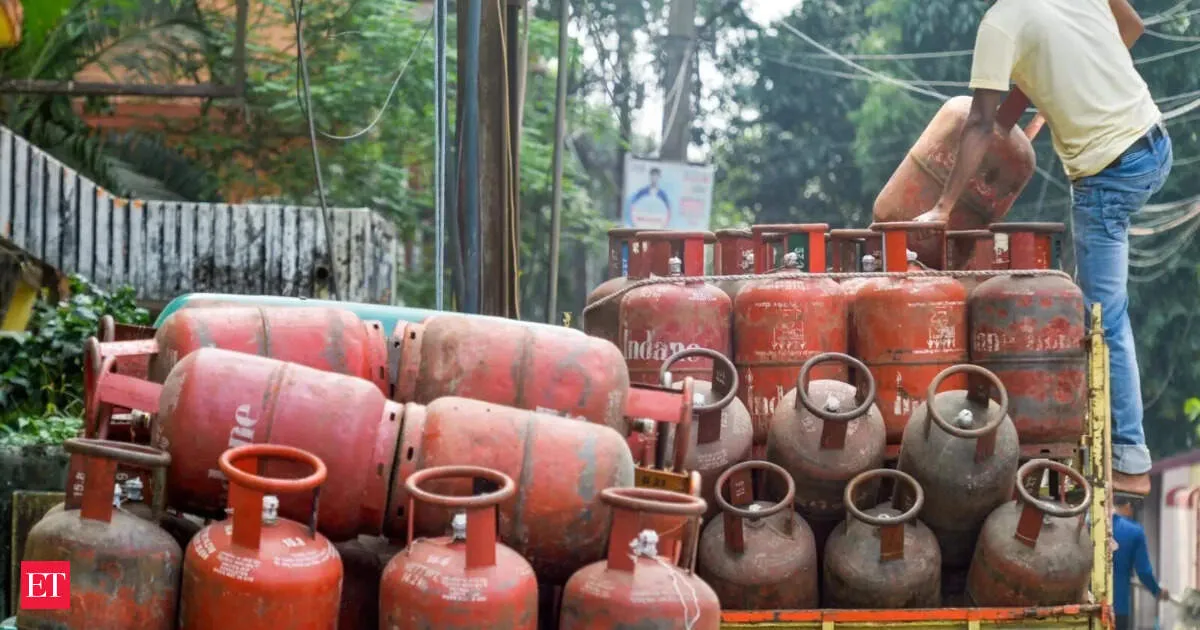
Commercial LPG cylinder prices in India have jumped by Rs 933, landing a direct blow on small food businesses and commercial kitchens. While domestic LPG rates remain protected by the government, the higher costs are likely to raise meal prices and squeeze incomes for many enterprises, potentially reshaping consumption patterns beyond restaurants.
Tariff refunds are poised to become a massive 2026 story, but lower consumer prices aren’t guaranteed. FedEx and UPS could refund shipping-related tariff costs customers directly paid. Retailers like Costco may not issue explicit refunds; instead, they could adjust prices gradually. Earlier tariff absorption by firms suggests refunds may rebuild margins more than they reduce bills.
Never miss a story
Set alerts for the topics and sources you care about. Download Beige for free.
Swipe through stories, personalise your feed, and save articles for later — all on the app.