India’s gold jewellery market is recalibrating after an import duty hike, triggering a short-term buying rush. Industry experts expect sales volumes to fall as consumers move toward lighter, lower-value pieces. Retailers may benefit from better margins on lower karatage jewellery, while old gold exchanges could see a boost as people look to turn in metal for new purchases.
After four months of improving consumer demand, executives warn that rising crude oil prices, supply disruptions, and Prime Minister Narendra Modi’s push for austerity could derail the recovery. They expect the impact to be most severe in electronics, where higher costs and weaker discretionary budgets may quickly slow buying.
Your news, in seconds
Get the Beige app — every story in 60 words, updated hourly. Free on iOS & Android.
India’s government is flagging a stubborn gap in private investment. Firms are sitting on large cash piles rather than expanding production, a pattern blamed on weak consumer demand, export headwinds, and policy constraints. Economists argue the next push must focus on faster real wage growth and shielding households from imported inflation to unlock spending and investment.
India’s luxury and retail map is shifting as Tier 2 cities draw global brands and premium malls, often outpacing bigger metros. A new study points to a parallel retail economy powered by rising local consumption and improving infrastructure in rapidly growing urban centers, signaling a fresh battleground for retailers seeking next-wave shoppers.
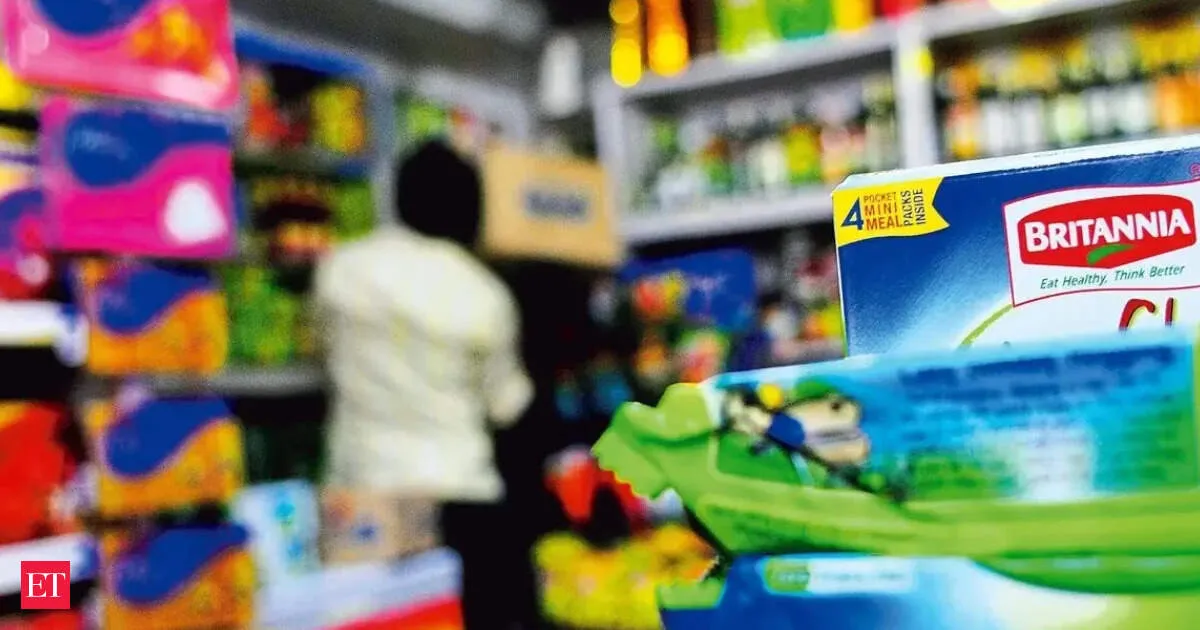
Britannia is rolling out a “Many Indias” strategy, giving startup-style teams more local decision-making power to respond quickly as consumer preferences shift amid inflation. The FMCG firm plans to customize products for regional markets while ramping up investment in premium offerings and new food categories. Management expects early gains to show in upcoming quarters.
Whirlpool’s stock sank nearly 17% after the company cut its 2026 outlook, suspended dividends, and warned it may need further price hikes. Management pointed to weak consumer demand, inflationary pressures, tariff uncertainty, and slowing housing activity as key drags. Analysts say a clear recovery timeline remains elusive, keeping sentiment cautious.
Never miss a story
Set alerts for the topics and sources you care about. Download Beige for free.
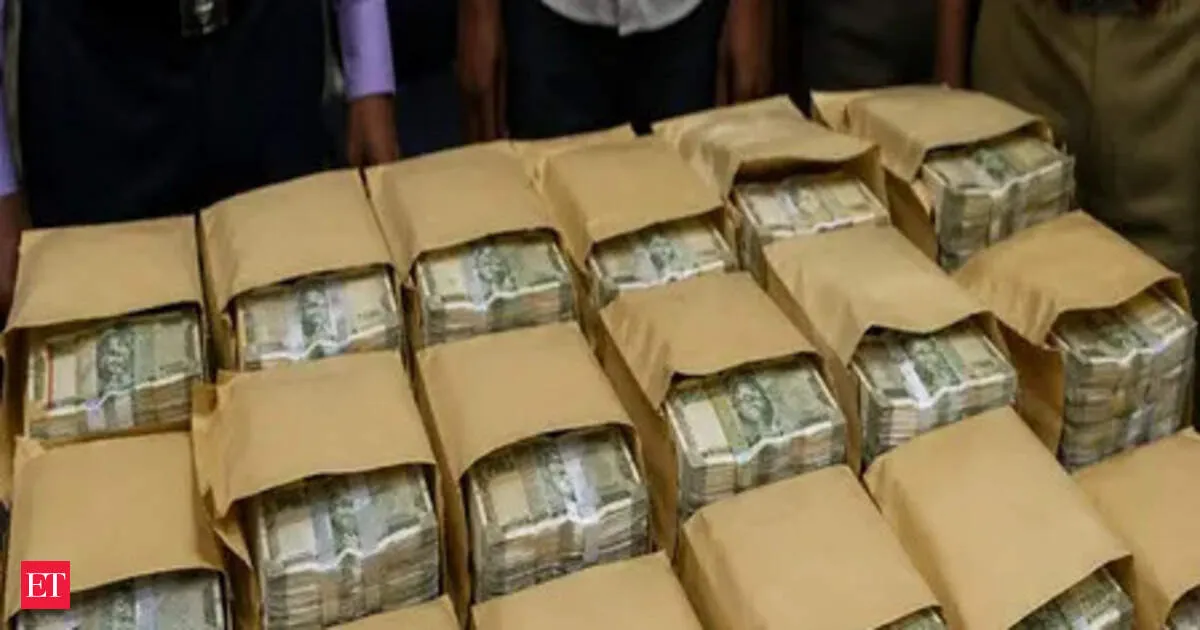
Cash handouts following recent state elections are expected to spur short term demand across discretionary categories, with CEOs pointing to apparel, smartphones and electronics as likely winners. Lower and middle income households may use the money for purchases beyond essentials, giving retailers a near term boost. Alcohol sales could also rise immediately, adding to the demand spike.
India’s used car market is expected to nearly double to around $70 billion by 2031 from about $35 billion today, a Redseer Strategy Consultants report says. Growth is being powered by greater affordability, shorter ownership cycles and rising buyer demand as more customers look for value without sacrificing mobility.
Instant domestic help platforms such as Urban Company, Snabbit, and Pronto are struggling with gig worker unavailability even as demand accelerates. In Delhi-NCR, Mumbai, and Bengaluru, users report limited availability and disrupted service timelines. With competition intensifying, these startups are rushing to expand supply so that onboarding and booking can catch up with rapidly rising requests.
Global consumer brands are upbeat about India again, with companies including Mondelez, Coca-Cola, Pernod Ricard, Reckitt Benckiser and Carlsberg posting double digit growth in the March quarter. The rebound follows recent volatility, and the article points to recent GST changes as a key boost to consumption. India remains a top growth market for these international firms.
Reading on mobile?
Open Beige in the app for a smoother experience — free on iOS and Android.
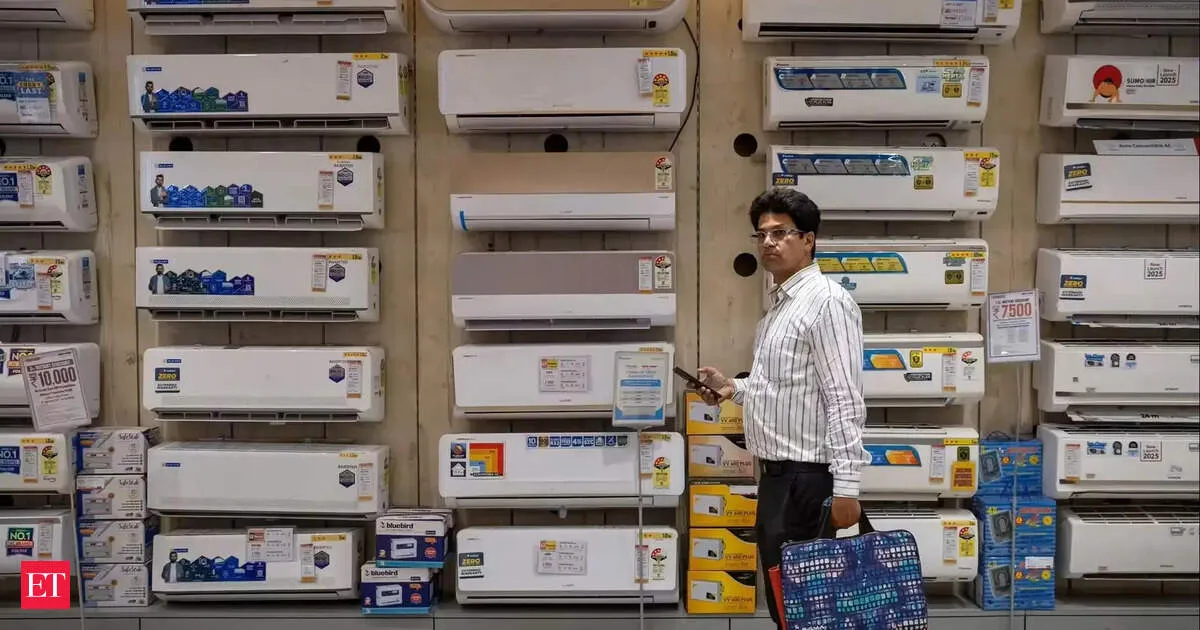
India’s scorching heat is flipping demand back on for air conditioners, beverages, and ice cream. Companies report a sharp rebound after sales surged by about 50%, prompting production ramp-ups despite tougher conditions like higher prices and lingering supply chain constraints. The result: output is rising even as consumers pay more during the peak summer rush.
India’s auto market is seeing a strong lift in overall sales, helping automakers sustain decent profits. But the momentum isn’t evenly spread: first time buyers and entry segment cars remain key weak links. Analysts say the gap could limit how far the boom translates into volume growth across the market, even as better demand supports earnings for now.
A severe heatwave has triggered a sudden surge in air-conditioner demand, colliding with reduced production earlier in March. Retailers say they’re receiving only about half the units they ordered, with energy-efficient models hit hardest. Manufacturers are now ramping up production, while consumers are buying early to avoid expected price hikes.
Swipe through stories, personalise your feed, and save articles for later — all on the app.