Assam Chief Minister Himanta Biswa Sarma shared a video from Hollongapar Gibbon Wildlife Sanctuary showing an endangered Hoolock Gibbon safely crossing a railway track using a specially designed canopy bridge. Installed nearly a year earlier, the netted rope structure lets arboreal animals move above ground without touching trains or vehicles. Sarma called it a “small but significant” example of science-led conservation, noting the islanded forest movement issues primates face when connectivity is disrupted.
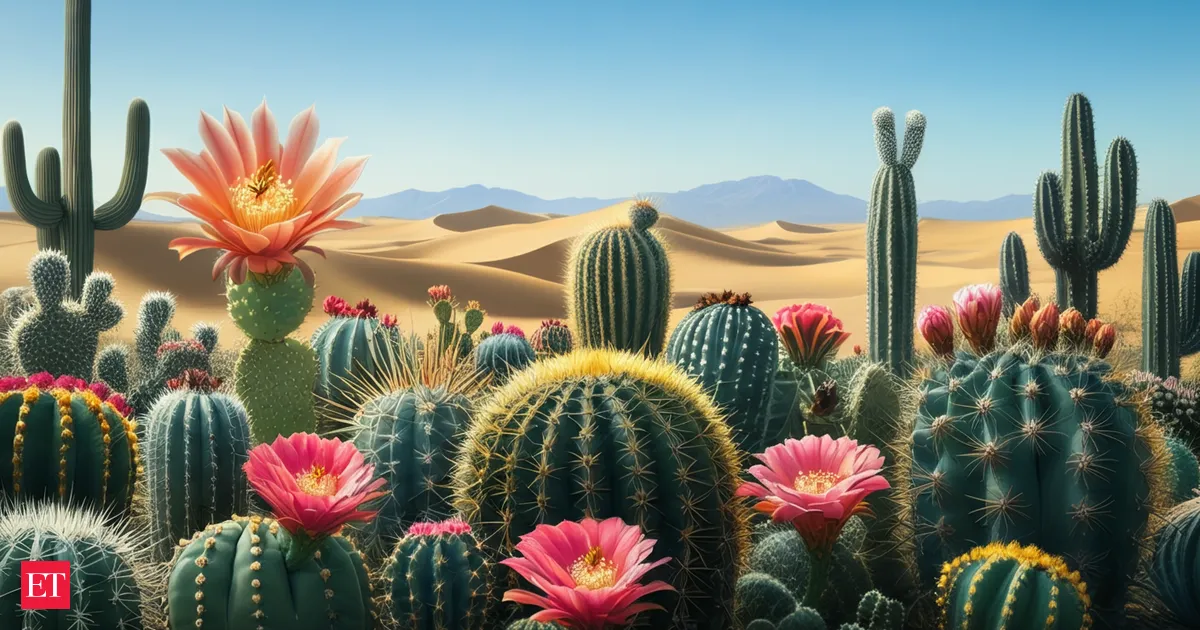
Cacti are usually seen as slow, desert-stoic plants, yet new research finds they diversify far faster than expected. Scientists analyzing flower data from more than 750 cactus species report that flower size, even across an enormous 185-fold range, hardly predicts when new species appear. Instead, the key is how quickly cactus flowers change shape over time. The study challenges older ideas about pollinators and specialized flowers and suggests deserts may evolve rapidly too.
Your news, in seconds
Get the Beige app — every story in 60 words, updated hourly. Free on iOS & Android.
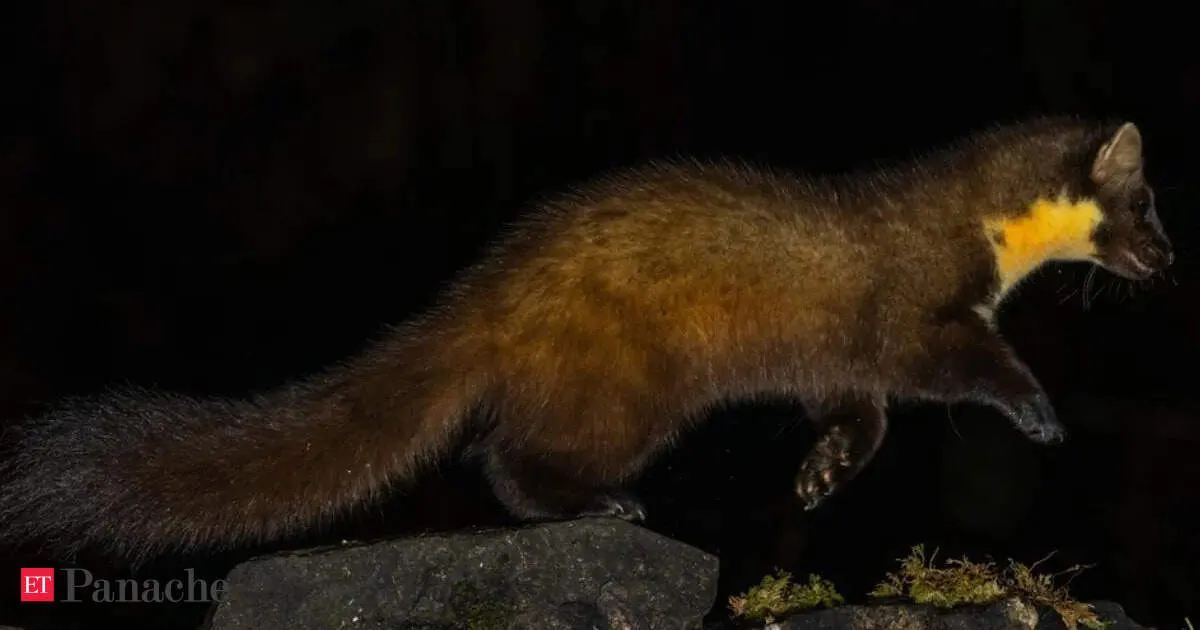
A rare Nilgiri marten has been spotted in the Western Ghats, drawing online buzz for its striking looks and reportedly playful behavior. The endemic mammal’s appearance is a reminder of the region’s high biodiversity—but also its fragility. Conservation experts say sightings like this should spur stronger habitat protection to safeguard vulnerable wildlife.
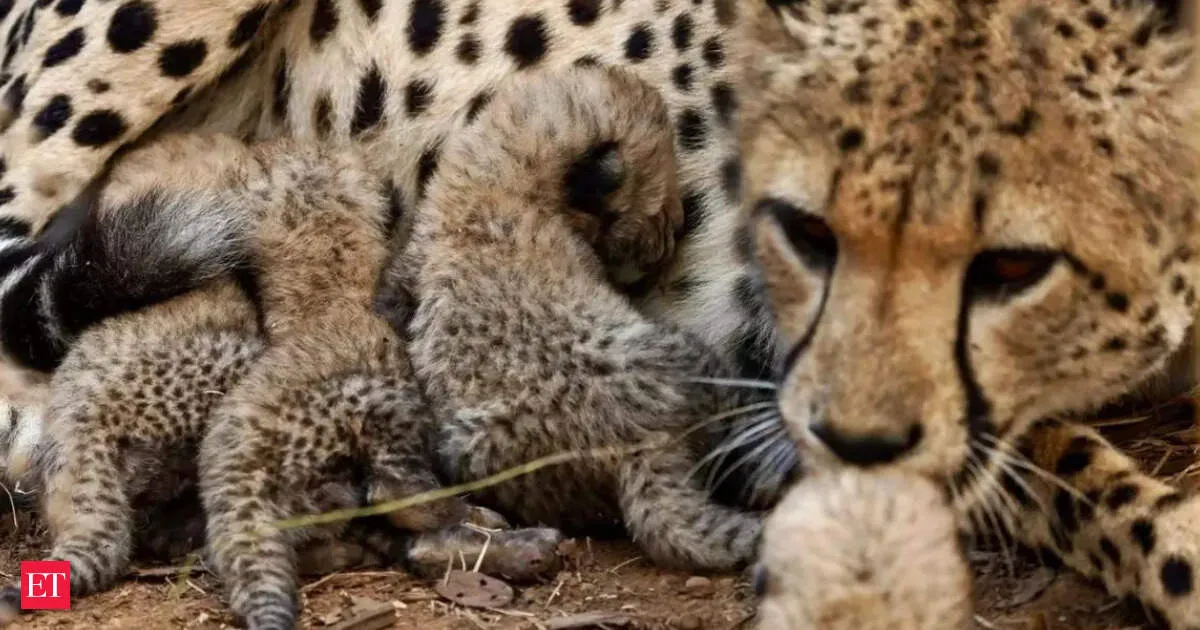
Four cheetah cubs born a month ago were found dead inside Madhya Pradesh’s Kuno National Park. Officials said the carcasses were partially eaten and the cubs were last seen alive on May 11. Predation by another animal is suspected, while the mother cheetah is reported safe. The deaths bring India’s cheetah population down to 53.
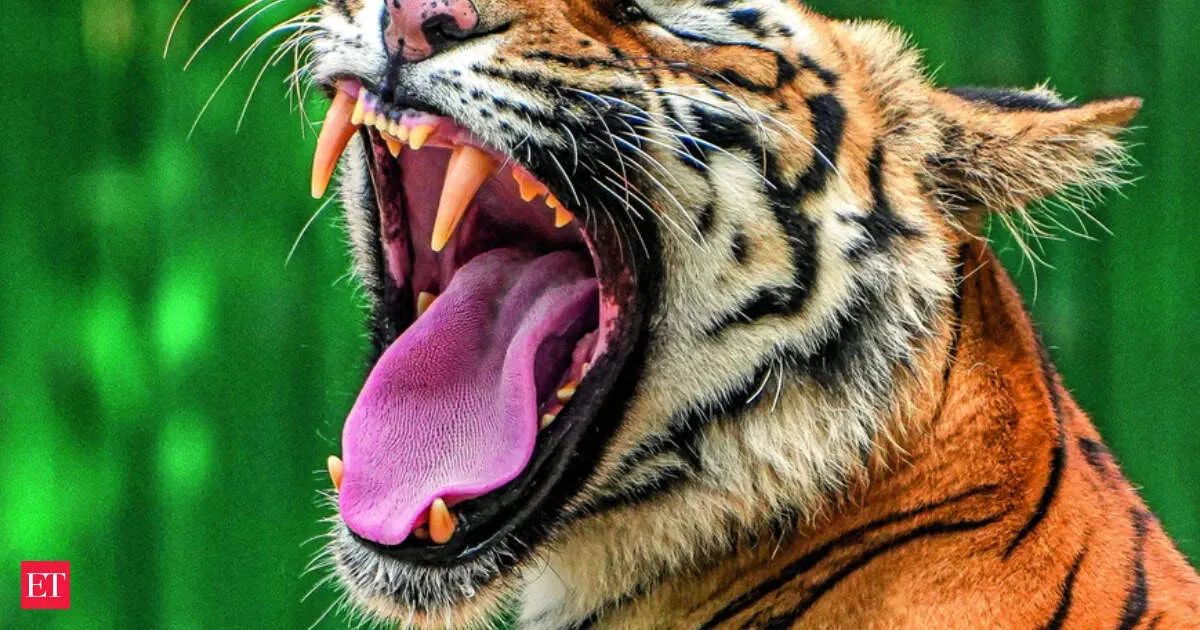
New Delhi will host the first International Big Cat Alliance summit on June 1 and 2, bringing world leaders and experts together to finalize the “Delhi Declaration.” The declaration is set to chart how countries coordinate to conserve tigers, lions, leopards, jaguars, pumas, cheetahs, and snow leopards, aligning policies and best practices to strengthen habitat protection.
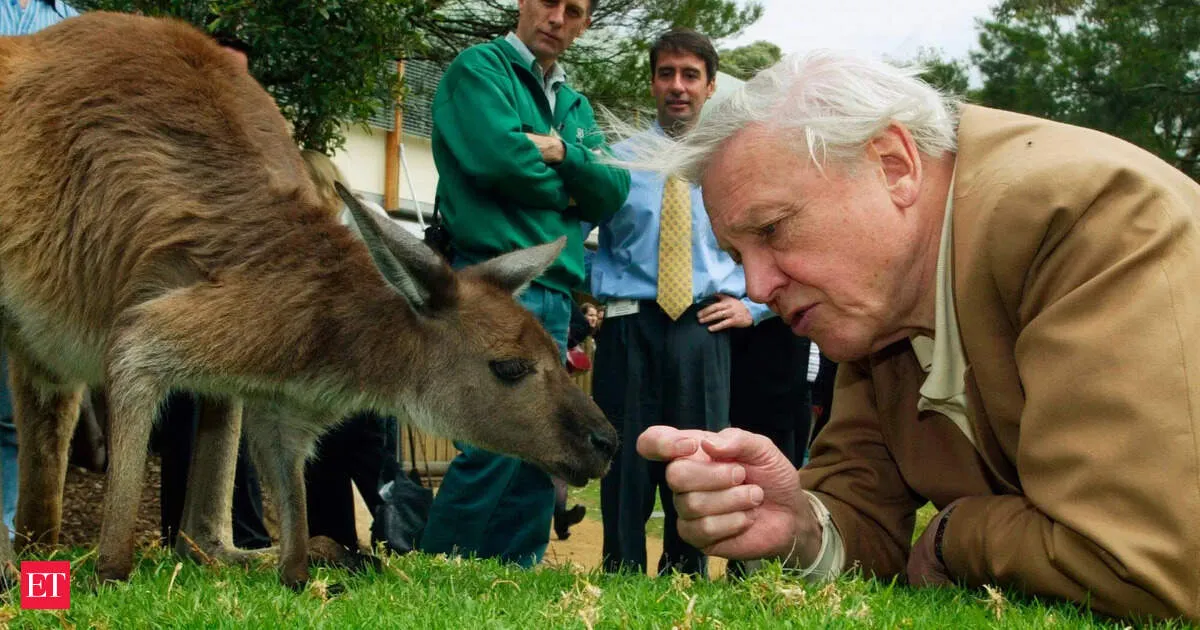
Sir David Attenborough marked his 100th birthday with a legacy that rewired how the world sees nature. From early classics like Zoo Quest to blockbuster landmarks like Planet Earth, his documentaries reached millions and helped fuel environmental awareness. Even at a century old, he continues to urge people to protect wildlife and cherish the natural world.
Never miss a story
Set alerts for the topics and sources you care about. Download Beige for free.
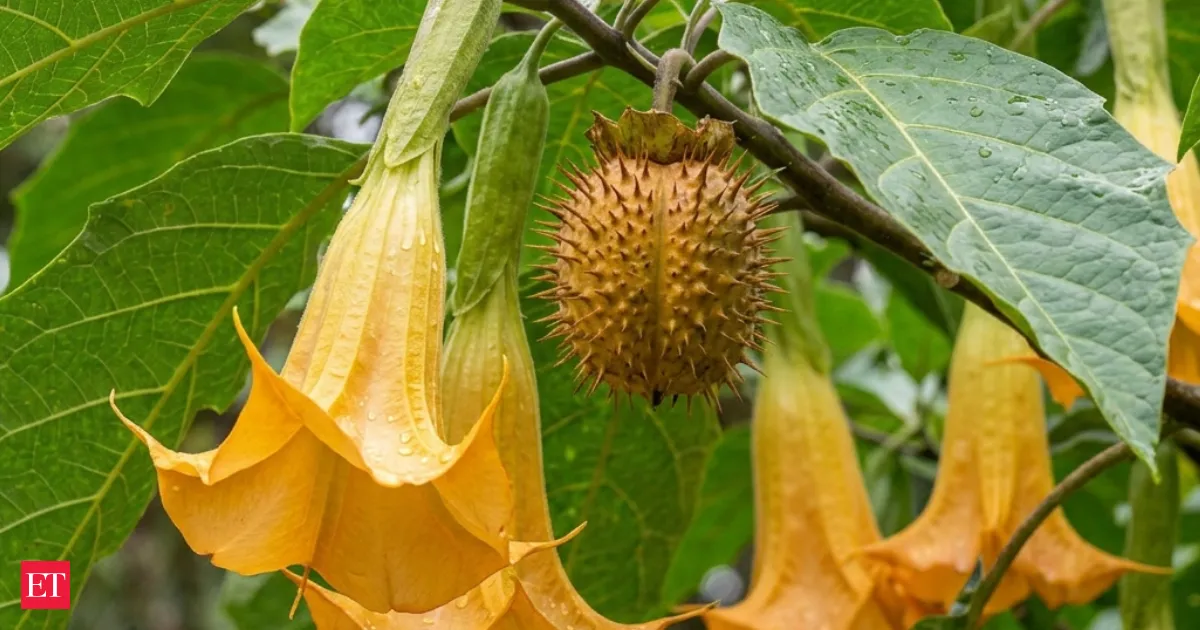
Scientists have named Daturodendron absconditum, a newly classified tree genus found in the Colombian Andes cloud forests. After more than two decades of research, the tree is identified as a distant relative of tomatoes and potatoes, with distinct physical traits and an ancient genetic lineage. The discovery underscores how plant taxonomy and conservation remain urgent, even for species hiding in remote habitats.
An Olive Ridley turtle named Dhaval Lakshmi stunned wildlife experts after completing an extraordinary 3,500 km trek across the Arabian Sea. Once rehabilitated for injuries, she traveled far beyond the usual coastal range, even nearing Oman’s shoreline, before returning to Indian waters. The feat highlights both her resilience and the success of rescue and rehabilitation efforts.
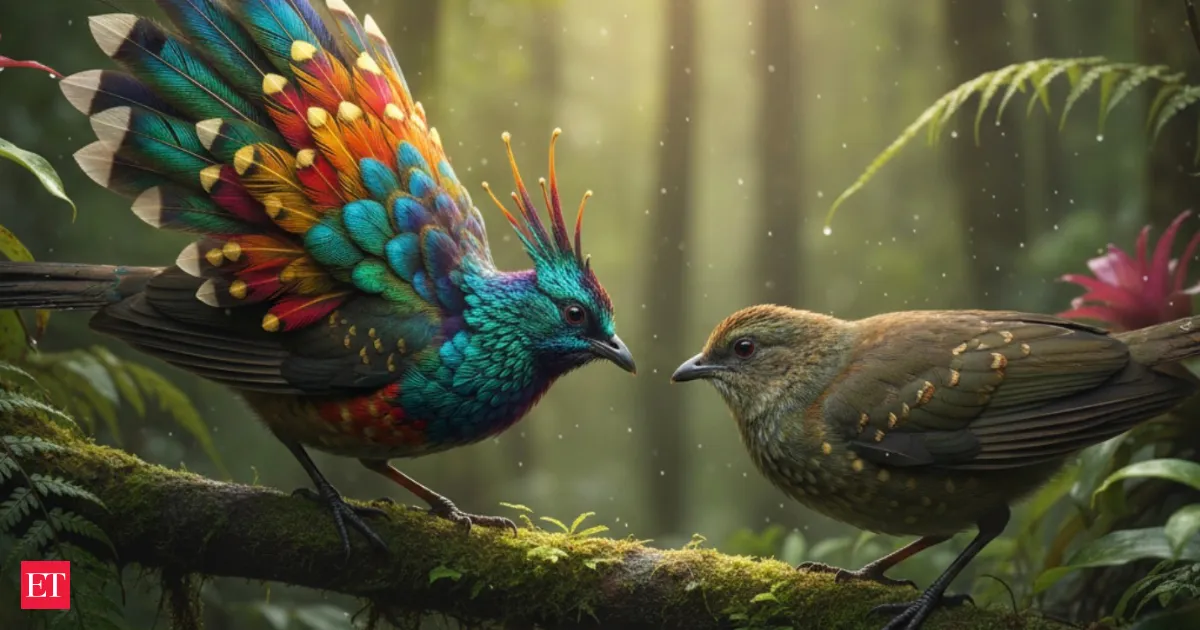
A new evolutionary framework suggests animal communication can change when females relax their mate preferences, allowing fresh signals to emerge and spread. Researchers describe two routes: receiver first, where females start with biases, and signal first, where males craft cues and females adapt. Sensory bias can steer both paths, with implications for speciation and conservation through behavioral flexibility.
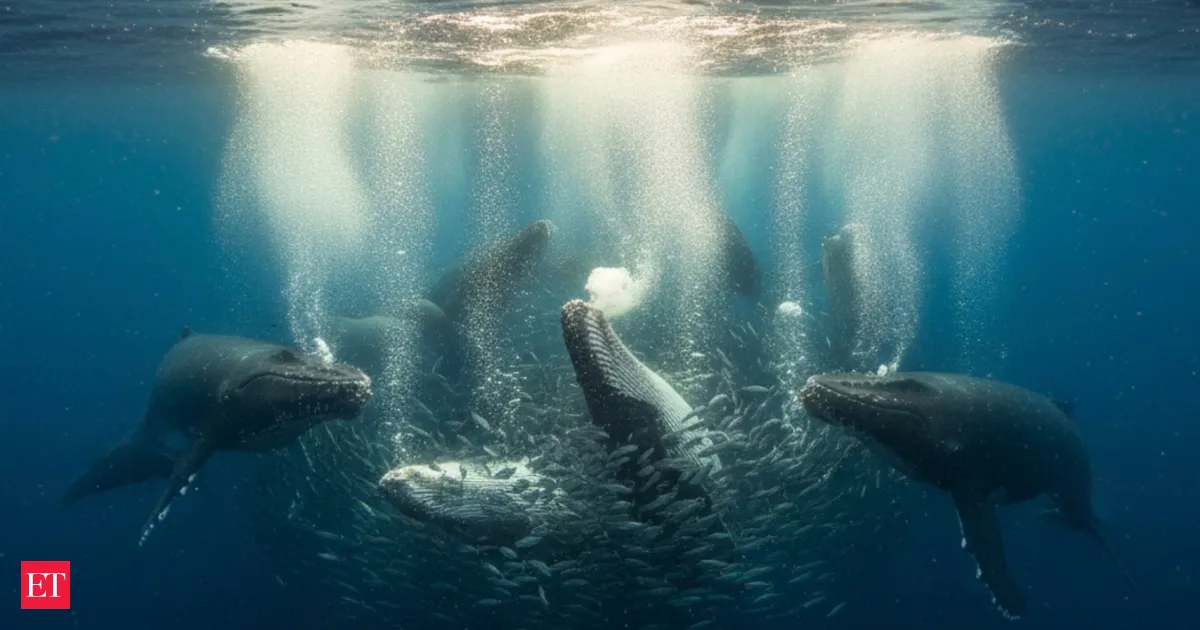
New research underscores that whales are not just migrating and hunting—they are maintaining culture. Pods pass down learned behaviors like migration routes, foraging techniques, and communication styles. Even hunting differs between orcas and baleen whales. Conservation efforts may need to treat each pod’s culture and habitat as a protected system, not just individual animals.
Reading on mobile?
Open Beige in the app for a smoother experience — free on iOS and Android.
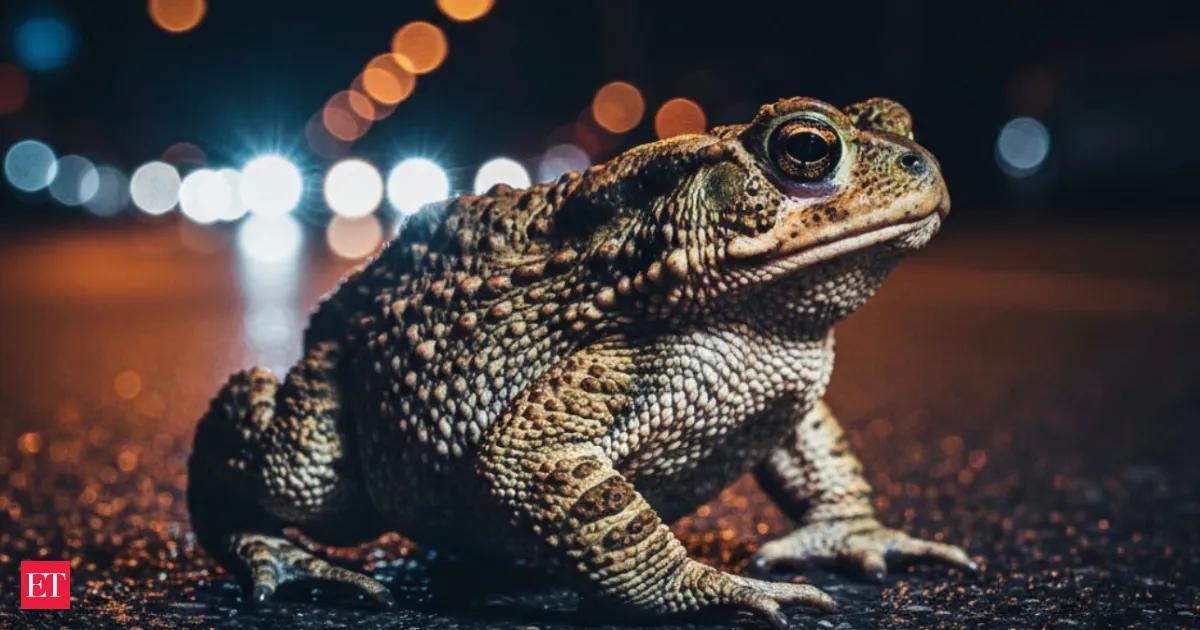
California is testing wildlife bridges to help animals cross roads safely and keep habitats connected. Evidence from similar projects suggests strategically placed underpasses and crossings can sharply cut roadkill, including amphibians with reductions of over 80%. The initiative aims to restore movement and migration pathways while protecting breeding cycles across impacted regions.
Rising global fuel costs are forcing households in Kenya and India to abandon cleaner energy and return to burning charcoal and wood. The shift is increasing daily burdens on women and girls while straining conservation groups already facing funding and operational challenges. As people search for cheaper fuels, wildlife habitats and public health risks grow across forests and communities.
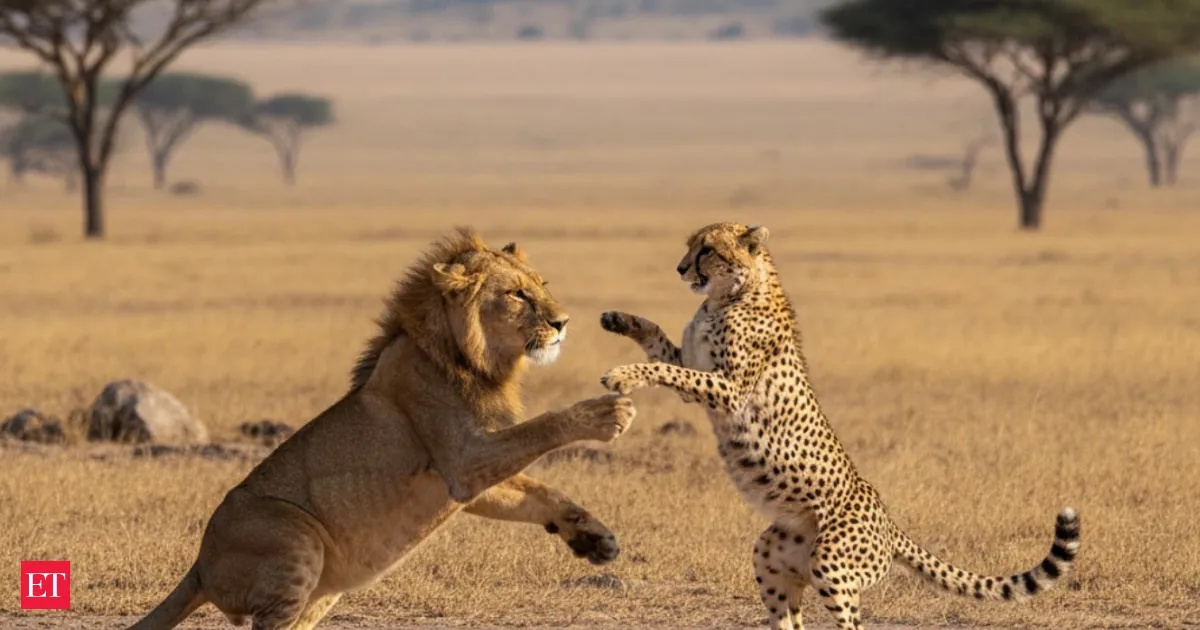
Lions and cheetahs are typically fierce rivals, yet recent observations show them coexisting peacefully, even playing together. Researchers suggest wildlife sanctuaries make this possible by offering predictable resources and fewer threats. The behavior challenges assumptions about predator dynamics and could reshape conservation planning, pointing to managed environments and careful monitoring to help multiple predators share space safely.
Nabha, an 8-year-old Namibian cheetah at Kuno National Park, died after suffering severe injuries during a hunting attempt inside her enclosure. Veterinarians treated her for a week, but fractures to her left ulna and fibula were fatal. Kuno’s cheetah population now stands at 26, with officials saying the remaining cheetahs are healthy and adapting well.
Follow your favourite sources
Track sources, tags and categories — all in the Beige app.
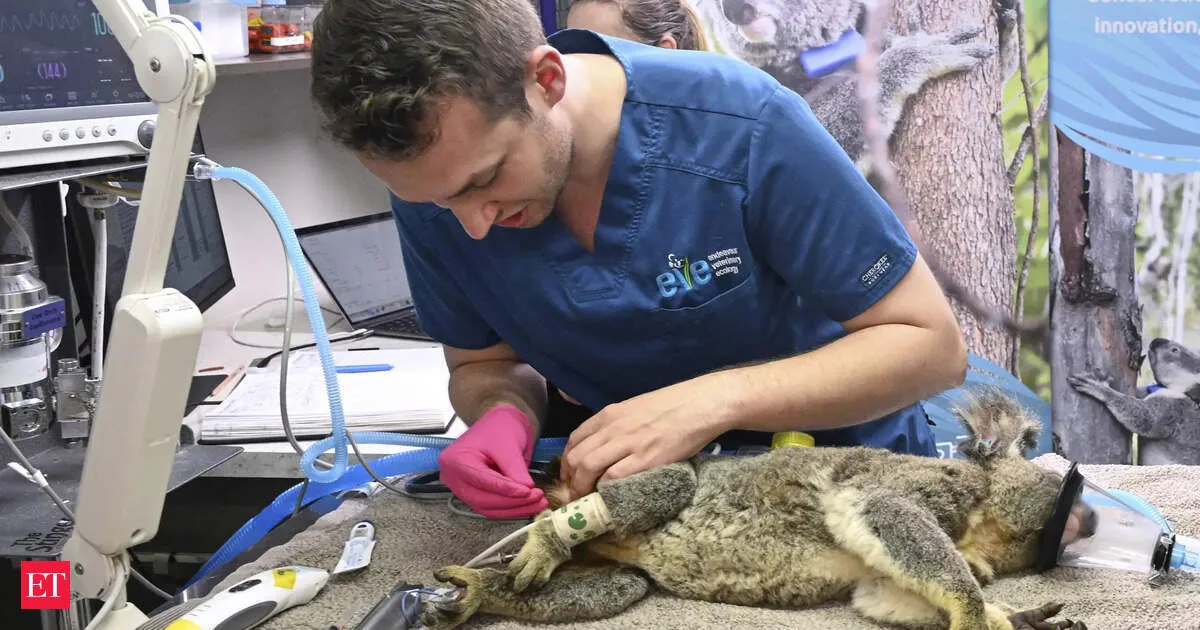
Australia has approved a world-first single-dose vaccine to fight chlamydia in koalas, an infection linked to infertility and high mortality in the endangered marsupial. Developed by the University of the Sunshine Coast, the vaccine has shown it can reduce symptoms and lower deaths, offering a major new tool for koala conservation.
Beneath England’s countryside, the Millennium Seed Bank is marking 25 years of storing more than 2.5 billion wild plant seeds—an insurance policy against extinction. Opened by King Charles III, the facility is not just preserving biodiversity but improving techniques to safeguard ecosystems and support restoration worldwide as environmental pressures mount.
Two West Papua marsupials—the pygmy long-fingered possum and the ring-tailed glider—have been rediscovered after 6,000 years, ending the belief they were extinct. The find is celebrated scientifically, but framed with unease: being found again may bring conservation pressure, public attention, and new risks, reversing the “freedom” they had while unseen.
Swipe through stories, personalise your feed, and save articles for later — all on the app.