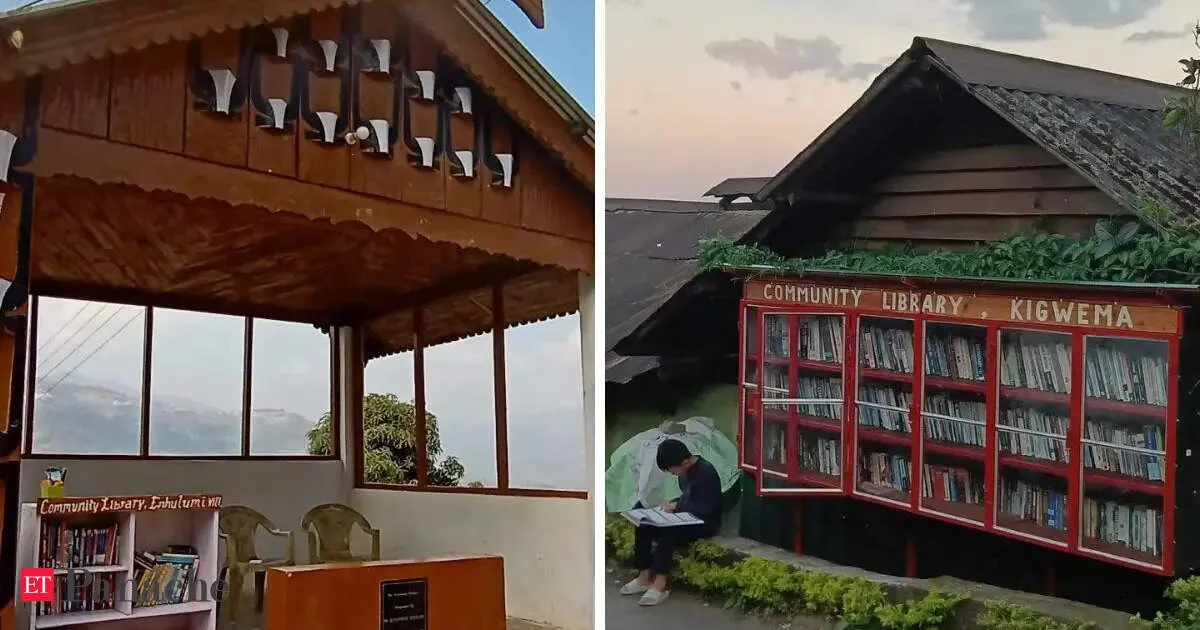
In Nagaland, villages like Kigwema and Khonoma run free, self-service libraries built on trust. Founded by brothers Akho and Thepfukelie Phira, the model lets anyone borrow books without a librarian, lock, or register—returning after reading. The same community-first ethics appear in local shops, reinforcing a culture of shared knowledge and honesty.
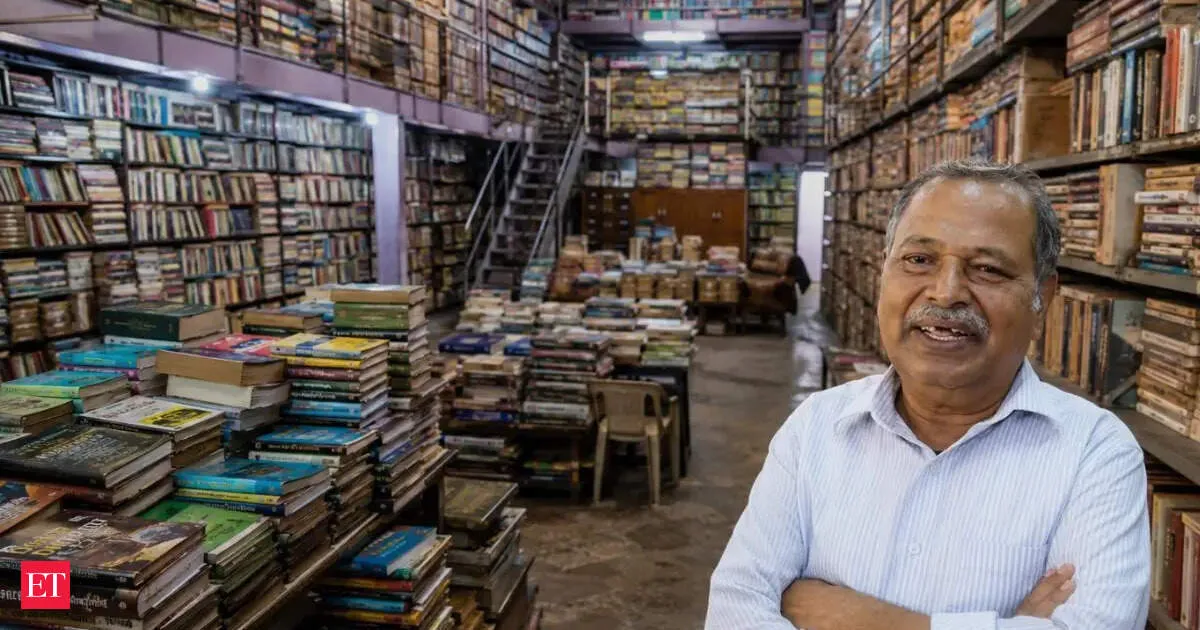
Anke Gowda, once a Karnataka bus conductor and later a retired sugar factory worker, has transformed a childhood dream into Pustaka Mane in Mandya. The 16,000 sq ft public library now houses about 20 lakh books, growing from one man’s vision in a book-deprived village into a sprawling knowledge space that turns personal sacrifice into community learning.
Your news, in seconds
Get the Beige app — every story in 60 words, updated hourly. Free on iOS & Android.
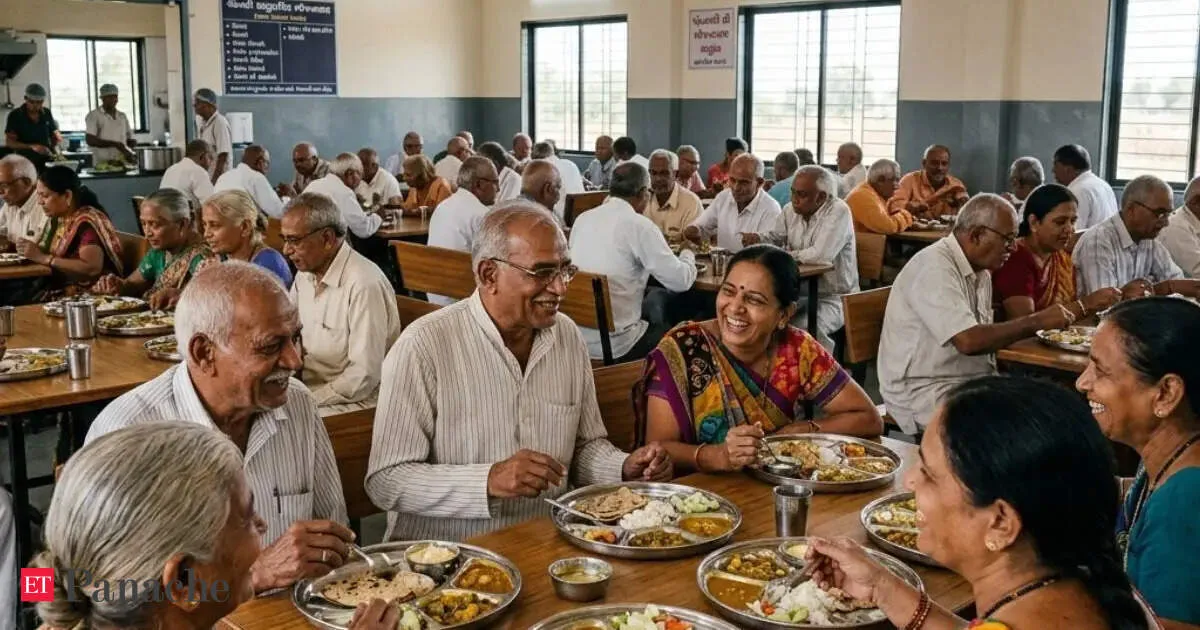
In Gujarat’s Chandanki village, residents don’t cook at home. Instead, everyone’s meals are prepared in a central kitchen and served in a community hall. Started to tackle loneliness among the elderly, the system offers nutritious food in exchange for a monthly fee—turning everyday dining into a lively social ritual.
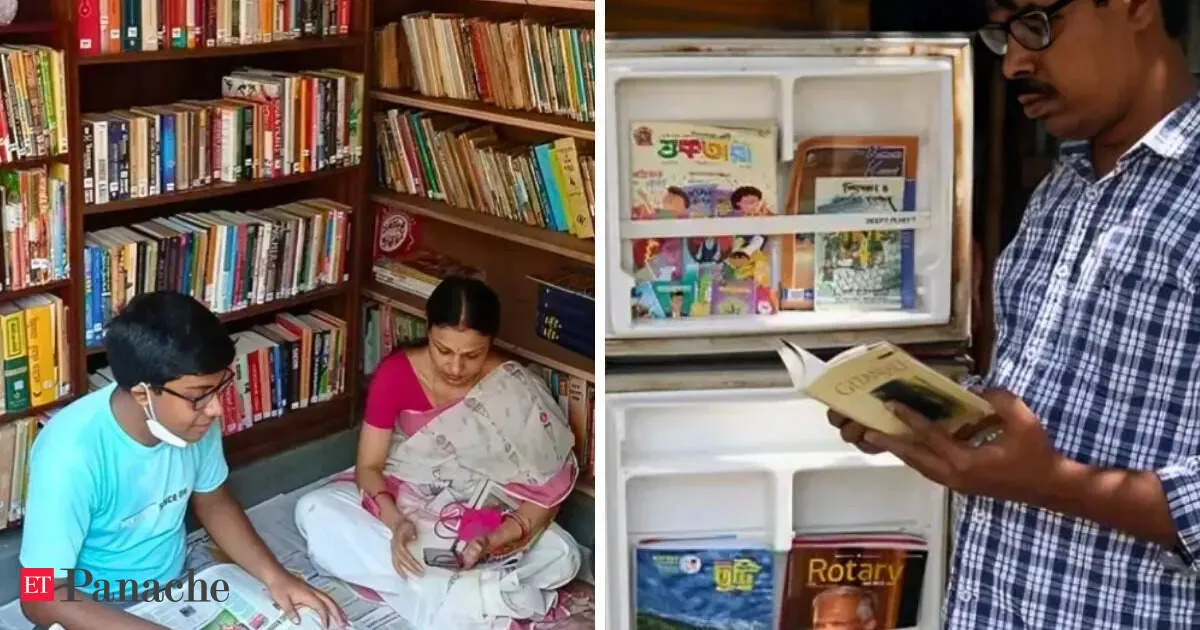
In Kolkata, English teacher Kalidas Haldar and his wife created a street library in 2021 using a repurposed refrigerator and a small shop to store over a thousand books. Operating on free borrowing, the initiative invites children and neighbors to read, transforming everyday streets into a community space built around the idea that every child deserves access to books.
Swipe through stories, personalise your feed, and save articles for later — all on the app.