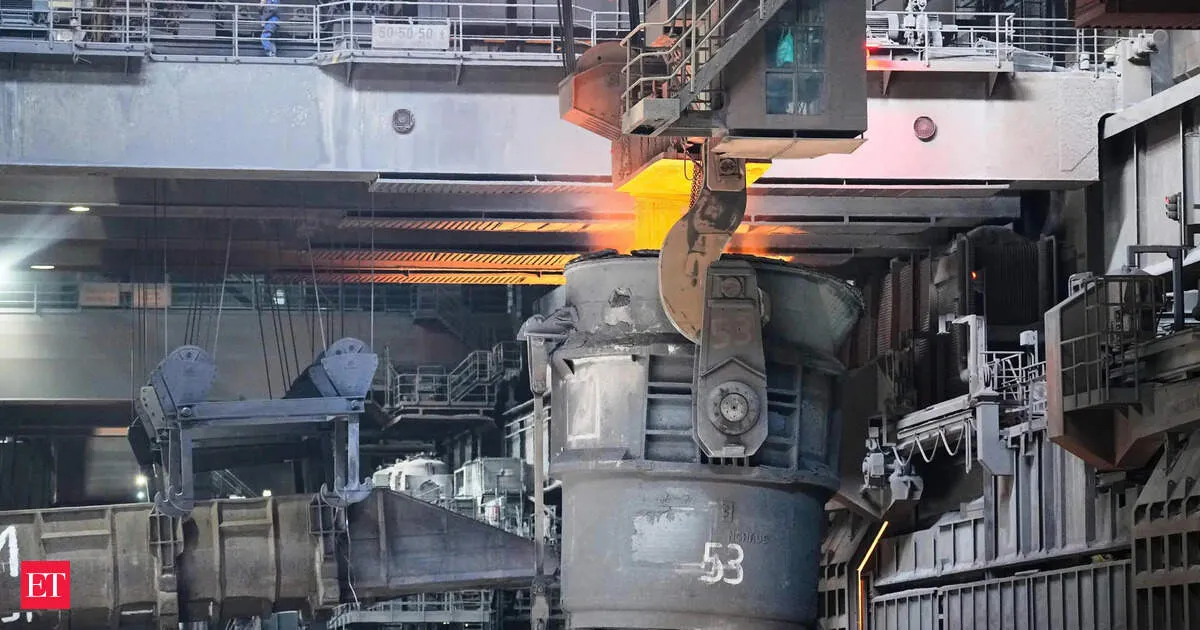
TVS Motor Company says it is closely monitoring how the ongoing West Asia conflict may ripple into its business, citing rising input costs and supply chain disruptions. After its quarterly results, CEO K N Radhakrishnan pointed to pressure across commodity-linked items such as steel, aluminium and crude oil derivatives, alongside challenges like labor availability, gas supply and delays in on-time raw material deliveries in April. Still, he expects improvements in May and confidence of strong Q1 growth that could outpace the industry.
India has banned sugar exports until September 2026, aiming to cool domestic prices as local production lags behind consumption. The curbs are expected to ripple through global sugar markets, potentially easing pressure for major exporters like Brazil and Thailand. Traders with existing contracts face uncertainty, though shipments already in the pipeline may continue under defined conditions.
Your news, in seconds
Get the Beige app — every story in 60 words, updated hourly. Free on iOS & Android.
An India-bound urea shipment was cancelled after officials flagged potential links to Iran, a move that could worsen supply pressure for the world’s top fertilizer importer. The cargo aboard the bulk carrier Infinity was reportedly withdrawn by Aditya Birla Global Trading. With global urea prices rising, the scrapping adds fresh uncertainty for India’s fertilizer availability.
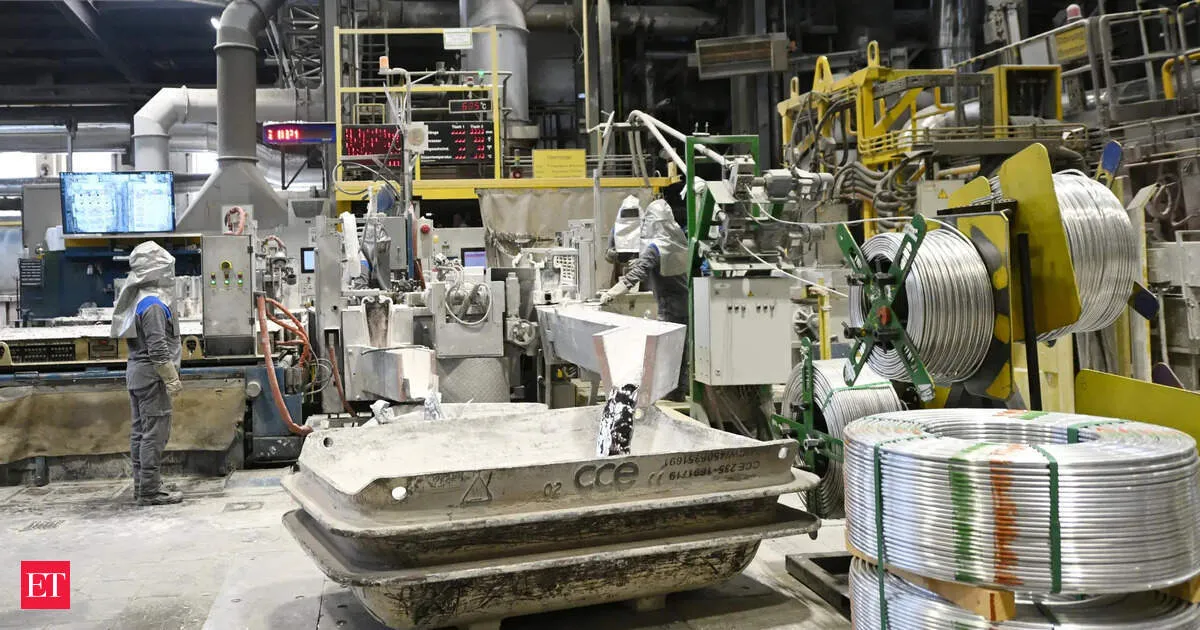
Geopolitical tensions in West Asia have disrupted Nalco’s alumina exports, previously responsible for 40–50% of shipments. As cargoes shift to other destinations, global spot alumina prices have slid to about USD 305–310 per tonne. Reduced operating capacity at West Asian smelters is adding further pressure on prices and demand.
Midcap companies led the March quarter earnings season, posting profit growth that outpaced both largecaps and smallcaps, according to MOFSL. Performance was supported by BFSI, technology, and utilities, with optimism around earnings momentum. However, analysts caution that volatility tied to West Asia tensions and higher commodity prices may continue to disrupt markets.
Shake Shack reported a quarterly loss and missed revenue estimates as higher commodity costs, including beef, squeezed margins. Weak consumer spending added further pressure, and the market punished the stock, sending shares down about 28% in early trading. The update highlights how quickly fast food operators can be hit when demand softens and input costs climb.
Never miss a story
Set alerts for the topics and sources you care about. Download Beige for free.
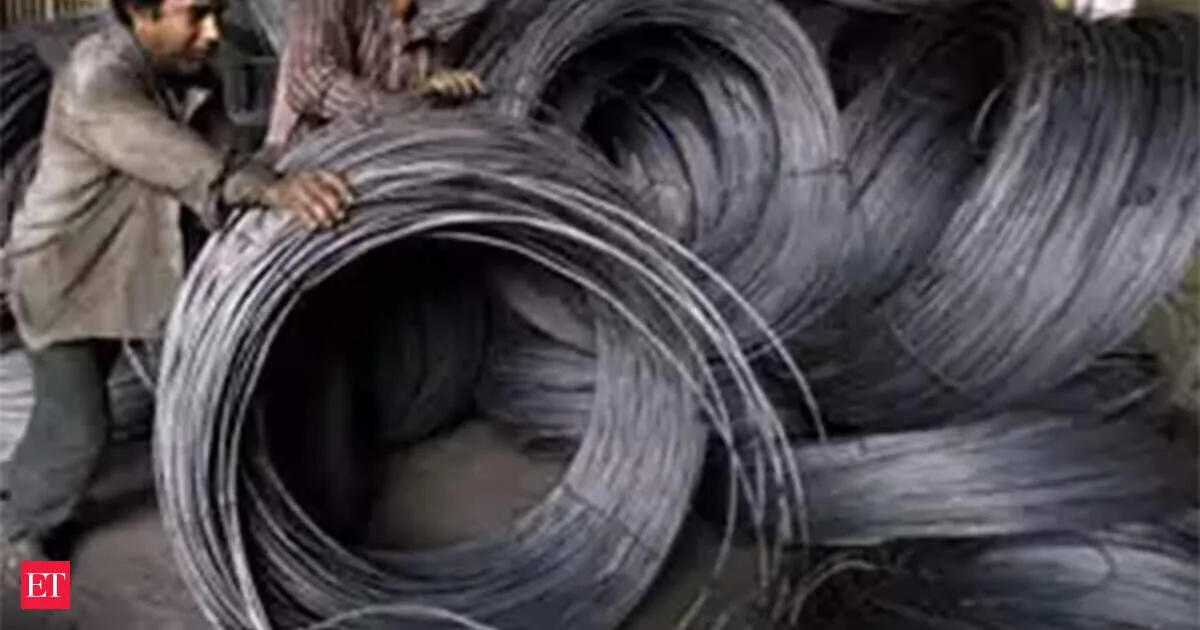
State-owned NMDC has increased its iron ore lump and fines prices by Rs 200 per tonne, effective immediately. Baila lump is now at Rs 5,500 per tonne and fines at Rs 4,700, excluding taxes and fees. The move is likely to raise input costs for steel manufacturers and could ripple through downstream pricing.
China says it will stabilize its fertilizer market as spring planting starts, after domestic prices rose but stayed well under international benchmarks. The agriculture ministry claims supplies will remain ample, a move aimed at protecting food security during the critical planting season. The commitment could influence global fertilizer expectations and pricing dynamics.
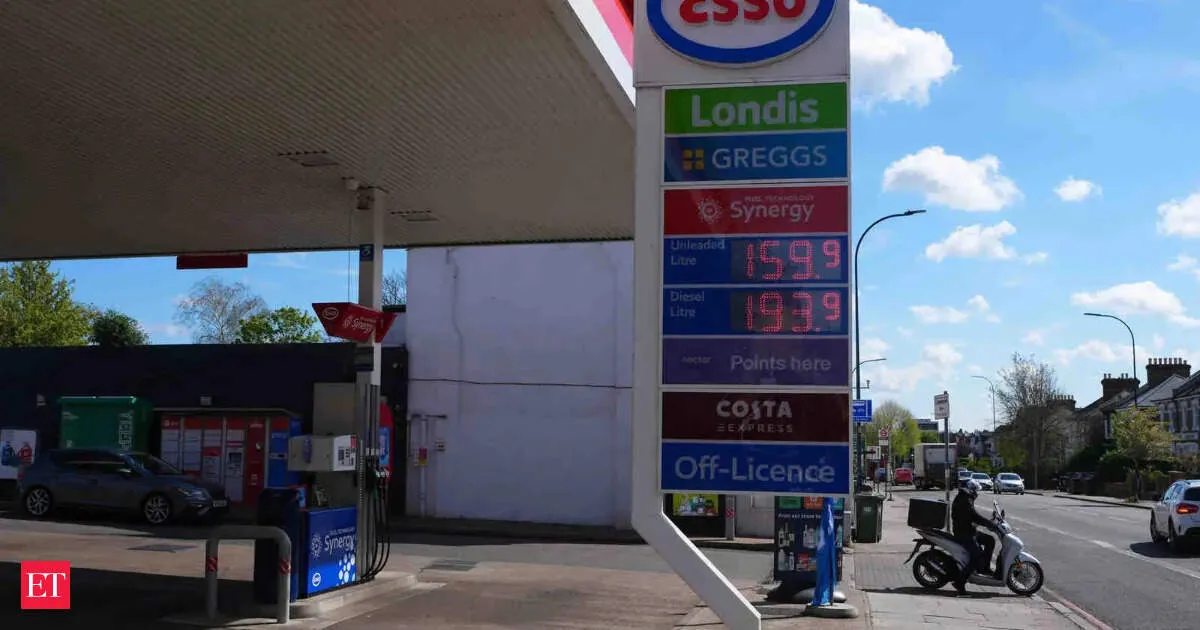
The US-Israeli war with Iran and the closure of the Strait of Hormuz are triggering a massive oil and gas supply disruption, hitting crude, natural gas, and refined fuels at once. The reported daily output lost is being described as unprecedented, surpassing earlier major shocks and raising concerns about rapid price and availability swings worldwide.
Jefferies says gold has moved into a consolidation phase after a strong retail-led buying surge that peaked late last year and continued into early this year. The report points to broad demand across major markets including India, China, and the United States, suggesting the recent rally may be pausing rather than accelerating.
Reading on mobile?
Open Beige in the app for a smoother experience — free on iOS and Android.
Fertilizer prices are surging, hitting key agricultural economies as urea and phosphate become harder and costlier to source. Major exporters are curbing sales to manage shortages and earnings, while importing countries hunt for alternative supplies, raising the risk of a wider food crisis if the imbalance persists.
Global steel demand is forecast to grow only 0.3% in 2026, dragged down by China, even as India is expected to stand out in the demand rebound in 2027. Steel prices are still climbing due to higher raw-material costs, tighter supply, and geopolitical risks. Aluminium is gaining, while copper, zinc and nickel edge lower amid volatility.
Coffee farmers in Vietnam’s main growing belt are selling at lower rates as overall trade slows and demand remains thin. Some Indonesian robusta is moving at more competitive premium levels, putting pressure on local pricing. A near-term fertilizer shortage is not yet evident, but concerns are growing if the Iran conflict drags on longer.
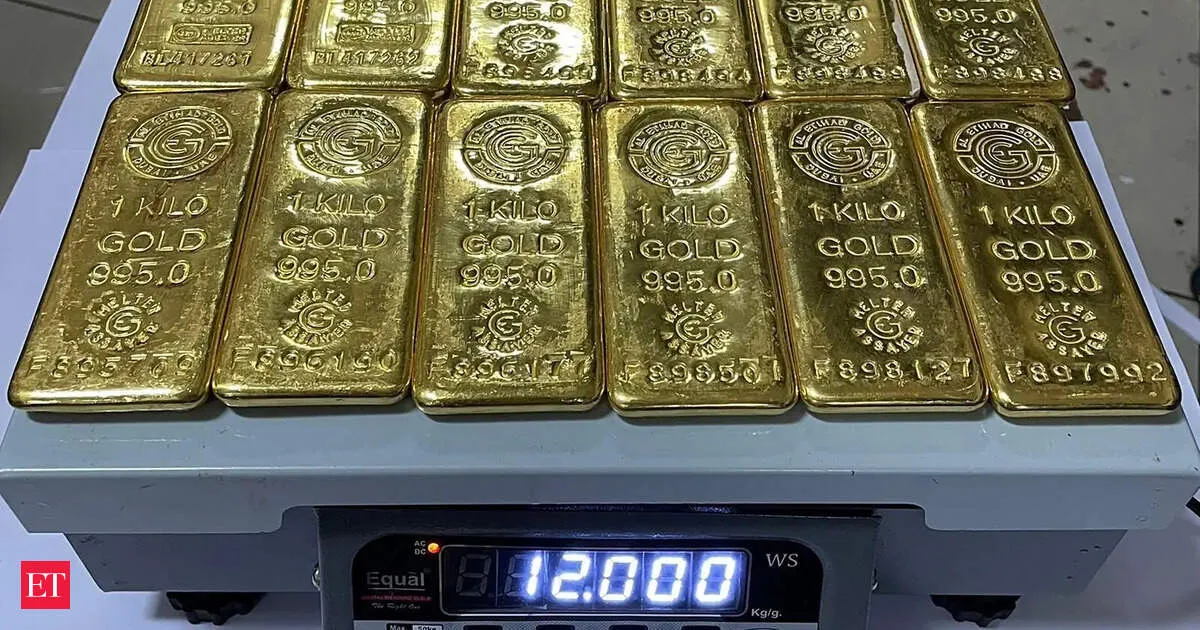
Gold held in Dubai is being sold at notable discounts as conflict across the Middle East disrupts flights and shipping. With delivery costs and timelines uncertain, buyers are holding back, pushing traders to price bullion up to $30 per ounce below global benchmarks. Some shipments still move, but delays are affecting India’s physical availability even as inventories remain adequate.
Follow your favourite sources
Track sources, tags and categories — all in the Beige app.
India’s finance ministry says it is closely monitoring global commodity price swings triggered by the Russia Ukraine war, especially pressures affecting crude oil costs. Minister of State for Finance Pankaj Chaudhury added the government supports moves to release from Strategic Petroleum Reserves, aiming to reduce volatility and help calm rising fuel prices in markets.
Swipe through stories, personalise your feed, and save articles for later — all on the app.