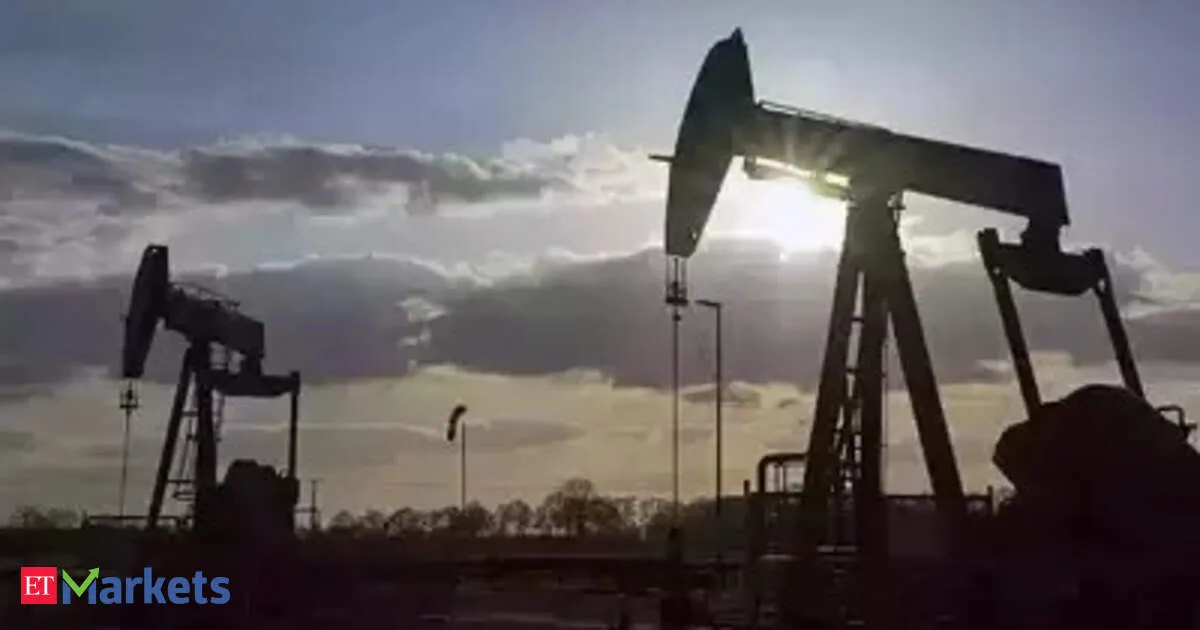
Oil prices inched higher as markets looked ahead to the Trump Xi meeting in Beijing, where the Iran war is expected to dominate talks. Even with U.S. sanctions in place, China continues to buy large volumes of Iranian oil, creating a major sticking point that could complicate any effort to de-escalate or change Tehran’s access to buyers.
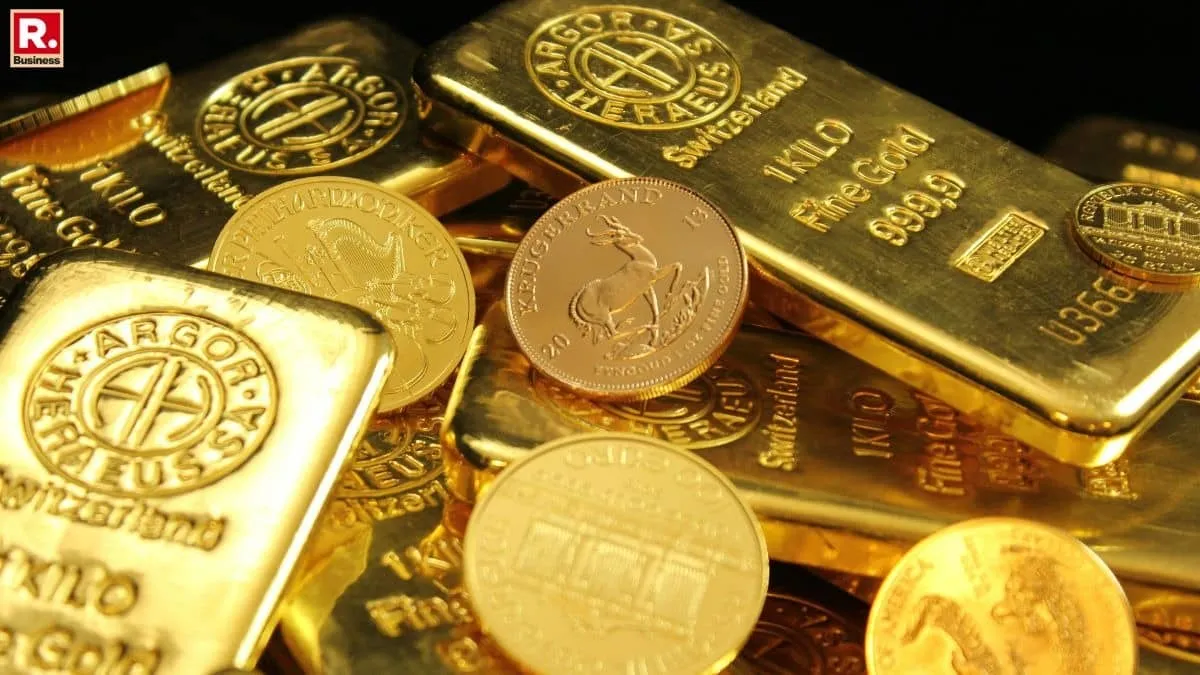
Global investors returned to physically backed gold ETFs in April, after March saw notable outflows. The World Gold Council reported USD 6.6 billion in ETF inflows worldwide, with Europe leading the recovery. India posted USD 297 million in inflows, extending its streak to 11 consecutive months and keeping demand steady despite earlier weakness.
Your news, in seconds
Get the Beige app — every story in 60 words, updated hourly. Free on iOS & Android.
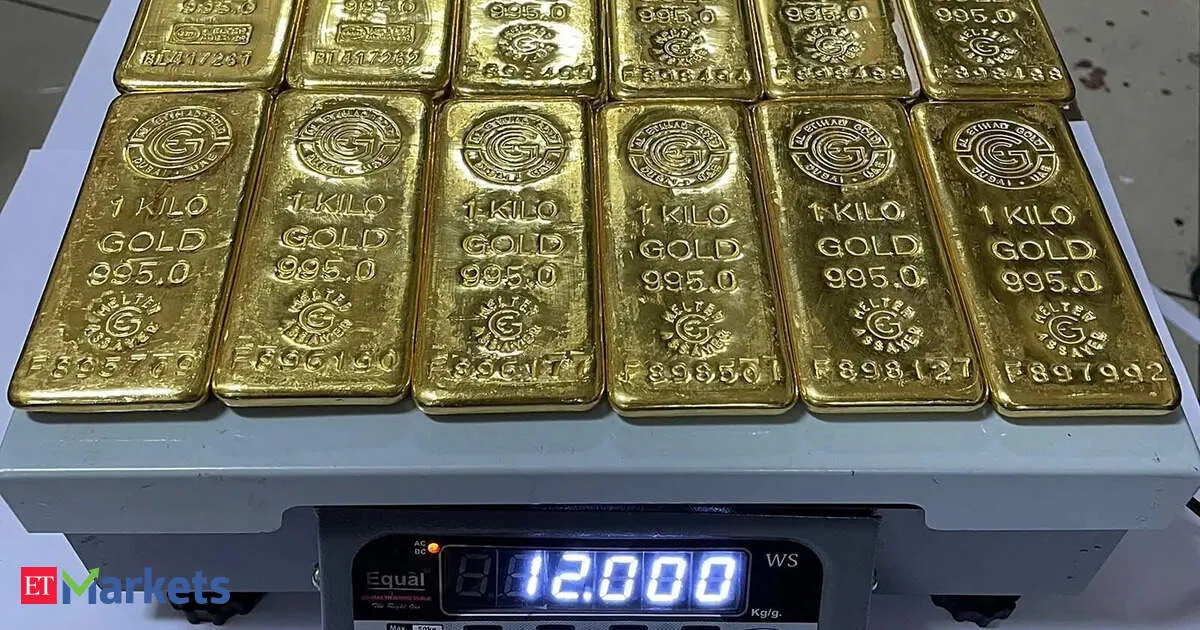
Gold rose for a third straight session as a softer US dollar boosted buying interest. The gains were also supported by expectations of a potential US Iran peace deal, adding a geopolitical tailwind to markets. Analysts say prices may stay rangebound near $4,600 to $5,100 an ounce in the near term, even as momentum builds.
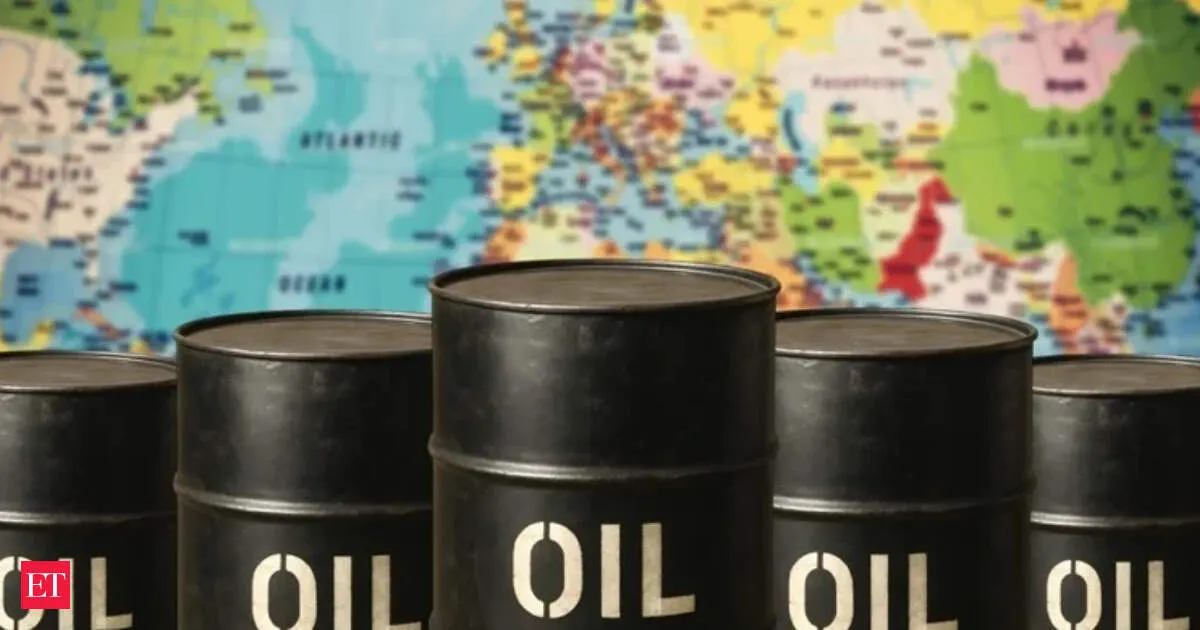
WTI crude and Brent saw a sharp selloff, with Brent dropping more than 7% in a session. Traders rushed to remove geopolitical risk premiums from crude futures after Middle East tensions eased and higher supply expectations grew. The move also followed a reported large short-selling position ahead of US Iran deal headlines, while weak demand and slowing growth fears added pressure.
Crude oil prices jumped to around $115 per barrel, the highest since June 2022, as tensions around Iran intensified and supply worries returned. With Iran war talks stalled, analysts warn disruptions could stretch longer and propel prices toward $150. The Strait of Hormuz remains the critical flashpoint shaping global energy markets and downstream costs.
The UAE, OPEC’s third-largest producer, is set to leave the cartel officially from May 1, 2026. Abu Dhabi’s motive is control: it wants flexibility to raise output, respond faster to market shocks, and align oil policy with its broader economic strategy. The move threatens OPEC’s quota system and may trigger questions about Iraq or Kuwait’s commitment—potentially shifting oil prices.
Never miss a story
Set alerts for the topics and sources you care about. Download Beige for free.
Oil prices saw sharp swings before ending the week higher, even after early gains faded. Traders are tracking possible U.S. and Iran peace talks that could reduce supply worries, but disruptions in the Strait of Hormuz are sustaining fears of renewed escalation. That uncertainty is keeping crude prices supported into the next trading stretch.
Silver futures climbed 0.82% in today’s trading, rising to Rs 2,53,800 per kilogram. Traders attributed the move to renewed uncertainty over US trade policy, prompting participants to build fresh positions. The strength also showed up overseas, with Comex silver futures recording a similar notable increase.
Oil prices jumped for a fifth straight session as Middle East tensions rose, with Iran-related actions near the Strait of Hormuz and reports of air defense engagement stoking supply fears. Analysts warn that if U.S.-Iran talks stall, prices could surge further, potentially pushing Brent toward $150 per barrel.
Swipe through stories, personalise your feed, and save articles for later — all on the app.