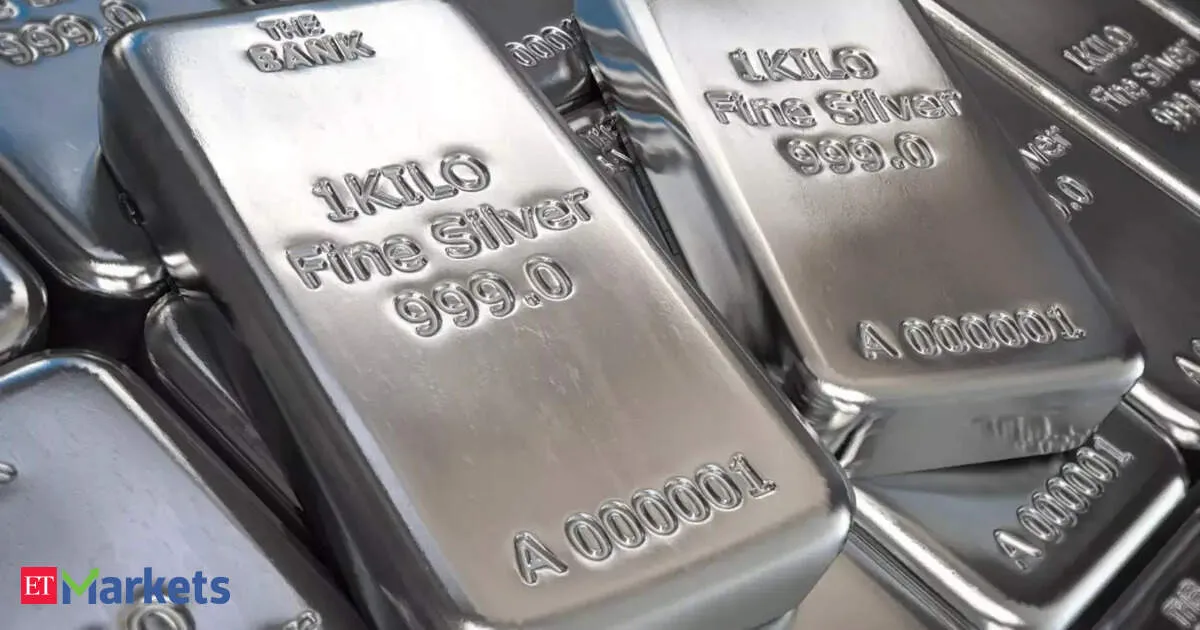
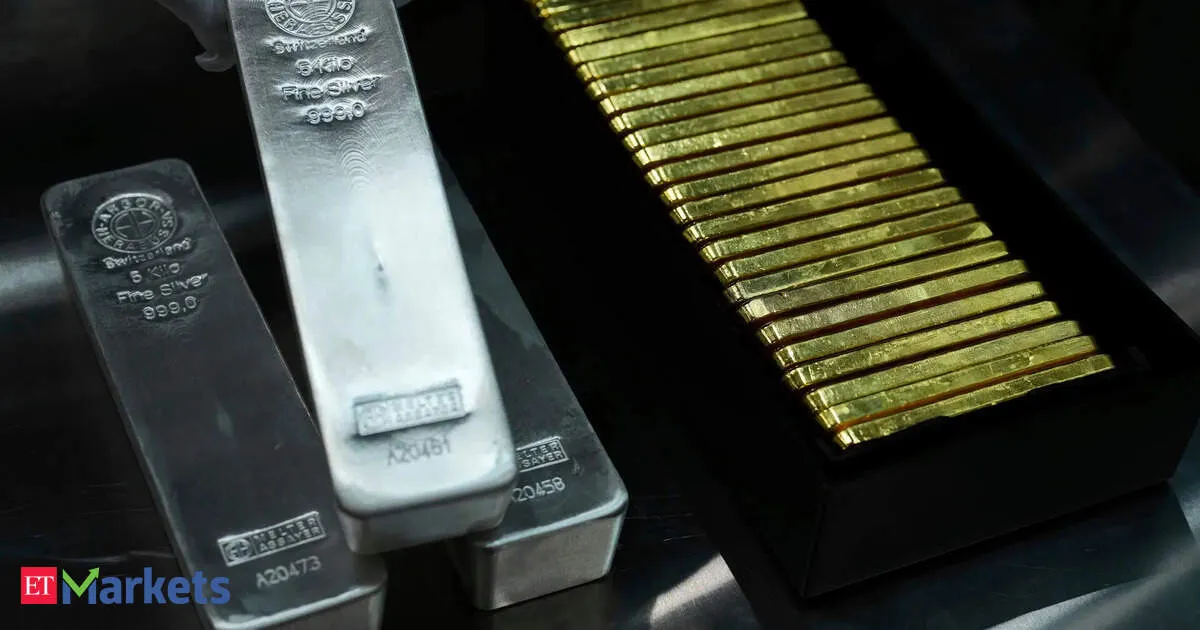
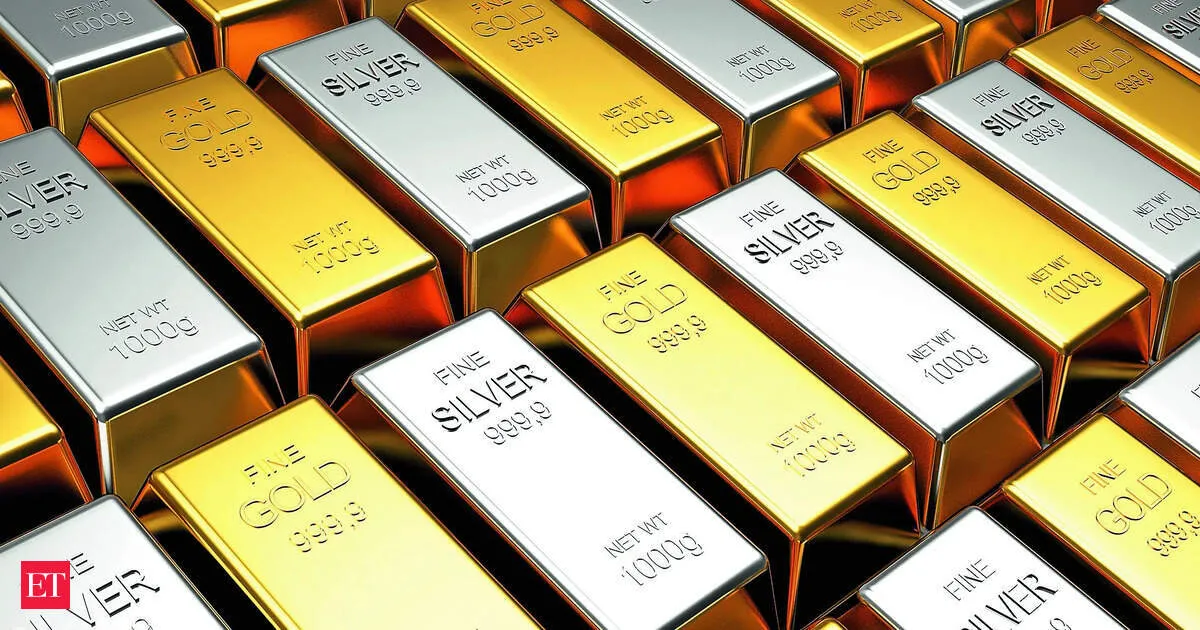
Silver prices on MCX crashed, losing up to Rs 17,500 in a day and falling back below levels seen before the recent customs duty increase. The move followed weaker demand at higher prices, a softer industrial outlook, and a global picture clouded by growth concerns. With safe-haven buying fading and import duties jumping sharply, silver has entered a highly volatile phase.
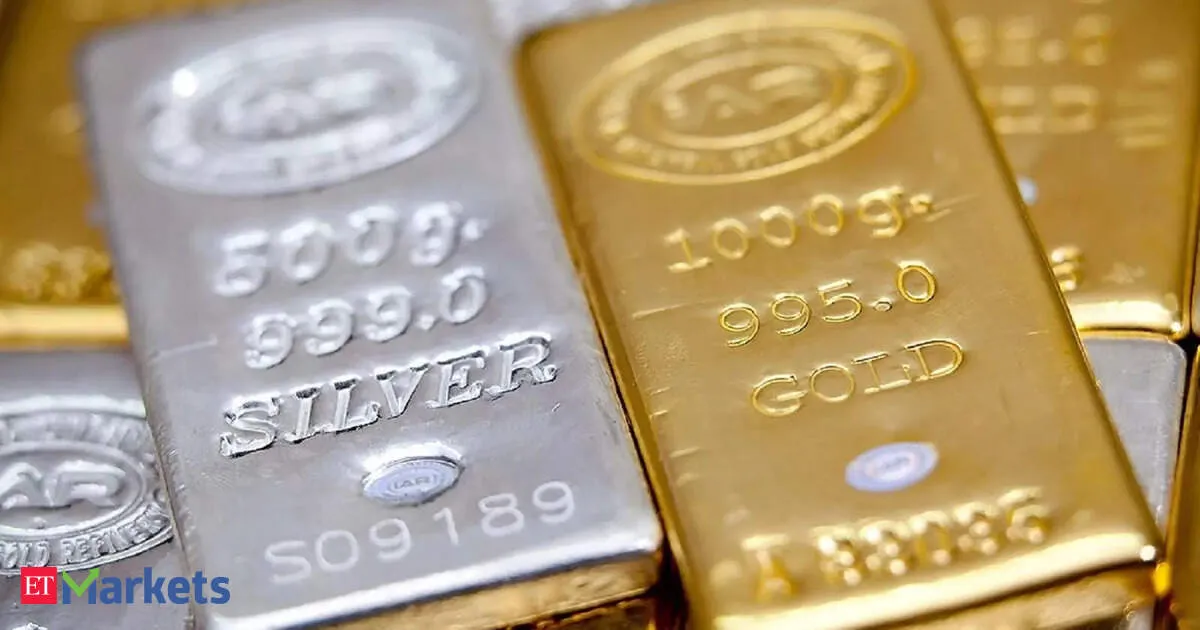
Gold and silver prices may trade in a tight range for a second week as investors digest progress and setbacks in US-Iran peace negotiations alongside upcoming global macroeconomic releases. Analysts expect gold’s momentum to remain consolidative, helped by lower Treasury yields, a softer dollar, and easing crude risk premiums. Silver, however, is seen with a more upbeat bias, supported by copper-linked buying, supply tightness, and central bank demand. Still, Friday’s gains were capped by renewed conflict signals and fresh UAE attack reports.
Your news, in seconds
Get the Beige app — every story in 60 words, updated hourly. Free on iOS & Android.
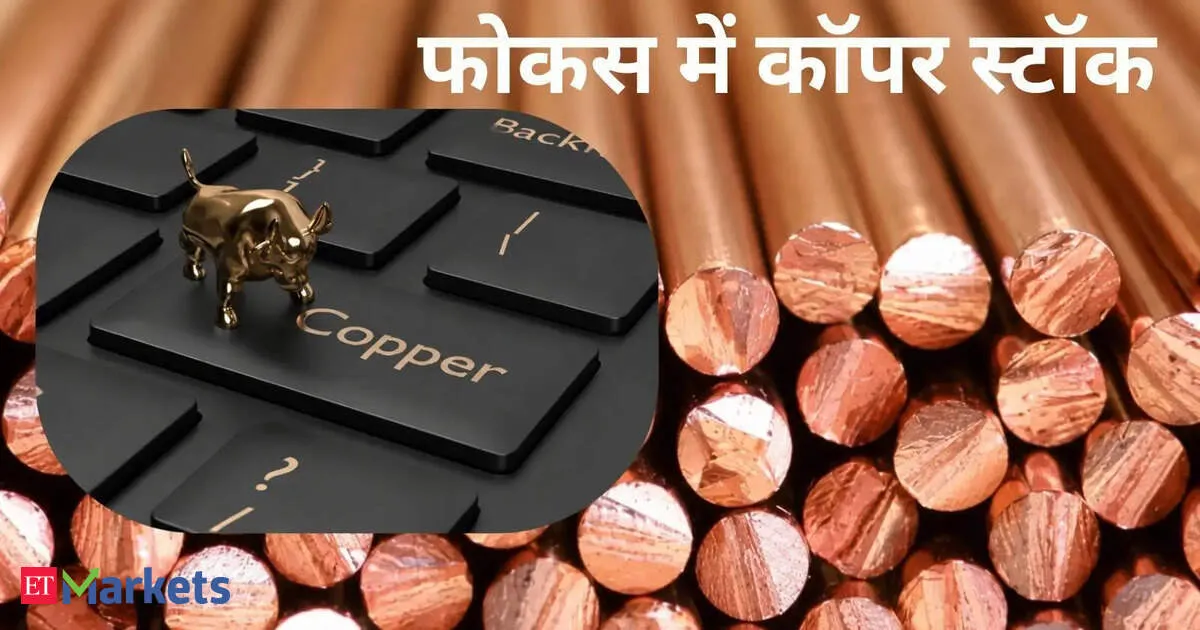
Copper prices are climbing sharply, gaining about 9% since the Iran-related tensions, as markets brace for both geopolitics-driven volatility and a deeper structural supply shortage. Investors are also betting on AI-linked electrification demand that requires more copper per project. With new mines taking years to scale and underinvestment lingering, traders warn the shortage could persist and push prices higher.
India has imposed an immediate ban on sugar exports until September 30, 2026, or until further orders, and the market reacted sharply. Sugar stocks including Dalmia Bharat Sugar, Shree Renuka Sugars, Bannari Amman Sugars, EID Parry and others plunged on Thursday, with some names down several percentage points as traders reset expectations for revenue and supply flows.
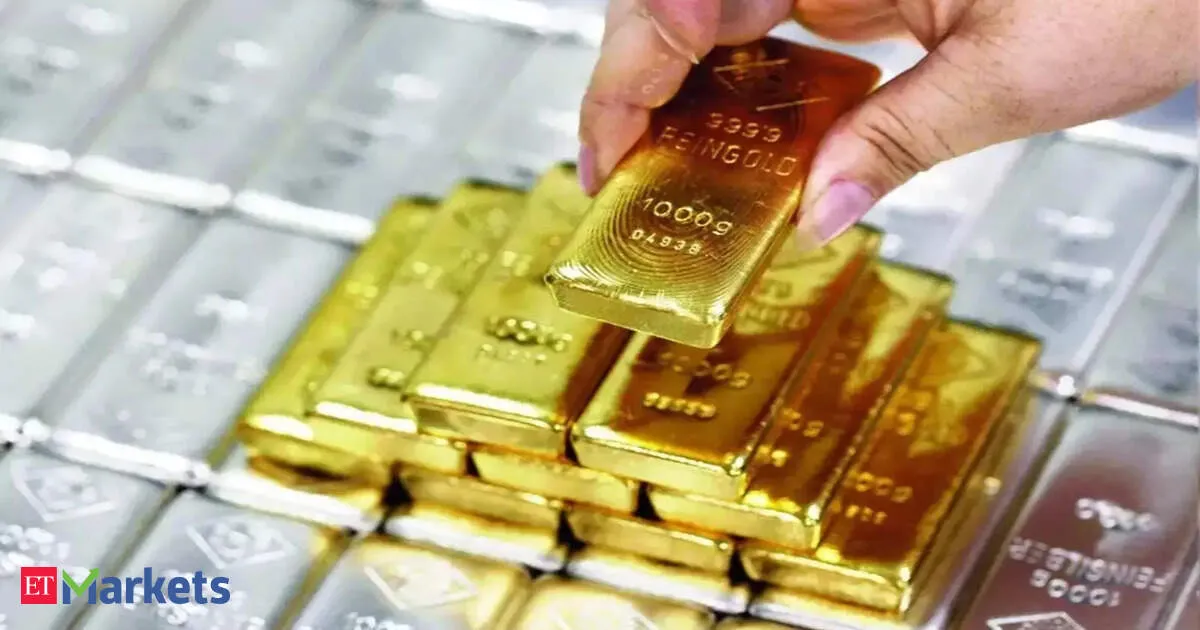
Gold and silver opened lower on MCX as traders tracked developments from Trump–Xi talks and watched the Iran conflict closely. July 2026 silver fell to around Rs 2,96,879 per kg, while June 2026 gold dropped near Rs 1,61,027 per 10 grams. The fall comes after a powerful previous session that saw silver surge and gold climb sharply.
MSCI has announced major changes to its indices, naming Federal Bank, Indian Bank, Multi Commodity Exchange of India and Nalco for inclusion in the Global Standard Index. The additions are expected to attract meaningful inflows as index-linked funds rebalance. However, Adani Energy Solutions has been excluded after MSCI flagged surveillance concerns.
Never miss a story
Set alerts for the topics and sources you care about. Download Beige for free.
Copper prices are surging in 2026, pushing COMEX above $6.50 per pound and copper futures past $14,000 per ton. The move is increasingly tied to AI data center construction, not just standard manufacturing demand. China’s factory recovery, sulfuric acid shortages in the Middle East, and tighter mine supply are intensifying a global copper crunch.
Gold and silver surged on MCX after the Centre raised customs duty on precious metal imports to 15%, driving sharp gains in June gold futures and July silver futures. The move also comes as US consumer inflation rose, cooling hopes of an imminent Fed rate cut and adding volatility to global bullion sentiment. Investors now face a price shock that may not be short lived.
Crude oil prices dipped after a three-day climb as traders weighed a fragile Iran ceasefire and expectations ahead of a U.S.-China summit. Despite the pullback, analysts say the Strait of Hormuz is still effectively shut, constraining supply and keeping inflation risks high. If disruptions continue, further price surges remain possible.
Copper has surged to fresh record levels globally, including a rise on India’s MCX, as supply disruptions collide with growing demand from electrification and AI-linked industries. Analysts point to tightening supply chains and geopolitical tensions as major catalysts. Even after a pullback, they argue technical strength plus supportive fundamentals may keep the bullish trend intact, making recent declines tempting for investors.
Reading on mobile?
Open Beige in the app for a smoother experience — free on iOS and Android.
JPMorgan warns that worsening petroleum coke shortages could disrupt aluminium production worldwide, not just in the Gulf. The bank says a prolonged closure of the Strait of Hormuz could impair supply of the critical smelting fuel, pushing some producers toward operational constraints or production cuts. Supply tightness is already visible, with a major deficit expected by 2026.
Gold prices fell as stalled U.S. Iran peace talks pushed oil higher, reviving worries about inflation and potential interest rate hikes. A stronger dollar weighed on bullion further. At the same time, China’s gold output declined, but Indian buyers held back, waiting for lower prices. Still, speculators increased long positions, hinting at a split market mood.
China’s April producer inflation climbed 2.8% year-on-year, its highest in 45 months, as energy and commodity prices surged, lifting costs in metals and oil-linked sectors. Consumer inflation also rose to 1.2%, with higher gasoline prices and gold jewelry adding pressure at the shop floor and household level, complicating an already weak domestic demand outlook.
Gold and silver prices stayed largely unchanged on May 8, 2026, after a recent rise linked to easing inflation concerns and hopes of US Iran peace talks. Analysts suggest gold may climb toward $4,800 to $4,850, while silver could target $85. Traders are now waiting on key economic data to set the next move.
Follow your favourite sources
Track sources, tags and categories — all in the Beige app.
Oil prices rose more than 1% after renewed Iran US clashes revived concerns about the Strait of Hormuz. The fight has clouded expectations of reopening routes, with Iran accusing the US of breaching a ceasefire and the US pointing to retaliation for attacks on its vessels. Experts warn escalation could disrupt global oil flows despite recent declines.
Gold’s long-standing safe-haven reputation is under renewed pressure, with prices reportedly slipping despite heightened concern around the ongoing Iran conflict. A Morgan Stanley note points to a mismatch between investors’ expectations of gold during geopolitical stress and the market’s actual reaction. The development raises questions about whether gold can still reliably hedge fear in the current cycle.
Oil prices rebounded on Thursday after a sharp prior dip, with crude reclaiming the $100 level and ending a two-day slide. Traders weighed mixed signals around Iran US negotiations, amid reports of a possible deal to end the conflict. But President Trump’s warning of intensified bombing if Iran rejects a peace offer added volatility to expectations.
Oil prices jumped about 1 after sharp losses as investors tracked Middle East peace prospects. Analysts expect supplies to stay tight even if a deal is reached, because shipments would need time to restart. The rise is also supported by falling U.S. crude and fuel inventories and the approach of peak summer demand.
Stay informed on the go
Bite-sized news from 100+ trusted sources, right in your pocket.
Godrej Consumer Products Ltd expects margin pressure over the next few quarters as elevated crude oil prices raise input costs. The company says the current inflation cycle is manageable and believes revenue will still grow despite the squeeze. Analysts note the hit could be less disruptive than earlier commodity spikes, keeping investors focused on pricing power and volume momentum.
Gold and silver prices surged on Wednesday after market sentiment improved on hopes of de escalation in West Asia. On India’s MCX, gold spiked sharply, while silver futures also climbed. Analysts said investor interest in gold has risen, but flagged caution for silver as volatility and risk appetite may change quickly with the conflict’s headlines.
Swipe through stories, personalise your feed, and save articles for later — all on the app.