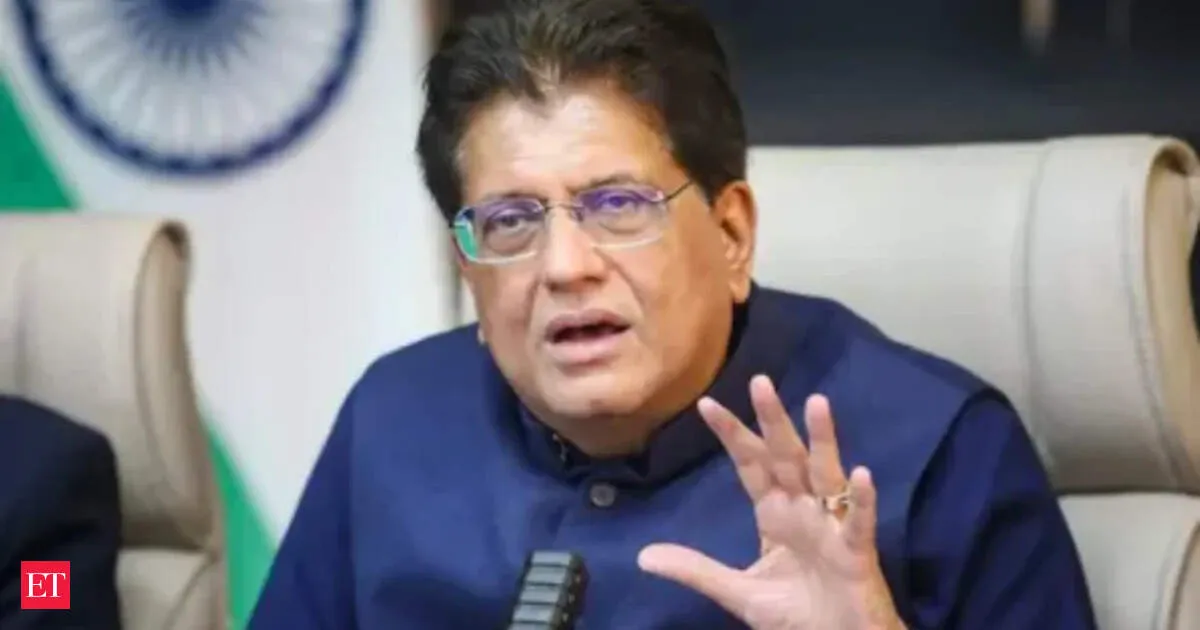
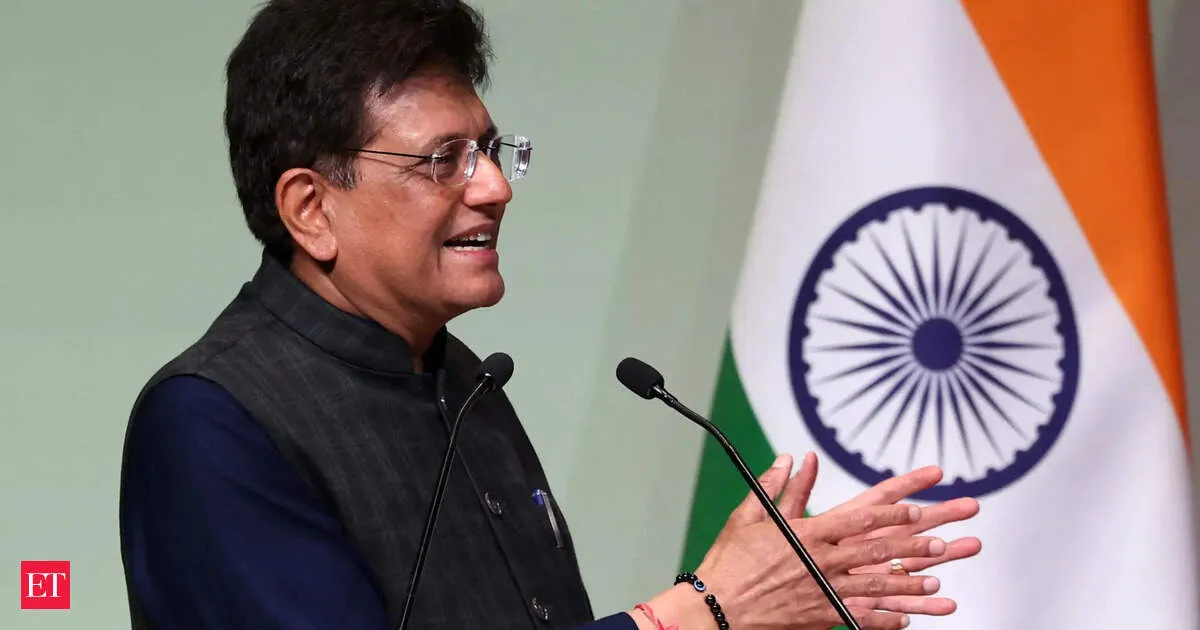
The Union Commerce and Industry Ministry is planning to co-locate its scattered regional offices in Mumbai into a single location to boost efficiency and reduce administrative costs. After a meeting with senior officials, Minister Piyush Goyal said around 20 offices across 12 organisations currently operate at different sites, occupying lakhs of square feet and carrying separate housekeeping, security and admin expenses. The plan aims to create a one-stop ecosystem for exporters, MSMEs and startups, with modern conferencing to connect businesses to 46 organisations.
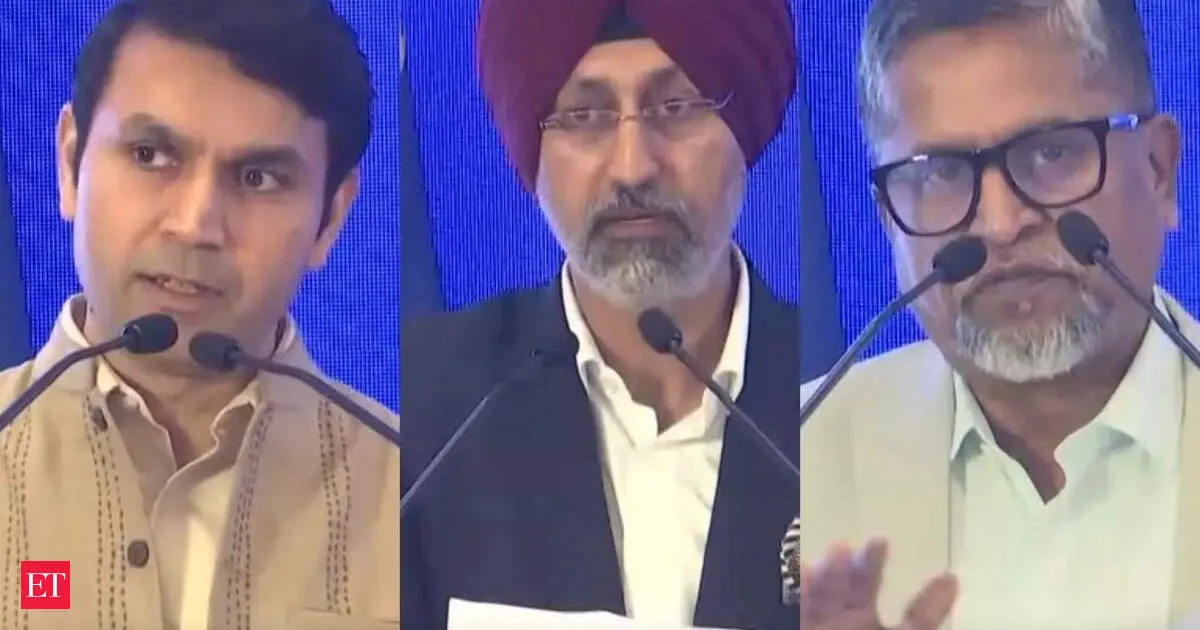
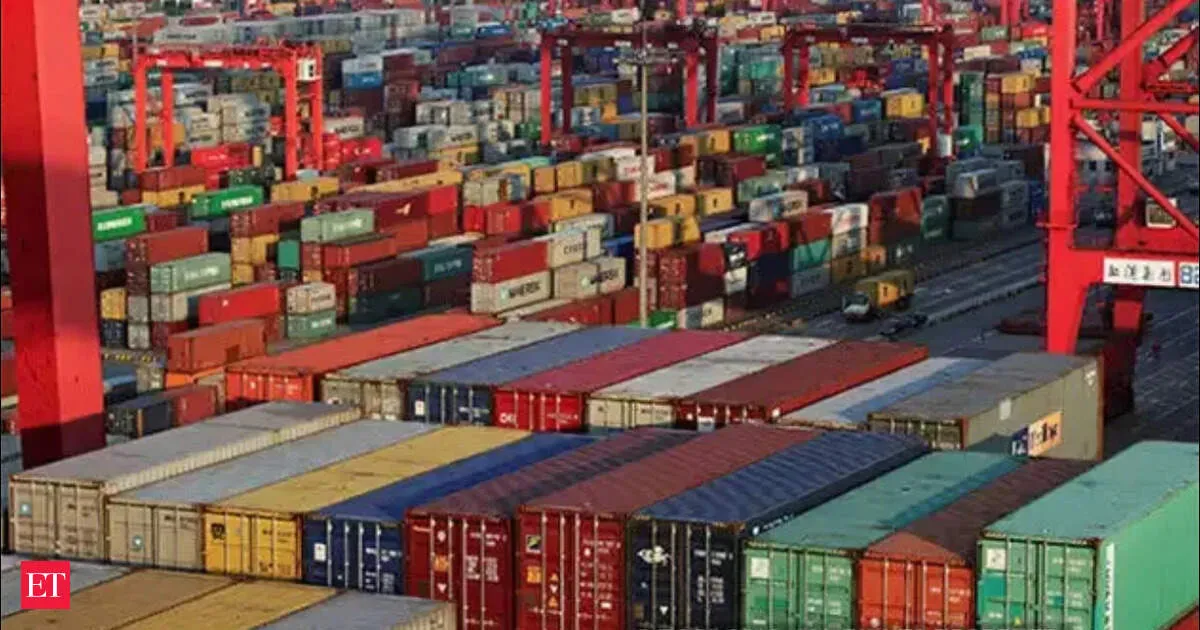
India’s Commerce Ministry says the India-EU Free Trade Agreement will cover nearly one-third of global trade and potentially affect about 2 billion people, calling it one of the biggest deals ever. Officials describe it as “mother of all deals,” reaching almost one fourth of global GDP and around $11 trillion in trade. The pact goes beyond tariffs, including services, digital trade, telecom, financial services, IP and regulatory practices. Businesses also flagged automotive tariff reductions and asked for clear rollout timelines.
Your news, in seconds
Get the Beige app — every story in 60 words, updated hourly. Free on iOS & Android.
India is ramping up efforts to make free trade agreements work better for exporters and investors. Under Piyush Goyal, the commerce ministry plans to dispatch 500 delegations abroad and train 1,000 people to strengthen industry outreach, including engagement with 1,600 industry chambers. The focus is increasing exports, attracting investment, and meeting export targets.
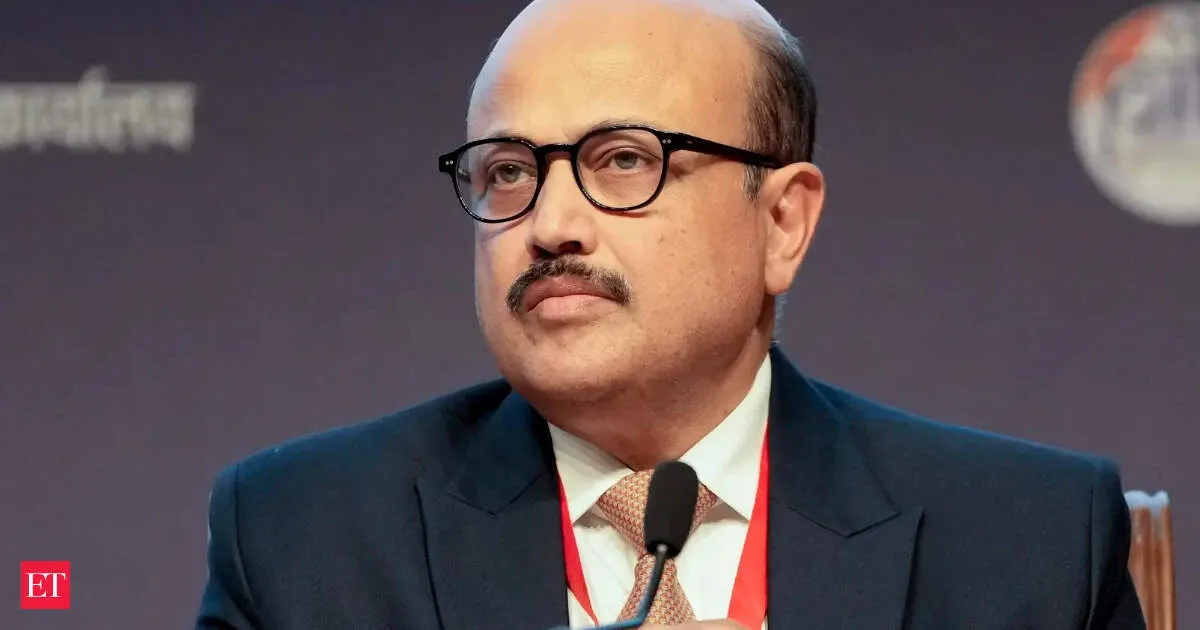
Commerce Secretary Rajesh Agrawal has urged Indian industry to actively leverage newly signed free trade agreements, arguing they hold major trade and investment potential. He stressed that modern FTAs extend beyond tariff cuts, covering services and regulatory cooperation, which can build a more predictable environment for investors and improve business outcomes.
India is rolling out a new export monitoring framework to achieve the $2 trillion target by FY31. The Commerce Department’s plan sets clear KPIs and timelines for priority sectors including engineering, textiles and services, with emphasis on tight inter-department coordination. Progress will be tracked through an IT platform, alongside efforts to strengthen “Brand India.”
Ahead of the Union Budget on February 1, the government is considering changes to an “inverted duty structure” affecting 13 to 14 products. In some cases, taxes on inputs are higher than on finished goods, inflating costs for manufacturers and weakening competitiveness. The Commerce Ministry has flagged the issue to the Finance Ministry, urging reform to support local manufacturing.
Never miss a story
Set alerts for the topics and sources you care about. Download Beige for free.
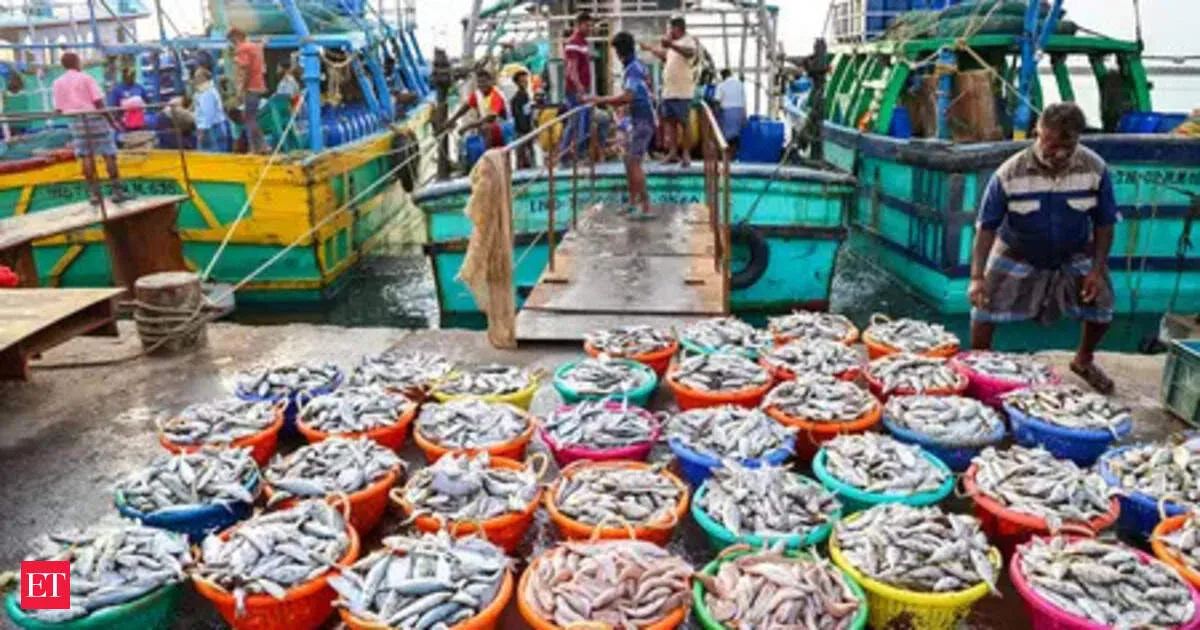
India’s seafood exports to the US dropped sharply in FY26, with volume down 19.8% and value down 14.5%, blamed on reciprocal tariffs. Even so, India’s overall seafood exports reached a record $8.28 billion as demand grew in China, the EU, and Southeast Asia, helping offset the US decline.
Swipe through stories, personalise your feed, and save articles for later — all on the app.