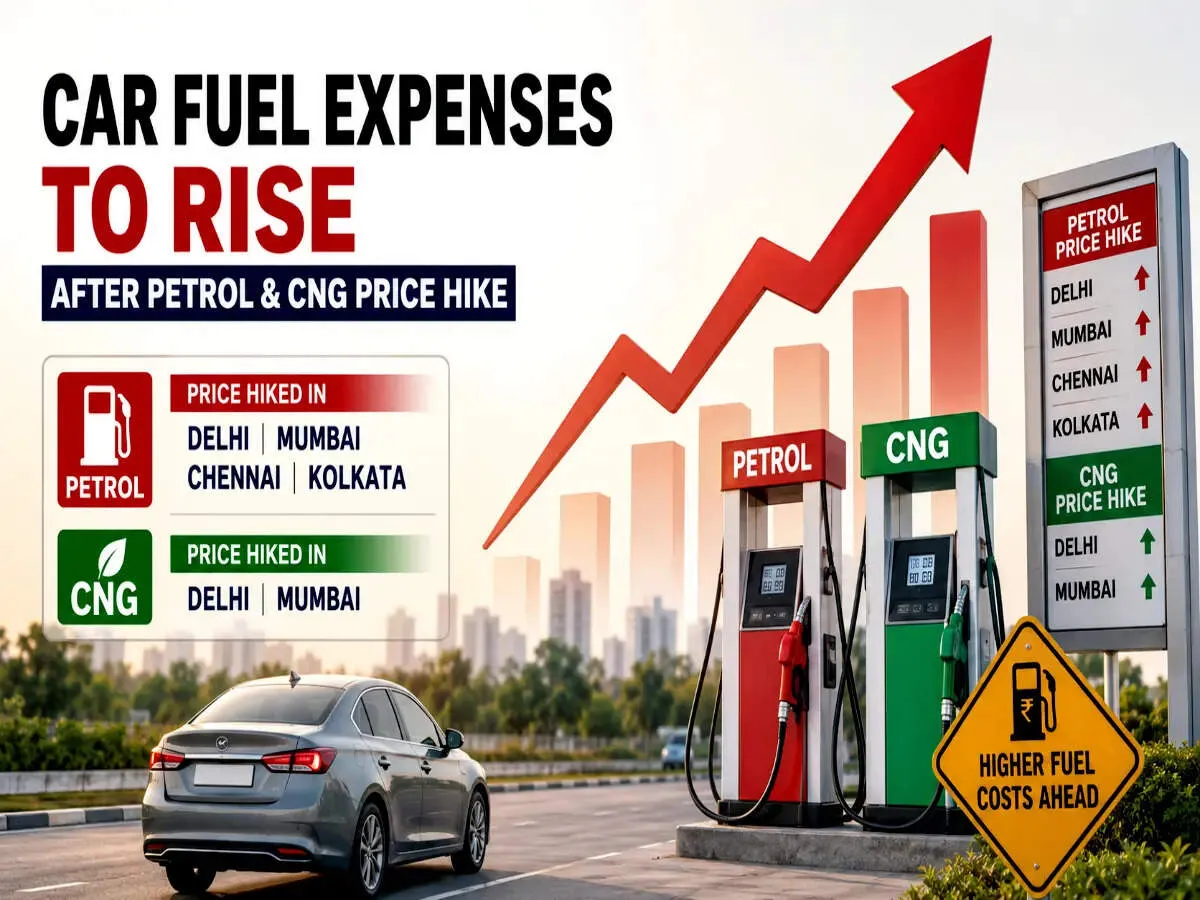
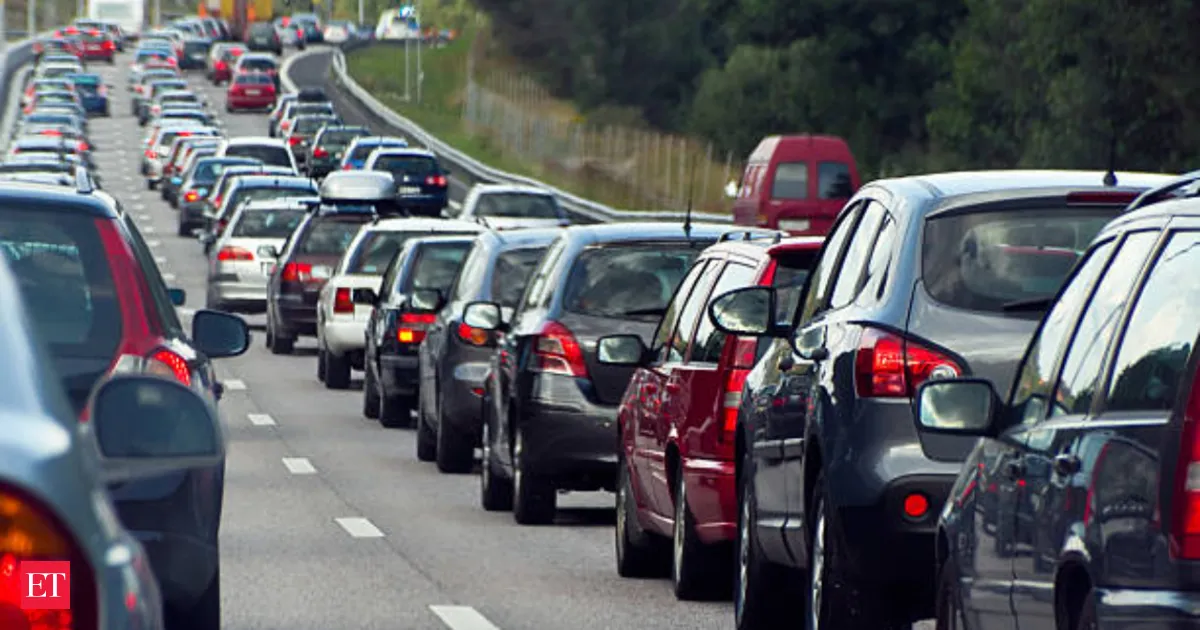
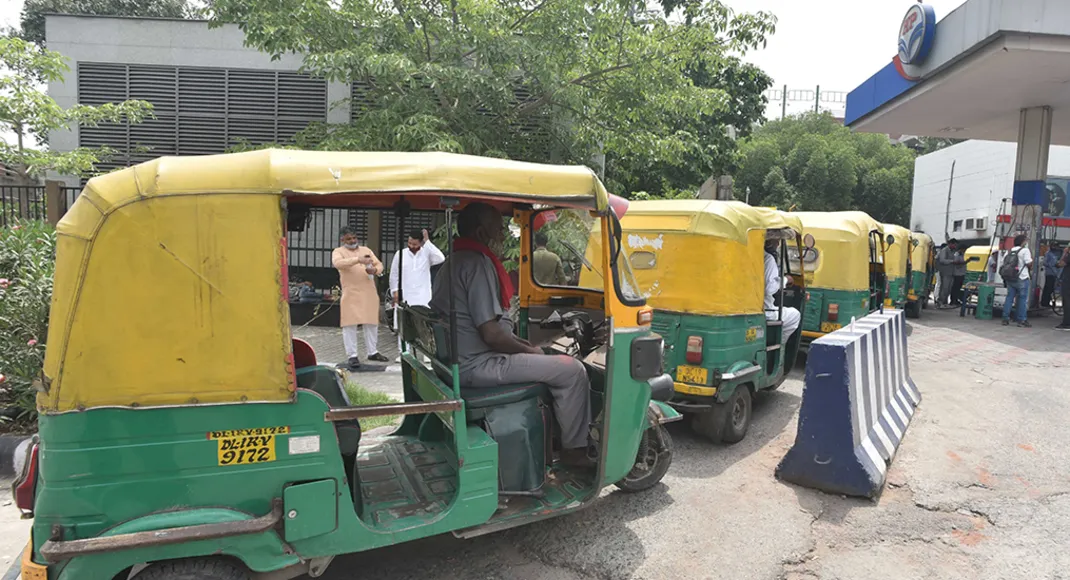
Petrol prices have climbed across India’s major metros, with the sharpest jump in Kolkata and smaller hikes in Chennai, while CNG costs rose by Rs 2 in only Delhi and Mumbai. For drivers covering 1,000 km monthly, the change can mean a few hundred to a few thousand rupees in extra fuel spending depending on mileage and fuel type. Still, calculations show CNG cars remain notably cheaper than petrol cars even after the increase.
Indian Oil Marketing Companies have raised petrol and diesel prices by Rs 3 per litre and CNG by Rs 2 per kg after reportedly enduring daily losses of Rs 1,000–1,200 crore since the Iran war began. Economists warn the move could add inflationary pressure as higher fuel costs ripple through transport, logistics and retail prices. With the Strait of Hormuz affecting crude supplies, April retail inflation edged up to 3.48% and WPI inflation rose to 8.3%, tightening India’s inflation outlook.
Your news, in seconds
Get the Beige app — every story in 60 words, updated hourly. Free on iOS & Android.
Congress launched a sharp attack on Prime Minister Narendra Modi after the Centre raised petrol and diesel prices by Rs 3 per litre, arguing it signals a “vasooli” or extortion campaign once assembly elections ended in four states and a union territory. The party also pointed to a Rs 2 per litre increase in CNG. Delhi saw petrol climb from Rs 94.77 to Rs 97.77 and diesel from Rs 87.67 to Rs 90.67. Opposition leaders tied the hike to inflation amid the West Asia energy shock.
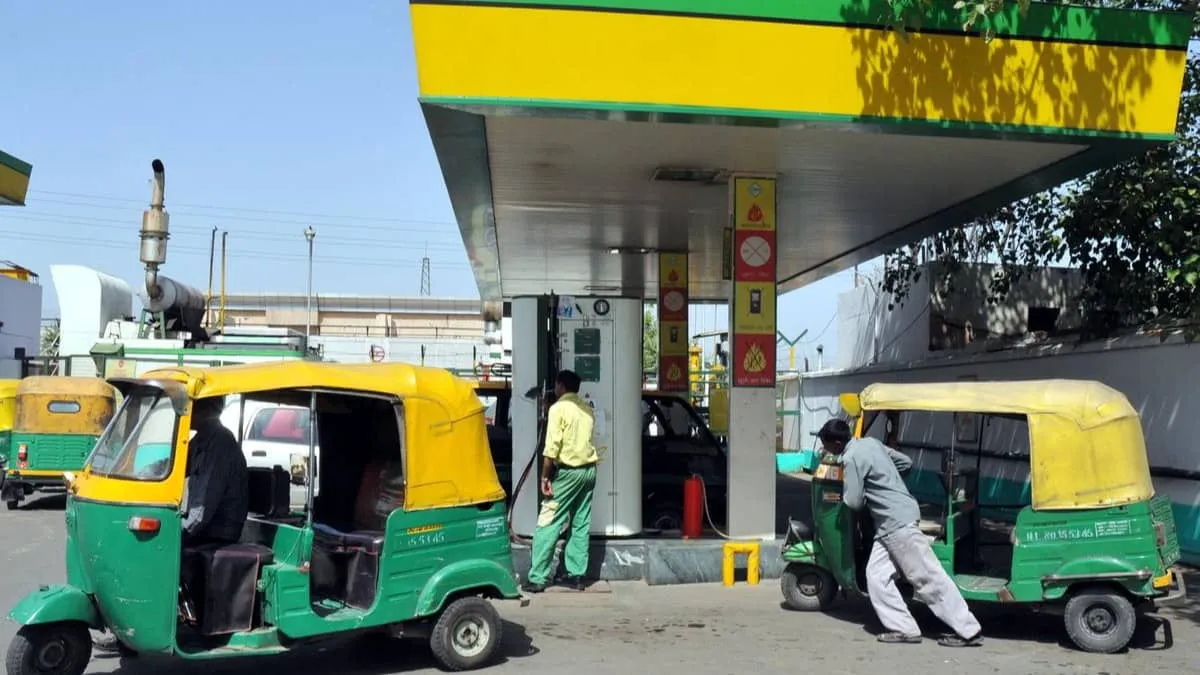
CNG prices have risen by ₹2 per kg in multiple regions, including Mumbai and Delhi, shortly after Oil Marketing Companies increased petrol and diesel rates. In Mumbai Metropolitan Region, the retail price has moved to ₹84 per kg, while Delhi’s rate has climbed to ₹79.09 per kg. The move is linked to higher global crude oil costs and disruptions around the Strait of Hormuz, forcing shipping reroutes and raising concerns about future fuel supplies despite enhanced naval surveillance.
CNG prices in India have been increased by ₹2 per kg in multiple regions after petrol and diesel rates rose amid ongoing disruptions to the Strait of Hormuz, a key oil transit route. With nearly 20% of the world’s oil supply normally passing through the strait, shipping disruptions and tighter LNG flows have pushed crude and fuel costs higher. In the Mumbai Metropolitan Region, CNG now costs ₹84 per kg. Auto-rickshaw and taxi operators are pressing for fare revisions as further increases loom.
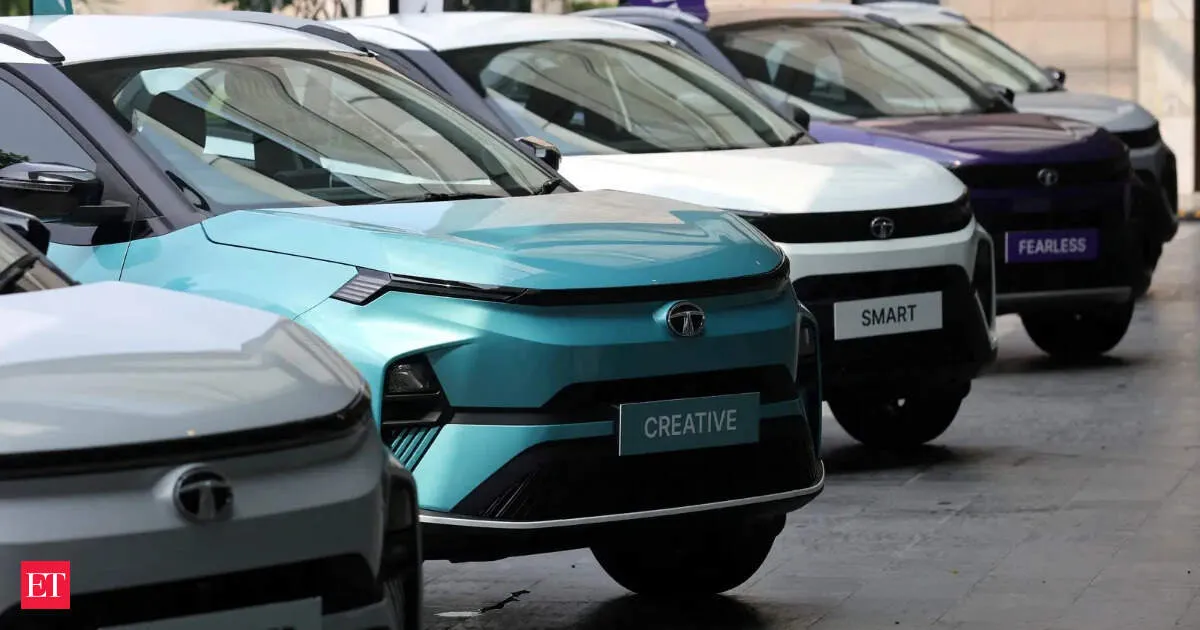
Tata Motors Passenger Vehicles expects India’s passenger vehicle market to grow around 10% in FY27, citing steady demand even as West Asia conflict and the risk of higher petrol and diesel loom. TMPV CEO Shailesh Chandra said any fuel-driven price shock could hit entry-level sales, but may also shift buyers toward CNG and electric vehicles rather than derail momentum. He pointed to strong April-May demand, improved inquiry-to-purchase conversion in May, and said product plans remain unchanged despite rising commodity costs.
Never miss a story
Set alerts for the topics and sources you care about. Download Beige for free.
Tata Motors Passenger Vehicles expects industry-beating growth in FY27, betting on rising demand for SUVs, CNG and electric vehicles to push higher production. The outlook comes after a record FY26, when the company finished second in the passenger vehicle market. Management says it is tracking geopolitical shocks and commodity price moves that could affect performance.
Eicher Trucks and Buses has signed a pact with Cityflo to supply about 2,000 buses over the next three years, including 500 to be deployed in the current financial year. The contract highlights premium configurations such as AC, CNG and next-generation electric bus models, positioning the partnership as a major boost for cleaner, higher-comfort public transport.
Diesel engines still power many Indian SUVs thanks to torque and efficiency, but upcoming BS7 emission standards are expected to raise costs sharply. That may push buyers to reconsider diesel and explore alternatives like CNG, hybrids, or electric vehicles. Automakers are already expanding powertrain portfolios to match shifting regulations and customer preferences.
India’s CNG push, once marketed as a cheaper and cleaner alternative to petrol and diesel, is losing momentum as prices climb. Where CNG used to be cheaper by ₹30–₹60 per unit, it now tracks petrol costs in several cities and can even overtake petrol elsewhere. The big question: what changed in the pricing and supply equation?
Reading on mobile?
Open Beige in the app for a smoother experience — free on iOS and Android.
DPIIT has announced multi-sector regulatory relaxations aimed at strengthening industrial supply chains, focusing on uninterrupted access to fuel, gas, and essential raw materials. The plan includes customs duty waivers, expedited licensing, and quicker processing for CNG and CBG station applications. It also allows temporary storage relaxations for kerosene and imposes a ban on ammonium nitrate exports.
Swipe through stories, personalise your feed, and save articles for later — all on the app.