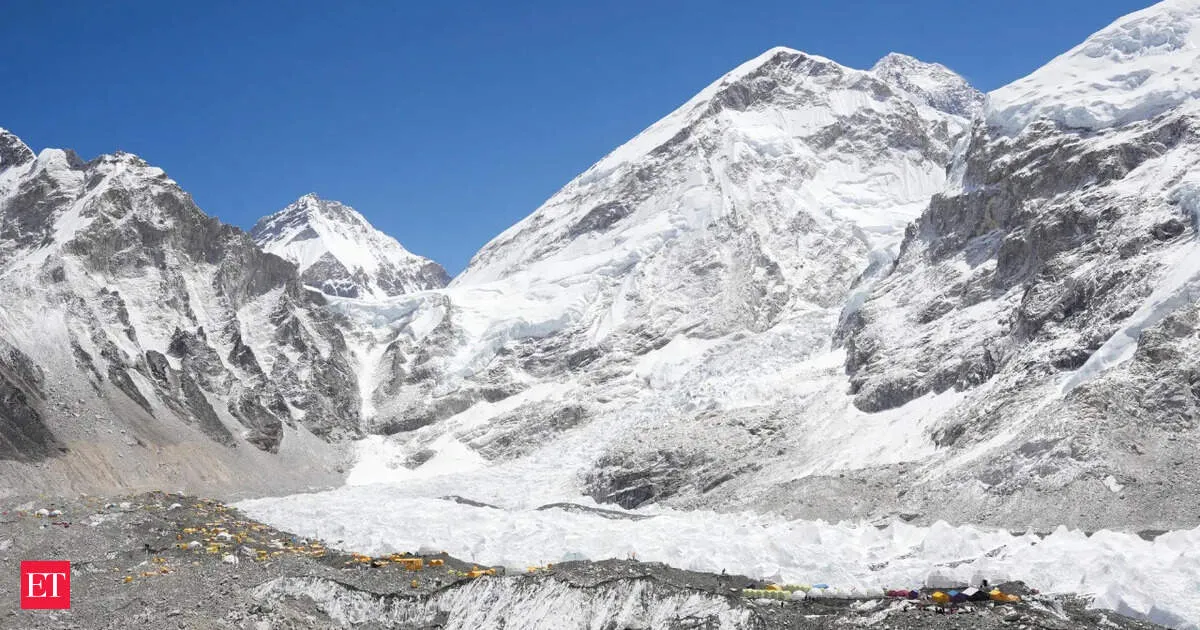
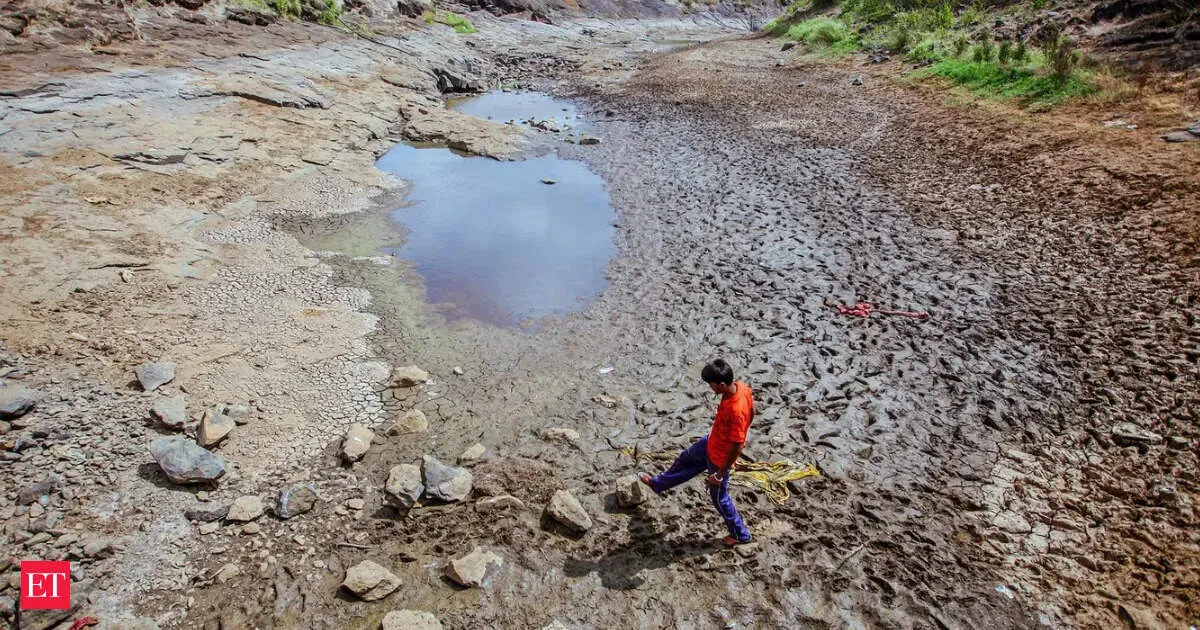
An ICIMOD analysis says the Hindu Kush Himalaya region saw 10 major disasters affecting about 1.2 million people in 2025, with floods and landslides driven by intense monsoon rains across Bangladesh, India, Nepal, and Pakistan. The report warns the growing threat stems from more frequent multi-hazard events occurring together. While deaths and people affected have declined after 2013, analysts caution that data gaps remain. Economic losses were over $6 billion in 2024, highlighting huge stakes for preparedness.
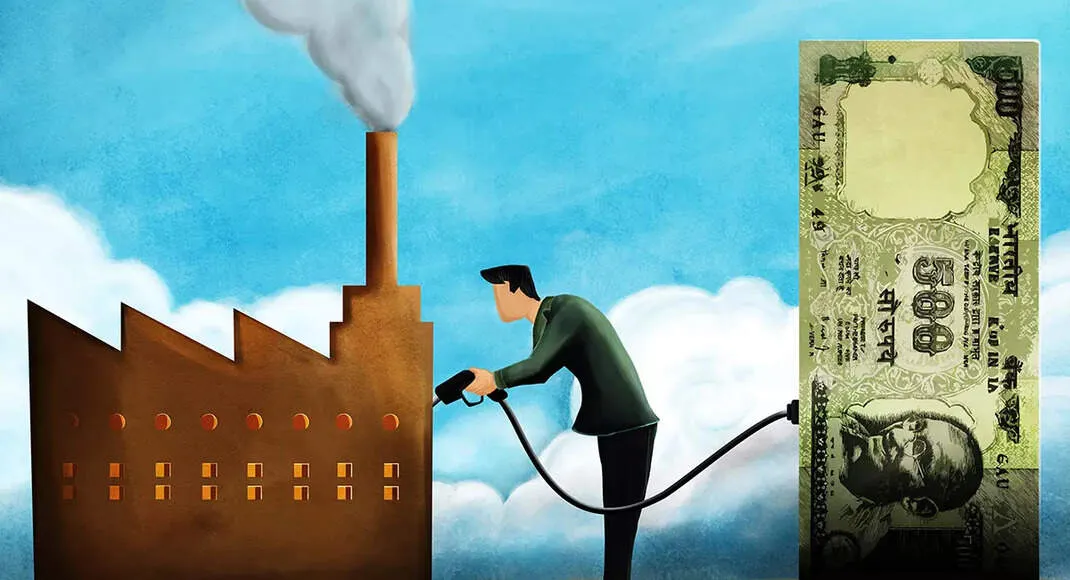
India’s biggest banks are publishing increasing climate disclosures, but the data is not being used to steer lending decisions. As physical risks like flooding and extreme heat intensify, they threaten loan portfolios. Only a small number conduct climate stress tests or reduce coal exposure. The RBI supplies information but has not made disclosures mandatory, raising fears of financial instability and stranded assets.
Your news, in seconds
Get the Beige app — every story in 60 words, updated hourly. Free on iOS & Android.
The National Green Tribunal has asked the Centre and other agencies for responses over the threat from hanging glaciers in the central Himalayas. A recent study flags unstable glaciers on steep slopes, raising fears of avalanches and downstream disasters. It also notes a sharp increase in how many people are exposed as high-altitude development expands into vulnerable zones.
Indian public-sector banks are highly exposed to climate risk because their lending is concentrated in energy, metals, and mining. While a few banks have started taking small steps, many still under-assess how climate change affects their portfolios and fail to manage the environmental impact of their operations—leaving deposits indirectly linked to rising emissions.
Swipe through stories, personalise your feed, and save articles for later — all on the app.