Anand Mahindra praised Jodhpur’s net-zero cooling shelter, built under the Heat Action Plan by Mahila Housing Trust and Jodhpur Nagar Nigam. Using passive features like reflective roofs, insulation, khus curtains, solar panels and wind towers, it can cut temperatures by up to 8°C even during 50°C heat—offering shade, water, ORS and basic first aid for outdoor workers and vulnerable residents.
Pakistan has received a USD 1.3 billion IMF disbursement through two funding streams: the Extended Fund Facility and the Resilience and Sustainability Facility. The central bank said the package is meant to support economic stabilization while also tackling climate-related challenges as part of the IMF’s broader resilience agenda.
Your news, in seconds
Get the Beige app — every story in 60 words, updated hourly. Free on iOS & Android.
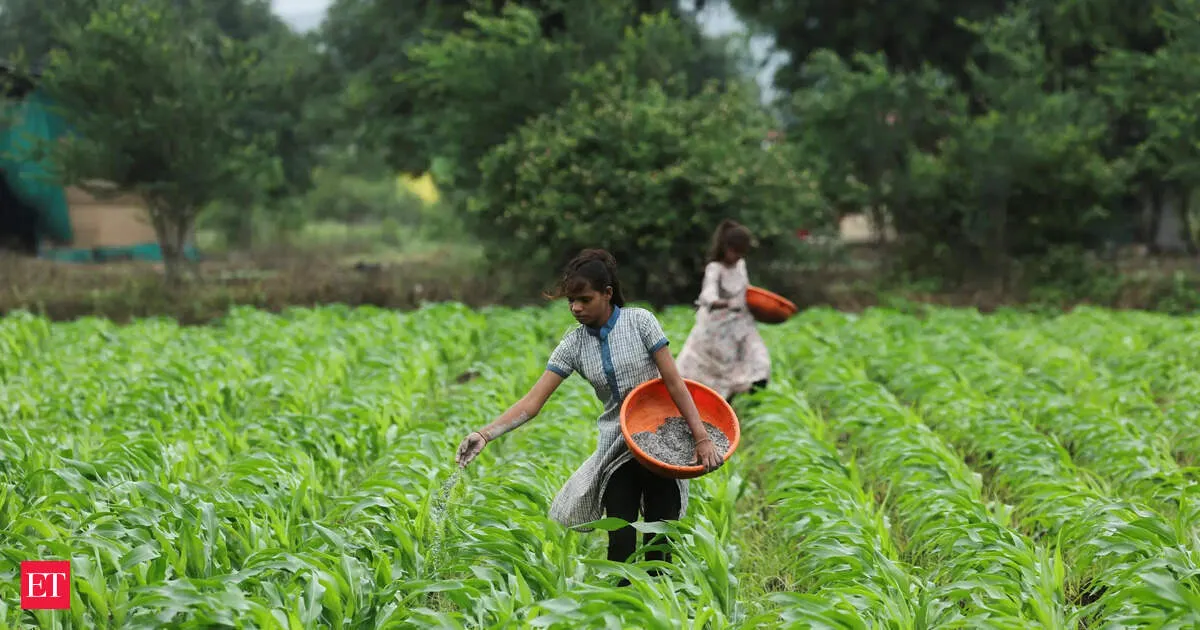
India has partnered with IFAD to launch an eight year rural development programme running from 2026 to 2033. The initiative aims to raise rural incomes while strengthening community resilience amid environmental uncertainties. It focuses not only on social and economic improvements, but also on advanced knowledge systems to help regions adapt and thrive, aligning with India’s Viksit Bharat 2047 goals.
India has released 2,996 climate-resilient crop varieties between 2014 and 2025, led by the Indian Council of Agricultural Research. The push also includes complementary farming practices and support under the National Innovations on Climate Resilient Agriculture. Vulnerability assessments have pinpointed 310 highly vulnerable districts, while Climate Resilient Villages are being set up to scale the solutions.
Mission Mausam, a ₹2,000 crore initiative approved by the Union Cabinet, aims to make India truly weather-ready from 2024–2026. The Ministry of Earth Sciences plans to cut forecasting resolution to 6 km for panchayat-level predictions, using next-gen radars, HPC systems, and AI/ML models to deliver hourly nowcasts. It also links weather data to air quality and disaster decision-making.
India’s agriculture output hit a record 357 million tonnes in 2024-25, according to Jammu and Kashmir Lieutenant Governor Manoj Sinha. He called on scientists and stakeholders to build climate resilience through bold, science-led, farmer-focused transformation, including policies that back climate-adapted crop varieties. The push aims to strengthen farms as the foundation of civilization and economies.
Never miss a story
Set alerts for the topics and sources you care about. Download Beige for free.
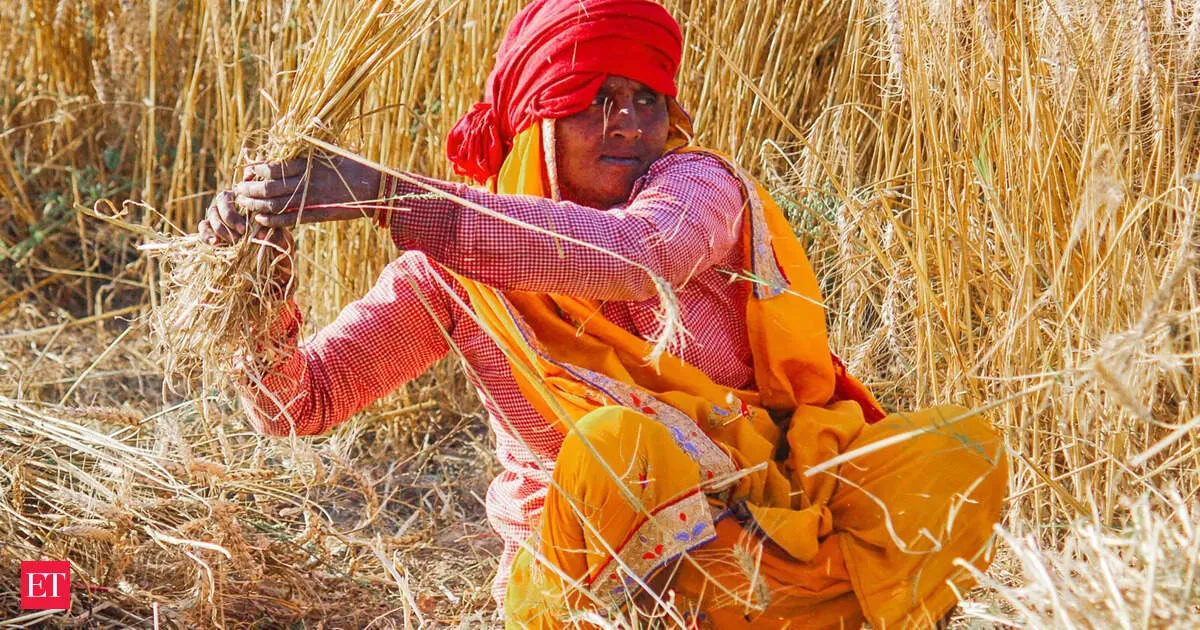
Climate change impacts women disproportionately, not just through greater exposure to heat and disasters, but also because many are excluded from decision-making. The article argues that equitable climate resilience depends on empowering women with better access to resources, finance, and leadership roles. India’s steps like training Climate Champions and using heat insurance point to a more gender-smart response.
Swipe through stories, personalise your feed, and save articles for later — all on the app.