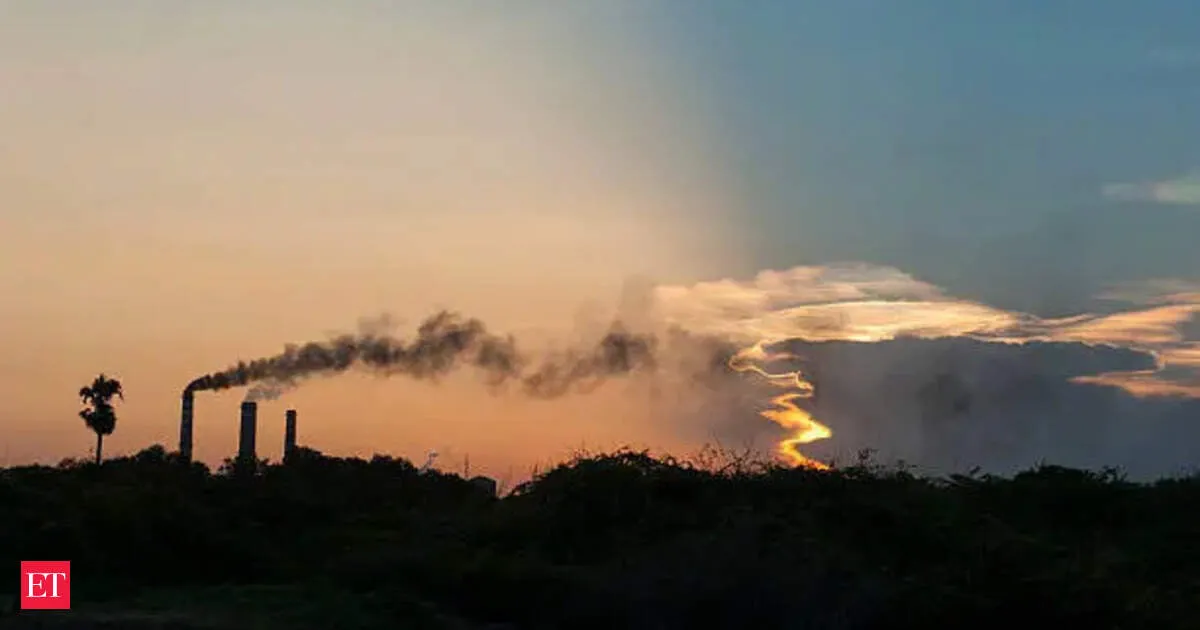
India’s power ministry plans to push a ₹20,000 crore carbon capture scheme to the Cabinet, with approval expected by July. The program targets emission cuts from major sectors including power, steel, and cement, aiming to accelerate decarbonisation while keeping pace with growing energy demand. If cleared, it could reshape how high-emitting industries reduce their footprint.
Spain’s Almaraz nuclear plant, the country’s largest, was slated to shut by 2028. Now, fresh energy shortages have thrown the timeline into doubt, igniting heated debate over whether the plant should keep running longer. Local communities that have prepared for closure are watching policy makers weigh climate goals against immediate electricity needs.
Your news, in seconds
Get the Beige app — every story in 60 words, updated hourly. Free on iOS & Android.
France has released a detailed roadmap to stop using fossil fuels across its economy. Coal is slated to end by 2030, oil by 2045, and gas by 2050—each with a firm deadline. The plan was announced at an international conference in Santa Marta, Colombia, aimed at accelerating the shift away from planet-heating fuels.
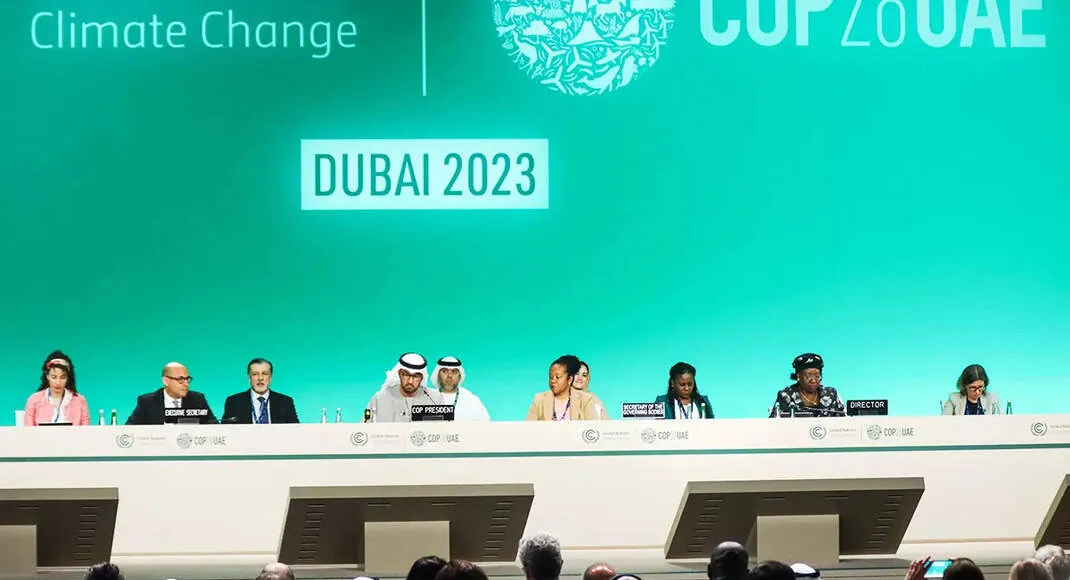
COP28 offered India a stronger platform to argue for coal as a long-term necessity, contrasting developed nations that rely more on oil and gas. India maintained that coal will help meet rising energy demand while renewable capacity expands. The takeaway: the transition to cleaner power is underway, but not at the cost of immediate energy security.
Expanding nuclear power seems like an obvious route to reliable, always-on zero-emissions electricity, but opposition in Europe, Japan, and the US persists. Despite that resistance, the momentum for new nuclear construction is shifting to Asia, with China, India, and South Korea leading, while Russia and Turkey also add more plants.
Carbon dioxide removal (CDR) is increasingly under scrutiny because it is costly and treated like “invisible waste management” rather than an essential product. The result: few actors are willing to pay for a public good today, threatening long-term sustainability of carbon-removal efforts and potentially slowing climate progress.
Never miss a story
Set alerts for the topics and sources you care about. Download Beige for free.
UltraTech and Dalmia are moving toward greener cement using blended mixes, renewable power and newer technologies, aiming to cut the sector’s heavy carbon footprint. But progress is slowed by high production costs, soft demand and limited government support. With no clear pull from buyers, India’s push for green cement faces a fundamental adoption question.
Swipe through stories, personalise your feed, and save articles for later — all on the app.