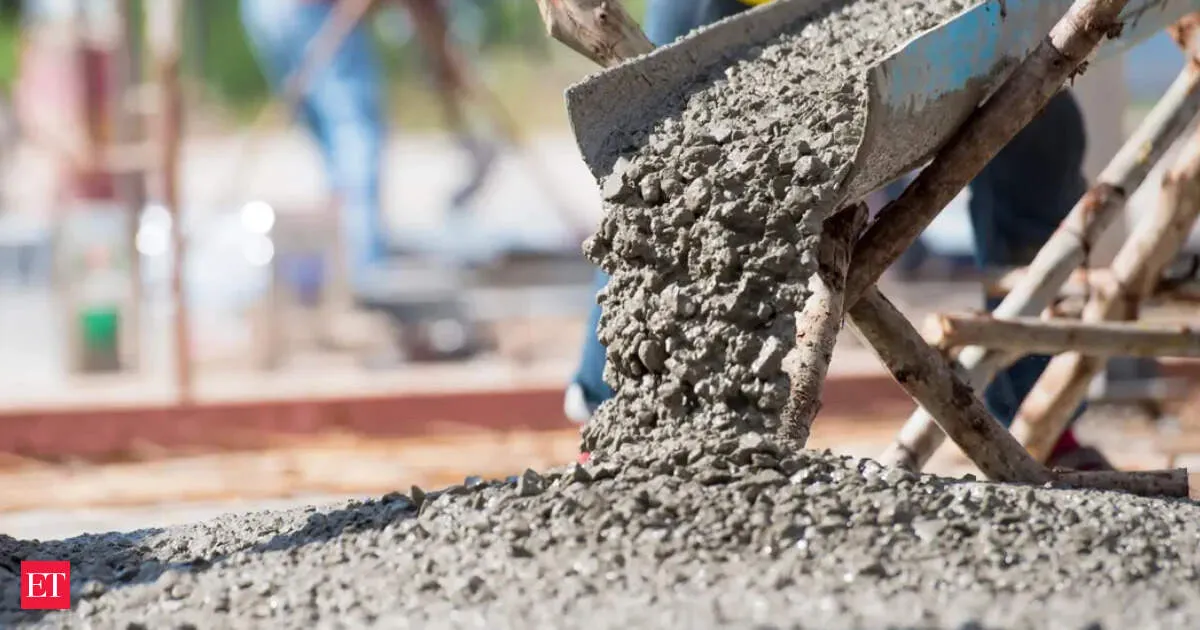
A new study argues the cement industry could dramatically cut emissions by switching raw materials. Instead of limestone, scientists propose using carbon-free, calcium-rich silicate rocks like basalt. Because limestone must be heated above 1,500°C—releasing large amounts of CO2—basalt-based production could cut emissions by more than 80% in theory, and by over 25% even with today’s fossil-fuel-heavy energy. The research also suggests existing technologies could enable the change, producing standard Portland cement.
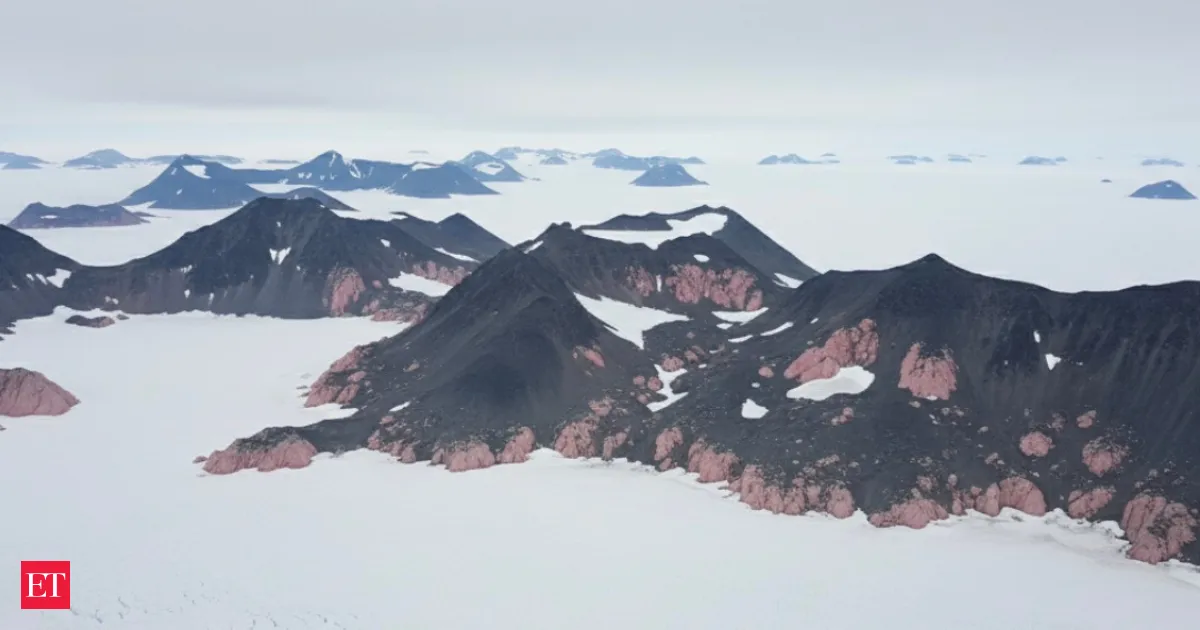
Bright pink granite boulders on Antarctica’s Hudson Mountains were the clue to something far larger beneath the ice. Using aerial gravity mapping and geology analysis, researchers found a massive granite formation about 100 kilometers wide and 7 kilometers deep under the Pine Island Glacier. The result could refine understanding of Antarctic geology and how this glacier influences sea level projections.
Your news, in seconds
Get the Beige app — every story in 60 words, updated hourly. Free on iOS & Android.
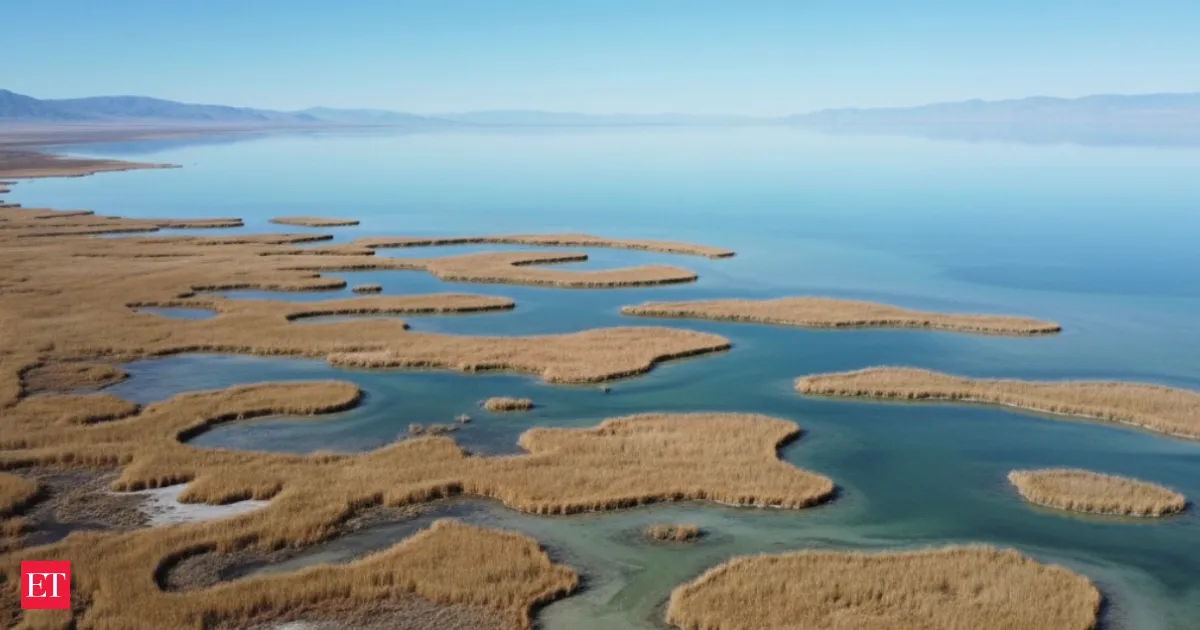
A new study using airborne electromagnetics and satellite imagery reveals a vast underground freshwater system extending kilometers beneath Utah’s Great Salt Lake. The discovery challenges the belief that the basin’s extreme salinity dominates underground conditions. Researchers say the hidden water could reshape approaches to managing exposed sediment and related air pollution, but experts warn against careless pumping that could trigger unintended environmental effects.
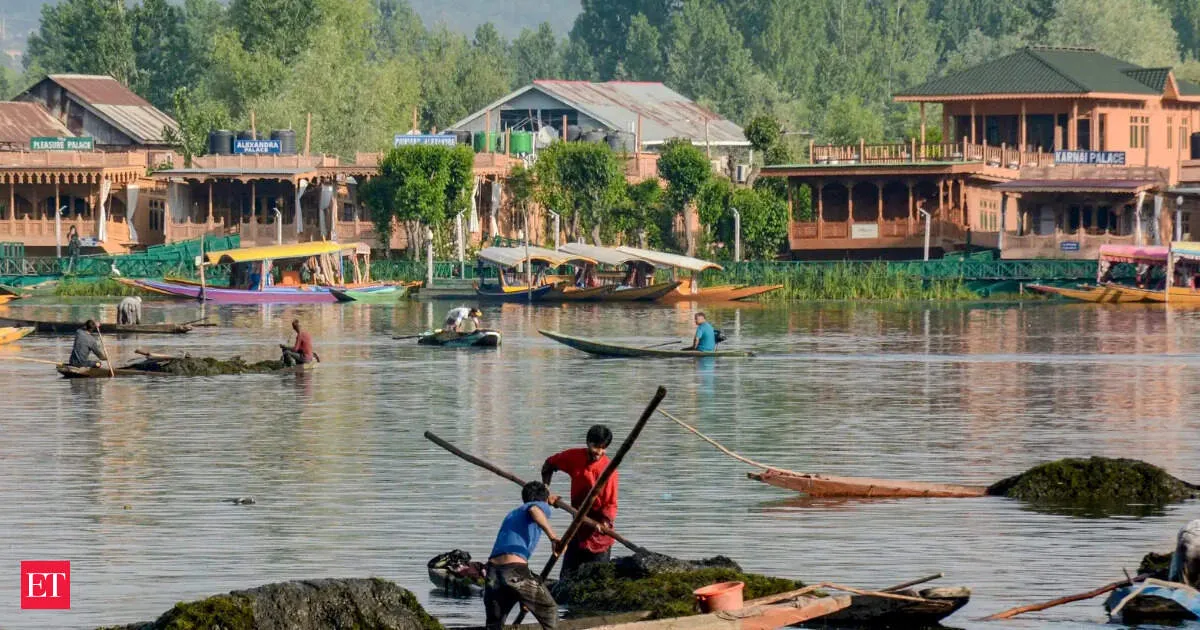
Jammu and Kashmir is confronting a growing water crisis after a 26% rainfall shortfall recorded since March 1. Several districts have received far less precipitation than usual, while only a handful have seen near-normal levels. With water resources under pressure, the region’s supply for the coming months is now at risk.
India is moving away from high climate impact refrigerants as HFOs begin replacing older HFCs in the US and Europe. Under the Montreal Protocol, India is expected to shift toward lower global warming gases, and Bharat Ram says the country won’t need to rely on foreign suppliers for the next generation refrigerant gas.
Paleolatitude.org has been upgraded with new capabilities to track continental drift and Earth’s pole shifts over the last 320 million years. Using the Utrecht Paleogeography Model and data from paleomagnetism and geology, the tool rebuilds past climates and helps researchers connect those shifts to long-term biodiversity patterns and ecosystem responses to change.
Never miss a story
Set alerts for the topics and sources you care about. Download Beige for free.
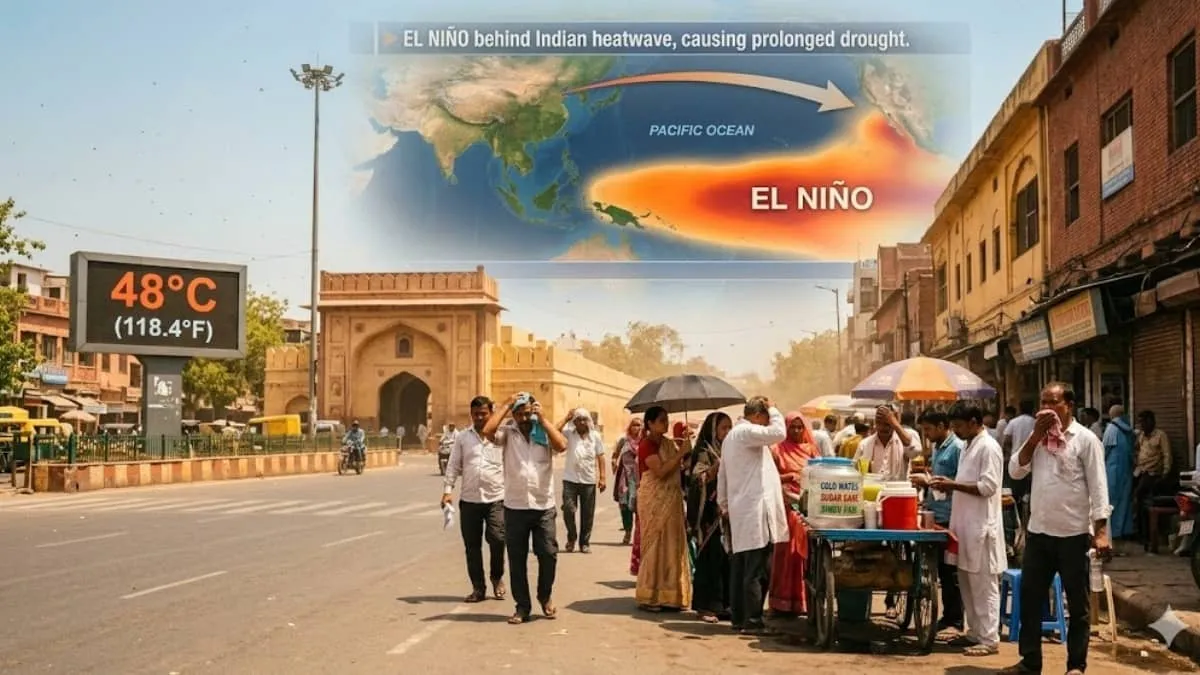
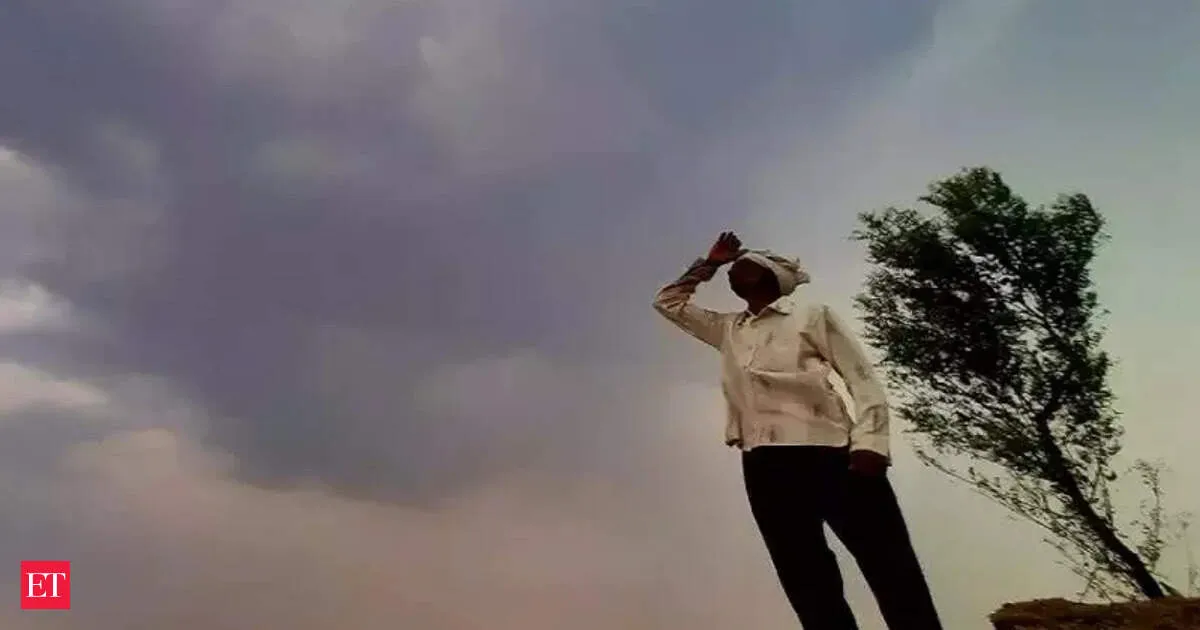
Scientists are increasingly warning that the current heat may be more than a typical hot season. They’re watching for a possible Super El Niño, a stronger version of the El Niño Southern Oscillation that can shift weather patterns for months—and sometimes even years—changing what “normal” looks like across regions.
Snakes don’t keep a fixed timetable—temperature does. In Texas-like heat, they’re more active in the evening, while cooler conditions push daytime movement. Researchers say their behavior follows environmental cues rather than an internal clock, which is why sightings can feel random. Knowing this shift can better explain when encounters are most likely.
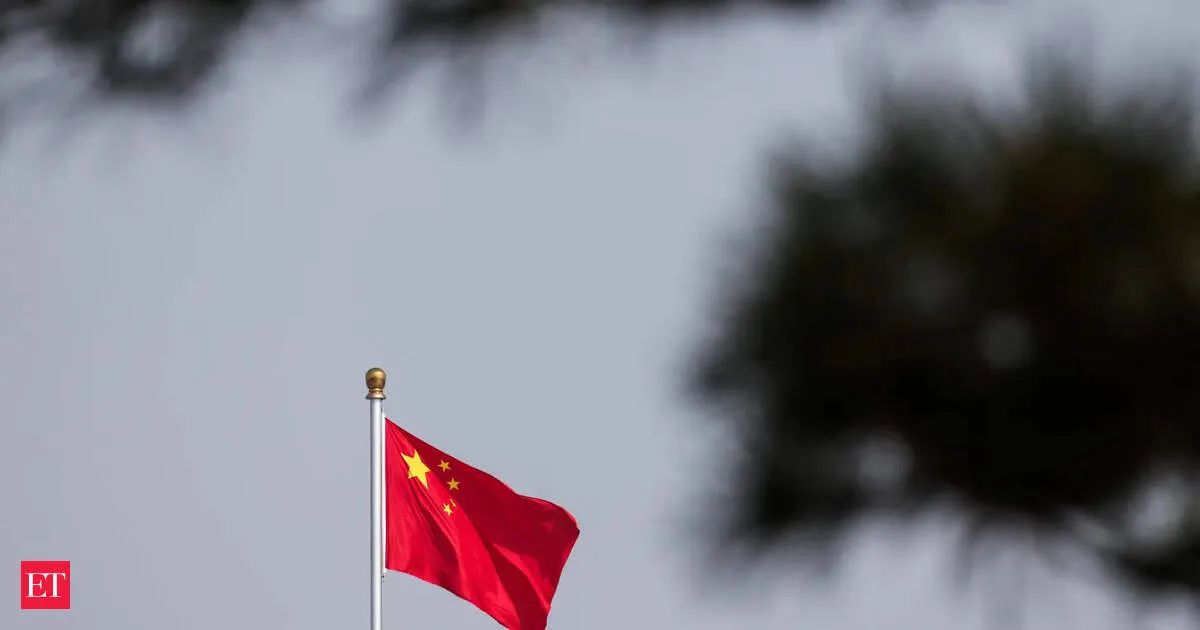
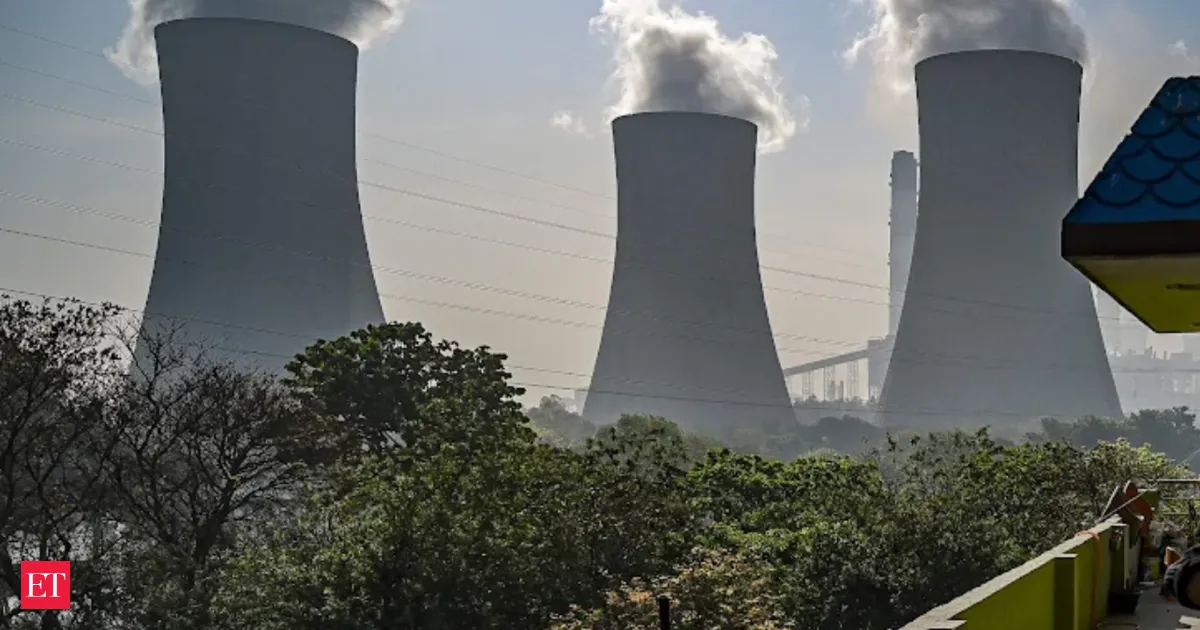
China is reportedly preparing to build up to 50 nuclear reactors simultaneously, aiming to expand low-carbon power and cut reliance on fossil fuels. The country already runs 60 reactors and has more under construction, with nuclear capacity projected to climb toward 200 GW by 2040 as its technology advances quickly.
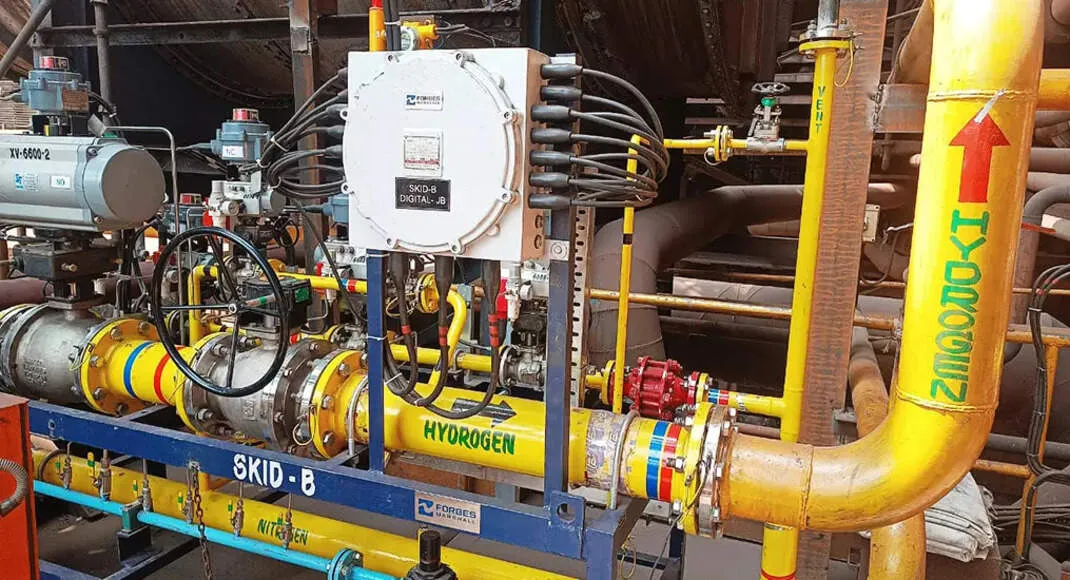
With India’s steel sector responsible for around 35% of industrial CO2 emissions, Tata Steel and JSW Energy are pursuing green hydrogen to produce low-carbon steel. The move could reshape one of the hardest industries to abate, but it comes with massive infrastructure and financing requirements. The question: can their roadmap scale across the sector?
Reading on mobile?
Open Beige in the app for a smoother experience — free on iOS and Android.
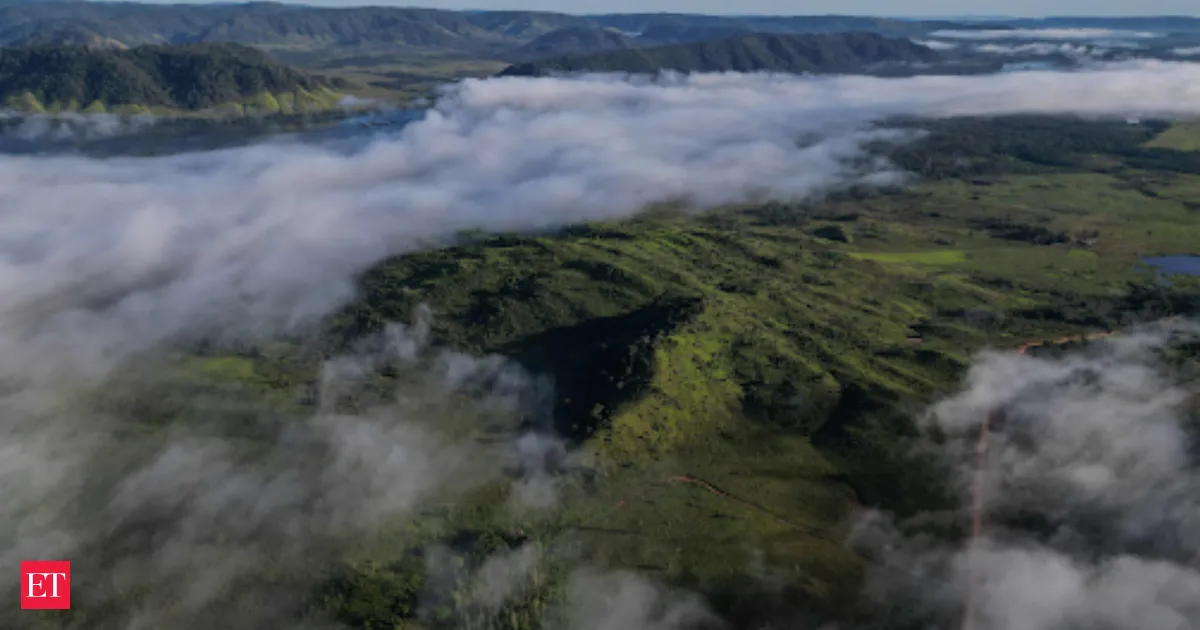
Ahead of COP30, analysts warn that AI-generated disinformation is shaping what people think is happening at the summit. A widely shared clip claiming the host Amazon city is flooded has been flagged as fabricated, with its creator apparently making up not just the flood, but also the reporter, residents, and even the location itself.
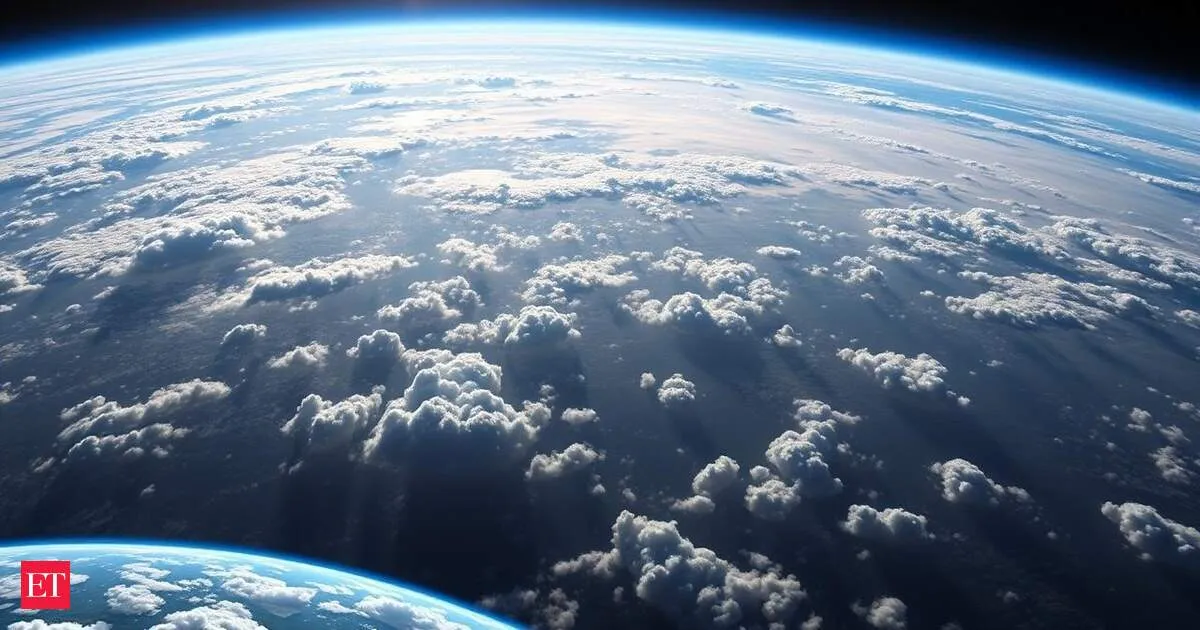
A new WMO report says the Earth’s ozone layer is on a clear recovery path, projected to return to 1980s levels by mid-century. The shift is attributed to the Montreal Protocol, which curbed ozone-depleting substances. Early signs show up in a smaller 2024 Antarctic ozone hole, but scientists warn that long-term monitoring is still essential for full healing.
Forecasters warn a strong El Nino is likely in the second half of 2026, bringing hotter, drier conditions across Asia. The outlook raises risks for crops and food supplies, as farmers may struggle with fertilizer shortages and high fuel costs. India is bracing for below-average monsoon rains, Southeast Asia could see weaker palm oil and rice output, and China faces a higher flood risk.
Amazon has emerged as India’s biggest corporate buyer of renewable energy, accelerating with seven utility-scale signups since September 2022. The company is also aiming for 100% renewable electricity globally by 2025. But its rise wasn’t frictionless, as early steps in India’s corporate green power market exposed teething issues even amid rapid expansion.
Follow your favourite sources
Track sources, tags and categories — all in the Beige app.
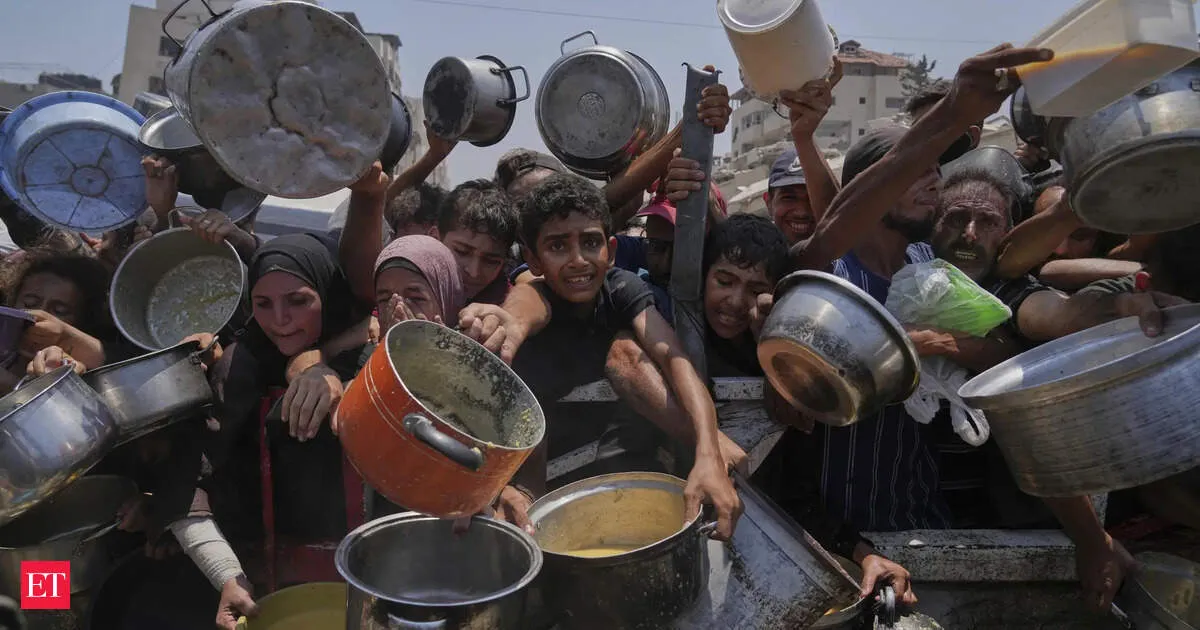
A UN-backed report says two-thirds of the world’s most severe food crises last year were concentrated in just 10 countries. Sudan, Nigeria, and the Democratic Republic of Congo accounted for a third of the burden. Conflict is identified as the main driver, and 2026 looks worse as fighting continues alongside climate extremes.
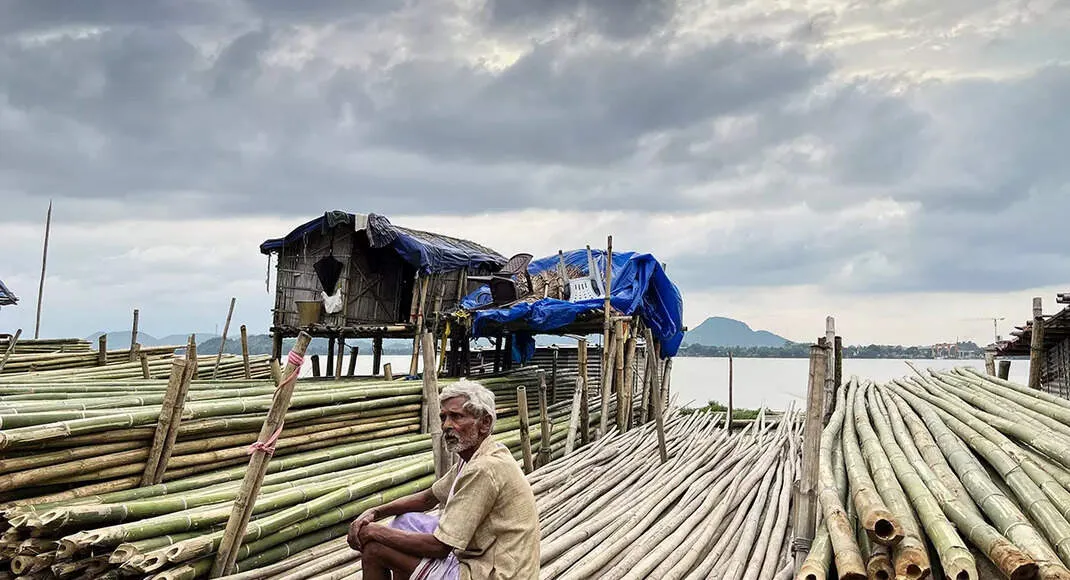
Bamboo producers and sector players are pushing a climate-focused shift for India’s construction and real-estate industry. Their argument: bamboo can replace high-carbon materials, helping reduce emissions while supporting a pathway beyond net zero. If adopted at scale, bamboo may turn a low-cost renewable resource into a practical decarbonization lever for the built environment.
A new report warns that fossil fuels harm health across the entire chain—starting with extraction and transport, then worsening as fuels are burned. The damage can begin before birth and persist until death, with the poorest communities facing the greatest risks. It also points to threats from pipeline leaks and major oil spills beyond air pollution alone.
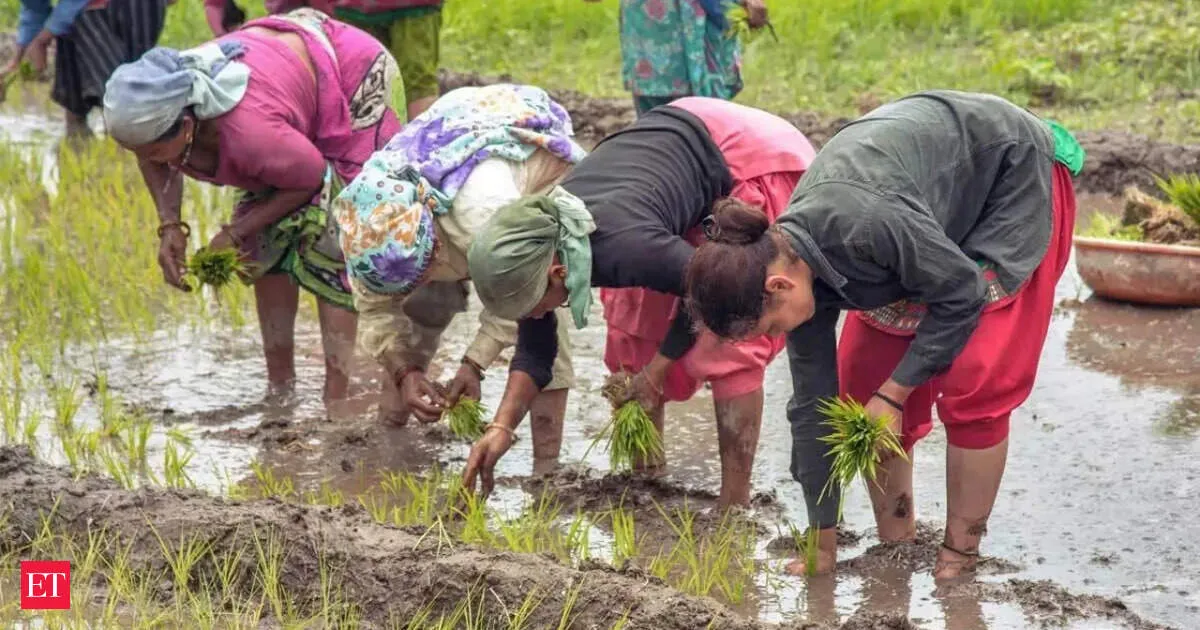
Amazon has agreed to pay $30 million for carbon credits produced by Indian rice farmers through the Good Rice Alliance. The programme is backed by Bayer, Temasek’s GenZero, and Shell. The deal is touted as one of the biggest agricultural carbon credit transactions worldwide and the first large-scale one of its kind in India.
Stay informed on the go
Bite-sized news from 100+ trusted sources, right in your pocket.
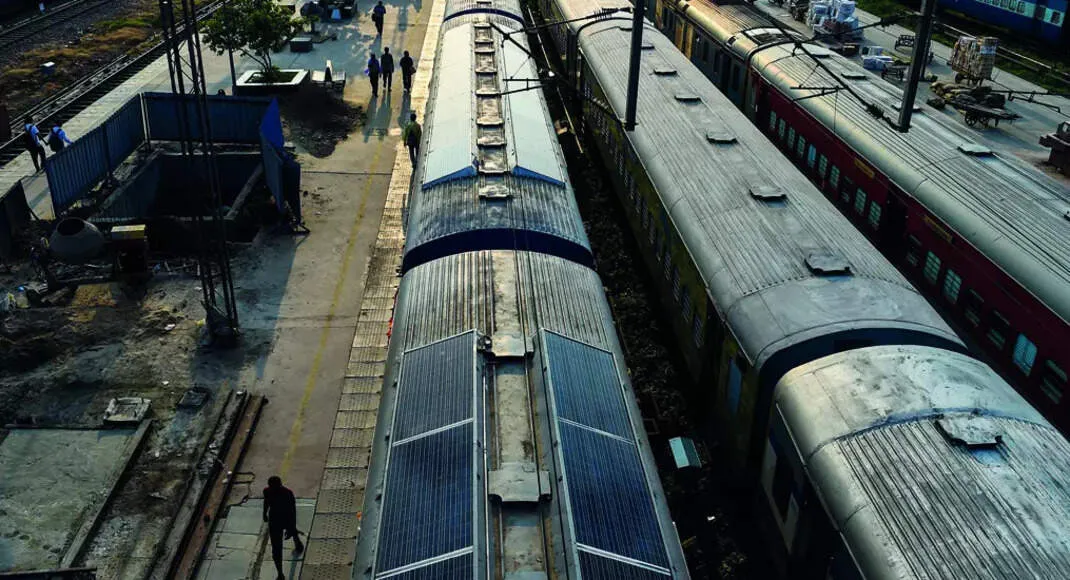
Indian Railways wants to reach carbon neutrality by 2030 using a mix of electrification, renewables, and water conservation. But it also plans to meet about half its net-zero target by planting 3 billion trees. The catch: carbon offsetting through plantations is increasingly questioned worldwide over whether it reliably delivers long-term emissions cuts.
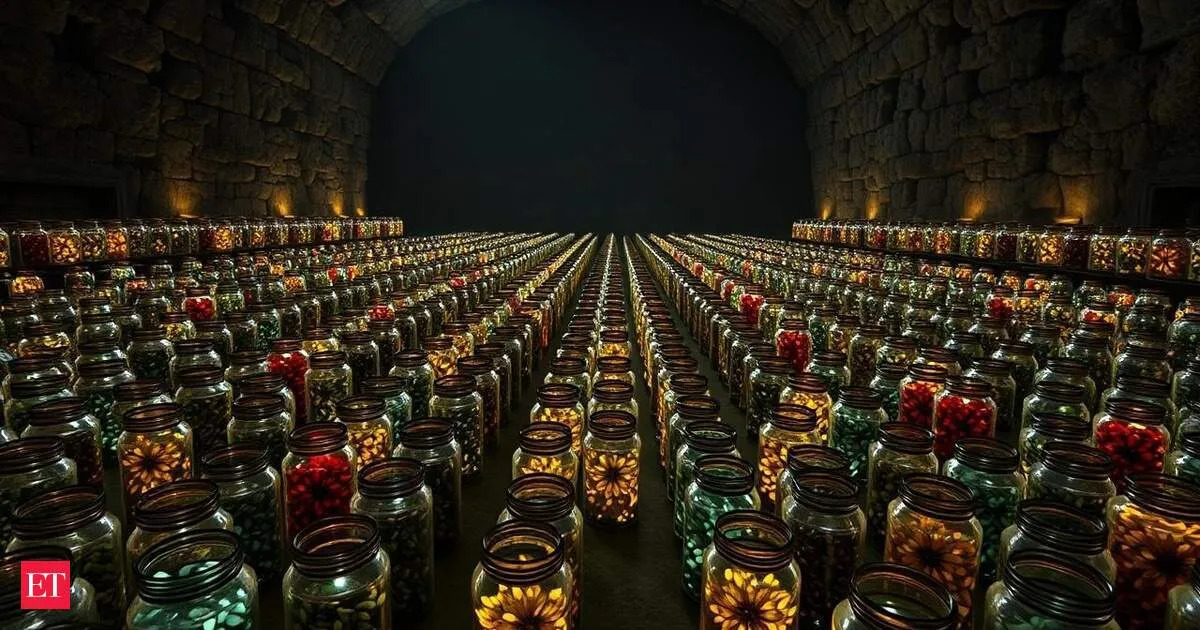
Beneath England’s countryside, the Millennium Seed Bank is marking 25 years of storing more than 2.5 billion wild plant seeds—an insurance policy against extinction. Opened by King Charles III, the facility is not just preserving biodiversity but improving techniques to safeguard ecosystems and support restoration worldwide as environmental pressures mount.
Swipe through stories, personalise your feed, and save articles for later — all on the app.