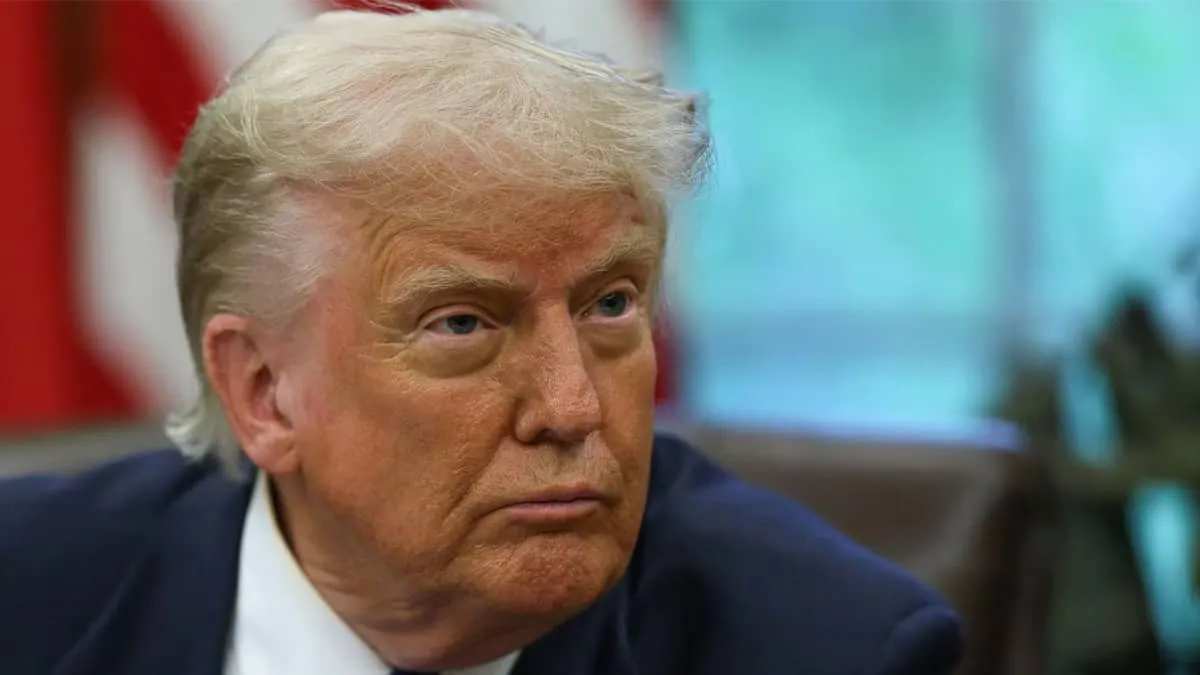
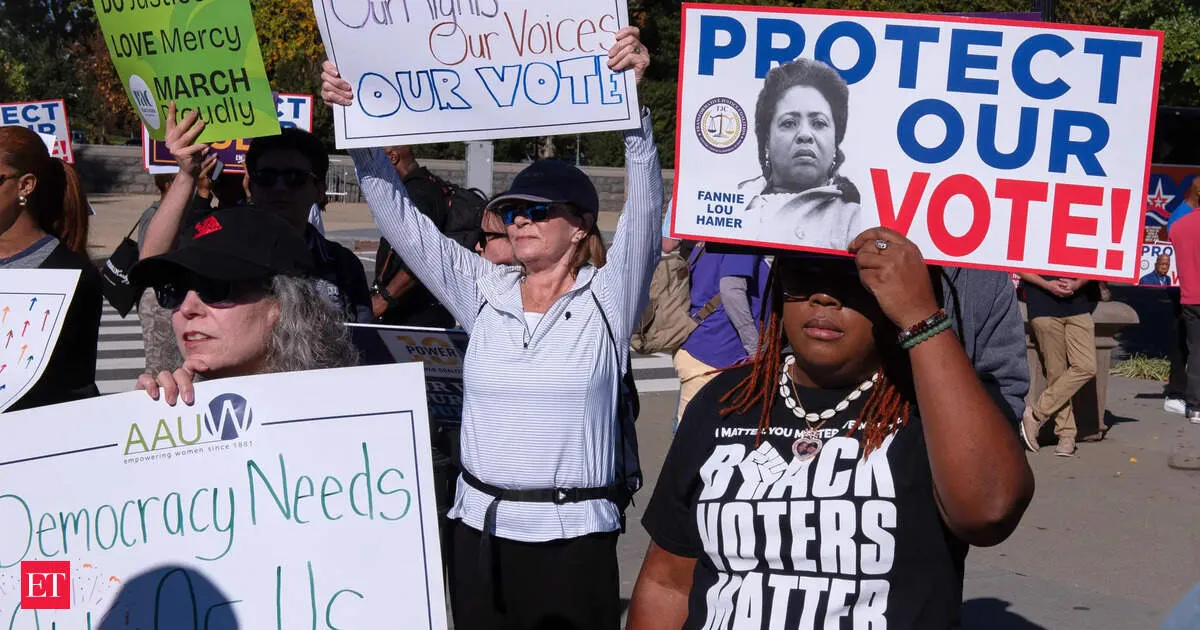
Democrats and civil rights groups urged federal judge Carl Nichols to block President Donald Trump’s March 31 executive order restricting mail voting, arguing the president cannot rewrite election rules that the Constitution assigns to states and Congress. Nichols heard arguments but made no ruling from the bench. The challenge comes as primaries run and election officials prepare for fall midterms. Lawyers say the order would pressure states to limit ballot access, while the Justice Department calls the case “shadowboxing” before required lists are created.
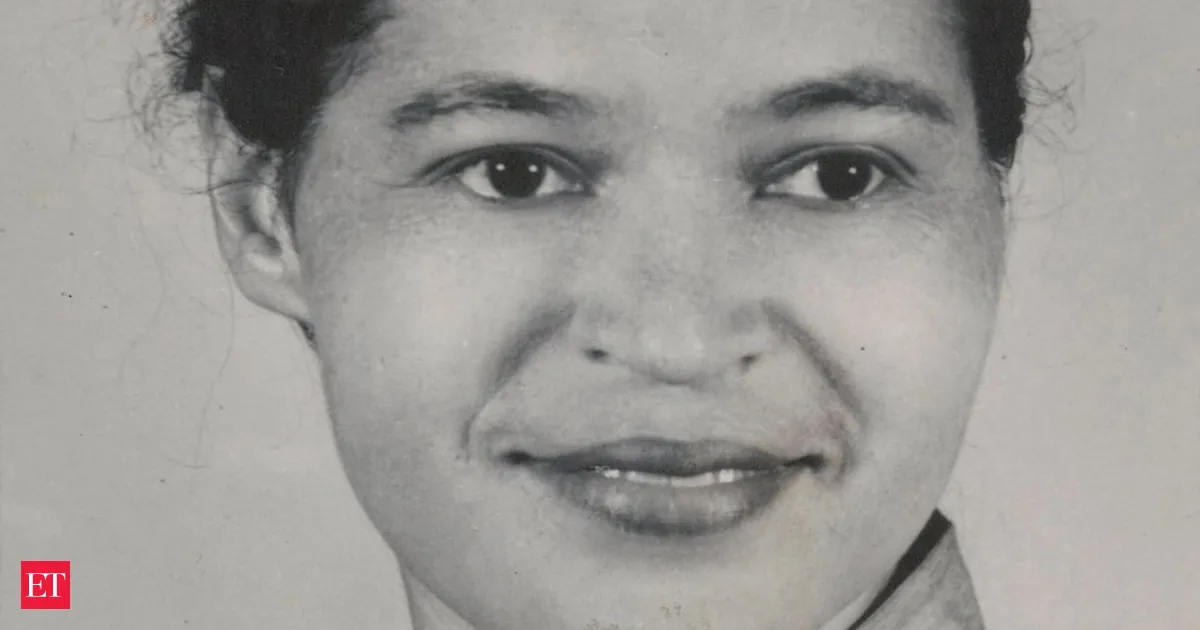
In 1955, Rosa Parks refused to give up her seat on a Montgomery bus, sparking an organized 381-day boycott led by the Black community. The protest directly challenged segregation laws, pressured the bus company, and captured national attention. Its success highlighted the power of peaceful collective action and became a catalyst for the wider U.S. Civil Rights Movement.
Your news, in seconds
Get the Beige app — every story in 60 words, updated hourly. Free on iOS & Android.
The US Supreme Court, in a 6-3 ruling authored by Justice Alito, struck down a majority-Black congressional district in Louisiana as an unconstitutional gerrymander. By weakening a cornerstone Civil Rights-era protections, the decision could enable more Republican-friendly redistricting. Much of the impact may land after filing deadlines have passed, with major effects expected by 2028.
A new US bill called the SACRED Act would create a 100-foot buffer zone around places of worship. The proposal seeks to criminalize harassment and intimidation within that area at the federal level. Introduced by Congressmen Tom Suozzi and Max Miller, it has backing from multiple religious and civil rights groups, arguing it will better protect worshippers and reduce targeted incidents.
Florida immigrant rights groups are fighting proposed rules that would require proof of citizenship or lawful presence for enrollment in state colleges and adult education programs. Supporters say it clarifies eligibility, but opponents argue it could disrupt students already studying, raise barriers to workforce training, and trigger wider economic and social harm.
Edward Blum, a 71-year-old conservative legal strategist, is set to argue before the US Supreme Court against “race-conscious” university admissions policies. His appeal challenges how colleges consider race in admissions decisions, raising high-stakes questions about fairness and constitutional limits. The hearing could reshape the legal boundaries for campus diversity efforts across the US.
Never miss a story
Set alerts for the topics and sources you care about. Download Beige for free.
Swipe through stories, personalise your feed, and save articles for later — all on the app.