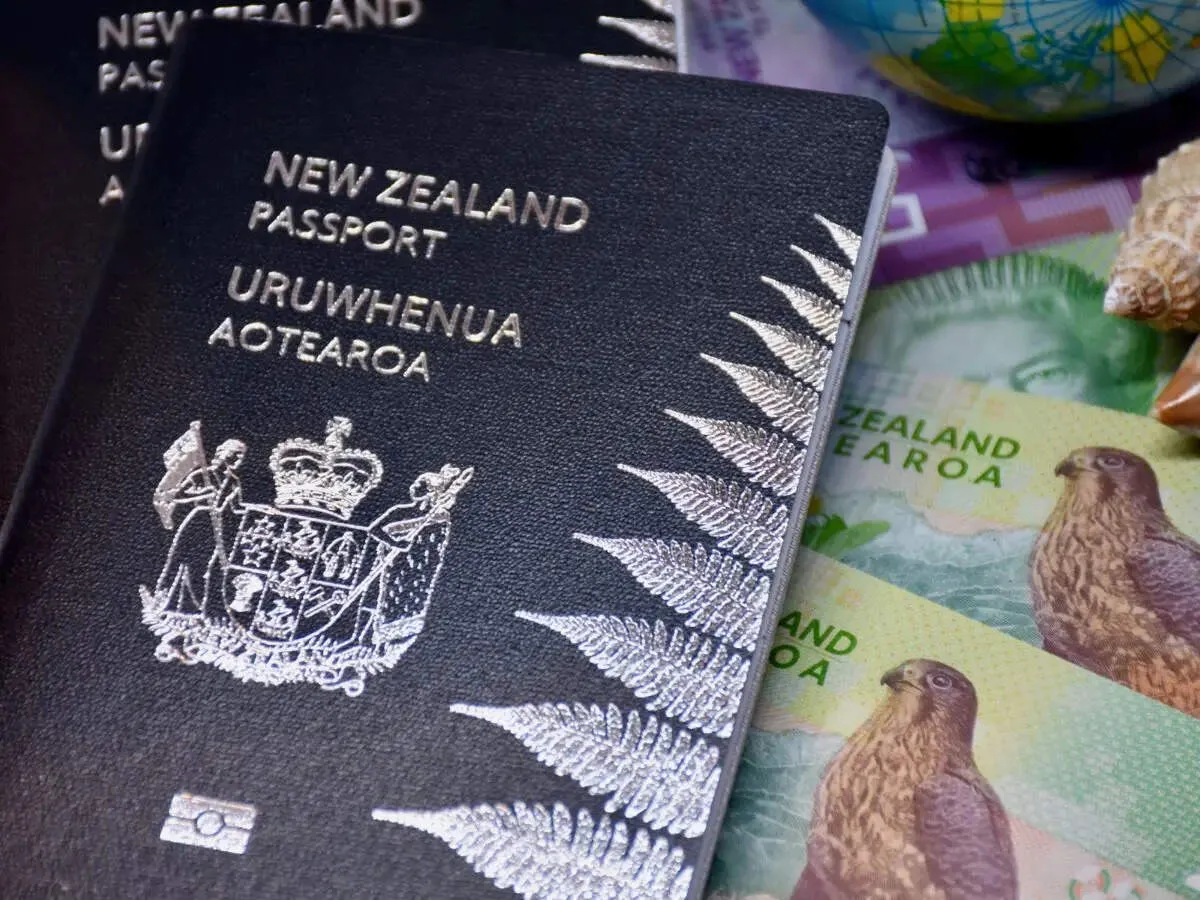
New Zealand’s government has announced a mandatory citizenship test starting in 2027, prompting many migrants to apply earlier than planned. The test will include 20 questions on civic rights and democratic values. Supporters say it strengthens integration, but critics warn of added costs, language hurdles, and extra challenges for refugees and people with learning or accessibility needs.
New Zealand plans to introduce a citizenship test for migrants starting in late 2027. Applicants will need to answer at least 15 out of 20 multiple-choice questions covering the Bill of Rights Act, human rights, and democratic principles. The government says the move will help ensure future citizens understand both their responsibilities and privileges before gaining citizenship.
Your news, in seconds
Get the Beige app — every story in 60 words, updated hourly. Free on iOS & Android.
Canada is strengthening oversight of immigration and citizenship consultants starting July 15, introducing new regulations focused on transparency and fraud prevention. The College of Immigration and Citizenship Consultants will be granted greater authority to enforce standards and penalize unethical conduct. The move aims to ensure applicants receive more reliable guidance when planning their move and future in Canada.
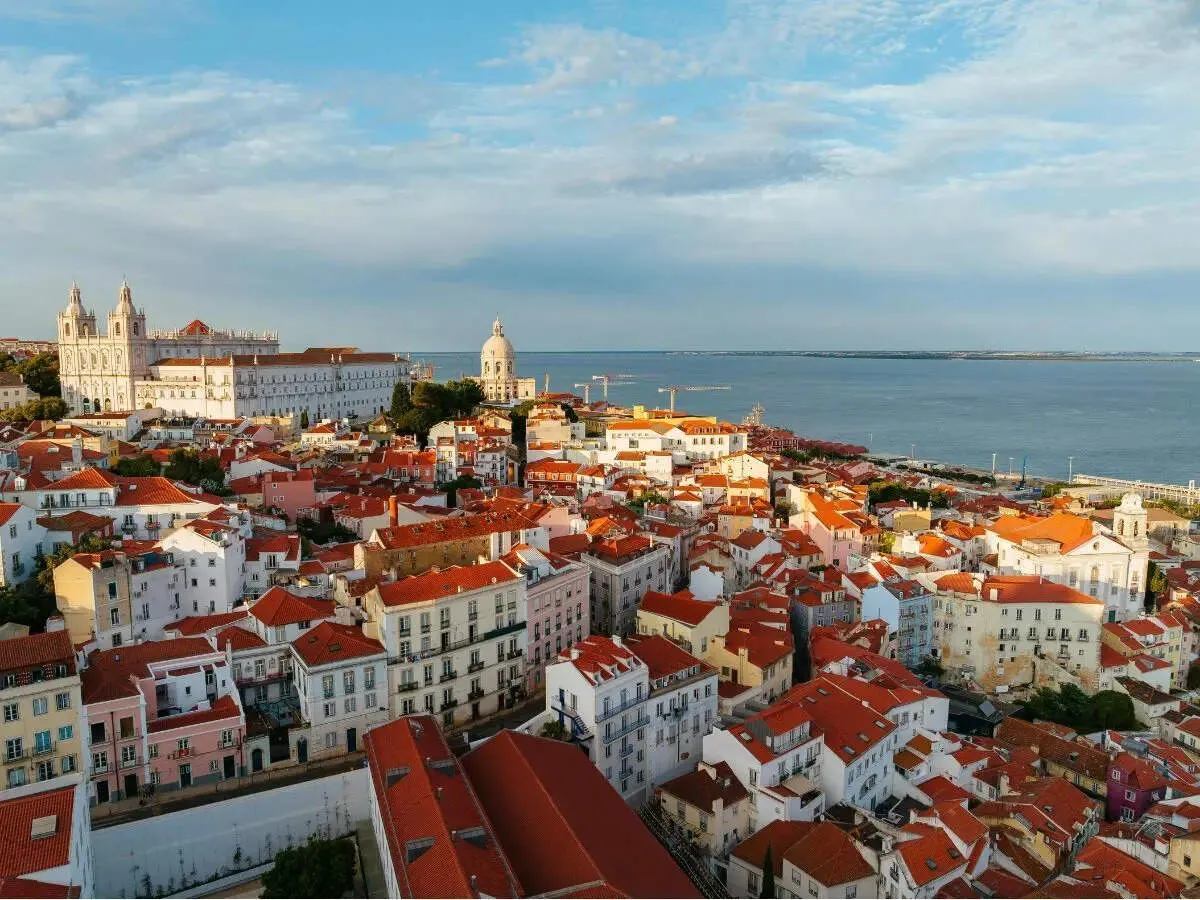
Portugal has tightened its path to citizenship by extending the minimum residency requirement from five years to up to 10 years for most foreign nationals. The policy is designed to ease pressure on public services and also affects the country’s “golden visa” route. Reportedly, existing applications are not impacted by the new legislation.
Bahrain has revoked citizenship for 69 people, saying they showed sympathy for Iran’s hostile actions and had dealings with foreign groups. The individuals and some family members were of non-Bahraini origin. The government acted under royal directives and Bahraini nationality law, while rights groups condemned it as dangerous repression. The case marks the first such revocation since 2019.
Prime Minister Narendra Modi said “Vande Mataram” should guide Bengal’s reconstruction and development in the 21st century, calling it central to India’s freedom struggle. In Barrackpore, he vowed that under a BJP government no citizen would face discrimination by caste or community, promised strict action against illegal infiltrators, and reaffirmed citizenship benefits for people from the Matua community.
Never miss a story
Set alerts for the topics and sources you care about. Download Beige for free.
Prime Minister Narendra Modi assured refugees in West Bengal that they will not lose citizenship and will get stable homes. In the same address, he warned alleged infiltrators to vacate before May 4. Union Home Minister Amit Shah meanwhile urged voters to back the BJP, promising action against lawlessness and corruption in the upcoming elections.
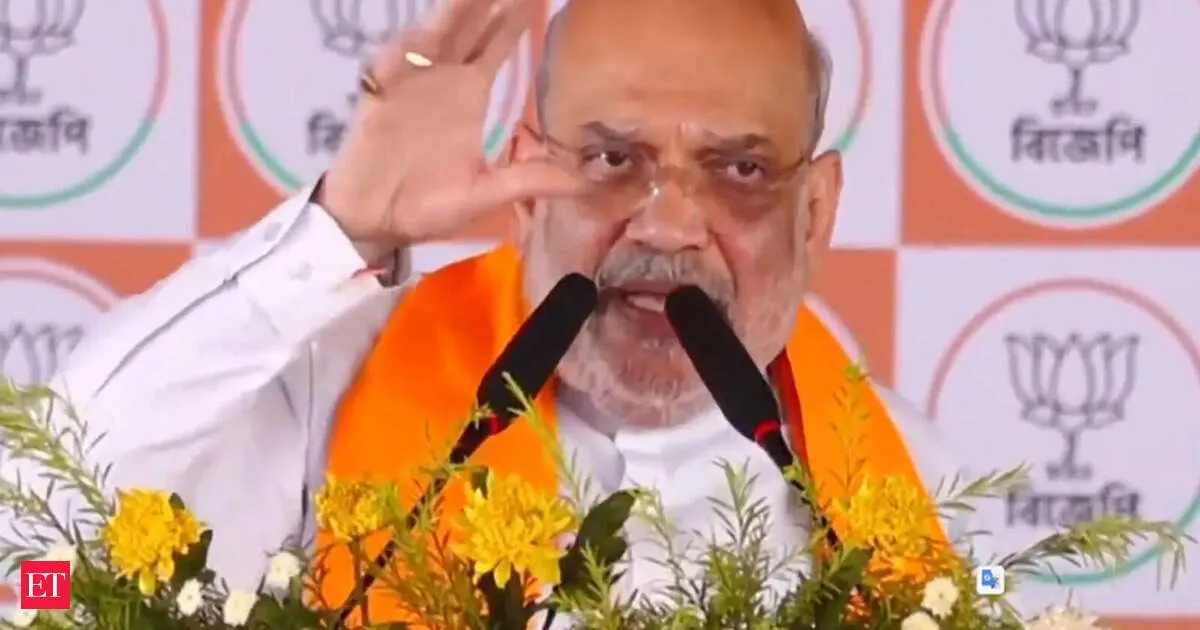
Union Home Minister Amit Shah assured the Matua and Namasudra communities that they will receive citizenship if the BJP forms the government. He accused Chief Minister Mamata Banerjee of misleading Matua voters about their voting rights and warned that attempts to disrupt polling would be met with strict action against hooligans.
A new Canadian law effective December 15, 2025, will let millions of Americans with Canadian ancestry apply for citizenship by descent and potentially secure passports. It removes prior generational caps, but applicants must prove their lineage. People born after the cutoff need a Canadian parent with three years of residency. Dual citizenship is allowed, opening new travel and settlement options.
Afghan spin star Rashid Khan declined citizenship offers from India and Australia, choosing to represent Afghanistan instead. A new book says he was approached during the 2023 IPL with an offer of Indian documents and the chance to play in India. Khan reportedly remained firm on loyalty to his homeland, earning praise for putting country over career advantage.
Reading on mobile?
Open Beige in the app for a smoother experience — free on iOS and Android.
Japan is tightening its path to citizenship by doubling the residency requirement for naturalization from five to ten consecutive years starting April 1. The updated process will also require longer tax and social insurance records, bringing citizenship standards closer to those for permanent residency. Officials say the changes will make approvals more rigorous.
Kuwait has enacted Decree-Law No. (52) of 2026, revising how citizenship is granted, withdrawn, and regulated. Effective immediately, the changes are designed to balance national identity with social factors, but also introduce stricter conditions for losing nationality. The Interior Minister’s powers are expanded, making revocation processes potentially broader and faster for those deemed ineligible.
Children born in New Zealand after January 1, 2006 are not automatically citizens. Their citizenship or visa outcome depends on the parents’ legal status at the time of birth. If neither parent is a New Zealand citizen, the child may be granted a visa linked to the parents’ valid visa, subject to confirmation from Immigration New Zealand.
New Zealand citizenship is granted only after migrants meet strict legal and administrative conditions. Applicants typically must live in the country for at least five years, prove physical presence, and show an intention to remain. Beyond residence, they must meet English language requirements and demonstrate good character while complying with immigration and legal rules.
Follow your favourite sources
Track sources, tags and categories — all in the Beige app.
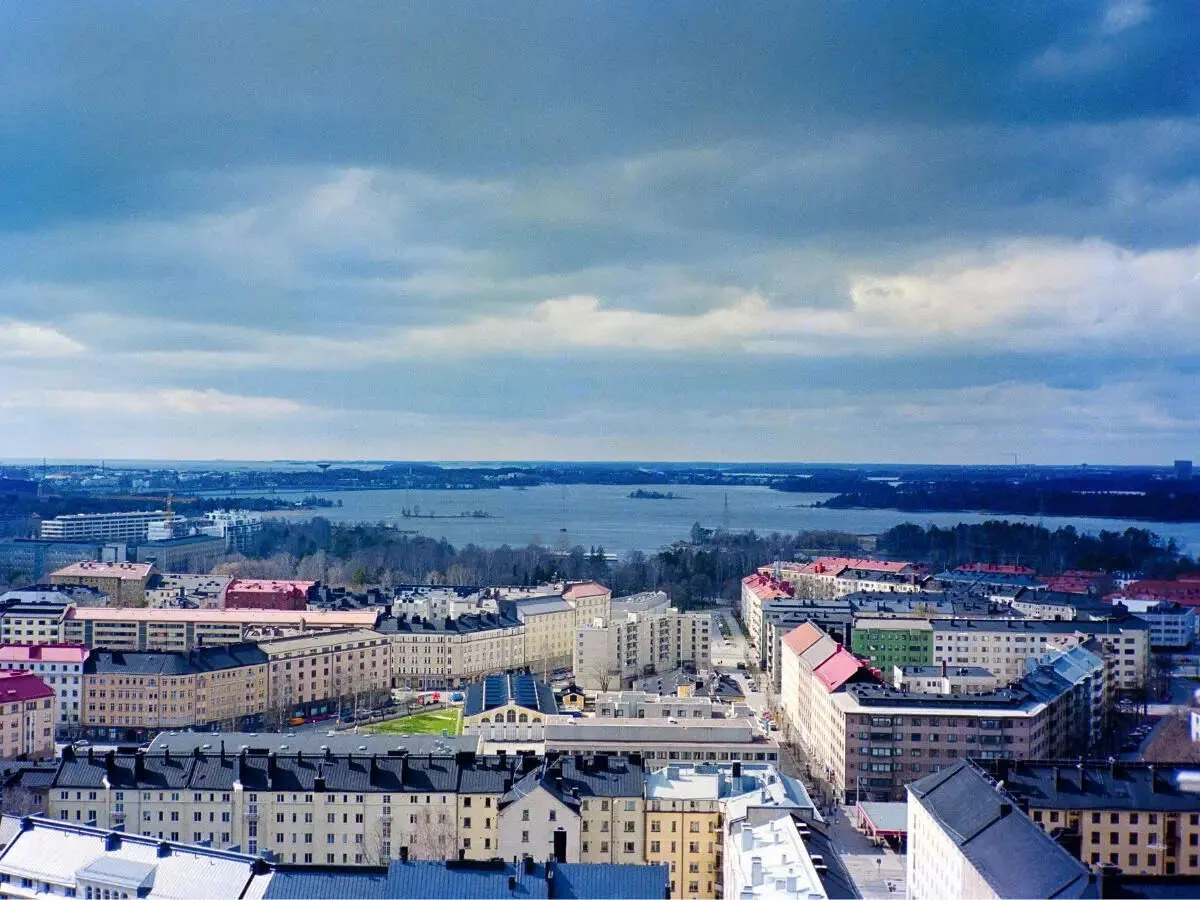
Finland has proposed requiring a civic knowledge test covering Finnish society as a condition for citizenship. The move comes as the government tightens immigration rules, following a broader European trend toward stricter access policies. Officials say the proposal aims to better prepare applicants for life in Finland, while critics question the impact on newcomers seeking permanent status.
Canada will raise permanent residence and citizenship application fees effective March 31 and April 30, 2026, impacting multiple immigration routes including Express Entry, family sponsorship, and the Right of Permanent Residence Fee. People who submitted and paid online before the respective deadlines will be unaffected, making timing crucial for applicants planning to apply in 2026.
New Zealand citizenship is mainly available through birth, descent, or grant. People born in New Zealand before 2006 automatically became citizens, but those born after face stricter conditions. For later births, citizenship typically depends on whether a parent was already a New Zealand citizen or permanent resident, with other pathways available through formal grant processes.
Swipe through stories, personalise your feed, and save articles for later — all on the app.